wayground logo

Free Printable Worksheets

Font size

S
M
L
XL
Worksheets

Vegetable Industry #4B: IPM (Integrated Pest Management)

Total questions: 18

Worksheet time: 9mins

Name
Class
Date
1.

A solid Integrated Pest Management program that wards off pests, but has minimal impact on the environment and beneficial garden creatures such as birds, bees and butterflies you want to stick around.

*Relies on multiple control prctices.

*Establishes the amount of damage that can be tolerated before control actions are taken.

a)
cultural control
b)
mechanical control
c)
IPM
d)
chemical control
2.

There are four main categories of pest controls that form IPM's foundation. The four work hand in hand to provide targeted, effective, long-term pest management, and each category plays a special role. Which category do you think should be your last resort?

a)
cultural controls
b)
physical controls
c)
mechanical controls
d)
chemical (pesticide) controls
3.

These types of IPM pest control start with the decisions you make when choosing and caring for plants. Prevention is your first line of defense; healthy, nurtured plants resist pests and diseases better than weak, unhealthy plants: 

1. Choose plants suited to your area (dry vs wet...).

2. Select disease- and pest-resistant plant varieties.

3. Plant at appropriate times (cold/heat tolerance...).

4. Choose proper sites (sun vs. shade...).

5. Maintain lawn and garden tools.

6. Avoid overhead watering (leaf disease, fungi...)

7. Water in early morning to prevent fungal growth.

8. Crop rotation and inter-cropping.

9. Test your soil!

a)
IPM #1: cultural controls
b)
IPM #4: chemical controls
c)
IPM #3: biological controls
d)
IPM #2: mechanical (physical) controls
4.

When using these types of IPM pest control, you, with your hands, feet, equipment you install, etc... go directly after pests to capture them, kill them, and/or prevent them from reaching their destinations (your plants!): 

1. Use mulch in garden areas.

2. Hoe or pull weeds before they establish roots.

3. Place collars in the soil around vegetable stems.

4. Stretch netting over your favorite berry bushes.

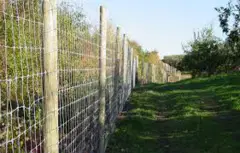
5. Stop destructive rodents with traps and fencing.

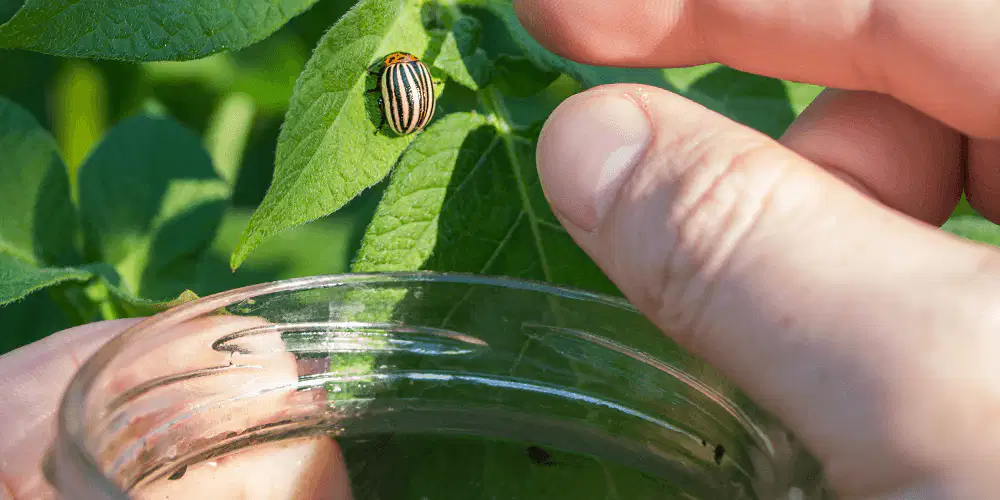
6. Hand-pick pests off plants.

7. Planting trap crops to lure pests, then remove from trap.

8. Solarization (cover with plastic) of soil to heat it and kill pests.

a)
IPM #4: chemical controls
b)
IPM #3: biological controls
c)
IPM #1: cultural controls
d)
IPM #2: mechanical (or physical) controls
5.

All pests, from weeds and insects to diseases, have natural enemies. IPM conserves, supports and encourages these foes. Knowing the difference between good and bad bugs is essential for IPM. 

1. Predator insects.

2. Parasitic insects.

3. Biological pathogens: Bacillus thuringiensis, also known as Bt, is a soil-borne bacterium that fights mosquitoes and insects in the larval, caterpillar stage. This and other pathogens are effective natural pesticides for very specific pests.

a)
IPM #3: biological controls
b)
IPM #1: cultural controls
c)
IPM #4: chemical controls
d)
IPM #2: mechanical (physical) controls
6.

Used only when other IPM controls fall short, an effective IPM program includes pesticides for prevention and active treatment. Invasive Japanese beetles, for example, devastate gardens and skeletonize leaves and blossoms. In Japan, the beetle's natural enemies control it, but its native predators don't exist in the United States. Pesticides help fill that gap: 

1. Natural or non-synthetic pesticides (organic pesticides).

2. Traditional or synthetic pesticides.

3. Preventive pesticides.

a)
IPM #4: chemical controls
b)
IPM #3: biological controls
c)
IPM #1: cultural controls
d)
IPM #2: mechanical (physical) controls
7.
Pest management which relies on modifying something we can change to help reduce pest populations. In agriculture, this could include modifying planting or harvest dates, tillage changes, crop rotation, sanitation practices, etc.
a)
mechanical control
b)
cultural control
c)
biological control
d)
chemical control
8.
Managing invasive species through hunting, culling, capture/trapping, blocking, removing, squishing, pulling (plants).
a)
mechanical control
b)
chemical control
c)
biological control
d)
cultural control
9.
The intentional release of a natural enemy to attack a pest population is an example of...
a)
biological control
b)
cultural control
c)
chemical control
d)
mechanical control
10.
Using traditional or synthetic pesticides that kill or prevent pests, but that often have many unwanted side effects on the environment and beneficial insects, is and example of...
a)
cultural control
b)
biological control
c)
mechanical control
d)
chemical control
11.
Bt (Bacillus thuringiensis) is a naturally occurring soil bacterium that produces a protein that kills many pests, including caterpillars and the larvae of some flies and beetles. This is one of the naturally occurring pesticides that has been introduced into some crop types (e.g., Bt corn) via genetic engineering. Can also be sprayed directly on plants and is safe for food crops.
a)
chemical control
b)
cultural control
c)
biological control
d)
mechanical control
12.
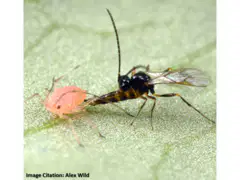
Releasing and encouraging parasitic insects, like parasitic wasps (while also planting companion pollinator flowers and not using persistant insecticides), is an example of...
a)
mechanical control
b)
cultural control
c)
chemical control
d)
biological control
13.
Hand-picking pests off plants is an example of...
a)
chemical control
b)
mechanical control
c)
cultural control
d)
biological control
14.
Stretching netting over your favorite berry bushes or stopping destructive rodents or deer with fencing or traps are both examples of...
a)
biological control
b)
cultural control
c)
chemical control
d)
mechanical control
15.
Using mulch in garden areas, hoeing or pulling weeds before they establish roots, and placing collars in the soil around vegetable stems are all examples of...
a)
biological control
b)
mechanical control
c)
chemical control
d)
cultural control
16.
Testing your soil to see what nutrients are lacking to grow healthy, pest and disease resistant plants, is an example of...
a)
chemical control
b)
biological control
c)
mechanical control
d)
cultural control
17.
Planting at appropriate times of the year (cold/heat tolerance...) is an example of...
a)
mechanical control
b)
chemical control
c)
biological control
d)
cultural control
18.
Choosing plants suited to your climate and for the sites you are planting (shade vs sun, etc) = "Right Plant, Right Place" are examples of...
a)
mechanical control
b)
biological control
c)
cultural control
d)
chemical control