
NEW
Font size
 Worksheets
1D 全方位學習日23-24
Total questions: 20
Worksheet time: 10mins

What is the Hakka unicorn dance used for?
Welcoming the new year
Entertaining guests
Celebrating birthdays
Warding off bad luck and bringing good luck
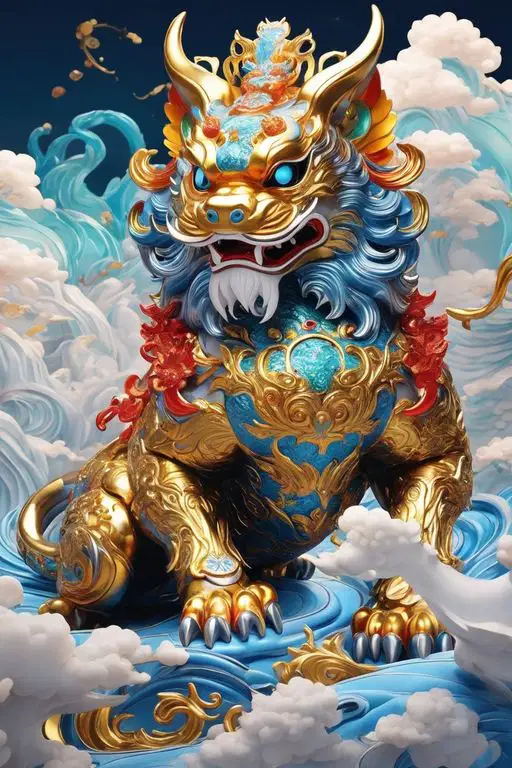
What is the main purpose of the Pixiu dance?
Celebrating weddings
Warding off evil spirits
Honoring ancestors
Bringing in money
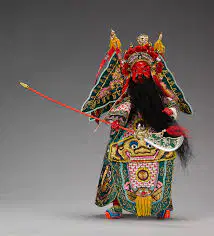
What are the four main branches of traditional Chinese puppetry mentioned in the text?
Marionettes on strings, rod puppets, shadow puppetry, glove puppets
Glove puppets, shadow puppets, finger puppets, rod puppets
Hand puppets, finger puppets, string puppets, shadow puppets
Marionettes, hand puppets, finger puppets, rod puppets
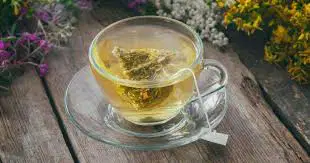
What is the significance of herbal teas to Chinese people?
Improve memory
Boost energy levels
Offer cooling effects to the body
Enhance vision
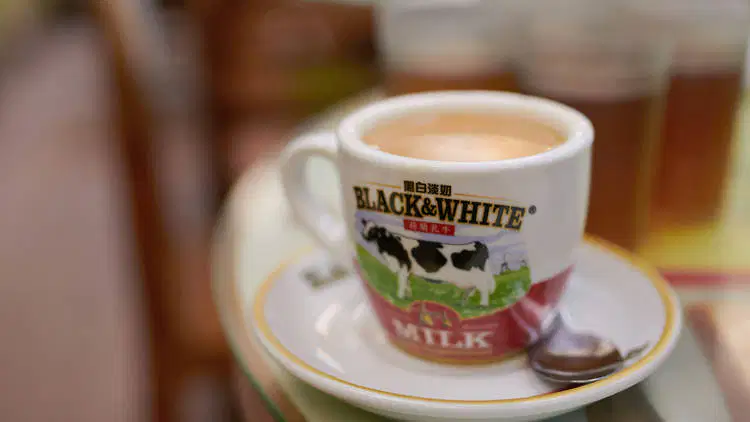
What is the unique style of milk tea in Hong Kong called?
Silk stocking milk tea
Bubble tea
Latte
Chai tea
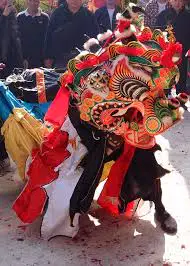
What is the Hakka unicorn dance similar to in terms of appearance?
Centaur
Mermaid
Phoenix
Dragon-unicorn hybrid

What type of stories do many of the plays using Chinese puppets tell?
Traditional Chinese fairy tales and religious stories
Science fiction stories
Western folklore tales
Historical documentaries

What is the belief associated with the Pixiu creature in the dance?
Protecting the village from invaders
Blessing a mahjong school with wealth
Guiding lost travelers
Bringing rain for the crops
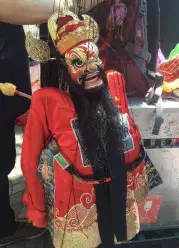
What is the main feature of Chinese puppet dolls mentioned in the text?
They are very colourful
They are controlled by remote
They are made of plastic
They are life-sized
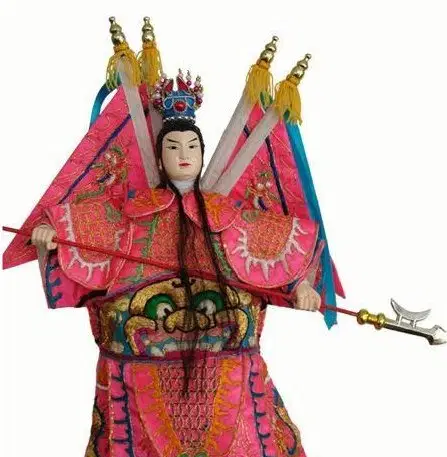
What are the Chinese puppet dolls made of?
Metal
Wood
Paper
Ceramics
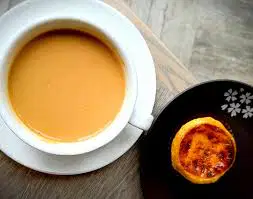
What is the technique used in making Hong Kong-style milk tea that involves a silk stocking?
Pouring the tea through a silk stocking with milk
Infusing the tea with silk threads
Boiling the tea in a silk stocking
Serving the tea in a silk stocking cup
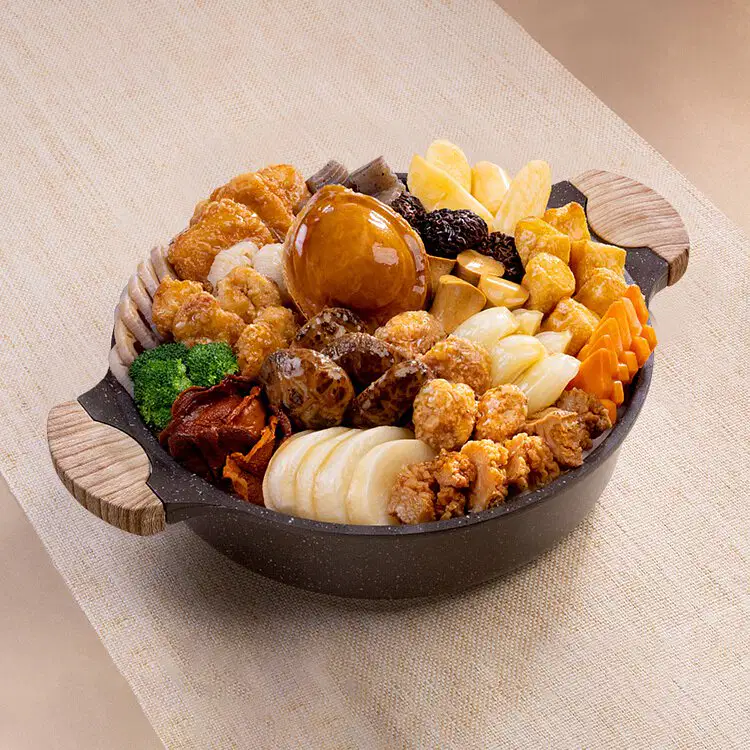
最為普及的盆菜的起源説法是?(p.148)
圍村村民上山祭祖習俗
圍村村民招呼宋帝昺
新界村民婚嫁習俗
「食山頭」文化
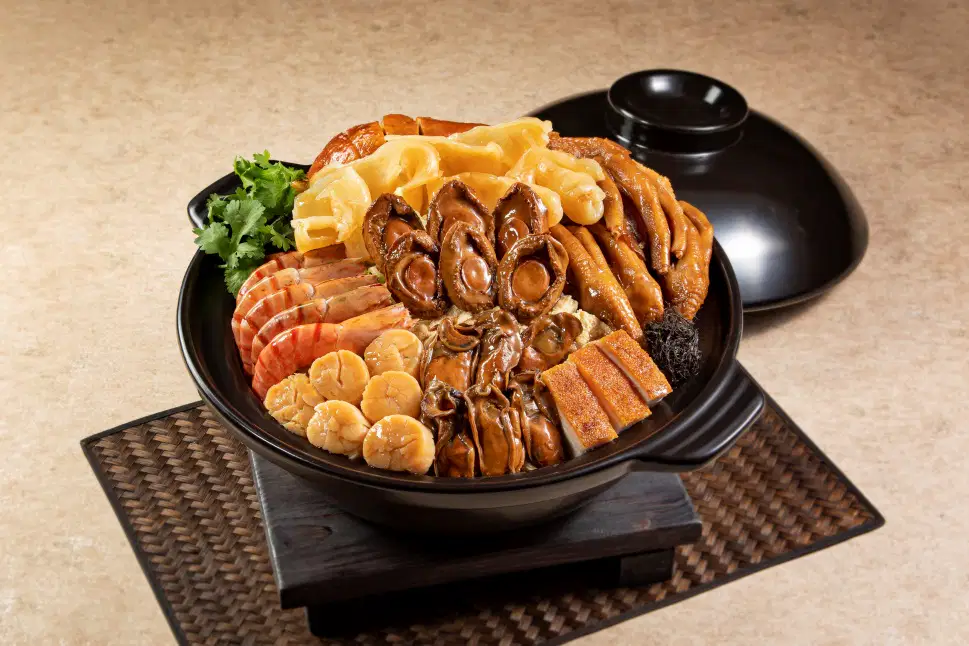
正宗吃盆菜的順序是什麽?(p. 149)
蘿蔔 > 豬皮 > 豬肉
枝竹 > 鷄肉 > 豬肉
蝦 > 豬肉 > 蝦乾
魚 > 枝竹 > 豬肉
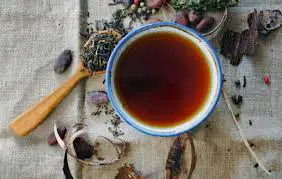
哪個不是飲用涼茶的四大類?(p.159-160)
清熱潤燥茶
解感茶
清熱化濕茶
清熱祛火茶
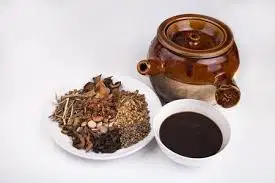
以下哪個不是飲用涼茶的禁忌?(p.160)
臨床禁忌
配伍禁忌
飲食禁忌
配食禁忌
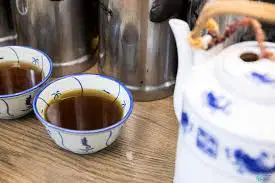
涼茶有多少年的歷史?(p. 159)
二百多年
三百多年
四百多年
五百多年
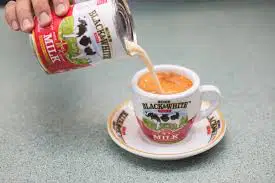
現時香港可見的奶茶主要製作方法是什麼?(p.186)
煎茶
煮茶
拉茶
烘茶

師傅通常選用多少種茶作「茶膽」(底味)(p.186)
0-1
1-2
2-3
3-4

港式奶茶在創造出具本土特色的絲襪奶茶前是模仿哪個國家的奶茶而成?(p.188)
土耳其
印尼
印度
英國
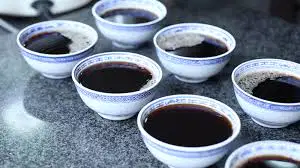
製作涼茶需要選擇什麼器皿?(p.162)

