
Font size
 Worksheets
P4 Chapter 2: Settlers in Singapore (& Recap Chapter 1)
Total questions: 23
Worksheet time: 31mins
What did the Chinese do for a living?
Traders
Businessman
Labourers
Amahs
IT staff
What did the Indians do for a living?
Indian soldiers known as sepoys
Labourers
Bakers
Milkmen
Dhobis
What did the Malays do for a living?
Boat Builders
Postmen
Carpenters
Prison workers
Hawkers
What did the Arabs do for a living?
Traders
Owned ships
Real estate developers
Real estate agents
What did the Armenians do for a living?
Traders
Factory owners
Businessmen
Factory workers
What did the Eurasians do for a living?
Traders
Doctors
Lawyers
Teachers
What did the Europeans do for a living?
Government officials
Traders
Doctors
Miners
What did the Jews do for a living?
Businessmen
Community Service
What did the Peranakans do for a living?
Middlemen between foreign and local people
Businessmen
Government officials
Nurses
Doctors
What are the reasons for the settlers coming to Singapore?
Design Buildings
Do not have enough money
Defend Singapore
Set up schools for the children of the local workers
Run away from home
Write a letter to any group of early settlers expressing your gratitude (thanks) for their contribution to Singapore.
Which of these are the 3 sources that we learnt in Chapter 1?
The Social Studies Book
The Sejarah Melayu a.k.a The Malay Annals
The Letters of Sir Stamford Raffles
Wang Dayuan’s Account
The Records by the late Mr Lee Kuan Yew
What was Singapore known as in 1300s?
(a)
Name the Java Prince who saw sandy white beaches across the sea when he was hunting.
(a)
There were 2 sharp rocks that jutted out of the sea. These rocks were known as ___________ .
loyang
longyamen
jurong
yamen
In Sanskrit language, _______________ is known as Lion City.
Singapore
Singa Pura
Temasek
Syonan
1. Match the following artefacts that were dug up from Fort Canning to the era they belong to

Porcelain from China 1300s

Wealthy Malay broken pot (pre colonial)

Jewellery from Majapahit Kingdom

Chinese Coins from Tang & Northern Song

14th Century Chinese Compass
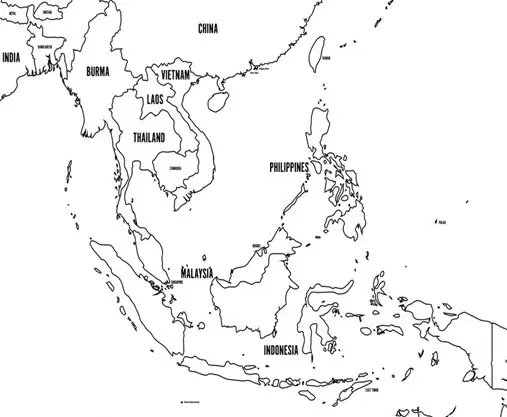
Imagine you are one of the traders from China planning to sail to India to sell your silk.
You need to have a stopover to refill your supply of food and water. You heard about Temasek being a good place for you to refill your supply.
Use a pencil and draw a line to show the trade route you would use as you journey from China to India.
Sang Nila Utama and his men saw an animal when he arrived in Temasek. The animal looked like the __________________ .


There were 4 reasons why the British chose Singapore as a trading port.
Choose the 4 reasons
Abundant supply of fresh water
Deep sheltered harbour
Strategic location between main trade route between China and Indian Sub Continent
Not controlled by the Dutch.
Frendly Orang Laut
Who founded Singapore as a British trading port?
Queen Elizabeth
Lord Hasting
Major William Farquhar
Sir Thomas Stamford Raffles
Where did Sang Nila Utama reside in Singapura?
Pasir Panjang
Botanical Garden known as Taman Bunga Singapura
Fort Canning Hill also known as Bukit Larangan
Pulau Blakang Mati known as Sentosa
With whom did Raffles sign a treaty with to make Singapore a modern British trading port?
Tengku Abdul Rahman
Tengku Hussein Shah
Temenggong
Sultan Johor
PM Lee Hsien Loong

