
 Worksheets
PARTS OF THE SPEECH
Total questions: 153
Worksheet time: 2hrs 55mins
Identify the noun in the following sentence: The dog runs quickly through the park.
runs
cat
quickly
dog
Translate this question to English language
rainy
red
yellow
blue, clear, green, intense
Recognize the adverb in the following paragraph: The boy played happily in the park with his friends.
divertedly
happily
contentedly
joyfully
Analyze the verb in the following sentence: María studies mathematics every day after school.
dance
read
sing
study
Identify the preposition in the following sentence: The book is on the table in the living room.
beside
on
above
under
Classify the conjunctions in the following text: María went to the park and then to the cinema with her friends.
or
and
because
but
Identify the article in the following sentence: The white house is at the end of the street.
house
white
the
the
Recognize the pronoun in the following sentence: They went to the concert together.
That
They
They
We
Identify the exclamation in the following sentence: What a beautiful day it is today at the beach!
What a beautiful day!
How beautiful!
What a day!
It makes beautiful!
Classify the interjection in the following text: Ay, qué dolor de cabeza tengo!
Oh
Wow
Oh
Ouch

The singular of : Children
chilb
child
childrens
childs
There are some _______ in the river .
fishes
fishs
fish
More than one leaf is...
leafs
leavs
leaves

What is the plural of church?
churches
churchs
churchis

What is the plural form for more than one fox?
foxs
foxes
foxies
A noun that describes only a person, animal, thing or place is :
noun
singular
plural
A ________ noun tells about more than one person, thing, animal or place.
singular
plural
noun
You can pluralize them.
countable nouns
uncountable nouns
These nouns are ideas, liquids , concepts .
countable nouns
uncountable nous
We saw five _______at the farm yesterday.
cowes
cows
cowis
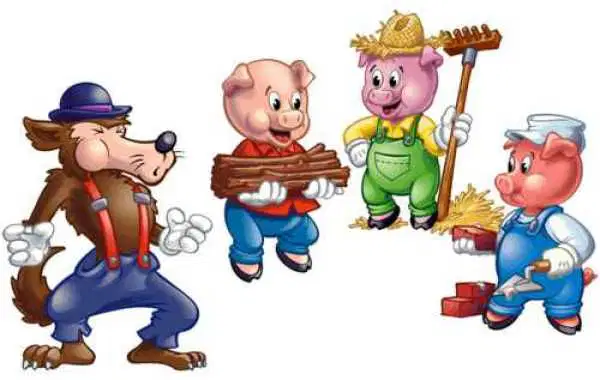
There were three _______ and a ______ in the tale.
piges - wolve
pigs - wolf
pigies - wolv
I can see too many ________in the party.
persons
people
peoples

Could you lend me some ________? I don't have any.
money
moneys
moneis
what is the plural of: series
series
serie
seris
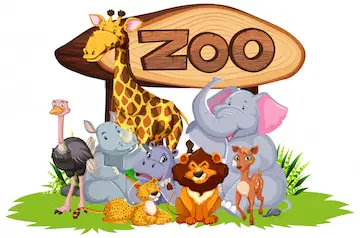
the plural of ZOO
zoos
zooes
zooz
The most nouns are pluralized when you add:
s
es
ies
change
to pluralize WATCH- BOX- MASS
Add - es-
Add - s-
Add - ies -
To pluralize FLY - STUDY - STORY
Add - s-
add -es-
None of above
The following are irregular nouns:
foot - man- person
tooth- woman- car
child - man - church
The only word that you can pluralize in English are:
verbs
nouns
adjectives
prepositions
¿Qué imagen representa "Tall"?


¿Qué imagen representa "little"?


¿Qué imagen representa "ugly"?


¿Qué imagen representa "fast"?


¿Qué imagen representa "short"?


¿Qué imagen representa "old"?


¿Qué imagen representa "clean"?


¿Qué imagen representa "dirty"?


¿Qué imagen representa "beauty"?


¿Qué imagen representa "young"?


¿Qué imagen representa "slow"?


Bonita /Bonito
Ugly
Dirty
Little
Beauty

Alto
Clean
Slow
Old
Tall

Viejo / Vieja
short
Old
Little
Tall

Lento
Fast
Dirty
Ugly
Slow

Veloz
Dirty
Young
Short
Fast

Limpio
Beauty
Young
Shirt
Clean

Sucio
Slow
Old
Ugly
Dirty

young
Viejo
Sucio
Joven
Alto

Little
Pequeño
Viejo
Feo
Limpio

Ugly
Feo
Veloz
Sucio
Lento

Short
Tall
Old
Bajo
Young
¿Cuál es el significado del adverbio "Quietly"?
Tranquilamente
Ruidosamente
Sorprendentemente
Rápidamente
¿Cuál es el significado del adverbio "Clearly"?
Rápidamente
Claramente
limpiamente
Excelente
¿Cuál es el significado del adverbio "loudly"?
Tristemente
Mágicamente
Silenciosamente
Ruidosamente
¿Cuál es el significado del adverbio "easily"?.
Detalladamente
Perezosamente
Fácilmente
Difícilmente
¿Cuál es el significado del adverbio "strongly"?
Fuertemente
Rápidamente
Débilmente
Fácilmente
Escoge el adverbio correcto para el adjetivo "Good"
Goodly
Welly
Well
Escoge el adverbio correcto para el adjetivo fast
Fast
Fastly
Fasted
Escoge el adverbio correcto para el adjetivo "Polite".
Polited
Politely
Polite
La palabra " loud" , ¿es un adverbio o adjetivo?
Adjective
Adverb
La palabra sadly, ¿es un adjetivo o un adverbio?
Adjective
Adverb
La palabra "closely", ¿es un adjetivo o adverbio?
Adjective
Adverb
La palabra "Hungry", ¿es un adjetivo o un adverbio?
adjective
adverb
La palabra "sunny" ¿es un adjetivo o adverbio?
Adjective
Adverb
La palabra "greedly", ¿es un adverbio o adjetivo?
Adjective
Adverb
La palabra "interesting", ¿es un adjetivo o un adverbio?
Adjective
Adverb
Escribe los siguientes verbos en ingles: "Jugar"
(a)
Cortar
(a)
Llamada
(a)
Cocinar
(a)
Saber o conocer
(a)
Comer
(a)
Llorar
(a)
Hacer
(a)
Tomar
(a)
Tener
(a)
Caer
(a)
Escribe en español el significado de los siguientes verbos: think
(a)
Want
(a)
Bring
(a)
Give
(a)
Learn
(a)
Feel
(a)
Hurt
(a)
Grow
(a)
Need
(a)
Dream
(a)

There is an apple__________the boxes
in front of
between
on
next to

There is a boy _____________ the chair.
Behind
In front of
Next to

There is a tree _____________ the house
Behind
next to
In
between

There is a mouse ___________the box
In front of
next to
Behind

There is an elephant _____________ the chair
under
behind
in front of

There is a book ____________ the table
ON
IN
Under
between

There is a worm __________ the apples.
In front of
Between
Behind
in

Right
Left


on top of
fuera de
a la izquierda de
al lado de
encima de

to the right of
a la derecha de
al lado de
fuera de
a la izquierda de

to the left of
al lado de
a la izquierda de
debajo de
a la derecha de

In
Next to
Behind

Into
Between
Under

On
Through
Next to

Under
Between
Across

In
Behind
Across

In front of
Between
Under
in between
entre
al lado de
detrás
a la derecha de
next to
detrás
al lado de
debajo de
encima de
behind
encima de
al lado de
delante
detrás
in front of
detrás de
debajo de
delante de
encima de
enfrente de

Look at the picture. Choose the correct preposition.
al lado de
delante de
encima de
detrás de
¿Cómo decimos HASTA (QUE) en inglés?
since
while
until
so that
¿Cuál es el significado de BEFORE?
en caso de que
después de que
antes (de) que
a pesar de que
¿ Cómo decimos después (de que)?
before
despite
until
after
¿Qué significa la conjunción IF?
mientras que
si
hasta que
sin que
¿Cómo decimos en inglés AUNQUE?
because
without
so that
although
¿Cuál es el significado de SO?
ASÍ QUE
SIN EMBARGO
POR LO TANTO
PERO
¿Cuál es el significado de HOWEVER?
PERO
SIN EMBARGO
ASÍ QUE
ENTONCES
I wanted to go to the beach, _______ Mary refused.
Yo queria ir a la playa, ___________ Maria se negó.
Therefore
yet
so
then
THEREFORE significa...:
(a)
I am allergic to cats, ______ I don´t have one.
Soy alergica a los gatos, ___________ no tengo uno.
However
then
Therefore
yet
COMPLETA:
Wash the pumpkin ___________you start cooking.
Lava la calabaza _________-de empezar a cocinar.
until
before
after
however
COMPLETA:
I’ll wait with you _________the bus come.
Esperaré contigo ___________ ____ venga el autobús.
Before
After
If
until
ONCE
DOS VECES
UNA VEZ
HASTA QUE
MIENTRAS
AS WELL AS
SIEMPRE QUE/CON TAL DE
ASI COMO/ TAMBIEN/ ADEMAS DE
EN CUANTO/ TAN PRONTO COMO
BECAUSE
POR LO TANTO
PARA QUE
PORQUE
PERO
EVEN IF
TAN PRONTO COMO
AHORA QUE
DESDE QUE
AUNQUE/INCLUSO SI
Without
con
sin embargo
sin
tal vez
While
mientras que
lo que sea
entonces
luego
Therefore
además
sin embargo
también
por lo tanto/ por consiguiente
¿Cuales son los artículos en ingles?
THE
THEY
AM
AN
A
Complete la siguiente oración:
I am _____boy
An
a
The
Elige la opción correcta:
"Una mujer"
A woman
An woman
The wonan
¿Cómo se dice "Las niñas"
The Girls
An Girls
A Girls
Escoge la opción correcta
He is a man
he is an man

Usamos "A"
Cuando la siguiente palabra inicia con el sonido de una CONSONANTE.
Cuando la siguiente palabra inicia con el sonido de una VOCAL.
I do not know :(

Usamos "AN"
Cuando la siguiente palabra inicia con el sonido de una CONSONANTE.
Cuando la siguiente palabra inicia con el sonido de una VOCAL.
I do not know :(

El articulo "THE" en español significa:
el,la,los,las
un - una
de

(a) glass of water.

She is __ singer.
a
an

This is __ umbrella.
an
a

____ boys are playing in my Xbox
a
an
the
El articulo THE significa:
un, una, unas, unos
el, ella, ellos, ellas
el, la los, las, los
En español, A / AN significa:
"un" - "la" - "los"
"un" - "una"
"la" - "lo" - "el" - "las"

Si quieres hablar de él, entonces usarás el pronoun...
she
he
it
we

Si quiero hablar de mi, entonces debo usar el pronoun...
it
we
I
you

Si quieres hablar de eso (un objeto o animal), entonces usarás el pronoun...
it
we
you
I

Si quieres hablar de ella, entonces usarás el pronoun...
we
you
they
she

Si quieres hablar de ellos, entonces usarás el pronoun...
they
we
I
she

Si quieres hablar de nosotros, entonces usarás el pronoun...
she
he
you
we

Si quiero hablar de ustedes, entonces debo usar el pronoun...
we
you
she
it

Si quiero hablar de usted... debo usar el pronoun
you
we
she
it

