
 Worksheets
G4 April 25
Total questions: 143
Worksheet time: 1hrs 28mins
What are platelets?
Very small plates used by woodland creatures and fairies
The blood cells that form clots when you are cut to stop bleeding.
They make your blood thinner when you are out of breath
the take oxygen back to the heart
Which describes all the parts of the circulatory system?
heart, lungs, stomach, muscles
heart, blood, arteries, and veins
bones, skin, hair

Haemoglobin contains which mineral:
gold
iron
iodine
sodium
What do our arteries do?
They transport blood away from our heart.
They transport blood to our heart.
They transport information away from our heart.
They transport information to our heart.
nervous
Which best describes the relationship between the skeletal system and
the circulatory system?
The skeletal system transports red blood cells after the circulatory
system produces them.
The skeletal system protects red blood cells and the circulatory
system pumps those cells through veins and arteries.
The skeletal system produces red blood cells and the circulatory
system transports those cells where they need to go.
The skeletal system helps put oxygen in red blood cells and the
circulatory system helps those cells rid the body of carbon dioxide.
Which of the following is NOT part of the circulatory system?
heart
blood vessels
bone marrow
blood
What is another name for the circulatory system?
Respiratory System
Cardiovascular System
Muscular System
Digestive System
Which body system works with your circulatory system to make sure your heart keeps beating?
Respiratory System
Skeletal System
Muscular System
Nervous System
Which of the following is NOT a way that the muscular system and circulatory system are related?
The muscles make red blood cells that the circulatory system uses to transport oxygen.
The heart is made of cardiac muscle tissue.
The circulatory system brings oxygen to the muscle cells.
The muscle cells get rid of carbon dioxide that the circulatory system takes away.
Which of the following is NOT a purpose of the circulatory system?
Bring oxygen to your cells
Bring carbon dioxide to your lungs
Help make sure your heart is pumping
Help you fight infections



How does the heart work?
It pumps blood first to the lungs, back to the heart and then around the rest of the body.
It pumps blood first to the rest of the body, back to the lungs and then to the heart.
It pumps blood around the rest of the body, back to the heart and then to the lungs,
Select the three parts of our circulatory system.
Bronchi, trachea and heart.
bones, muscles and heart.
blood, blood vessels and heart.
Nerves, spinal chord and heart.
What does our heart do?
It absorbs water into our bloodstream.
It absorbs oxygen into our bloodstream.
It cleans our blood.
It pumps blood around our body.
What do our arteries do?
They transport blood away from our heart.
They transport blood to our heart.
They transport information away from our heart.
They transport information to our heart.
What do our veins do?
They transport blood away from our heart.
They transport blood to our heart.
They transport information away from our heart.
They transport information to our heart.

Name this part of the circulatory system.
Stomach
Liver
Lung
Heart

Name this part of the circulatory system.
Artery
Nerve
Vein
Ureter

Name this part of the circulatory system.
Artery
Nerve
Vein
Ureter
Arteries carry blood containing oxygen from the heart to the body.
True
False
Veins carry blood containing carbon dioxide from the body back to the heart.
False
True
Which of the following is NOT part of the circulatory system?
heart
blood
bones
blood vessels
The Circulatory System is a ________ System.
Transport
Both
Protective
None of these
How many major organs in our body?
8
5
6
7
Digestive system _______ our food.
Absorbs
Digests
Stores
None of these
The blood, the blood vessels and the heart are main parts of ________ system.
Skeletal
Muscular
Circulatory
None of these
Blood ______ waste from all parts of the body.
Collects
Distributes
Stores
All of these
______ are thick walled blood vessels.
Arteries
Both
None of these
Veins
Superior vena cava brings blood from ______ of the body.
Upper
Both
Lower
None of these
The heart is _____ size organ.
Small
Fist
Big
None of these
How many chambers are there in human heart?
Three
Four
One
Five
What is called the living pump of human body?
Lungs
Kidneys
Heart
Liver
Generally arteries carry oxygen _____ blood.
Poor
Rich
Both
None
Deoxygenated blood is also called ______ blood.
Impure
Pure
Black
Blue
Which instrument is used to hear heart beat?
Stethoscope
Thermometer
Microscope
None of these
To generate extra energy, body needs extra______ .
Oxygen
Carbon dioxide
Water
All of these
Our heart beats ____ times in a minute throughout life.
100
70
85
60
the liquid that fills living cells
oxygen
cytoplasm
blood
salt water
the lower chamber on the left side of the heart
vein
left ventricle
left atrium
artery
the lower chamber on the right side of the heart
vein
right atrium
right ventricle
artery
the upper chamber on the left side of the heart
vein
left atrium
left ventricle
artery
the upper chamber on the right side of the heart
vein
right atrium
right ventricle
artery
the system of blood vessels and organs that transports blood to all the cells in the body
respiratory system
nervous system
digestive system
circulatory system
the organ in animals where gases, such as oxygen and carbon dioxide, pass between the atmosphere and the blood
lungs
kidney
stomach
brain
What type of blood do veins carry?
oxgenated
deoxygenated
they don't carry blood
What are veins?
arteries
blood vessels
ventricles
capillaries
What are arteries?
veins
blood vessels
ventricles
capillaries
What does the heart circulate throughout the body?
carbon dioxide
muscle
blood
water
3 answers are carried by blood, which one is NOT?
oxygen
glucose
salt
carbon dioxide
The heart has how many chambers?
one
two
three
four
What chamber of the heart collects blood from your body?
right atrium
left atrium
left ventricle
right ventricle
What chamber of the heart pumps blood to all the cells in your body?
right atrium
left atrium
left ventricle
right ventricle
What chamber of the heart receives blood from the lungs?
right atrium
left atrium
left ventricle
right ventricle
What chamber of the heart pumps blood to the lungs?
right atrium
left atrium
left ventricle
right ventricle
What is the largest artery in your body called?
the lung
the Superior Vena Cava
the Aorta
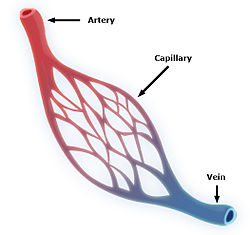
What are capillaries?
lung cells
red and white blood cells
small, thin blood vessels
types of arteries
Capillaries perform 3 of the answers below. Which one is NOT a function of capillaries?
create carbon dioxide
deliver nutrients
deliver oxygen
remove waste
What type of blood do arteries carry?
oxygenated
deoxygenated
they don't carry blood
Where are capillaries found?
only in the heart
only in the lungs
all throughout the body
What is the heart?
a vein
a tissue
a muscle
an artery
Which of the following would be closest to the size of the human heart?
a ping pong ball
a tennis ball
a basketball
a volleyball


How many sides does the heart have?
2
3
5
What is the function of heart?
To give oxygen to the blood
To clean the blood from waste materials
To pump the blood to the lungs and all over our body
Which side of heart is filled with no oxygen blood
left
right
both
What is the function of lungs?
to pump bloods
to give carbon dioxide to the blood
to give oxygen to the blood
What is inside the left side of the heart?
blood with toxic
blood with oxygen
blood with no oxygen
Blood from all over our body that comes to the heart has....
oxygen
no oxygen
energy
Blood from all over our body will go to...
the left side of the heart
the lungs
the right side of the heart
Blood with oxygen will be pumped to all over our body from...
the left side of the heart
the lungs
the right side of the heart
Where can we find our pulse?
on the elbow or knee
on the wrist or side of neck
on the stomach or waist
How our activity affect the pulse rate?
If we do more activites, our pulse rate is slower
It does not affect the pulse rate
If we do more activities, our pulse rate is faster
the heart pumps bleeds through the following vessels
linflaticos
all of the above
veins and arteries
as heart pumping systems are called
intermediate and linear circulation
major and minor circulation
small and large circulation
medium and term circulation
the main arteries of a heart are
esplenica
hepatica
Coronary
mediastina
they are valves of the heart
cardiac and pyloric
tricuspid y mital
urn and muscular
the heart is
a muscle
an organ
artery
vein
The sound emitted by the heart valves are called...
Beats
shoot
tachycardias
Approximate size of the heart...
a fist
1 metro
1 centimeter
20 inches
The heart is located...
in the United States
in your stomach
To the left of the center of the chest
in your brain
The movement of blood through the heart and throughout the body is called...
circulation
orange movement
blood movement
the heart carries and receives blood first from.....
lungs
brain
arteries
Which side of the body is the heart?
left
right
Both sides
Hand
When you exercise your heart rate goes...
UP
Down
Both
Neither
How many chambers are there in the heart?
4
2
1
3

What image is this?
Th heart
The lung
The liver
The Kidney

This image is used to listen to the heart
It is used to operate the heart
It is used to look at the heart
None of the above
What is the essential function of the heart?
All of the following
Does not have a function
To pump blood to rest of the body
To remove toxins from the body
what are the upper chambers called?
The left & right Kidney
The left & right atrium
The left & right Liver
The left & right lungs
The bottom chambers are called the ...
left & right kidney
left & right lungs
Left & right
ventricles
None of the above

What is pumped out of this valve?
oxygen
deoxygenated blood
oxygenated blood
none of the above
How many times a day do you think your heart pumps?
10 times a day
100 times a day
10,000 times a day
100,000 times a day
why do you think its important to exercise?
Makes the heart muscle strong
Good for fitness
more oxygen gets pumped around the body
All of the above
The heart has how many sections inside?
6
1
2
4
The heart is made up of this special kind of muscle.
Cardiac Muscle
Skeletal Muscle
Super Muscle
Muscle
The Tunica Interna is the inner layer of this!
Stomach
Heart
Brain
Blood Vessels
Our hearts can pump blood how far?
1 km
80,000 km
7,000 km
8 km
Blood enters into the heart through the
Stomach
Vena Cava
Aorta
Lungs
Arteries carry blood
To the heart
Away from the heart
Capillaries are the smallest blood vessel.
True
False
Which of these is not one of the 4 sections of the heart?
Left Ventricle
Right Ventricle
Left Atrium
Right Atrium
Pulmonary Artery
How awesome is Science?!
Super awesome
Awesome
Okay
Not awesome
Super not awesome
How many minutes of activity should humans get everyday
6 minutes
10 minutes
60 minutes
30 minutes
Which are great exercises to help your heart health?
Walking
Running
Swimming
Kayaking
Which three things is blood made up of?
White blood cells
Sugar
Red Blood cells
Platelets
Oxygen
When blood is pumped to the body, it moves through this structure.
Pulmonary Vein
Aorta
Right Ventricle
Left Atrium
Blood comes into the heart from the body on the _____ side.
Right
Left
The ______ seperates the heart in half
Atrium
Septum
Valves
Ventricle
The heart is as big as
Your foot
Your eyeball
Your fist
Your ear
Blood away from the heart, towards the body through (a)
Blood flows to the heart, from the body through (a)
Blood is always red.
True
False
Where does the body exchange nutrients and oxygen?
Veins
Arteries
Capillaries
Heart

