
 Worksheets
Observing Properties of Substances
Total questions: 200
Worksheet time: 2hrs 29mins

Laila observes substance X and substance Y. She lists some differences between the two substances in a table:
Substance X is oil, and substance Y is water.
Substance X is a wood cube, and substance Y is water.
Substance X is water, and substance Y is oil.
Substance X is water, and substance Y is wood cube.
Jessie throws a beach ball and bowling ball of the same volume into a swimming pool. He observes that the beach ball floats, but the bowling ball sinks. Which property of matter explains this situation?
Density
Weight
Conductivity
Solubility
Which of the following units of measure would NOT be an appropriate unit of measure for scientists when measuring matter?
Ounces
Centimeters
Grams
Liters
When water turns from a solid to a liquid, it has reached its (a) .
Which property of matter makes metals good carriers of heat and/or electricity?
Conductivity
Hardness
Density
Luster

A science class used this instrument to measure the mass of a rock.
Volume
Solubility
Mass
Density
What properties of matter is Laila observing and measuring when she notes that the rock is heavy, gray, and smooth, and then measures the volume and mass of the rock using scientific tools?
Physical properties
Solubility properties
Conductivity properties
Chemical properties
Kenshaun studies a big fluffy pillow and a golf ball for both volume and density. Which conclusion is true?
The pillow has more density, but has less volume than the golf ball.
The golf ball has less volume but more density than the pillow.
Density and volume are equal for both.
Their volume is the same, but the golf ball has more density.

Examine the illustration of particles in the three states of matter. What statement is true?
Exhibit A is a liquid; Exhibit B is a solid; Exhibit C is a gas.
Exhibit A is a solid; Exhibit B is a gas; Exhibit C is a liquid.
Exhibit A is a solid; Exhibit B is a liquid; Exhibit C is a gas.
After a hot, steamy shower, Calvin noticed that the bathroom mirror was all "fogged-up." What term best describes what happens when the warm water vapor hits the cool bathroom mirror?
Precipitation
Evaporation
Condensation
In which state of matter are the molecules moving the fastest?
Solid
Liquid
Gas
A person would weigh less on the moon than on Earth, because our planet has more gravity than our moon. What definition matches this?
Volume
Solubility
Mass

Josh uses the water displacement test to measure the volume of a rock. What is the volume of the rock?
40 cm³
30 cm³
10 cm³
20 cm³

Does the mass of an object change on a different planet?
Yes
No
Some people add sugar to their hot tea. Which property of the sugar remains the same when the sugar is in the tea solution?
The taste of the sugar
The size of the sugar crystals
The color of the sugar
The texture of the sugar
The definition of Mass is
The temperature of an object.
The force of gravity on an object.
The amount of matter in an objects.
Which property is common to all states of matter (solid, liquid, gas)?
They all have a definite shape.
They all have a definite volume.
They are all made of particles.
They can all be compressed to the same degree.
What is the hardest natural substance on Earth?
Gold
Iron
Diamond
Silver
The state of matter with less energy than liquid is...
plasma
protons
solid
molecules
What is the state of matter of water vapor?
Solid
Liquid
Gas
A _________ keeps its shape because its molecules only move in place, not around each other.
solid
liquid
gas
Which of the following is a physical property?
Reactivity with acid
Flammability
Density
Ability to rust

Why is electrical wiring usually made from copper?
Because copper is shiny
Because copper conducts electricity
Because copper is not magnetic
Because copper insulate electricity

A team of science students tested properties of four different materials and recorded their results. Based on the data, which material would best insulate electrical wires?
Material A
Material B
Material C
Material D

A material that easily allows for the flow of heat and electricity.
conductor
insulator
density
state of matter
Lemonade, coke, and salt water are all examples of _________.
Solutions
Mixtures
Pure Substances
Factors of solubility
A combination of substances that dissolve into one another--they are evenly mixed so that individual parts cannot be seen or separated.
solutions
mixtures
observations
Two or more materials mixed together that can always be separated into their component parts.
solutions
pure substances
observations
mixtures
The substance that does the dissolving
Solute
Solvent
Solution
Miscibility
The substance getting dissolved
Solvent
Solute
Solution
Mixture
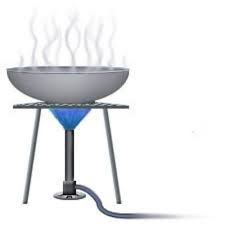
Name the separation technique shown in the diagram.
evaporation
distillation
filtration
What kind of mixture is a combination of substances that has uniform composition and appearance?
colloid
heteregenous
homogeneous
suspension
Which statement describes a heterogeneous mixture?
A chemical reaction takes place.
It has a uniform composition and appearance.
It does not have a uniform composition and appearance.
No answer

What mixture could you use this tool to best separate that mixture?
Sugar and Salt
Sand and rocks
Apples and grapes


If I have a mixture of wooden blocks and metal blocks. What is a fast way to separate them?
relative density (put them in water)
filter
sieve
A student is classifying objects. Answering which question will provide the best evidence that an object is a metal?
What is its mass?
What is its physical state?
Does it conduct thermal energy?
How quickly does it dissolve in water?
A piece of wood is a...
liquid
solid
gas
food
What is mass?
how fast an object is moving
what direction objects move in
the amount of matter an object has
the force objects have
What is the source of energy for plants to make food?
other plants
the sun
the moon
animals
What do plants need to make food?
water & oxygen
water & carbon dioxide
oxygen & dirt
carbon dioxide & oxygen
How do plants get the water they need to make food?
roots bring water in from the soil
the leaves bring water in from the air
the flowers collect water
seeds spread out to find water
What is the food that plants make called?
glucose
oxygen
leaves
carbon dioxide
What is the source of energy for plants to make food?
other plants
the sun
the moon
animals
Glucose is a kind of --
meat
air
sugar
leaf
Which shows the REACTANTS for photosynthesis?
oxygen & carbon dioxide
dirt & oxygen
water & carbon dioxide
carbon dioxide & leaves
How many molecules of oxygen are produced when a molecule of glucose is created?
1
100
6
none
How many molecules of water does a plant need to make one molecule of glucose?
1,000
6
10
5
Which gas do plants release during photosynthesis?
oxygen
carbon
helium
carbon dioxide
What are the PRODUCTS of photosynthesis?
oxygen & glucose
carbon dioxide & oxygen
glucose & carbon dioxide
glucose only
How many molecules of carbon dioxide does a plant need to make one molecule of glucose?
6
55
100
1
What is the correct equation for photosynthesis?
carbon dioxide + oxygen + sunlight = glucose + water
water + oxygen = sunlight + carbon dioxide + soil
glucose + oxygen = sunlight + carbon dioxide + water
water + carbon dioxide + sunlight = glucose + oxygen
How are plants beneficial to animals?
they eat harmful animals
they provide oxygen & food for animals
they provide carbon dioxide for animals
they produce glucose for animals to eat

A popular "pet," in Japan is a plant called marimo, or moss balls. They sink during the night and they float during the day. Based on what you know about plants, why does this happen?
they become lighter during the day and gain weight at night
they get larger at night, which causes them to sink
they turn green at night, and green makes them weigh more
they perform photosynthesis during the day, which releases bubbles of oxygen, which allows them to float
What is the chemical in plants' leaves that performs photosynthesis and causes plants to be a green color?
stomata
chlorophyll
carbon dioxide
glucose

Why would the mouse in jar A have trouble breathing?
it doesn't have oxygen
it doesn't have carbon dioxide
it doesn't have water
it doesn't have sunlight

What needs to be placed where the X is in the formula?
oxygen
glucose
carbon
sunlight
What is an ecosystem?
All of the living things in area
All of the living and nonliving things in an area and their interactions
All of the non-living things in an area
Only one specific type of organism in an area
Which of the following is not a living thing that can be found in an ecosystem?
Plants
Animals
Air
People
Which of the following is not an ecosystem?
Savanna
Rain Forest
Land
Polar

Based on the picture in the previous slide, what do you think the definition of population is?
The organisms of the same species that live in the same place
All of the different populations of organisms that live in the same place at the same time together
The organisms of the same species that live in different places
Based on the picture, what do you think the definition of community is?
The organisms of the same species that live in the same place
All of the different populations of organisms that live in the same place at the same time together
The organisms of the same species that live in different places
All of the different populations of organisms that live in the different places
Identify the ecosystem on the previous slide
Desert
Coral reef
Aquatic
Rain Forest
Identify the ecosystem on the previous slide
Desert
Coral reef
Aquatic
Rain Forest
What is a non-living thing that was pictured in the ecosystem on the previous slide?
Giraffe
Water
Zebra
Tree
Identify a population from the polar ecosystem
Polar bears, fish, and seals
Polar bears
Seals and fish
Fish, birds, and water

A disease reduces the number of young salmon in a river. Which population will MOST likely increase as a result?
trout and eagle
algae and trout
sculpin and algae
Biotic factors are...
living things
non-living things
undead things
Abiotic factors are...
living things
non-living things
undead things
Some examples of biotic factors would be
trees
insects
bacteria
all of the above
Which of these is NOT an abiotic factor?
water
temperature
grass
soil
Which of the following is an abiotic factor that plants depend on?
seed-eating birds
insect pollinators
ants building their nests in trees
nutrients in the soil
Which of the following is a biotic factor?
humans
bridges
roads
water
Which of the following is an abiotic factor that could be used for shelter?
a tree
a bush
a bridge
a field of corn


Identify the ecosystem
Forest
Tundra
Freshwater
Desert

Identify the ecosystem
Forest
Tundra
Freshwater
Grassland
A place where living and nonliving things interact
population
community
ecosystem
nutrient cycle


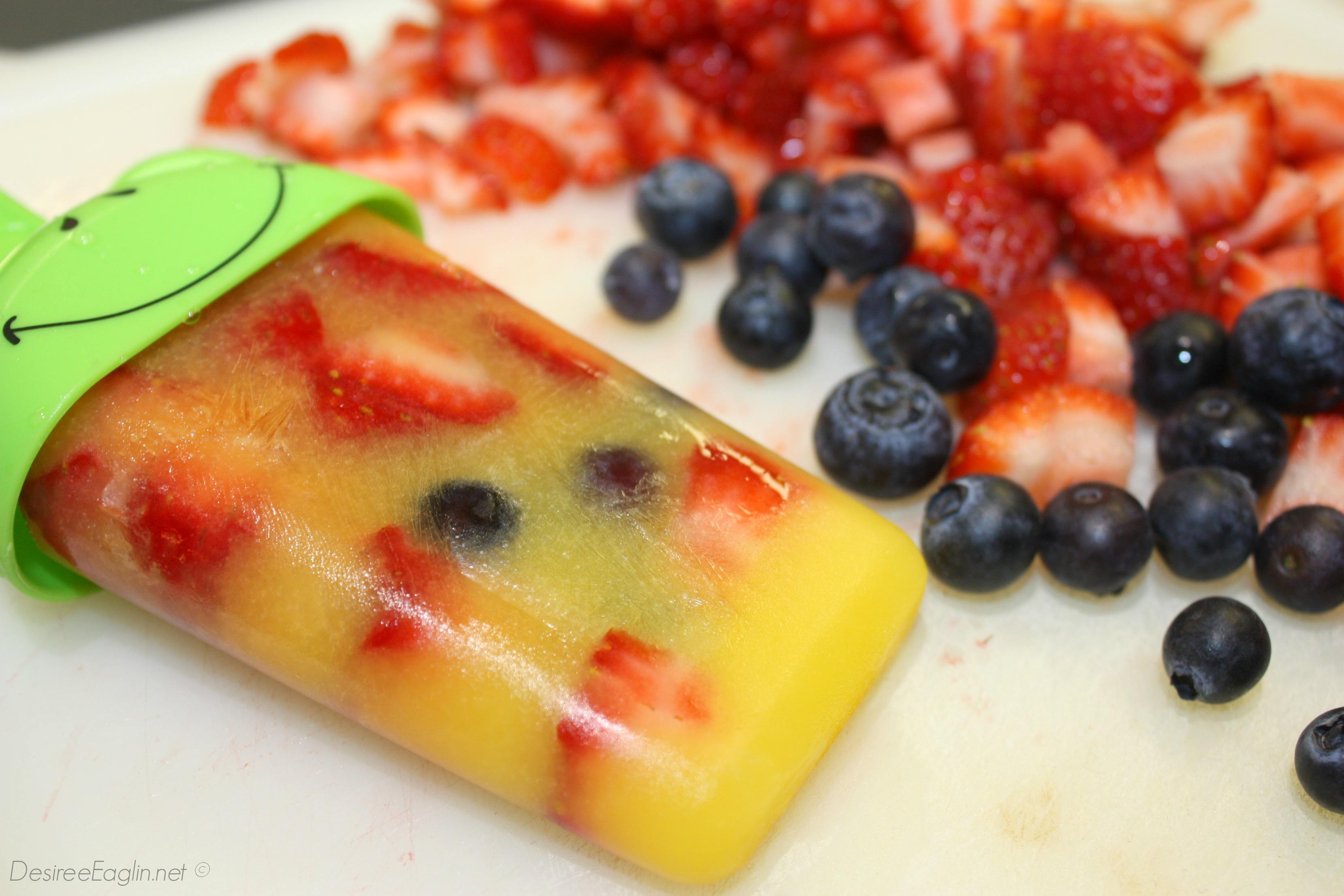
Which of the following are examples of a Chemical Change?
Iron Rusting
Gas Burning
Breaking a glass
Boiling water
Burning Wood
What is a chemical change?
Forming a new substance
When two or more substances combine to make a greater one
When two or more substances combine to make a new chemical substance
Combing substances
Which of the following would be considered a physical property?
Colour
Flammability
pH
Reactivity
What is Newton's First Law of Motion?
Every action has an equal and opposit reaction
Objects in motion stay in motion/Objects at rest stay at rest until an outside force acts on it
A force is required to accelerate an object with a known mass
What is Newton's Second Law of Motion?
Every action has an equal and opposite reaction
Objects in motion stay in motion/objects at rest stay at rest until an outside force acts on it
A force is required to accelerate an object with a known mass
What is Newton's Third Law of Motion?
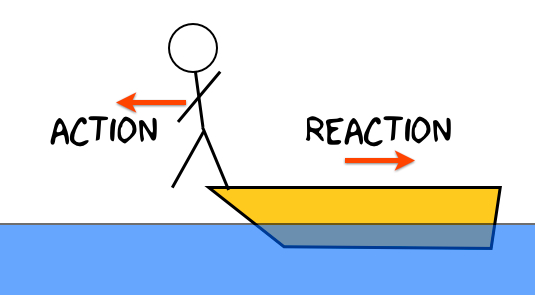
Every action has an equal and opposite reaction
Objects in motion stay in motion/objects at rest stay at rest until an outside force acts on it
A force is required to accelerate an object with a known mass
A frog pushes his legs down on a lily pad, but yet the direction he travels is upwards. Which law explains this?
Newton's First Law
Newton's Second Law
Newton's Third Law
The Swimmer moves her hand down and to the left and her body moves forward and to the right
Newton's first law
Newton's Second Law
Newton's Third Law
A person in a car slides to the right when going through a very sharp left turn on the highway
Newton's First Law
Newton's Second Law
Newton's Third Law
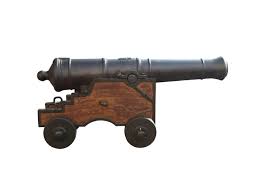

What would happen if there was no gravity?
Everything would float
Everything would be the same
Nothing would change
Everything would sink
Who was the first scientist to study gravity?
Thomas Edison
Isaac Newton
Albert Einstein
Charles Darwin
The size of the object is one of the effects on the pull of gravity
True
False
A space object spinning is...
Rotation
Revolution
Axis
An imaginary line that a space object spins on is...
Rotation
Revolution
Axis
A space object goes around another object is...
Rotation
Revolution
Axis
What causes moon phases? (SELECT TWO ANSWERS)
The earth's shadow
The moon revolving around the earth
The moon reflects light from the sun
The rotation of the moon

What is the missing phase?


What is the missing phase?


What is the missing phase?

What happens as the moon revolves around the earth?
The shadow gets darker and darker.
The illuminated (lit) side gets lighter and lighter.
The shadow slowly disappears until it's fully lit, then the lit part slowly disappears until it's completely dark.
Can you see the moon during the day?
Yes
No

What moon phase comes after this?


True or False: The moon is always half lit by the sun.
True
False
True or False: We have moon phases because the earth casts a shadow on the moon.
True
False

What is the result of the moon's orbit being tilted?
A lunar eclipse EVERY month
A lunar eclipse every few years

When the lit part of the moon is getting bigger, we call that ...
Waxing
Waning

When the lit part of the moon is getting smaller, we call that ...
Waxing
Waning
True or False: One side of the moon is always facing the sun.
True
False


It divides the earth into ___________ and ___________ hemispheres.
eastern and western
northern and southern

How long does it take earth to make one revolution around the sun?


Which season is taking place in the Northern Hemisphere in Position 1?

The Moon orbits Earth in a ________________ direction
clockwise
counterclockwise
upwards
downwards



