
Font size
 Worksheets
.Aranya Sir Classes ll BIOLOGY
Total questions: 180
Worksheet time: 2hrs 33mins
Chlorophyll containing structures in a plant cell
Stomata
guard cells
Chloroplast
none of these
During photosynthesis, the stomata help in the intake of
Oxygen
Carbon dioxide
Water
Nitrogen
Which of the following is an insectivorous plant?
Cuscuta
Sundew
Coralroot
Mistletoe
Rhizobium is
A parasite and nitrogen-fixing bacterium
A non- symbiotic bacterium
A symbiotic and nitrogen-fixing bacterium
None of the above
Chlorophyll helps the plants to
Exchange gases
Absorb water from the stem
Transport food from the leaves to the other parts
Absorb energy from the sunlight
The Food Synthesized By The Plants Is Stored As
Starch
Protein
Vitamins
Dietary fibre
Pitcher Plant Traps Insects Because It
Is a heterotroph
Grows in soils which lack in nitrogen
Does not have chlorophyll
Has a digestive system like human beings
In Non-Green Plants And Animals, Their Mode Of Nutrition Is
Saprophytic
Parasitic
Heterotrophic
Autotrophic
Which of the following statements is NOT true ?
Heterotrophs cannot prepare their own food .
Dodder is an example of parasite .
Saprophytes are green .
Pulses and Beans are legumes .
Green pigment present in the leaves is _____.
Stomata
Stem
Chlorophyll
Algae
1.Oxygen liberated during photosynthesis come from ……………
Water
Carbon dioxide
Glucose
ChlorophyII
Which of the following is not required for photosynthesis?
Sunlight
Oxygen
Water
Carbon dioxid
Which of the following describes the characteristic of a living being?
Nutrition
Excretion
Respiration
All the above
Two different organisms living together and benefitting from each other are known as …………….
Saprophytic
Heterotrophs
Parasitic
Symbionts
An example of an autotrophic plant is ………………..
Mushroom
Mould
Dodder
Neem
An example of Saprophytic plant is …………….
Dodder
Mushroom
Pitcher
Rose

What is A in the given picture ?
(a)

What is B in the given picture ?
(a)

What is C in the given picture ?
(a)
Tiny pores on the surface of leaves are called …………………
ChlorophyII
Stomata
Leaf stalk
Lamina
where does villi outgrowth
large intestine
gall bladder
small intestine
liver
The bile plays importent role in digestion of ------------
(a)
The digested food can now pass into the blood vessels in the wall of the intestine .This process is known as
assimilation
absorbtion
egesion
digestion
in what is grass rich in ?
(a)
when does milk teeth fall?
4 to 5 years
6 to 8 years
9 to 12 years
none of the above
what are the types of teeth ?
incisors
canine
premolar
molars
baby teeth
which of them is insectivore plant ?


what is the function of digestive juices ?
to digest food
to convert complex substance of to simpler substance
for chewing the food properly
to secrete saliva inside our mouth
the --------breaks down ----------into sugar
(a)
food pipe is also called as
oesophages
alimentary canal
long food pipe
digestive track
small intestine is
2.2m long
7m long
7.3 meter long
7.5 meter long
what is the function of canine ?
(a)
the digestive system breaks down
proteins into simpler forms
carbohydrates into simpler forms
carbohydrates and proteins to simpler forms
fat to simpler substance
salivary gland produces a enzyme known as -----------------
(a)
processes of digestion in food in order
assimilation , digestion ,ingestion , absorption , egestion
ingestion , digestion , absorption , assimilation and egestion
ingestion , digestion , absorbition , assimilation and egestion
digestion , ingestion , egestion , assimilation , absorption
in cows grass are stored in which part ?
small intestine
gall bladder
rumen
caecum
fat is completely digested in the
mouth
small intestine
stomach
large intestine
how was the quiz
very good
very bad
maybe
not sure
The process of Photosynthesis produces
Carbon Dioxide
Nitrogen
Oxygen
Hydrogen
Ultimate source of energy for all living organisms is
Plants
Atmosphere
Earth
Sun
Foods synthesized in the process of Photosynthesis by plants is stored as
Starch
Protein
Vitamins
Fats
Which of the following is not necessary for photosynthesis
Chlorophyll
Carbon dioxide gas
Oxygen
Water
Which of the following is a parasite
Fungus
Cuscuta
Mushroom
Bacteria
Organisms which produce their own food are called
Autotrophs
Heterotrophs
Saprotrophs
Parasites
Pitcher plant traps insects because it grows in soils which lack in ---------
(a)
insectivorous plant is


When we observe the lower surface of a leaf through a magnifying lens we see numerous small openings. Which of the following is the term given to such openings?
stomata
midrib
vein
lamina

Which plant part collects the sun's energy and makes food?
Leaf
Stem
Roots
Flower

Leaves absorb CO2 through...
mouth.
stomata.
nose.
What is the equation for photosynthesis
Carbon dioxide + water sunlight + chlorophyll = glucose + oxygen
Glucose + water + sunlight + oxygen = carbon dioxide
What protects Stomata and helps it in opening and closing?
Guard Cells
Leaf
Stem
Carbon Dioxide
Organisms which prepare food for themselves using simple naturally available raw materials are referred to as
heterotrophs
autotrophs
parasites
saprophytes
The term that is used for the mode of nutrition in yeast, mushroom and bread-mould is
autotrophic
parasitic
saprophytic
symbiotic
Fungi is a
Parasite
Autotroph
Saprotroph
Insectivores
Human beings can be categorised as
Parasite
Heterotroph
Saprotrophs
Autotrophs
The green pigment that is present in the leaves are called
Haemoglobin
Globuline
Albumin
Chlorophyll
Yeast, Mushroom and bread mould are
Autotrophs
Insectivorous
Saprophytic
parasitic
Which of the following statements is/are correct?
(i) All green plants can prepare their own food.
(ii) Most animals are autotrophs.
(iii) Carbon dioxide is not required for photosynthesis.
(iv) Oxygen is liberated during phosynthesis.
(i) and (iv)
(ii) only
(ii) and (iii)
(i) and (ii)
Which of the following shows symbiotic relationship
Lichens
Algae
Fungi
Cuscuta
Lichens shows symbiotic relationship between
Algae and parasite
Fungus and parasite
Algae and Fungus
None
Amarbel is an example of
autotroph
parasite
saprotroph
host
PARASITES
PREPARE THEIR OWN FOOD
LIVE ON OTHER LIVING ORGANISMS
LIVE ON DEAD ORGANISMS
EAT INSECTS
WHICH OF THE FOLLOWING IS USED IN STARCH TEST
SAFRANIN
BLUE INK
IODINE
LITMUS
GLUCOSE IS ......
FAT
PROTEIN
CARBOHYDRATE
VITAMIN

IDENTIFY THE PICTURE
FUNGUS
ALGAE
BREAD MOULD
LITCHENS
Which of the following statements is/are correct?
(i) All green plants can prepare their own food.
(ii) Most animals are autotrophs.
(iii) Carbon dioxide is not required for photosynthesis.
(iv) Oxygen is liberated during photosynthesis.
Choose the correct answer from the options below:
(i) and (iv)
(ii) only
(ii) and (iii)
(i) and (ii)

The lower epidermis has openings called the stomata
True
False
The bacteria found in the root nodules of leguminous plants
(a)

Identify what is shown in the picture
chlorophyll
stomata
carbon dioxide
veins

Identify the plant
dodder
venus fly trap
mushroom
pitcher plant
The Mode pf nutrition i which organism make food themselves from simple substance are
Autotrophs
Heterotrophs
Autotrophic
Parasite
The cell is enclosed by thin outer body known as
Nucleus
Cell membrane
Stomata
Cytoplasm
Cuscutta is the example of-
Parasite
Insectivorous Plants
Saprotrophs
Host
The process of Photosynthesis produces
Carbon Dioxide
Nitrogen
Oxygen
Hydrogen
Ultimate source of energy for all living organisms is
Plants
Atmosphere
Earth
Sun
Foods synthesized in the process of Photosynthesis by plants is stored as
Starch
Protein
Vitamins
Fats
Which of the following is a parasite
Fungus
Cuscuta
Mushroom
Bacteria
Which of the following is not necessary for photosynthesis
Chlorophyll
Carbon dioxide gas
Oxygen
Water
insectivorous plant is
Which plant part collects the sun's energy and makes food?
Leaf
Stem
Roots
Flower
Leaves absorb CO2 through...
mouth.
stomata.
nose.
What is the equation for photosynthesis
Carbon dioxide + water sunlight + chlorophyll = glucose + oxygen
Glucose + water + sunlight + oxygen = carbon dioxide
What protects Stomata and helps it in opening and closing?
Guard Cells
Leaf
Stem
Carbon Dioxide
Organisms which prepare food for themselves using simple naturally available raw materials are referred to as
heterotrophs
autotrophs
parasites
saprophytes
The term that is used for the mode of nutrition in yeast, mushroom and bread-mould is
autotrophic
parasitic
saprophytic
symbiotic

Which of the following parts of a desert plant perform the function of photosynthesis?
Leaves
Stem
Leaves and steam
None of these

The green coloured pigment in the leaves is -
Chlorophyll
Anthocyanin
Protoplast
Chloroplast

Green plants are called (a) since they synthesise their own food

During photosynthesis plants take in _________ and release oxygen.
Minerals
Organism
Chlorophyll
Carbon dioxide

In photosynthesis solar energy is captured by the pigment called (a) (write the first letter in capital letter)

Which of the following raw material is not necessary for photosynthesis?
CO2
Nitrogen
Sunlight
H2o

Name a plant that has both Autotrophic and Heterotrophic mode of nutrition (brown leaves or pitcher plant) write the first letter in capital letter 😀
(a)

Name the pores through which leaves exchange gases ( write the first letter in capital letter 😊 (Stomata or licher)
(a)

Photosynthesis doesn't take place in-
Autotrophic plants
Heterotrophic plants
Red, violet,brown leaves
The absence of chlorophyll

Slimy green patches are formed in ponds by-
(Write the first letter in capital letter 😃)
(a)
The process of Photosynthesis produces
Carbon Dioxide
Nitrogen
Oxygen
Hydrogen
Organisms other than plants which contain Chlorophyll are
Algae
Protozoa
Virus
Fungi
Living organisms obtain energy from
Carbon Dioxide
Food
Water
Oxygen
Ultimate source of energy for all living organisms is
Plants
Atmosphere
Earth
Sun
Foods synthesized in the process of Photosynthesis by plants is stored as
Starch
Protein
Vitamins
Fats
Which of the following is not necessary for photosynthesis
Chlorophyll
Carbon dioxide gas
Oxygen
Water
Which of the following is a parasite
Fungus
Cuscuta
Mushroom
Bacteria
Organisms which produce their own food are called
Autotrophs
Heterotrophs
Saprotrophs
Parasites
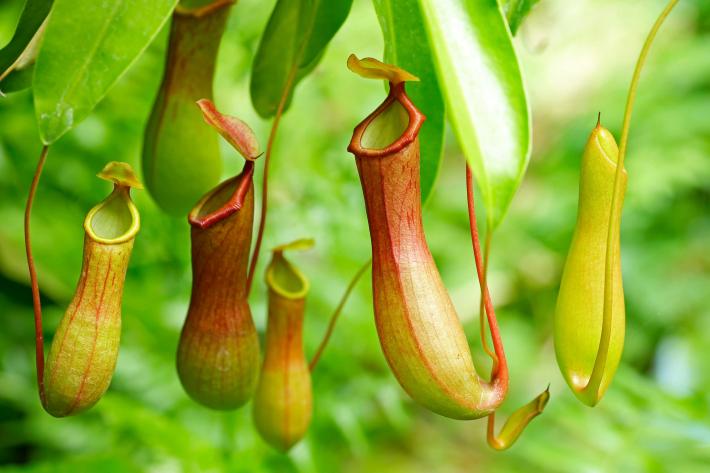
Identify the plant
pitcher
dodder
venus flytrap
bladderwort

Identify the plant
dodder
sundew
bladderwort
cuscutta

Identify the plant
dodder
sundew
venus flytrap
bladderwort
Which part of the plant takes in carbon
dioxide from the air for photosynthesis
Root
hair
stomata
leafveins
sepals
Insectivorous plants eat insects to fulfill their needs of
Energy
nitrogen,
potassium
calcium

Identify the bacteria
Staphylococcus
Bacillus
Pseudomonas
rhizobium
Identify what is shown in the picture
chlorophyll
stomata
carbon dioxide
veins
Organisms which prepare food for themselves using simple naturally available raw materials are referred to as
heterotrophs
autotrophs
parasites
saprophytes
Pitcher plant traps insects because it grows in soils which lack in ---------
(a)
Two organisms are good friends and live together. One provides shelter, water, and nutrients while the other prepares and provides food. Such an association of organisms is termed as
saprophyte
parasite
autotrophs
symbiosis
Which plant part collects the sun's energy and makes food?
Leaf
Stem
Roots
Flower
The process of Photosynthesis produces
Carbon Dioxide
Nitrogen
Oxygen
Hydrogen
Organisms other than plants which contain Chlorophyll are
Algae
Protozoa
Virus
Fungi
Living organisms obtain energy from
Carbon Dioxide
Food
Water
Oxygen
Ultimate source of energy for all living organisms is
Plants
Atmosphere
Earth
Sun
Foods synthesized in the process of Photosynthesis by plants is stored as
Starch
Protein
Vitamins
Fats
Which of the following is not necessary for photosynthesis
Chlorophyll
Carbon dioxide gas
Oxygen
Water
Which of the following is a parasite
Fungus
Cuscuta
Mushroom
Bacteria
Organisms which produce their own food are called
Autotrophs
Heterotrophs
Saprotrophs
Parasites
Identify the plant
pitcher
dodder
venus flytrap
bladderwort
Identify the plant
dodder
sundew
bladderwort
cuscutta
Identify the plant
dodder
sundew
venus flytrap
bladderwort
Which part of the plant takes in carbon
dioxide from the air for photosynthesis
Root
hair
stomata
leafveins
sepals
Insectivorous plants eat insects to fulfill their needs of
Energy
nitrogen,
potassium
calcium
Identify the bacteria
Staphylococcus
Bacillus
Pseudomonas
rhizobium
Identify what is shown in the picture
chlorophyll
stomata
carbon dioxide
veins
Organisms which prepare food for themselves using simple naturally available raw materials are referred to as
heterotrophs
autotrophs
parasites
saprophytes
Pitcher plant traps insects because it grows in soils which lack in ---------
(a)
Two organisms are good friends and live together. One provides shelter, water, and nutrients while the other prepares and provides food. Such an association of organisms is termed as
saprophyte
parasite
autotrophs
symbiosis
Which plant part collects the sun's energy and makes food?
Leaf
Stem
Roots
Flower
Which of the following describes the characteristic of a living being?
Nutrition
Excretion
Respiration
All the above
What is A in the given picture ?
(a)
What is B in the given picture ?
(a)
What is C in the given picture ?
(a)
The process of intake of food is called
Ingestion
Egestion
Which is not digested by human?
Protein
Fats
Glucose
Cellulose
The breakdown of complex component of food into simpler substance is called digestion.
True
False
Animals are heterotrophic.
True
False
In amoeba ,ingestion of food takes place with the help of false feet called
phagocytosis
Pseudopodia
Bile is produced in
Gall bladder
Blood
Liver
Spleen
The source of energy for living organism is
(a)
The enzymes predsent in the saliva convert:
fats into fatty acids and glycerol
starch into simple sugars
proteins into amino acids
complex sugars into simple sugars
Amoeba is a many celled animal.
True
False
where does villi outgrowth
large intestine
gall bladder
small intestine
liver
The bile plays importent role in digestion of ------------
(a)
The digested food can now pass into the blood vessels in the wall of the intestine .This process is known as
assimilation
absorbtion
egesion
digestion
when does milk teeth fall?
4 to 5 years
6 to 8 years
9 to 12 years
none of the above
what are the types of teeth ?
incisors
canine
premolar
molars
baby teeth
which of them is insectivore plant ?
what is the function of digestive juices ?
to digest food
to convert complex substance of to simpler substance
for chewing the food properly
to secrete saliva inside our mouth
the --------breaks down ----------into sugar
(a)
food pipe is also called as
oesophages
alimentary canal
long food pipe
digestive track
the digestive system breaks down
proteins into simpler forms
carbohydrates into simpler forms
carbohydrates and proteins to simpler forms
fat to simpler substance
salivary gland produces a enzyme known as -----------------
(a)
processes of digestion in food in order
assimilation , digestion ,ingestion , absorption , egestion
ingestion , digestion , absorption , assimilation and egestion
ingestion , digestion , absorbition , assimilation and egestion
digestion , ingestion , egestion , assimilation , absorption
Which of the following statements is/are correct?
(i) All green plants can prepare their own food.
(ii) Most animals are autotrophs.
(iii) Carbon dioxide is not required for photosynthesis.
(iv) Oxygen is liberated during photosynthesis.
Choose the correct answer from the options below:
(i) and (iv)
(ii) only
(ii) and (iii)
(i) and (ii)
Pitcher plant traps insects because it
is a heterotroph.
grows in soils which lack in nitrogen.
does not have chlorophyll.
has a digestive system like human beings.
Two organisms are good friends and live together. One provides shelter, water, and nutrients while the other prepares and provides food. Such an association of organisms is termed as
saprophyte
parasite
autotroph
symbiosis
The term that is used for the mode of nutrition in yeast, mushroom and bread-mould is
(a) autotrophic
(b) insectivorous
(c) saprophytic
(d) parasitic
When we observe the lower surface of a leaf through a magnifying lens we see numerous small openings. Which of the following is the term given to such openings?
(a) Stomata
(b) Lamina
(c) Midrib
(d) Veins
The piercing and tearing teeth is called
incisor
Canine
Pre-molar
Molar
____ is the largest gland in our body.
Skin
Hand
Liver
Leg
The enzymes present in the saliva convert
fats into fatty acids and glycerol.
starch into simple sugars.
proteins into amino acids.
complex sugars into simple sugars.
Mostly grass eating animals are called____.
Carnivore
Omnivore
Ruminants
Scavenger
Find the incorrect Statement:
Enzymes break down proteins to simpler substances
Hydrochloric acid kills enzymes
Small intestine has a large number of villi
Cow is a ruminant
Which of the following is a nutrient?
(a) Protein
(b) Fat
(c) Vitamin
(d) All of these
Human beings can be categorised as
(a) heterotrophs
(b) autotrophs
(c) parasites
(d) saprotrophs
The food making process in plants is called as
(a) glycolysis
(b) photosynthesis
(c) photolysis
(d) chemosynthesis
Which part of the plant is called its food factory ?
(a) Fruits
(b) Seeds
(c) Leaves
(d) Flowers
Green plants synthesise their food themselves by the process of ………….. they are called ……………..
(a)
…………….. is produced and …………….. is utilized during photosynthesis.
(a)
…………….. is the site of reception of light energy in leaves.
(a)
All organisms take ……………… and utilize it to get energy for the growth and the maintenance of their bodies.
(a)
………………. energy is stored by the leaves with the help of chlorophyll.
(a)
Plants like cuscuta take food from ………………… plant.
(a)