
 Worksheets
Ancient Mediterranean - 80
Total questions: 80
Worksheet time: 40mins
What was a primary focus of artistic traditions in the ancient Near East and dynastic Egypt?
Depicting landscapes and natural phenomena
Representing royal figures and divinities
Illustrating daily life and common people
Focusing on abstract and geometric patterns
According to the text, how did artists in the ancient Near East typically represent human figures?
In a naturalistic and proportional manner
With exaggerated features to symbolize power
Using a combined profile and three-quarter view
As abstract forms without clear human characteristics
What role does religion play in the art and architecture of the ancient Near East?
It had little to no influence on artistic expressions
It was occasionally referenced in decorative motifs
It guided the representation of deities and kings
It was predominantly focused on afterlife themes
Which architectural feature is mentioned as a setting for the worship of many deities in the ancient Near East?
Large amphitheaters
Towering ziggurats
Extensive underground catacombs
Ornate palatial gardens
What is the primary focus of dynastic Egyptian art?
Political propaganda
Religious and mythological symbolism
Daily life and entertainment
Economic activities

Which architectural feature is highlighted as particularly important in the history of Egyptian architecture?
Pyramids
Sphinx
Obelisks
Clerestory
According to the text, how does Ancient Greek and Roman art differ in terms of their artistic periods?
Greek art is divided by political dynasties, while Roman art is divided by stylistic periods.
Both are divided chronologically without regard to political or stylistic changes.
Greek art is divided by stylistic periods, while Roman art is divided by political dynasties.
Both are divided by political dynasties.
What is a characteristic feature of Roman architecture as described in the curriculum framework?
Minimalist design
Investment in public structures
Use of lightweight materials
Emphasis on private spaces
According to the curriculum framework, what aspect of society did Ancient Greek, Etruscan, and Roman art express?
Technological advancements
Societal values of harmony and order
Focus on individualism
Economic prosperity
How did the Greek, Etruscan, and Roman cultures document their epic storytelling?
Through visual arts primarily
Initially orally, later written
In the form of plays and theatrical performances
By inscriptions on public monuments
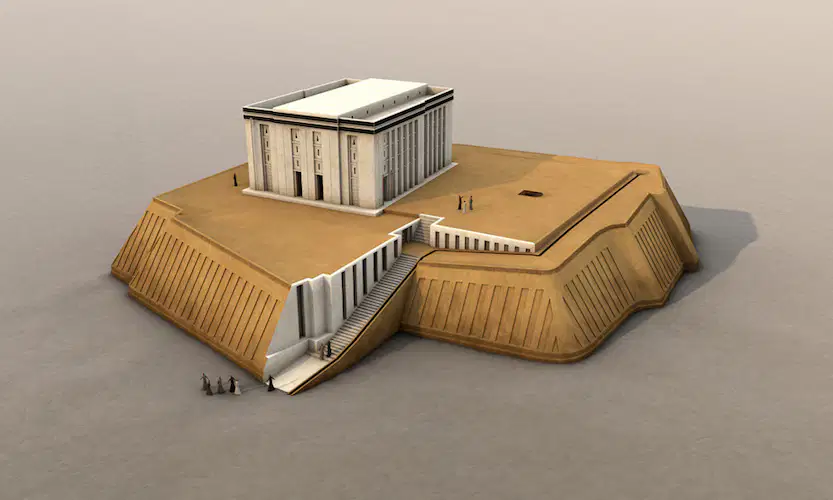
What is the approximate date range for the construction of the White Temple and its ziggurat in Uruk (modern Warka, Iraq)?
2500–2000 B.C.E.
3500–3000 B.C.E.
4000–3500 B.C.E.
3000–2500 B.C.E.

What material was primarily used in the construction of the White Temple and its ziggurat?
Stone
Wood
Mud brick
Metal

Which civilization is associated with the construction of the White Temple and its ziggurat?
Egyptian
Sumerian
Babylonian
Assyrian

What is the Palette of King Narmer primarily made of?
Limestone
Basalt
Greywacke
Sandstone

From which period is the Palette of King Narmer?
Old Kingdom Egypt
Ptolemaic Period
Predynastic Egypt
Middle Kingdom Egypt
What is depicted on the Palette of King Narmer?
A battle scene and hieroglyphics
Daily life in ancient Egypt
A religious ceremony
A map of the Nile

What material is primarily used in the construction of the Statues of votive figures from the Square Temple at Eshnunna?
Marble
Gypsum
Bronze
Wood
Which civilization is associated with the creation of the Seated scribe statue found in Saqqara, Egypt?
Roman
Sumerian
Egyptian
Greek

What materials are inlaid in the Standard of Ur from the Royal Tombs at Ur?
Gold and silver
Shell, lapis lazuli, and red limestone
Ivory and ebony
Copper and tin

From which period does the Seated scribe statue originate?
3100–2900 B.C.E.
2620–2500 B.C.E.
2100–1950 B.C.E.
1500–1300 B.C.E.
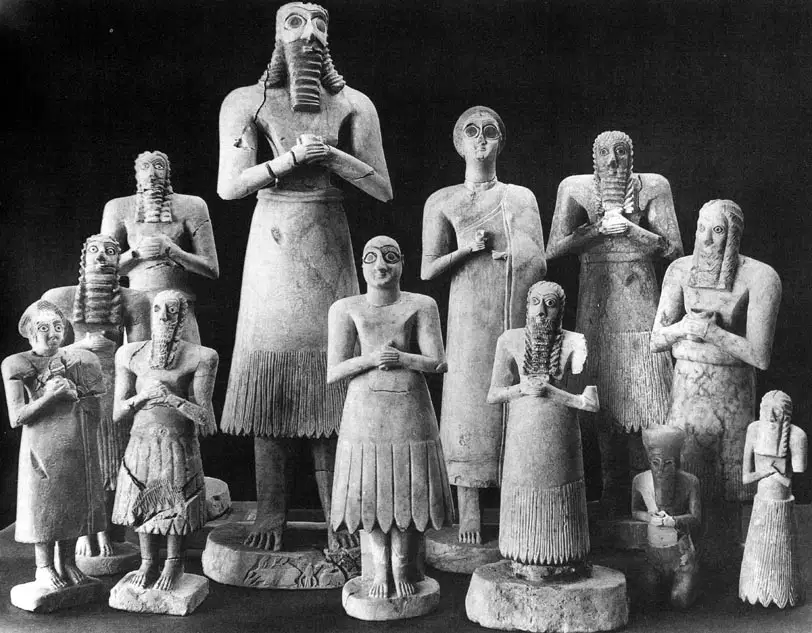
Identify the era during which the Statues of votive figures from Eshnunna were created.
3100–2900 B.C.E.
2700 B.C.E.
2100–1950 B.C.E.
1500–1300 B.C.E.
Which kingdom do the Great Pyramids of Giza belong to?
Predynastic
Old Kingdom
Middle Kingdom
New Kingdom

What type of stone was used to construct the Great Pyramids of Giza?
Marble
Sandstone
Limestone
Granite
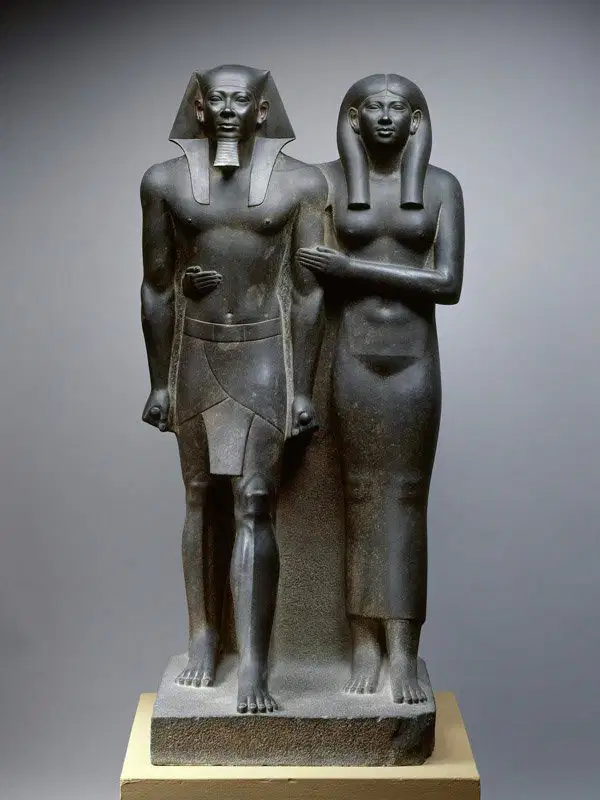
What material is the statue of King Menkaure and his queen made from?
Basalt
Granite
Limestone
Greywacke
From which ancient civilization does the Code of Hammurabi originate?
Egyptian
Babylonian
Greek
Roman

What is the architectural style of the Temple of Amun-Re and Hypostyle Hall located in Karnak, near Luxor, Egypt?
Gothic
Romanesque
New Kingdom Egyptian
Byzantine

What materials were used in the construction of the Temple of Amun-Re?
Limestone and marble
Granite and limestone
Cut sandstone and mud brick
Marble and granite

Identify the part of the Temple of Amun-Re shown.
Outer courtyard
Hypostyle Hall
Sanctuary
Pylon gateway

What material was primarily used in the construction of the Mortuary temple of Hatshepsut during the New Kingdom, 18th Dynasty?
Marble
Limestone
Sandstone
Granite

Which of the following best describes the Mortuary temple of Hatshepsut?
Fully constructed inside a mountain
Partially carved into a rock cliff
Built entirely on flat land
Constructed with wood and clay
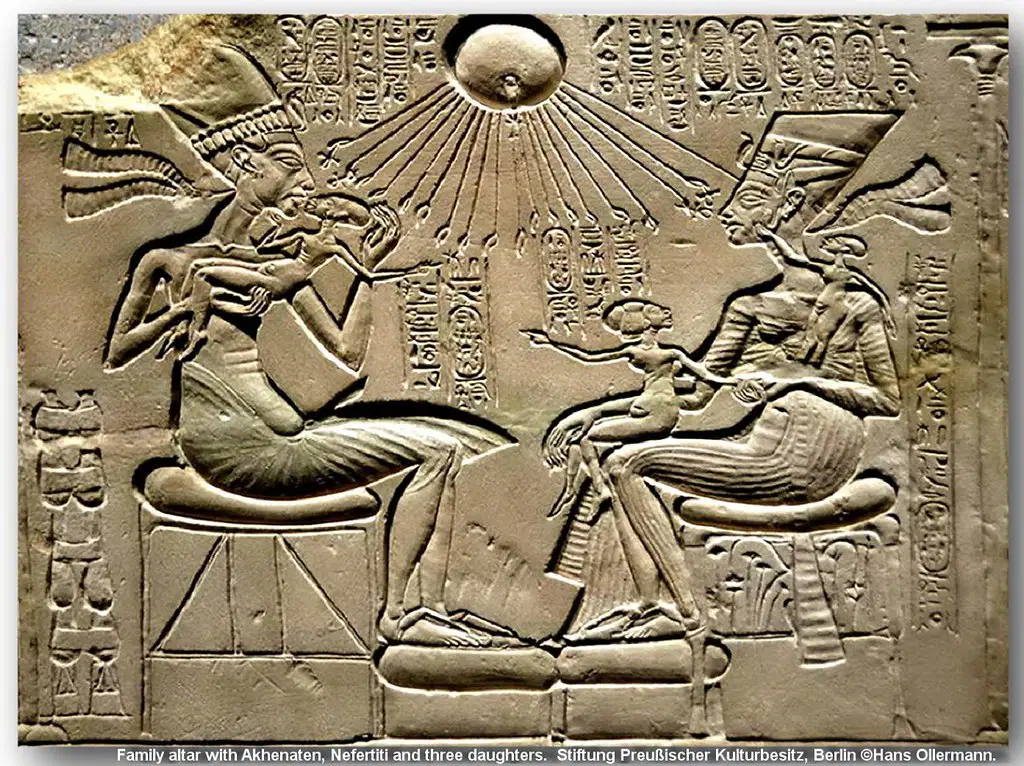
From which period is the artifact "Akhenaton, Nefertiti, and three daughters"?
Old Kingdom
Middle Kingdom
New Kingdom (Amarna)
Ptolemaic Period
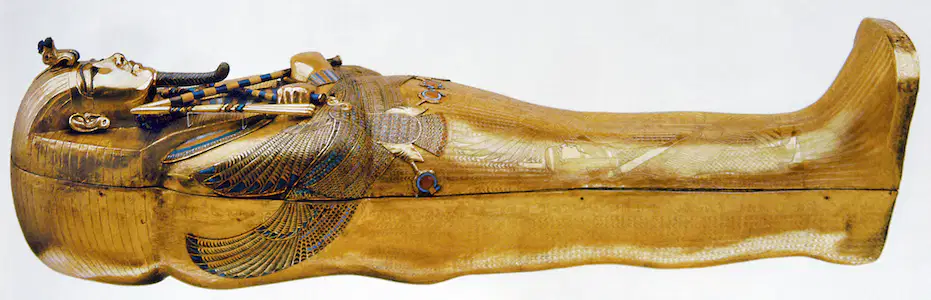
What is the primary material used in Tutankhamun's innermost coffin?
Bronze
Silver
Gold
Iron
Which of the following is not a feature of Tutankhamun's innermost coffin?
Made of limestone
Inlaid with enamel
Contains semiprecious stones
From the New Kingdom, 18th Dynasty

What period does the "Last Judgment of Hu-Nefer" belong to?
Old Kingdom
Middle Kingdom
New Kingdom
Ptolemaic Period

What is the material used in the construction of the Lamassu from the citadel of Sargon II?
Limestone
Marble
Alabaster
Granite
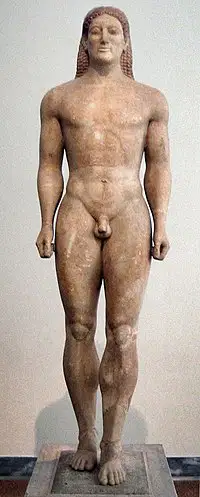
What is the characteristic feature of the Anavysos Kouros?
Bronze with gold leaf
Marble with remnants of paint
Limestone with hieroglyphics
Alabaster with mosaic inlays
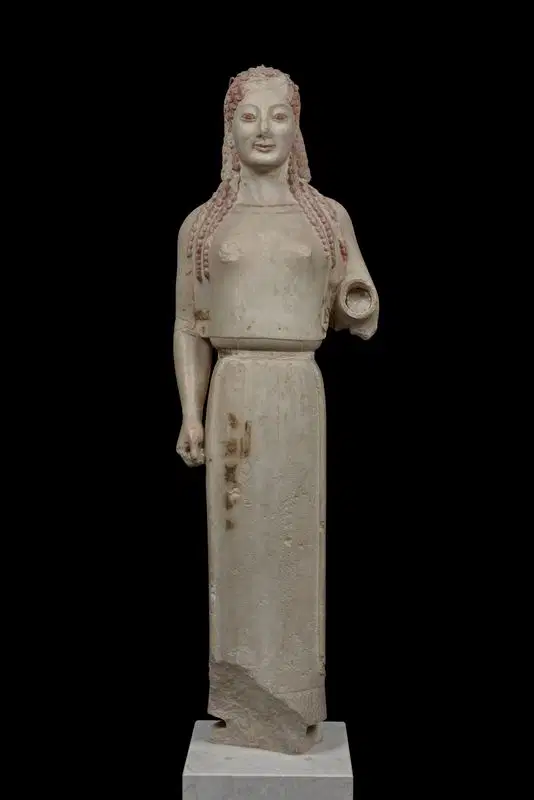
What material is the "Peplos Kore from the Acropolis" made of?
Wood
Bronze
Marble
Clay

From which period is the "Peplos Kore from the Acropolis"?
Classical Greek
Archaic Greek
Hellenistic Greek
Mycenaean Greek
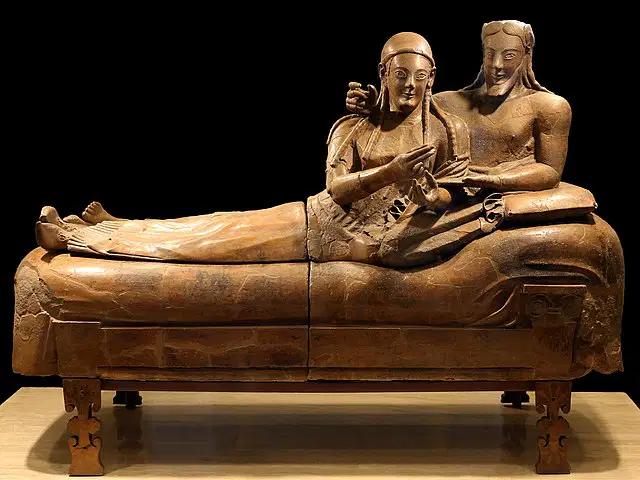
What is the "Sarcophagus of the Spouses" made from?
Marble
Limestone
Terra cotta
Granite
Which culture is associated with the "Sarcophagus of the Spouses"?
Greek
Roman
Etruscan
Persian

What is the location of the "Audience Hall (apadana) of Darius and Xerxes"?
Athens, Greece
Rome, Italy
Persepolis, Iran
Cairo, Egypt

What materials were used in the original construction of the Temple of Minerva in Veii?
Marble and limestone
Wood, mud brick, or tufa
Granite and sandstone
Concrete and plaster
What is the cultural origin and approximate date of the Tomb of the Triclinium?
Roman, c. 200–300 C.E.
Etruscan, c. 480–470 B.C.E.
Greek, c. 500–490 B.C.E.
Egyptian, c. 450–440 B.C.E.
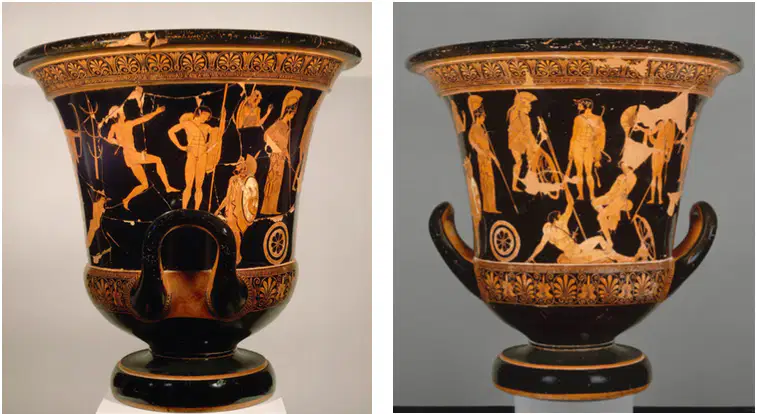
Which technique is used in the Niobides Krater by the Niobid Painter?
Black-figure technique
Mosaic art
Red-figure technique
Encaustic painting
What is the primary material used in the creation of the Niobides Krater?
Marble
Bronze
Clay
Wood

Who is the original creator of the sculpture "Doryphoros" (Spear Bearer)?
Praxiteles
Myron
Polykleitos
Phidias
What is the material of the original "Doryphoros" sculpture by Polykleitos?
Marble
Bronze
Wood
Clay
During which period was the "Doryphoros" by Polykleitos originally created?
500–450 B.C.E.
450–440 B.C.E.
440–430 B.C.E.
430–420 B.C.E.
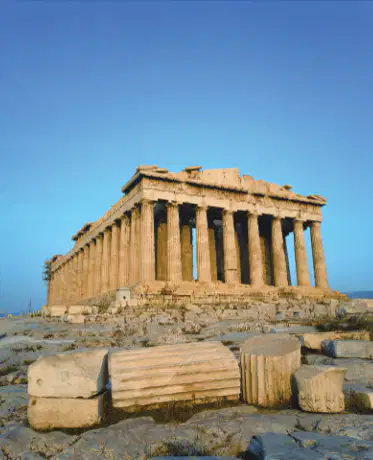
What is depicted in the image related to the Acropolis?
The Erechtheion
The Temple of Athena Nike
The Parthenon
The Propylaea
Who were the architects of the Acropolis in Athens?
Iktinos and Kallikrates
Phidias and Pericles
Mnesikles and Dexitheos
Hippias and Hipparchos

Which historical site is depicted in the image labeled "Temple of Athena Nike"?
Parthenon
Acropolis
Erechtheion
Temple of Hephaestus
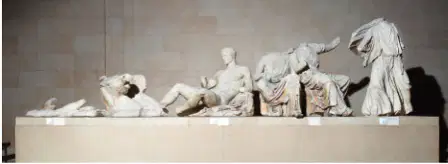
What is the subject of the sculpture shown in the image labeled "Helios, horses, and Dionysus (Heracles?)"?
A battle scene
A chariot race
Mythological figures witnessing the birth of Athena
A historical event

Identify the sculpture depicted in the image labeled "Victory adjusting her sandal".
Hermes
Athena
Nike
Apollo
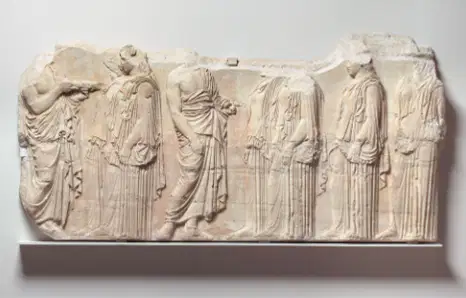
What does the "Plaque of the Ergastines" represent?
A legal document
A religious ceremony
A political event
An athletic competition

What is the approximate date of the Winged Victory of Samothrace?
410 B.C.E.
190 B.C.E.
175 B.C.E.
350 B.C.E.

Where was the Great Altar of Zeus and Athena originally located?
Athens, Greece
Pergamon, Asia Minor
Rome, Italy
Corinth, Greece
What type of material is primarily used in the sculptures the Winged Victory of Samothrace and the Grave stele of Hegeso?
Bronze
Wood
Marble
Limestone

What is the architectural style of the House of the Vettii in Pompeii, Italy, as described in the image?
Gothic
Baroque
Imperial Roman
Modernist
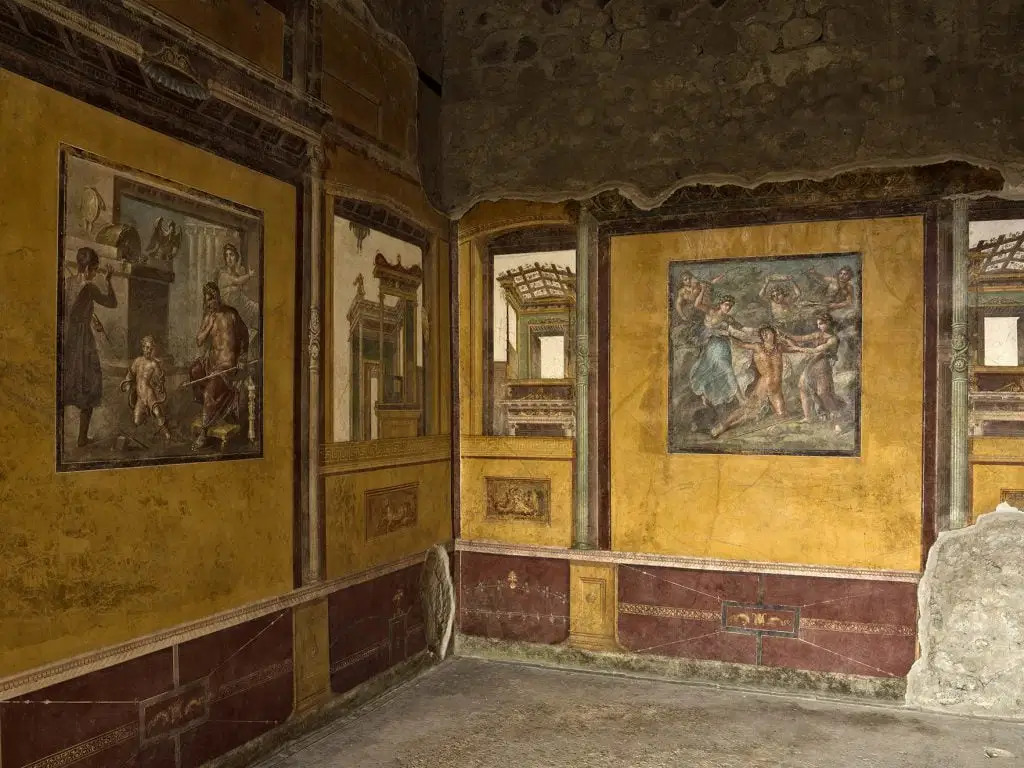
What materials were used in the construction of the House of the Vettii?
Wood and plaster
Brick and marble
Cut stone and fresco
Steel and glass
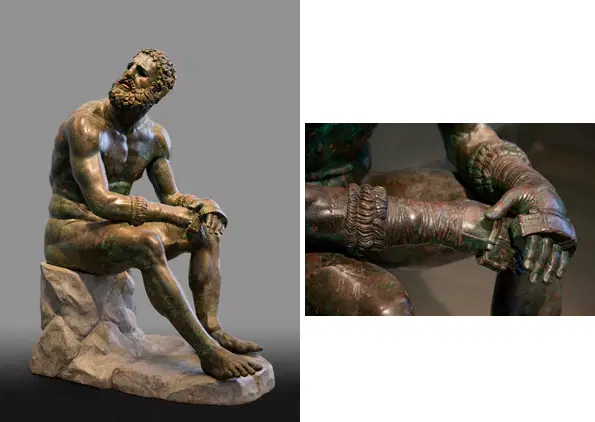
What material is the "Seated boxer" sculpture from Hellenistic Greek period made of?
Marble
Wood
Bronze
Terracotta

From which location is the "Alexander Mosaic" that dates back to around 100 B.C.E.?
House of the Vettii
House of the Faun, Pompeii
House of the Tragic Poet, Pompeii
House of the Silver Wedding, Pompeii

What material was used to create the "Augustus of Prima Porta" statue from the early first century C.E.?
Bronze
Wood
Marble
Granite

During which period was the "Colosseum (Flavian Amphitheater)" in Rome built?
50-60 C.E.
70-80 C.E.
90-100 C.E.
110-120 C.E.
Identify the architectural style of the Colosseum.
Gothic
Baroque
Imperial Roman
Modernist

Who was the architect responsible for the design of the Forum of Trajan in Rome, Italy?
Vitruvius
Apollodorus of Damascus
Gian Lorenzo Bernini
Michelangelo
In what years was the Forum and markets of Trajan constructed?
100–105 C.E.
106–112 C.E.
113–120 C.E.
90–95 C.E.
What materials were used in the construction of the Forum of Trajan?
Stone and wood
Brick and concrete
Marble and limestone
Granite and clay

What material was primarily used in the construction of the Pantheon as noted in the Imperial Roman period from 118–125 C.E.?
Marble
Wood
Concrete with stone facing
Brick

What is the distinctive architectural feature of the Pantheon's interior shown in the image?
Stained glass windows
A large central dome with an oculus
Gothic arches
Fresco paintings

From what material is the Ludovisi Battle Sarcophagus made, as indicated in the document?
Granite
Marble
Limestone
Sandstone

Which era does the Ludovisi Battle Sarcophagus belong to?
Early Imperial Roman
Late Imperial Roman
Middle Roman
Byzantine
What was a significant influence on Hellenistic art?
The conquests of Alexander the Great
The teachings of Socrates
The Roman Republic's expansion
The construction of the Great Pyramids
What theme became more prevalent in Hellenistic art compared to Classical Greek art?
Mythological battles
Everyday life
Geometric patterns
Political achievements
The Altar of Zeus at Pergamon is known for its:
Use of the Doric order
Depiction of the Olympian gods in battle
High relief frieze depicting the Gigantomachy
Minimalist aesthetic
The Hellenistic period in art history is generally considered to have lasted from:
323 BC to 31 BC
500 BC to 323 BC
31 BC to 476 AD
776 BC to 323 BC
Hellenistic art often depicted figures from:
Only Greek mythology
A wide range of social statuses
Primarily the upper class
Exclusively athletes and warriors
What is the Dome of the Rock, and where is it located?
A mosque in Istanbul, Turkey
A royal palace in Tehran, Iran
An Islamic shrine in Jerusalem
A historical site in Baghdad, Iraq
The Great Mosque of Isfahan is located in which country?
Saudi Arabia
Iran
Turkey
Egypt
What is the significance of the city of Petra in Jordan?
It was the capital of the Roman Empire.
It is known for its rock-cut architecture and water conduit system.
It was the birthplace of Muhammad.
It is the site of the ancient Library of Alexandria.

