
 Worksheets
Cell Transport Review
Total questions: 23
Worksheet time: 14mins

What process allows molecules to move across the membrane without the use of energy?
Digestion
Synthesis
Diffusion
Active transport
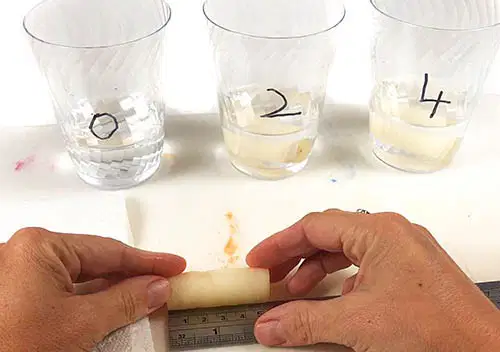
What happens to the average length of the potato cubes over time when placed in a salt solution?
The length increases over time.
The length decreases over time.
The length remains constant over time.
The length fluctuates inconsistently.
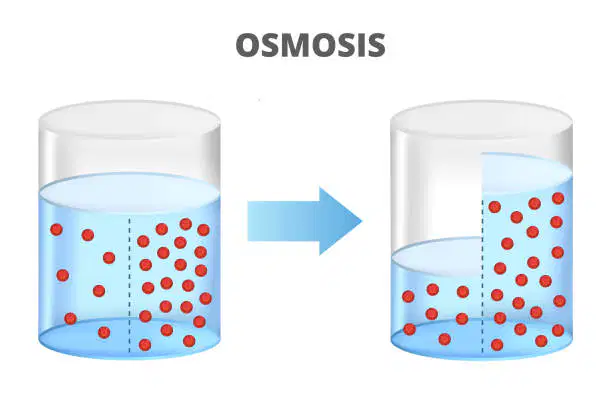
Which statement best explains the change in size of the potato cubes according to the experiment?
Water left the cube by the process of osmosis.
Salt left the cube by the process of osmosis.
Water entered the cube by the process of diffusion.
Salt entered the cube by the process of diffusion.
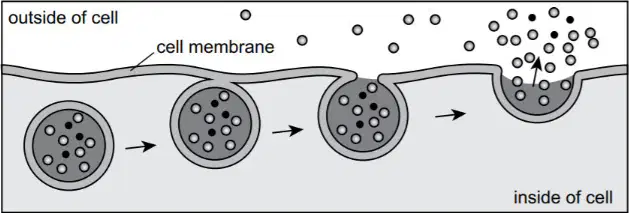
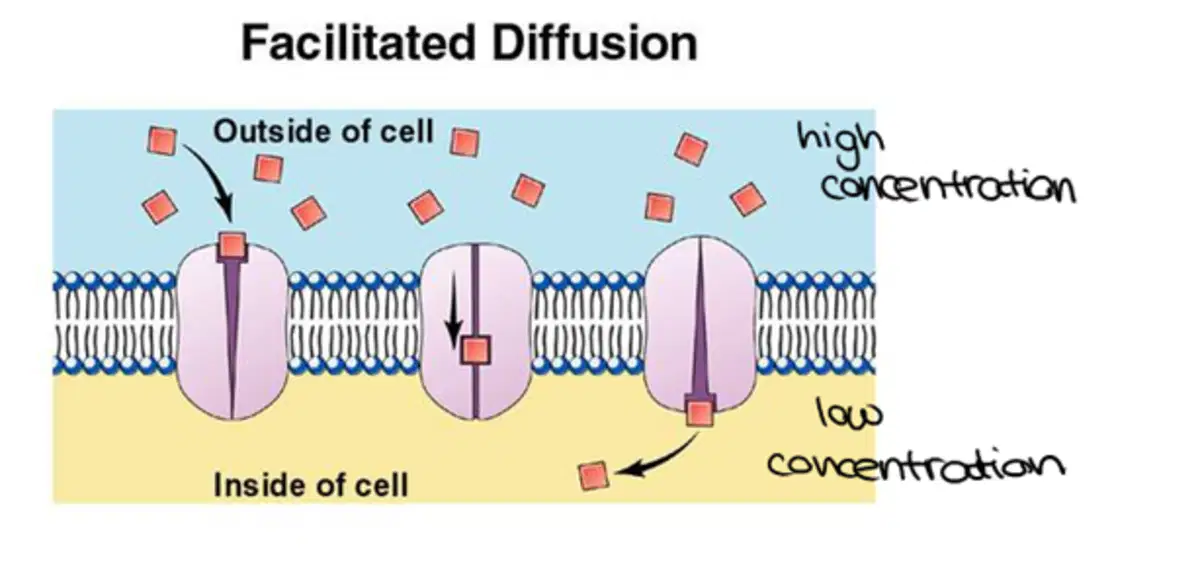
Which cell process is best modeled by the diagram?
Osmosis
Exocytosis
Passive transport
Facilitated diffusion
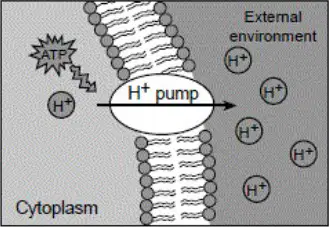
What process is the cell membrane carrying out as indicated by the arrow in the second diagram?
Respiration
Cell recognition
Diffusion
Active transport
Which activity can occur without the use of energy?
Contraction of muscle tissue
Protein synthesis in a cell
Active transport of minerals
Movement of water across a membrane
Which process requires cellular energy?
Diffusion
Passive transport
Active transport
Osmosis

Which transport mechanisms require the formation of a vesicle to transport material into or out of a cell?
Diffusion and osmosis
Exocytosis and endocytosis
Exocytosis and calcium pumps
Diffusion and facilitated diffusion

What caused the paper towel connecting the two beakers of water to turn green after adding blue and yellow dye?
Separation of the dye molecules through the process of chromatography
Dyes moving across the towel due to the process of electrophoresis
Diffusion of the blue- and yellow-dyed water across the towel
Active transport of the blue and yellow food dyes
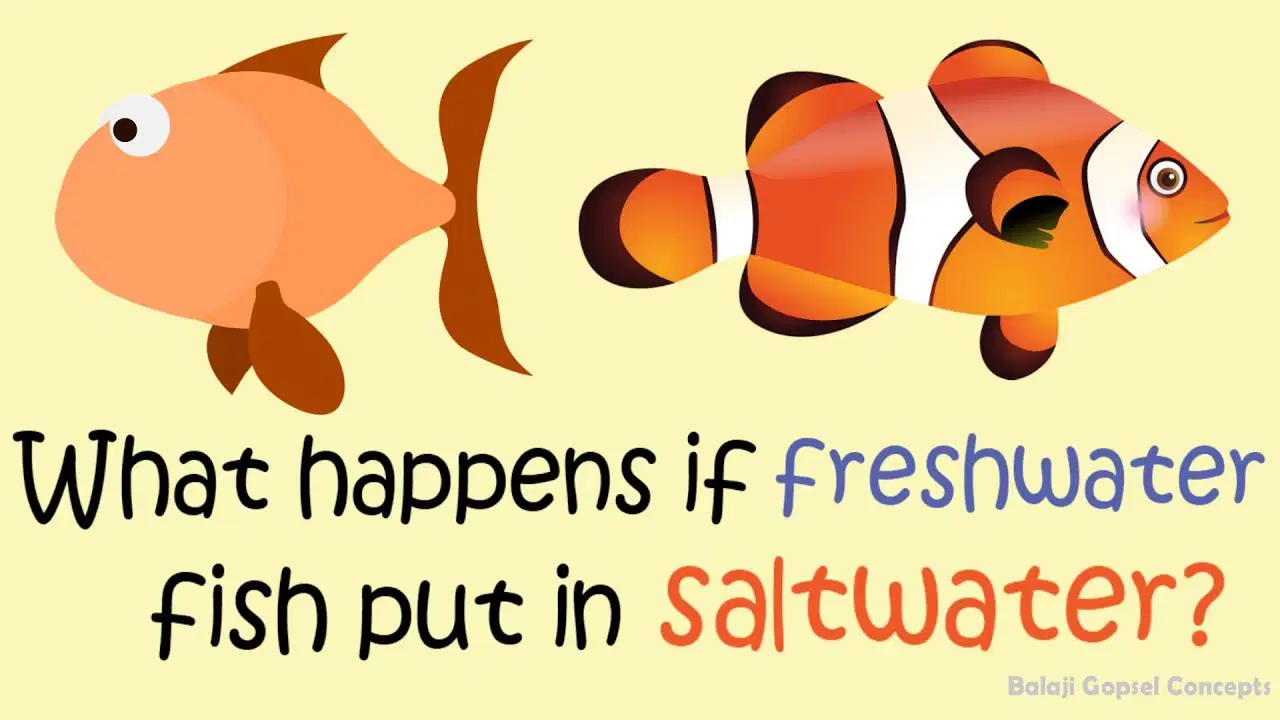
Why did the freshwater fish die shortly after being placed in the saltwater tank?
They became severely dehydrated due to the process of diffusion
They swelled up and died due to taking in too much water
They had no freshwater organisms to eat in the saltwater tank, so they died of starvation
They ate all of the plants in the tank, so there was no longer oxygen in the water
A characteristic common to both diffusion and active transport is that:
enzymes are required
oxygen is moved across a membrane
ATP is needed
the movement of molecules occurs


How are osmosis and diffusion similar processes?
A both move solute molecules
both move water molecules
they move low to high concentrations
both move high to low concentrations

Which type of active transport uses a vesicle to allow a large molecule to exit the cell?
Endocytosis
Exocytosis


The movement of materials that requires energy is called...
active transport
passive transport
massive transport
proactive transport

