
 Worksheets
How Do Earth and the Moon Move?
Total questions: 20
Worksheet time: 13mins

Earth spins around an imaginary line. Which of these words is the name for the imaginary line around which Earth spins?
axis
orbit
rotation
season

What causes day and night?
The Earths revolution.
The tilt of the earth on its axis.
The Earth's ROTATION on its axis every 24 hours

Earth does this around the sun once a year. It causes seasons.
revolution
axis
rotation
tide

Part of Earth is tilted towards the sun:
summer
winter
Part of Earth is tilted away from the sun:
summer
winter

The weather in the northern United States changes as the seasons change. Which of these kinds of weather do you see there only when that part of Earth points away from the sun?
hot and dry
mild and wet
cold and snowy
warm and stormy
What is a ROTATION?
When one object orbits around another object.
When one object spins around on its axis
When two objects move around each other

How long does it take Earth to make one REVOLUTION AROUND the Sun?
24 hours (one day)
365 days (one year)
11 days

The moon’s phases make up a cycle.
About how long does it take the moon to complete it's cycle?
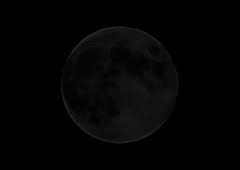
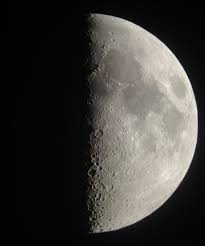

What moon phase is this?
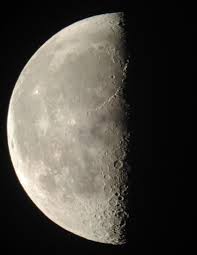
Third Quarter (Last Quarter)
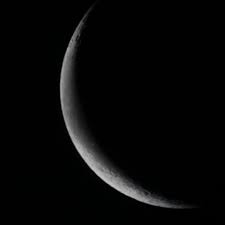
crescent
New moon
Half moon
No moon

The Moon doesn't have its own light. It reflects/gets it from the...
Ocean

Which is the correct order of moon phases?
new moon, first quarter moon, full moon, third quarter moon
small moon, big moon, half moon, no moon
full moon, new moon, third quarter moon
none of them

_______are daily changes in ocean water.
The pull of the moon’s gravity causes these changes.
Water
Tides
Colors
Earth

Look at this picture of the water cycle. What is happening in Step A?
(*** Heat causes water to change to water vapor.)
evaporation
condensation
precipitation
collection
Look at this picture of the water cycle. What is happening in Step B?
(***Water vapor condenses into tiny water molecules.)
evaporation
condensation
precipitation
collection
Look at this picture of the water cycle. What is happening in Step C?
evaporation
condensation
precipitation
collection

