
 Worksheets
NWEA Science <Organisms and Environments>
Total questions: 20
Worksheet time: 34mins
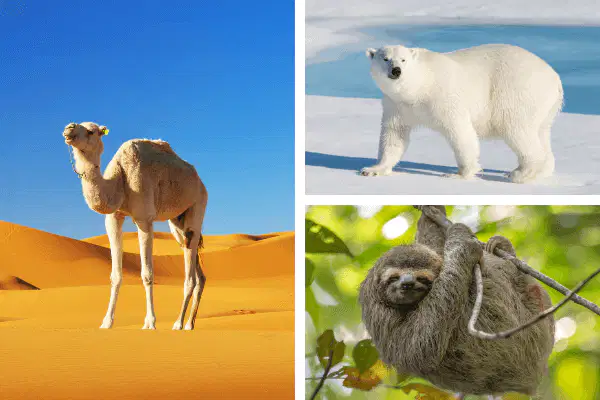
Certain body parts or behaviors that allow or help an organism to survive/thrive in their environment.
Adaptations
Function
Offspring
Webbed Feet
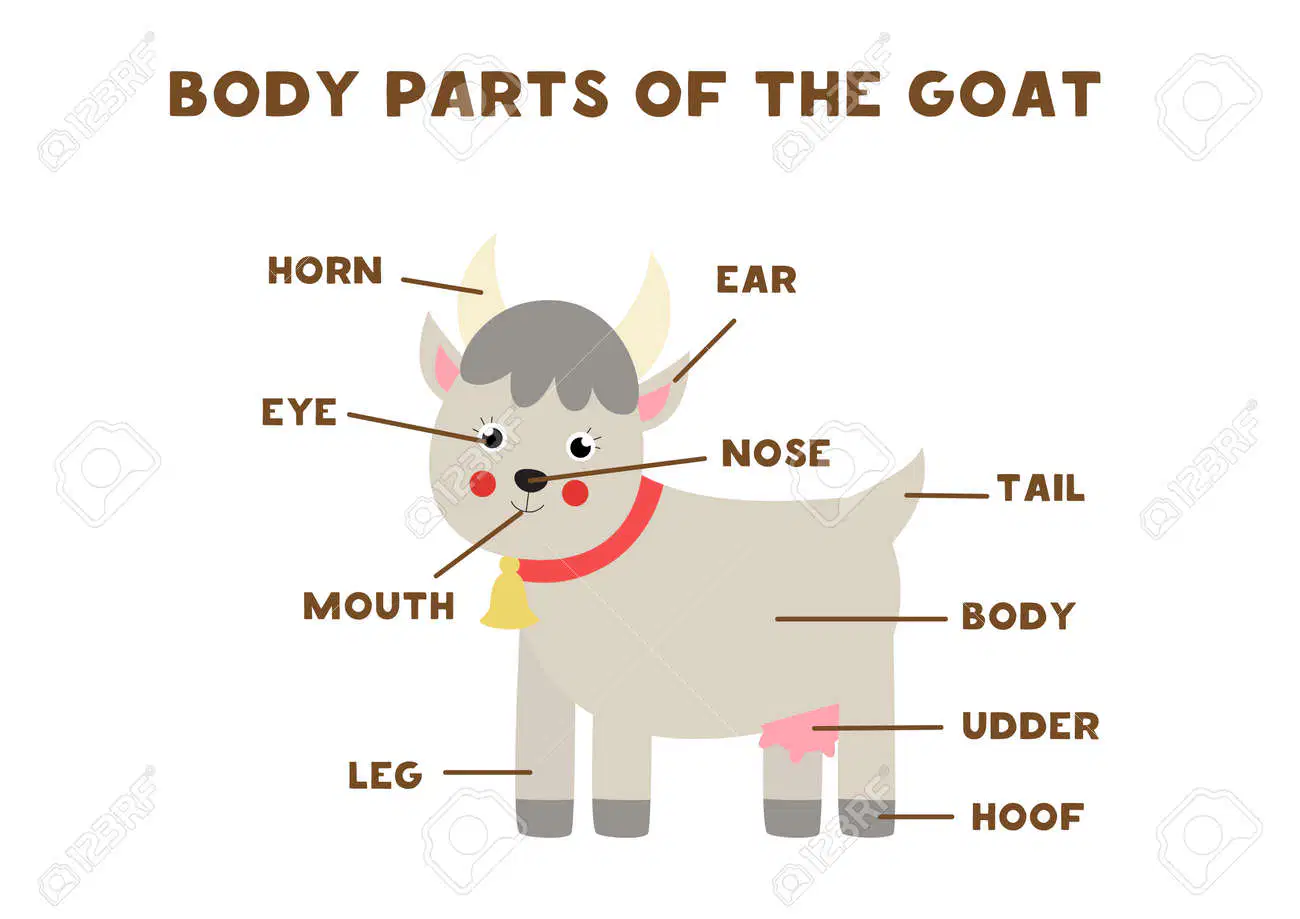
Organism's body part
Offspring
Structure
Function
mimicry
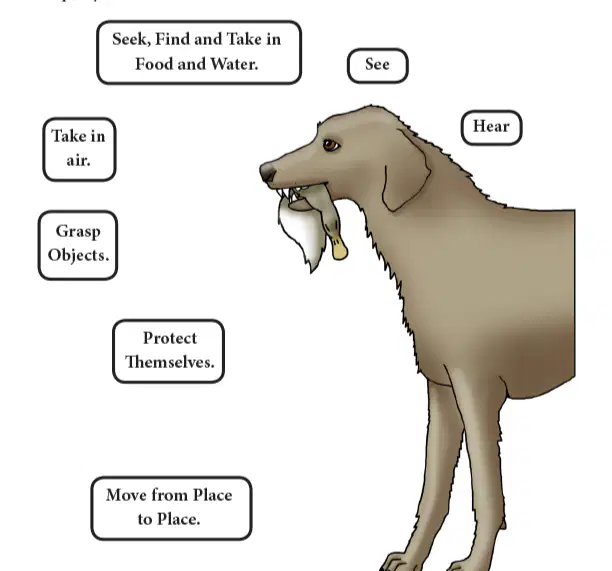
The job or purpose of the body part
Offspring
Structure
Function
Webbed Feet
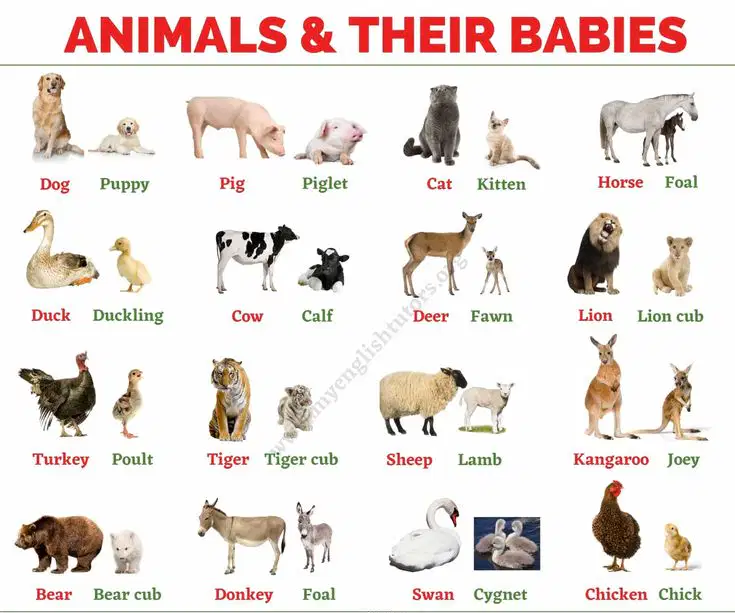
An animal's young (its baby)
Offspring
Function
Structure
Webbed Feet
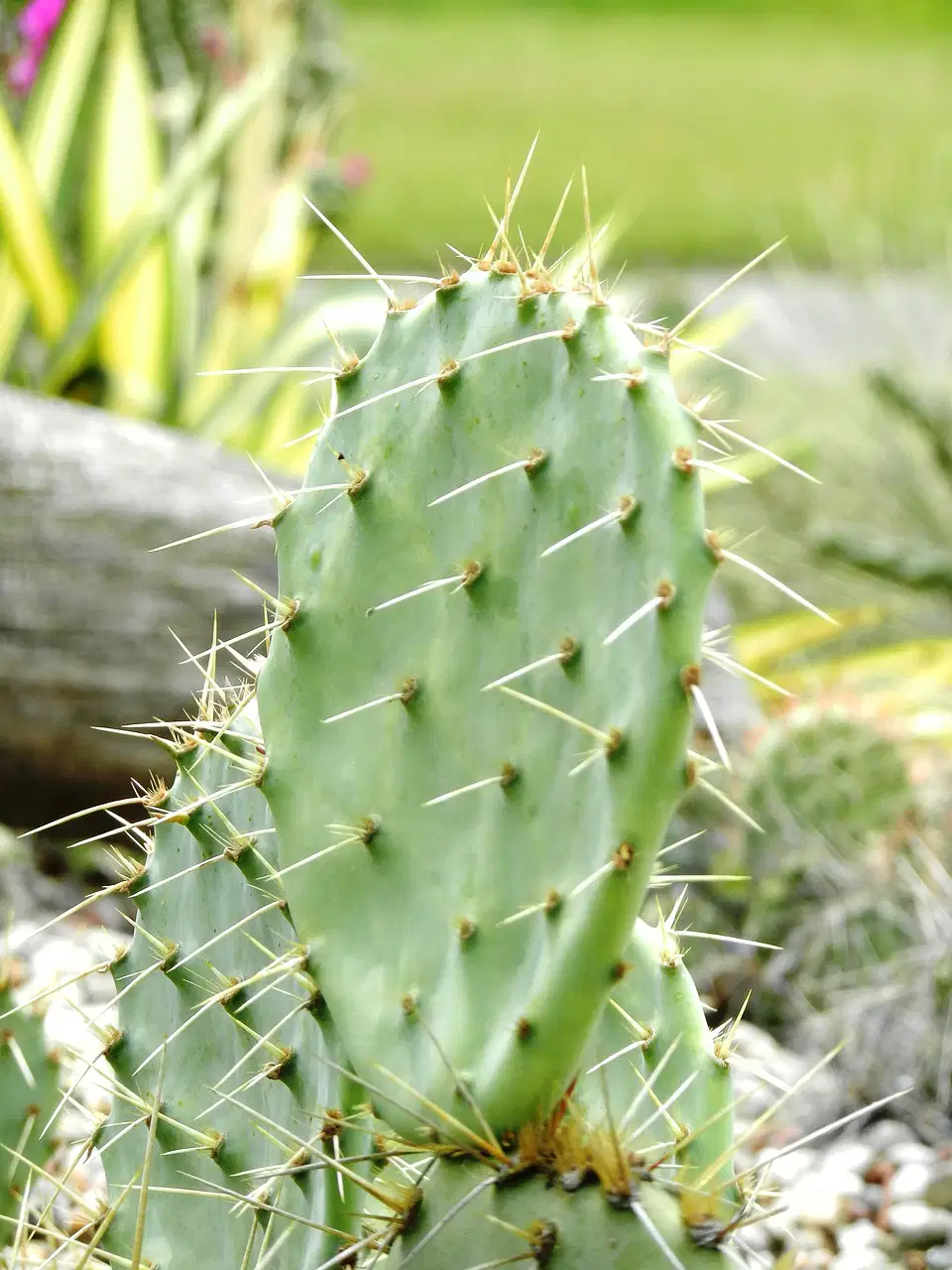
type of leaves that help plants to protect from the sun by preventing water loss and to protect from consumers.
talons
spines/needle like leaves
mimicry
waxy stem
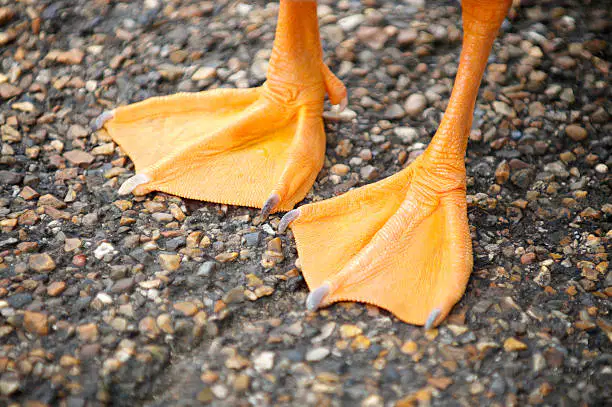
An adaptation that allows animals to swim in water environments
Webbed Feet
Camouflage
thorns
Offspring
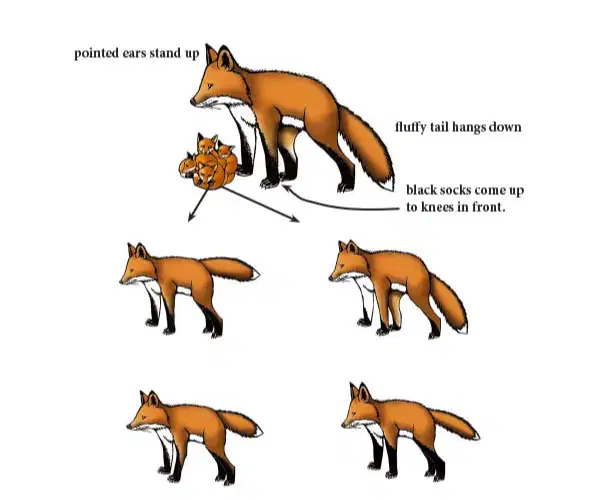
Physical characteristics passed from parents to offspring through their genes.
inherited trait
learned behavior
acquired
migration

Behaviors that are done without being taught, born knowing (Example: Fish Swimming)
learned behavior
migration
instinctive behavior
acquired
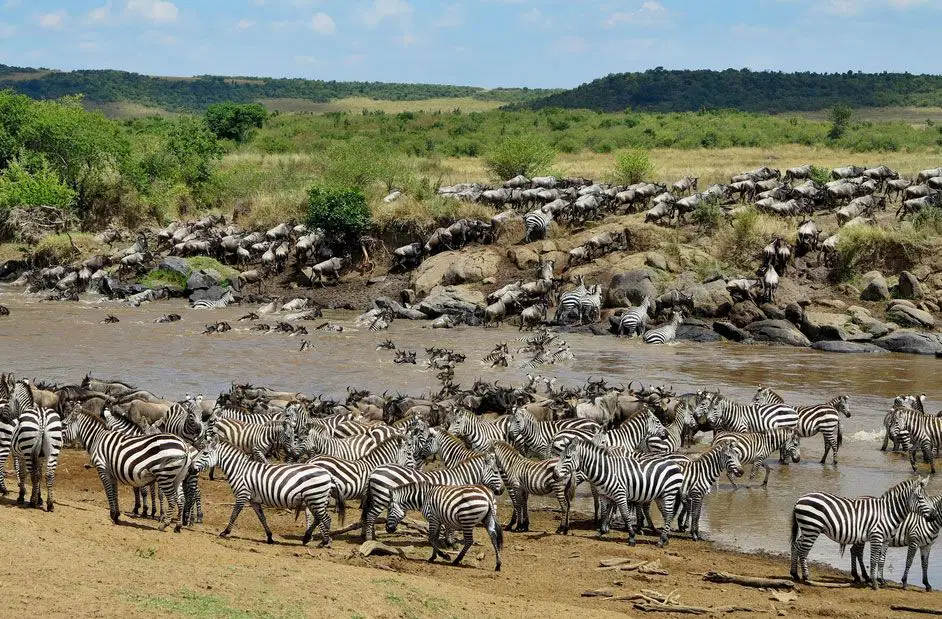
seasonal movement of animals from one region to another for survival. (instinctive behavior)
migration
hibernation
acquired
learned behavior

the condition or period of an animal or plant spending the winter in a dormant state (instinctive behavior)
acquired
learned behavior
hibernation
inherited trait

Which stage in the plant life cycle is where the plant reproduces using flowers or cones?
seed
seedling
adult or mature plant
pollination
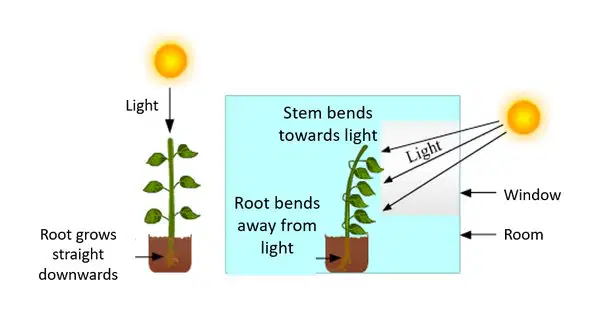
Plants respond to (a) when roots grown down and stems grow upward. Plants respond to (b) when they bend toward windows.

If seeds are planted too close together, they will (a) for things such as (b) .
Which structure is where the plant's food is made?
stem
roots
leaves
flowers
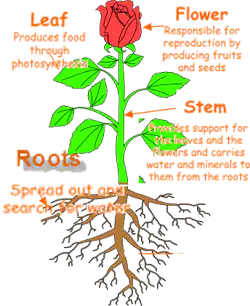
Click on all things that are true about a flowering plant. Select two (2) answers.
Have spores to continue the life cycle
Have flowers to attract pollinators
Produce seeds to continue the life cycle
Absorb water and sunlight
Click on all the ways a seed can be dispersed.
Wind can blow a seed.
Roots gathering seeds.
Stems carrying seeds.
Animals eating seeds and depositing them elsewhere
Seeds floating on water.
Click on all of the stages of a plant life cycle.
Egg
seed
seedling
mature plant
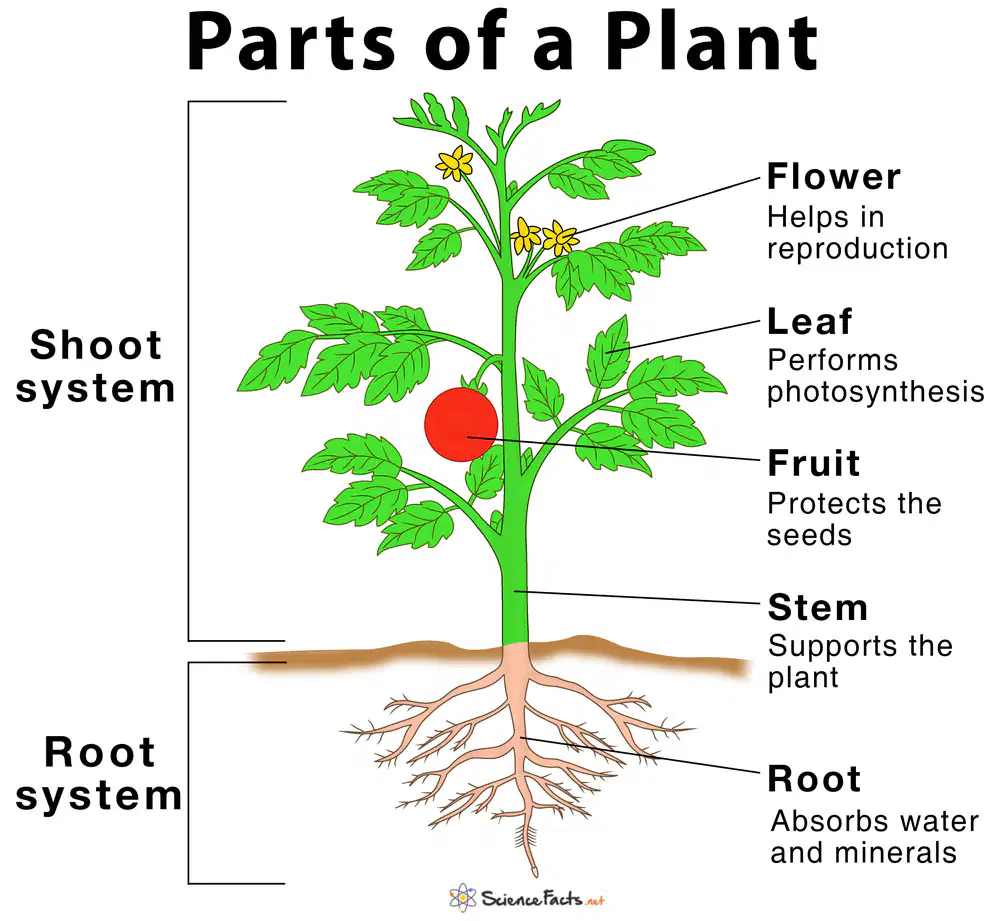
Which of the following absorbs sunlight for the plant?
roots
stem
leaves
flowers
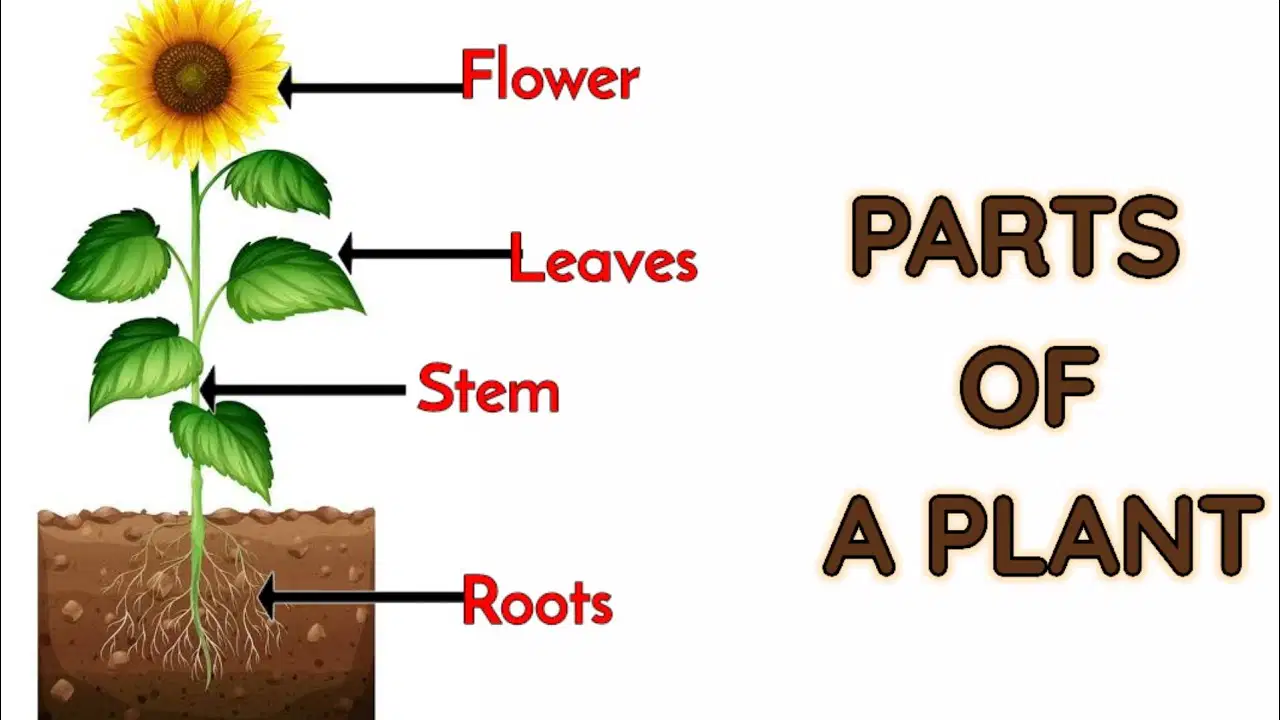
These are often brightly colored and attract pollinating insects.
roots
stem
leaves
flowers
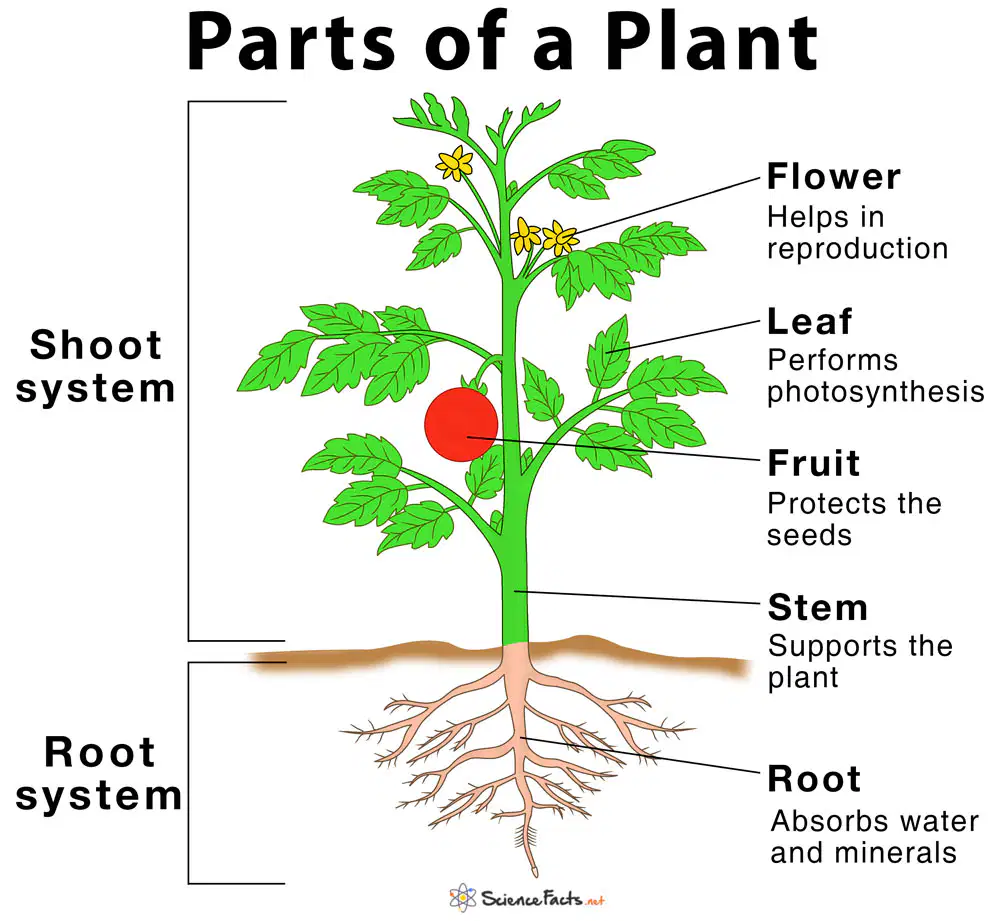
These hold the plant in place and take in water and nutrients.
roots
stem
leaves
flowers

