
 Worksheets
COMMUNICATION SKILLS - I NEW VERSION
Total questions: 57
Worksheet time: 34mins
The four elements of communication are:
Message, sender, receiver and feedback
Sender, message and receiver
Message, feedback, verbal and nonverbal
Books, television, computers and radio
Having a face-to-face conversation with your friend is an example of what type of communication?
Intrapersonal communication
Interpersonal communication
Small group communication
Public communication
The message is __% body language
7
38
55
6
To convert a message into groups of words symbols gestures or sound that present ideas for concept is called
Encoding
Feedback
Noise
Media richness
Feedback is the receivers response to the sender's message
True
False
True or False: Communication is more than just talking face to face?
True
False
What is Body Language?
Postures, gestures, and facial expressions.
The exchange of information through the use of words.
Your words say one thing but your body language say another.
Speak from your point of view.
The exchange of information through the use of words or actions is
Active listening
Body language
Communication
Aggressive
Which of the following is considered a speaking skill?
Make clear, simple statements
Paying attention
Rereading your words before you send a message

Two types of communication are:
Verbs and Nouns
Verbal and information
Verbal and non-verbal
Happy and sad
Which of the following is considered a listening skill?
Thinking before you speak
Writing clear, simple statements
Paying attention

An example of verbal communication is:
Phone conversation
Posture
Eye contact
Writing an email
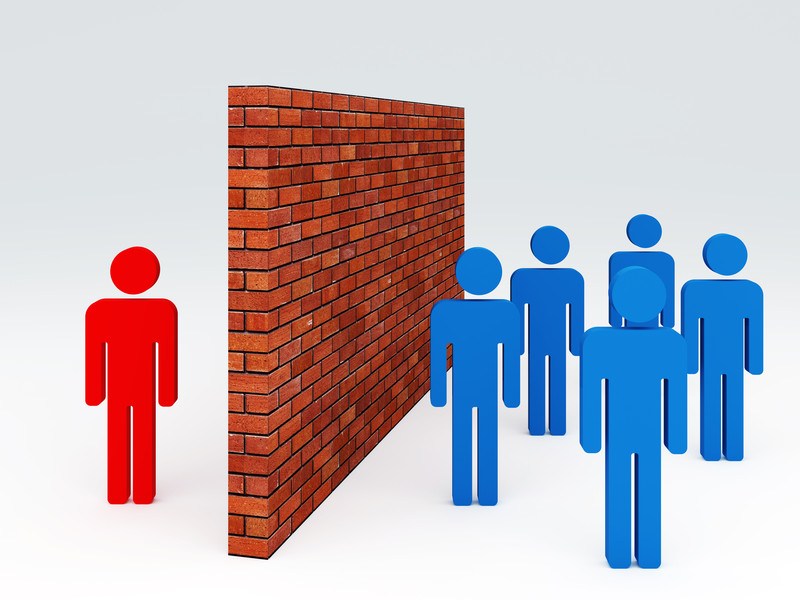
Which of the following is a barrier to communication?
Message is not clear
Not listening
Lack of language skills
All of the above

A good, clear speaker…
Understands what he/she wants to say
Considers the audience and the setting
Checks to assure understanding, and listens to responses
All of the above

We communicate by:
Speech (Telephone call, conversations, etc)
Visuals (Body language, facial expressions)
Writing (Letter, emails, newsletters, etc)
All of the above

Includes gestures, facial expressions, and body positions
Feedback
Verbal Communication
Dance
Non-Verbal Communication

The use of sounds and words to express yourself
Non-Verbal Communication
Customer Service
Interpretive Dance
Verbal Communication
What body language shows you are listening?
Turning away from speaker
Nodding and making eye contact
Looking out the window
How many ways are there to communicate?
1
2
3
4
How can a person correctly communicate?
Speaking
Texting
Phone
All of the above
Facial expression are a part of what?
Gestures
Sign Language
Body Language
____ occurs when a listener lets a speaker know that he or she is trying to understand the message being delivered.
Criticism
Interjection
Communication
Feedback

From the image the brain’s ability to make sense of what
we see through our eyes is _______.
Visual Perception
Prejudice
Feelings
Communication
The four elements of communication are:
Message, sender, receiver and feedback
Sender, message and receiver
Message, feedback, verbal and nonverbal
Books, television, computers and radio
In a communication system, which among the following originate and accept messages in the form of data, information, and/or instructions?
Communication channels
Sending and receiving devices
Connection devices
Data transmission specifications
Which of these are examples of positive feedback ?
Excellent, your work has improved
I noticed your dedication towards the project
You are always doing it the right way
All of the above
When we communicate, the words we speak make up only what percentage of how we interpret messages?
7%
17%
27%
37%
A barrier causes communication to be successful.
True
False
All are barriers of communication except:
Engagement
Personal
Cultural
Environmental
An example of active listening is:
Talking to a friend while the teacher is talking
Maintaining eye contact with a boss
Looking past your friend as they speak to you
Interrupting a presentation
What is an example of written communication methods?
Log patient history in computer system
Texting boss to ask for sick day
Recording a patient's symptoms on paper
speak face-to-face with patient about sickness
What is prejudice?
a preconceived opinion not based on reason
sympathy or indulgence for beliefs
equal treatment despite race
An anesthetist plays a radio loudly while preoperative care is discussed. What barrier is most expressed?
Physical
Cultural
Personal
Environmental
What is an example of a cultural barrier?
Loud music plays as nurse talks to patient
A pharmacy is not wheelchair accessible
Deaf child struggles to form sentences
Women doesn't make eye contact due to religion
Something that concerns, involves, draws the attention of, or arouses the curiosity of a person is:
Abilities
Degree
Interests
Values
What is communication without words?
Sign language
Non-verbal communication
Gestures
Telepathy
_____________ is the person who notices and decodes and attaches some meaning to a message.
Receiver
Driver
Sender
None of these
Which of these are examples of negative feedback?
I hate to tell you this but your drawing skill is poor.
You can surely improve your drawing.
None of the above
These are good drawings but you can do better.
What is Body Language?
Postures, gestures, and facial expressions.
The exchange of information through the use of words.
Your words say one thing but your body language say another.
Speak from your point of view.
Communication is a non stop______________.
Process
Programme
paper
plan
Message is any signal that triggers the response of a _________
Receiver
Sender
driver
cleaner

An example of non-verbal communication is:
Eye Contact
Telephone conversation
Sleeping
Face-to-face conversation
The following are the 7C's of communication: Concreteness, Courtesy, correctness, Clarity, Consideration, Conciseness and Creativity
True
False
_______ implies there are no grammatical errors.
Correctness
Conciseness
Concreteness
_______ emphasizes on avoiding complex phrases and enhances the meaning of the message.
Completeness
Correctness
Clarity
Good listening skills include:
a message, a sender, and a reveiver.
labeling, cultural sensitivity, and talking slowly.
verbal message, written communication and a receiver
showing interst, hearing the message, and not interrupting
________ skills are those skills which are needed
to speak and write properly.
Communication
Life
Soft
Social
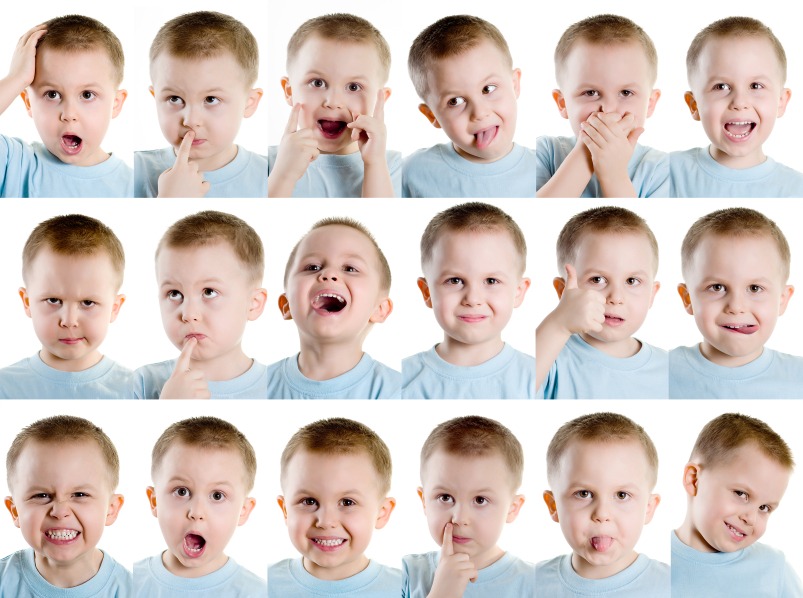
Communication without words is called
Silent speaking
Verbal communication
Nonverbal communication
Interpersonal communication
Examples of correctly using speech and volume skills include...
Giving the right info, speaking at the right volume, and articulating your words.
Speaking softly, use long pauses, and positive facial expressions.
Keep eye contact, speaking loudly, and using the right language.
Hold your head high, yell all your words, and keep your eyes closed.
Juan is drumming his fingers on the table while his mother gives him directions for cleaning the house. This gesture communicates
worried
impatience
contempt
disgust
When asked if she was cheating during the test by her teacher, Kim looks down at the floor. What is her body language communicating?
fear
sadness
guilt
concealing something
John bites his fingernails but only in the presence of his coach. What is his body language communicating?
sadness
insecurity
fear
anger
Which of the following is a barrier to communication?
Message is not clear
Not listening
Lack of language skills
All of the above

