
Font size
 Worksheets
WHAP Unit 5 Quiz
Total questions: 45
Worksheet time: 34mins

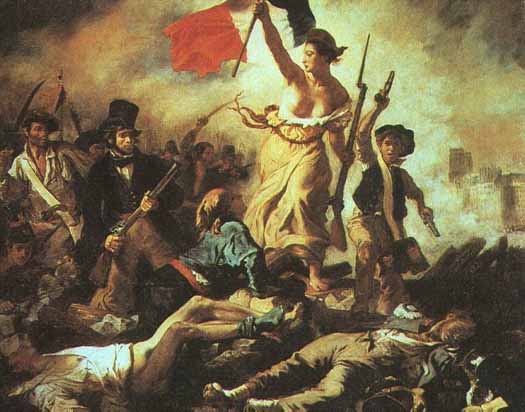
The Haitian Revolution was influenced mainly by which revolution?
French
American
Spanish American
Russian
Which of the following wars helped to inspire the French Revolution?
The American Civil War
The French and Indian War
American Revolution
The Seven Years War
Which of the following would best describe a "nationalist"?
A citizen who always votes
An employee of the federal government
A person who fights to establish an independent government for their nation
A person who wants to preserve a strong economy for their country

Elizabeth Cady Stanton wrote the Declaration of Sentiments which was presented at the First Women's Convention in Seneca Falls. Stanton changed the words in this document to say that
" all men are created equal"
"all men and women are created equal"
"all men and women can attend conventions from this day forward"
"all women have the right to vote"

Where was the first Women's Rights Convention held in 1848?
Dallas, Texas
Seneca Falls, New York
Philadelphia, Pennsylvania
Nashville, Tennessee

"The aim of every political association is the preservation of the natural and imprescriptible rights of man. These rights are liberty, property, security and resistance to oppression."
-Declaration of the rights of Man and of the Citizen, 1789
Which philosopher best upholds the ideas expressed in the document above?
Montesquieu
Wollstonecraft
Locke
Hobbes
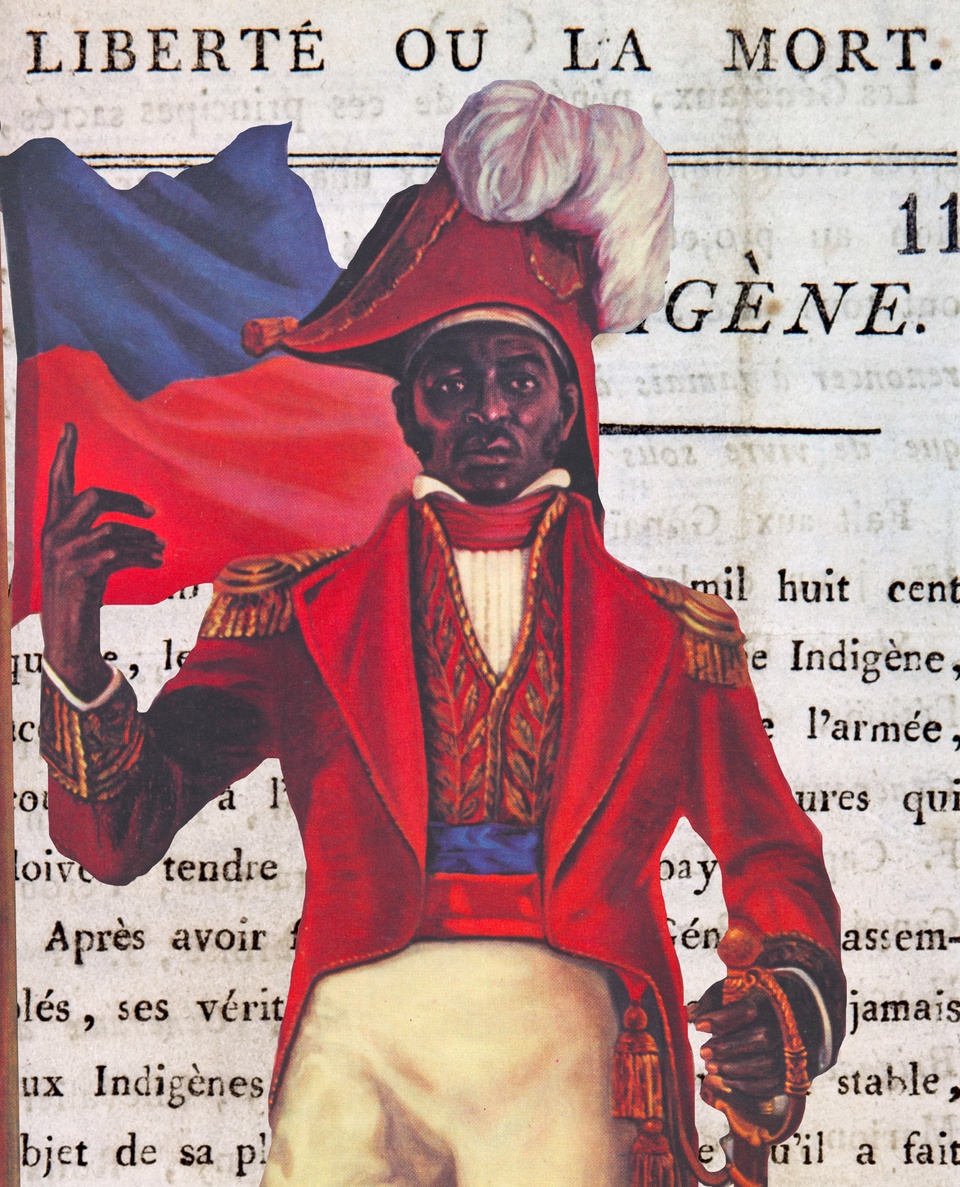
As a result of the Haitian Revolution, Haiti created the first ever
black monarchy
black dictatorship
black republic
black oligarchy
John Locke believed that all people had:
Natural Rights
Individual rights
Some rights
"I may not agree with what you say, but will defend to the death your right to say it."
Voltaire
Montesquieu
John Locke
Rousseau
System of checks and balances should limit the governments power.
John Locke
Montesquieu
Rousseau
Voltaire

Who led the successful slave revolt on the island of Haiti in beginning in 1791 ending in 1804?
Toussaint L’Overture
Jose de San Martin
Father Miguel Hidalgo
Simon Bolivar
writing which had the purpose of outlining Bolivar's philosophical and political ideals for Latin America
Jamaica Letter
Tanzimat Reforms
Franco Letter
Declaration of the Rights of Man and Citizen
Proclamation of 1763
Which nation was the first to industrialize?
Britain
France
Germany
Japan
Select ALL of the following that characterized the Second Industrial Revolution.
Oil
Electricity
Steam
Steel
Select ALL of the accurate social effects of the Industrial Revolution.
Poor working and living conditions for the lower class
Increased standard of living for middle and upper classes
Lower class families working closer together in their homes
More accessible and cheaper goods
As countries embraced Adam Smith's capitalism laissez-faire policies, what new forms of business were promoted? Select ALL that apply.
corporations
monopolies
socialism
transnational businesses
Toussant L'Ouverture
was a member of the Committee of Public Safety under Robespierre
rose to the rank of General under Napoleon
was a complete revolutionary failure
helped free slaves in Haiti

Some of the machines invented in the 18th and 19th centuries are:
telephones, geographic positioning system, radios, airplanes
steam engine, railroads, flying shuttle, phonograph, steam ships, light bulb
sailboats, automobiles, wheel barrels, clocks, word processors
automatic washer, hair dryer, rockets, space shuttles

Select ALL of the following that are considered an impact of industrialization during the 18th and 19th centuries.
Increased competition between industrialized nations
Rise of global inequalities
Transformation of society.
Decolonization of Africa

Capitalism is
An economic system in which the means of production are privately owned and money is invested to make profits.
An economic system in which the means of production are owned by the public (government) and operate for the welfare of all.


Under the Tokugawa Japan was
a major trading nation
rapidly industrializing
bankrupt
isolated

Commander Perry is connected to
the opening of Japan for trade
the attack on China during the Opium wars
Russia's rapid growth as a power
the defeat of the Napoleon
What effect did specialization of labor have on the workplace?
It led to more unskilled labor in factories
It led to more skilled labor in factories
The high proportion of women and children among the workers in the textile industry is best seen in the context of the
low wages of workers in industrial societies
resistance of older male workers to being displaced by younger workers
guild regulations and traditional restrictions on labor practices
decrease in family size associated with greater income
What did Karl Marx argue for?
for workers to become indebted to corporations and enter a labor contract
Private businesses could still exist, but needed to treat workers better
for workers to seize the means of production and end class divisions
Governments should use colonies to make as much money as possible
Which was not an impact of the industrial revolution?
Industrialists overworked and underpaid workers in dangerous environments
People worked to have better worker's conditions through labor unions
Older empires like the Ottomans, Qing, Russia, were forced to modernize
More children received quality educations while their parents worked
How did improved agricultural productivity lead to industrialization?
Nutrition improved, which allowed people to work longer hours in factories
Less labor was needed on farms, so people moved to work in factories
Farmers build textile factories on excess land
Governments taxed farmers more to build factories
How did industrialization affect colonies like India and Egypt?
It led to decline in these countries' share of global manufacturing
It led to increase in these countries' share of global manufacturing
Laissez-faire means
more government involvement in business
government should stay out of business
government should control all of the prices
government should control workers salaries

