
 Worksheets
Honors Earth Science Final Exam
Total questions: 110
Worksheet time: 3hrs 10mins
What is the solar system?
The sun
The planets
The sun and planets ONLY
The sun, planets, and all other objects that orbit the sun
Which planet is the closest to our sun?
Mars
Earth
Mercury
Venus
Which planet is the farthest away from our sun?
Mars
Jupiter
Neptune
Uranus
Is Pluto still considered a planet?
Yes, Pluto is still a planet because it still orbits the sun
Yes, Pluto is considered a planet because it is big enough to be a planet
No, pluto is not considered a planet because it is too small, and it its orbit is affected by another star
No, because pluto does not have any moons.
Our Solar System_________
Is an arrangement of 8 planets that are very close together
Has 8 planets, but is mostly empty space
Has 9 planets that are very close together
Has 9 planets and is mostly empty space
T/F: The definition for what a planet is has never changed
True, what makes a planet a planet has always been the same
False, the standards for what makes a planet a planet has changed several times
Why do scientists use scale to study the Solar System?
The solar system is too large to study without using scale
The solar system is too small to study without using scale
Scientists don't need to use scale because we have satelites
All of the above
Where does the moon get its light from?
The moon makes its own light
The moon gets light from Earth
The Moon gets light from the sun
None of the above

Which are the four terrestrial planets? (a) (b) (c) (d)


Earth

Mars

Saturn

Jupiter

Sun

The Solar System contains
8 planets
milky way
the universe
4 rocky planets and 4 gas planets
What is the largest planet?
Jupiter
Saturn
Uranus
Neptune
Pluto and Ceres are both dwarf planets found in our solar system.
True
False
Which planet's average temperature make it the hottest planet in the solar system?
Mercury
Venus
Earth
Mars
How do the sizes of the inner planets (4 closest to the sun) compare to the sizes of the outer planets (4 farthest from the sun)?
The inner planets are larger.
The outer planets are smaller.
There is no size difference between the inner and outer planets.
The inner planets are smaller.
Describe how the distances between the orbits of the inner planets (1st four from the sun) compare to the distances between the orbits of the outer planets (four farthest from the sun).
The distances between orbits of the outer planets are much smaller.
The distances between orbits of the outer planets are much larger.
The distances between orbits of the inner planets are much larger.
There is no difference between the distances of the orbits of the inner planets and the outer planets.

This model shows...
the size differences among the planets accurately.
the distances between the planets accurately.
both the sizes of the planets and the distances between them accurately

Which planet in the Solar system orbits the sun in the shortest amount of time?
Mercury
Earth
Jupiter
Neptune

If you were going to make a scale model of the Solar system what planet should be the second largest?
Jupiter
Saturn
Earth
Uranus

What planets year (Period of Revolution) is shorter than its day (Period of Rotation)?
Venus
Jupiter
Earth
Uranus
One similarity between asteroids, comets and meteoroids is that they all:
are made of the same materials
come from the Asteroid Belt
have long tails that follow behind them
orbit the sun
According to Newton’s second law of motion, force is equal to mass times ______________________.
inertia
weight
acceleration
direction

The picture is an example of Newton's...
1st Law
2nd Law
3rd Law


A chunk of rock that enters Earth's atmosphere and produces a streak of light in the sky.
Meteoroid
Meteor
Meteorite
Comet
A chunk of rock that is not burned up by the atmosphere and hits Earth's surface.
Meteoroid
Meteor
Meteorite
Comet
A chunk of rock or dust in space that comes from an asteroid or comet.
Meteoroid
Meteor
Meteorite
Comet
A rocky object that revolves around the sun, but is too small to be considered a planet.
Meteor
Comet
Asteroid
A chunk of ice and dust whose orbit is usually a long, narrow ellipse
Meteoroid
Comet
Asteroid
Meteor
As a comet approaches the sun, the gas and dust heat up and ____________________________.
form a fuzzy coma.
stream outward forming tails.
disappear.
shrink.
The asteroid belt passes between the orbits of which two planets?
Earth and Mars
Mars and Jupiter
Jupiter and Saturn
Saturn and Uranus
A doughnut-shaped region of comets that extends from beyond Neptune's orbit to about 100 times Earth's distance from the sun.
Kuiper Belt
Asteroid Belt
Oort Cloud
Milky Way
A spherical region of comets that surrounds the solar system out to more than 1000 times the distance between Pluto and the sun.
Kuiper Belt
Asteroid Belt
Oort Cloud
Milky Way
Which objects are smallest?
Meteoroids
Asteroids
Comets
Label the four Jovian planets, also known as gas giants or ice giants.

Match the following:
A
Mercury
B
Neptune
C
Earth
The planets were named for Greek and Roman gods. (a) was named after the messenger god since it orbits the sun so quickly. (b) was named for the sky-god Zeus, while (c) was named for the god of the sea. (d) is named for the god of war because of its red color, while (e) was named for the goddess of love and beauty.
How many stars are in our Solar System?
Hundreds
Billions
One
Eight


Below is a model of the first five planets in the solar system. What is the name of Planet D?
Mercury
Jupiter
Mars
Venus

Which planet is shown here?
(a)
Which planet has the most moons?
Jupiter
Saturn
Uranus
Neptune
What is the name of the galaxy that contains our Solar System?
Andromeda Galaxy
Whirlpool Galaxy
Milky Way Galaxy
Triangulum Galaxy
Which planet is known as the "Red Planet"?
Mars
Jupiter
Saturn
Venus
Which planet in our solar system is known for its rings?
Mars
Jupiter
Saturn
Neptune
Which planet in our solar system is known for its Great Red Spot, a giant storm?
Mars
Jupiter
Saturn
Neptune
What is the correct acronym to remember the order of the planets?
Nachos were served by my very educated mother.
My very educated mother just served us nachos.
My educated mother just served everyone nachos.
What is the only planet in our Solar System that life can survive on?
Neptune
Jupiter
Earth
Mars
The dwarf planet located in the asteroid belt is ___
Ceres
Eris
Pluto
Make make
How is a Pluto NOT like the other outer planets? Select all correct answers.
it revolves around the sun
it has not cleared the region around its orbit
it is made of rock
it has an elliptical orbit like the other planets

What am I?
asteroid
meteor / meteorite
dwarf planet
moon


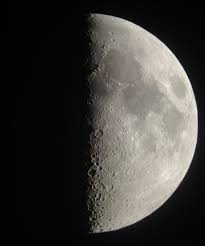
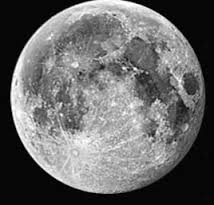
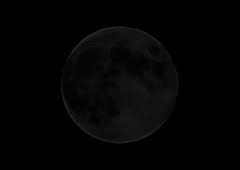

What phase is this?
Full Moon
First Quarter Moon
Third Quarter Moon
New Moon
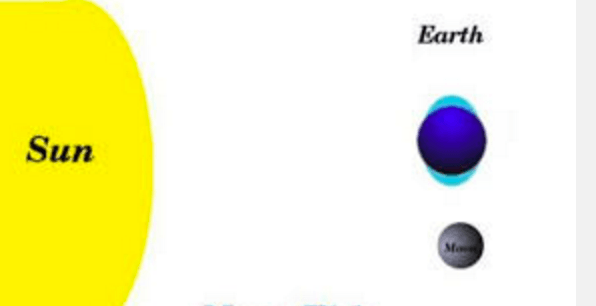
Which moon phase is shown in this diagram?
new moon
1st quarter
full moon
3rd quarter

How many Earth days are in a lunar month?
27.5 days
30 days
28 days
29.5 days

Generally, any beach location will have (a) each day.

Tides are caused by...
the rotation of the Earth
the orbit of the Moon
the gravitational pull of the Sun and Moon
wind currents

When do Spring Tides occur?
During the new moon and full moons
During the crescent moons
During the Spring
During the gibbous moons

The tide in this picture is a (a) .
During this tide, the high/low tides will be (b) than usual.

The tide in the picture is a (a) .
During this tide, the high/low tides will be (b) than usual.

How much of the moon is always illuminated by the sun?
100%
50%
25%
75%


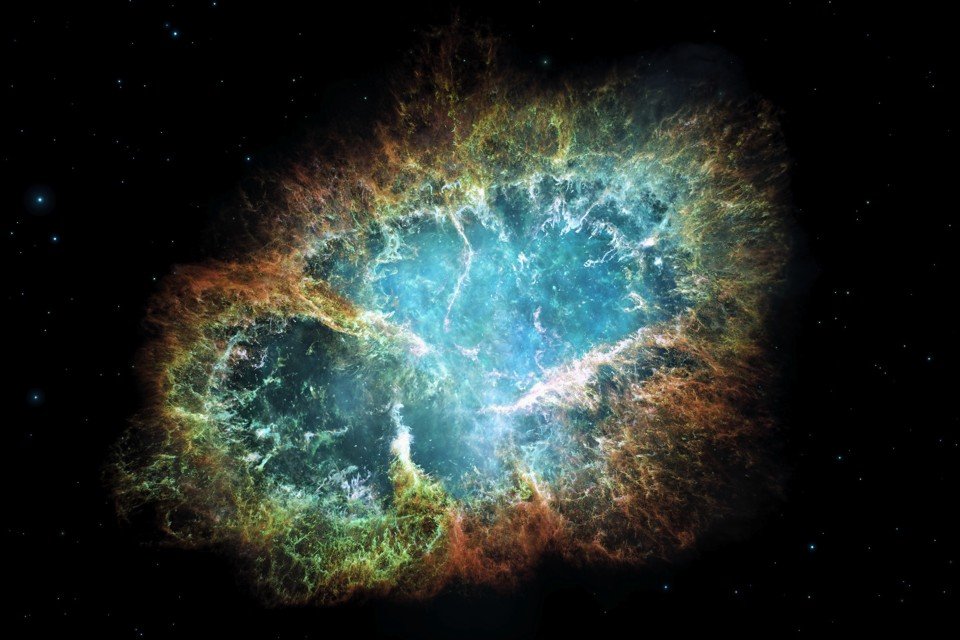
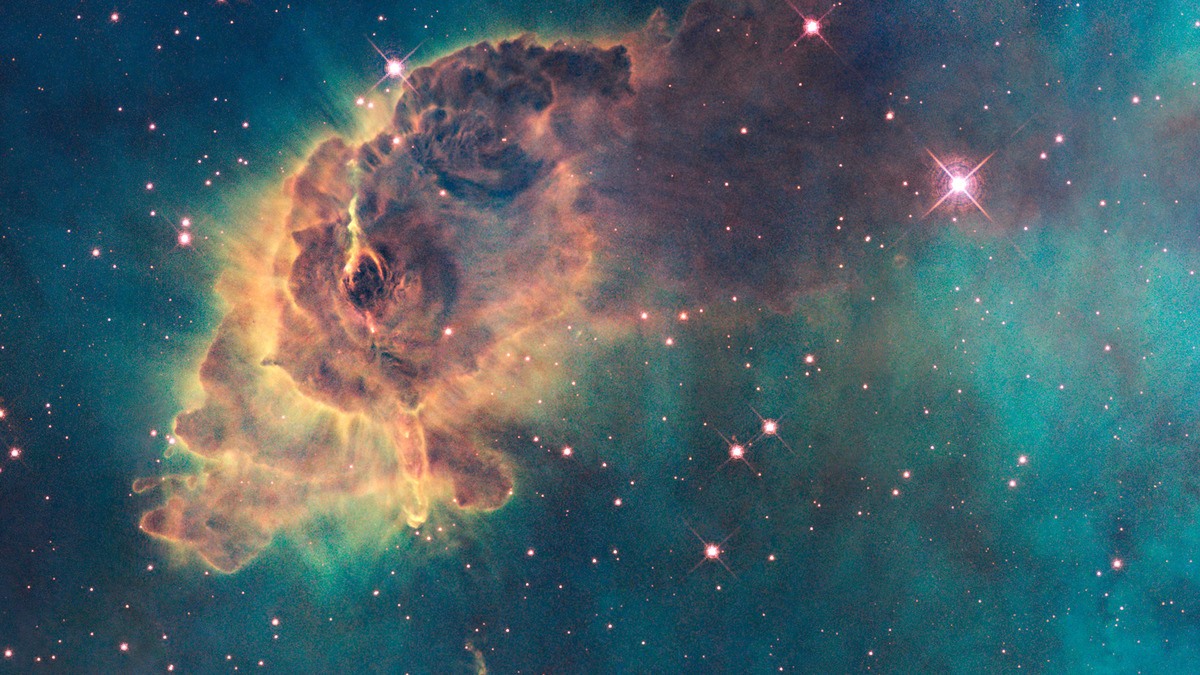


Our sun is currently in what star stage?
Protostar
Nebula
Main Sequence
Red Giant
Felix examined several photos of stars. To compare their temperatures, he looked at the colors of the stars. He organized the photos in order from coolest to hottest. Which of these answers shows the correct order?
red, yellow, white, blue
white, blue, yellow, red
yellow, white, blue, red
blue, yellow, white, red

Constellations are stars that appear to be in a pattern.
How many stars are in our solar system?
too many to count
billions
one
only the stars that we can see
The stars in a constellation APPEAR to be close to each other in the shape, but they actually may be ______.
very close to each other
great distances apart from each other
in our Solar System

sort of cool, dim (not too much light), and red?

A star's luminosity is a measure of how ___________ the star is
big
bright
hot
massive

Is Betelgeuse hotter or cooler than Spica?
Hotter
Cooler
They are the same temperature

If our sun was cooler what color would it be?
Red
Blue
White
Black
what are the three main details stars are plotted on hr diagrams for?
color,brightness,and temperature
brightness,color, and size
color,temperature,and size

