
 Worksheets
Unit 6.4 Review
Total questions: 75
Worksheet time: 3575secs

Conjugate the verb JUGAR:
Yo (a) (JUGAR) al béisbol en el parque.

Conjugate the verb JUGAR:
Diego (a) (JUGAR) al hockey con sus amigos.

Conjugate the verb JUGAR:
Mis amigos (a) (JUGAR) al fútbol en el campo.

Conjugate the verb JUGAR:
¿A qué deporte (a) (JUGAR) tú y tus amigos?

Conjugate the verb JUGAR:
Tú (a) (JUGAR) al sofbol muy bien.

Conjugate the verb JUGAR:
Los jugadores de voleibol (a) (JUGAR) en la cancha.


el estadio
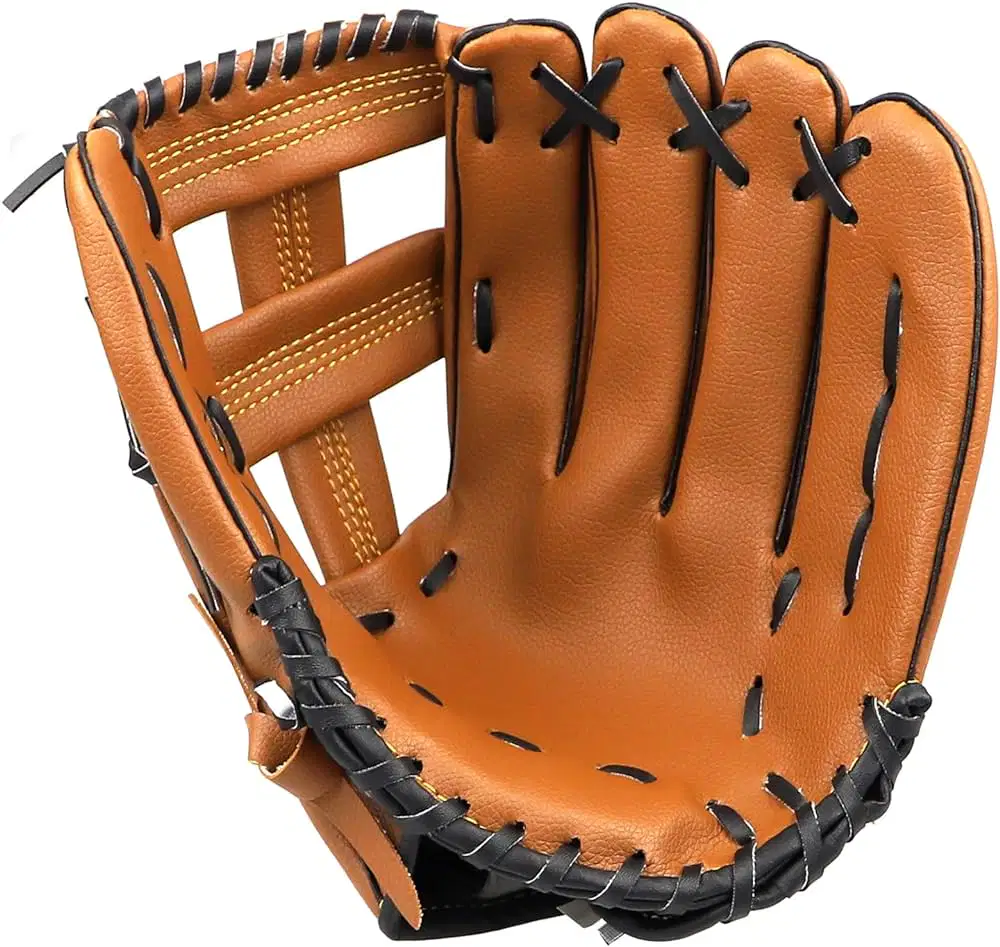
el guante
la casco
la bola
la pelota
la raqueta
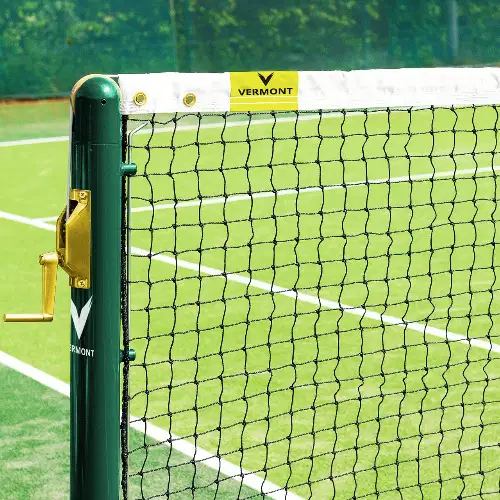
la red
la pelota
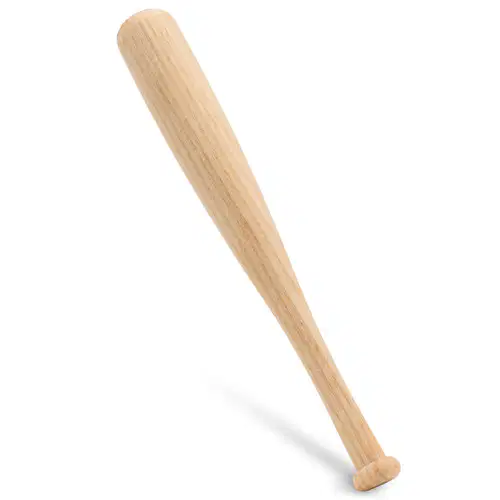
el bate

el balón
la pelota

Match the following.

la red

la raqueta

la pelota

el balón

la bola

Jugar al béisbol
Jugar al fútbol
Jugar al fútbol americano
Jugar al basquetbol

Jugar al béisbol
Jugar al fútbol
Jugar al tenis
Jugar al basquetbol

Jugar al fútbol
Jugar al béisbol
Bailar
Cocinar

Bailar
Jugar al voleibol
Leer
Jugar al fútbol americano

Bailar
Jugar al voleibol
Cazar
Jugar al baloncesto

Después de clases, Marvin y yo _____ al baloncesto.

Elena _____ al voleibol con amigas.


¿_____ ustedes al fútbol o al fútbol americano?

Yo _____ a los videojuegos cuando hace mal tiempo.

Daisy y Claudia siempre _____ al baloncesto los fines de semana.

Los jugadores nunca quieren _____ un partido.
tocar
ganar
perder
jugar


Juegan al baloncesto y ganan mucho.


Jugamos al béisbol, fútbol y fútbol americano en __ _________

Los jugadores ____ al fútbol.
juegan

Conjugate the verb jugar:
Usted (a) al boliche.
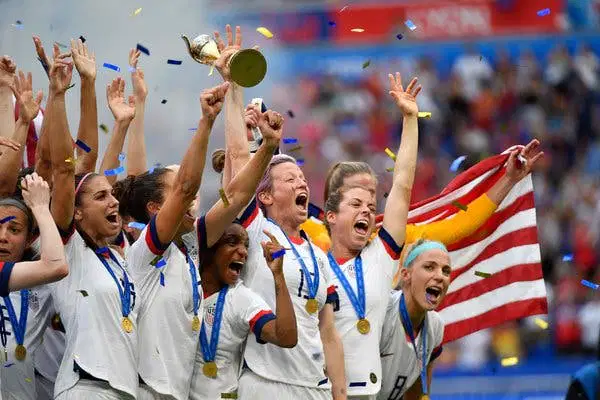
Los jugadores celebran cuando _____ un partido.
ganan
pierden
perder
jugar

Conjugate the verb jugar:
Ella y yo (a) al baloncesto.

Conjugate the verb jugar:
¿Qué deporte (a) tú?

Conjugate the verb jugar:
Yo (a) al tenis a veces.
Which sport needs una pelota in order to play it?
la natación
el voleibol
el boliche
Which sport needs un balón in order to play it?
la natación
el voleibol
el boliche
Which sport needs una bola in order to play it?
la natación
el voleibol
el boliche
Usamos _______ para jugar al fútbol, baloncesto, fútbol americano, voleibol y muchos otros deportes.
balones
¿En cuál deporte se usa una raqueta?
el voleibol
el boliche

el boliche

¿Cuál deporte es?
(Answer in complete sentence.)
Es (a) (b) .

¿Cuál deporte es?
(Answer in complete sentence.)
Es (a) (b) (c) .

¿Cuál deporte es?
(Answer in complete sentence.)
Es (a) (b) .

¿Cuál deporte es?
(Answer in complete sentence.)
Es (a) (b) .

¿Cuál deporte es?
(Answer in complete sentence.)
Es (a) (b) .

¿Cuál deporte es?
(Answer in complete sentence.)
Es (a) (b) .

¿Cuál deporte es?
(Answer in complete sentence.)
Es (a) (b) .

¿Cuál deporte es?
(Answer in complete sentence.)
Es (a) (b) .

¿Cuál deporte es?
Es (a) (b) .

Complete the sentence with the correct form of JUGAR:
Mi madre no (a) a los deportes.

Complete the sentence with the correct form of JUGAR:
Mis hermanas (a) al voleibol.

Complete the sentence with the correct form of JUGAR:
Nosotros (a) al boliche los sábados.

Complete the sentence with the correct form of JUGAR:
Me gusta (a) al baloncesto.
Tengo una pelota, un bate y un guante. Voy a jugar al (a) .
Tengo una raqueta y una pelota. Voy a jugar al (a) .
Tengo un balón blanco y una red alta. Voy a jugar al (a) .
Llevo un casco y unos guantes, y tengo un balón de color café que no es redondo (round). Voy a jugar al (a) .
Tengo un balón anaranjado y un cesto alto. Voy a jugar al (a) .
Los jugadores de (a) no pueden tocar el balón con las manos.
Fill in the missing word(s).
Los jugadores están jugando (a) fútbol americano.
Fill in the correct form of perder, ganar, jugar, practicar or tocar.
Mi hermano (a) la guitarra.
Fill in the correct form of perder, ganar, jugar, practicar or tocar.
Mi padre (a) al tenis.
Fill in the correct form of perder, ganar, jugar, practicar or tocar.
Yo (a) la natación.

Fill in the correct form of perder, ganar, jugar, practicar or tocar.
Él está triste porque su equipo está (a) el partido.

Fill in the correct form of perder, ganar, jugar, practicar or tocar.
Nuestro equipo está (a) el torneo (tournament).
Fill in the 2 missing words:
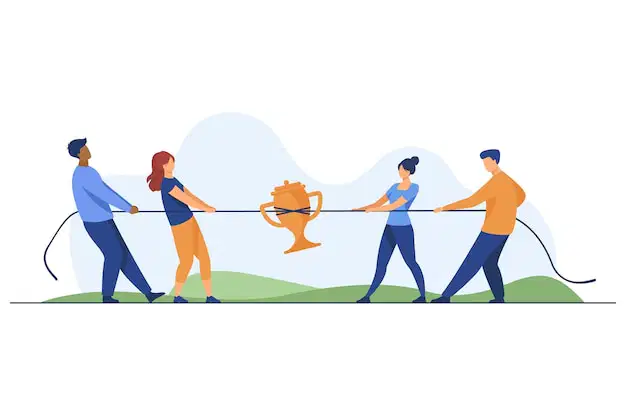
Los ____ (teams) van a ____. (compete)
(a)

¿Qué es?
Es (a) (b) .

¿Qué son?
Son (a) . (no accent)

¿Qué es?
Es un (a) de (b) .

¿Qué es?
Es una (a) de (b) .

¿Qué es?
Es un (a) de (b) .

¿Qué es?
Es una (a) .

