
 Worksheets
AP Biology Review
Total questions: 172
Worksheet time: 3hrs 51mins

Water molecules require a lot of energy to break the hydrogen bonds. This gives water a high
density
polarity
solvency
specific heat
Benjamin, Charlotte, and Abigail are working on a science project about plants. They noticed that water molecules cling together as they move from the roots to the leaves of plants. Which property of water enables this phenomenon?
Water expands as it freezes.
Water is an excellent solvent.
Water exhibits cohesive behavior.
Water moderates temperature.
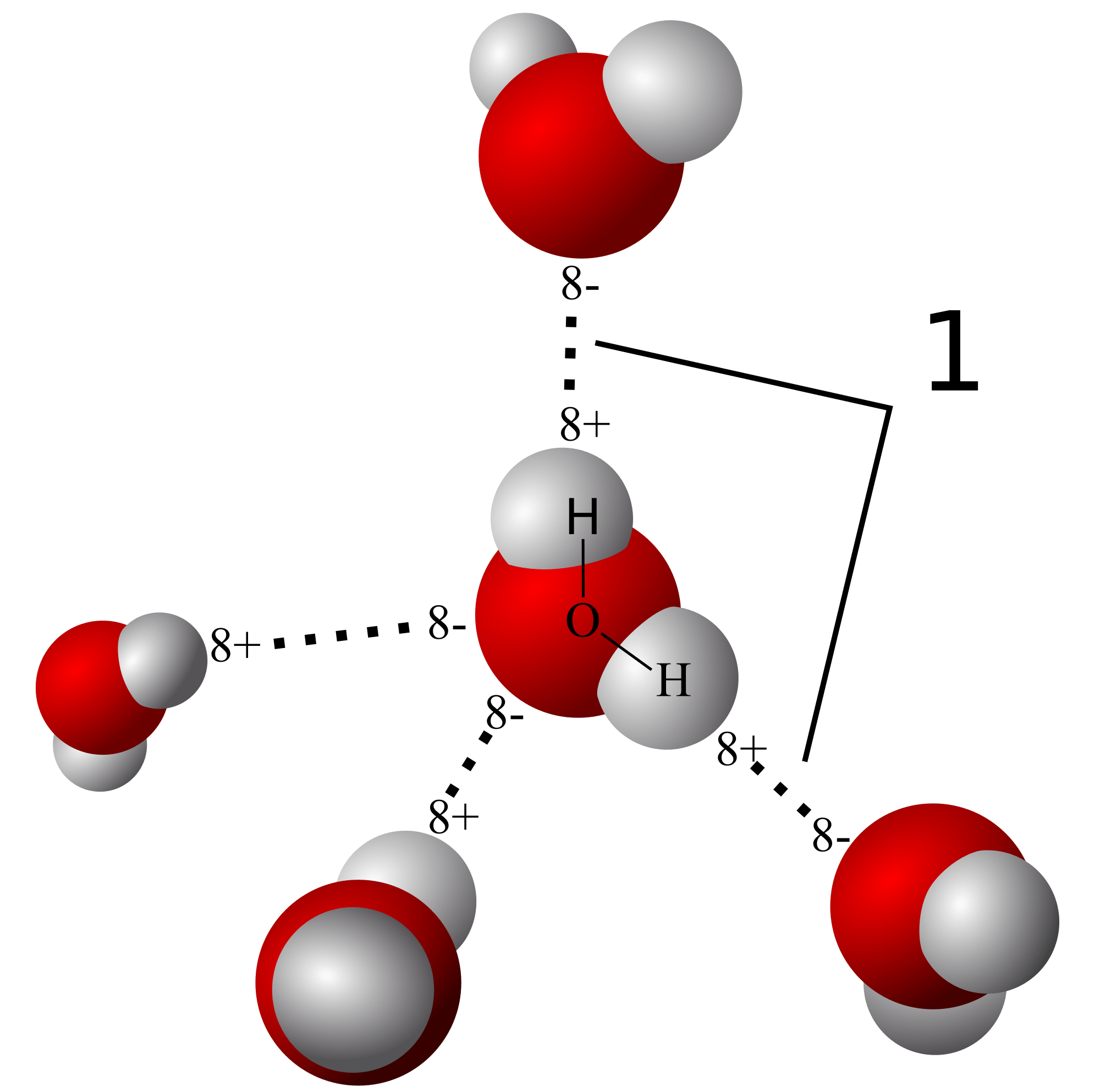
Scarlett, Olivia, and Liam were studying the properties of water for their science project. They noticed that water molecules stick together. What is the name of the attraction that causes this phenomenon?
Covalent bonds
Ionic bonds
Polar bonds
Hydrogen bonds

What is the function of this molecule in the body?
Energy storage
Cellular energy
Energy transfer molecule
Information storage
The atoms in a CO2 molecule are held together by _____ bonds.
Covalent
Adhesive
Ionic
Cohesive
What makes a molecule polar?
Equal sharing of valence electrons
Unequal sharing of valence electrons
Electron theft
Temporary charges that come and go
Some insects can stand on the surface of calm water. Their feet push the surface of the water down slightly, but they do not break the surface. Why?
The insects are light enough so they do not break the hydrogen bonds holding the water molecules together
The insects actually use their wings to hover slightly above the water’s surface and they only skim it with their feet.
The insect’s feet are non-polar, so they are repelled by the polar water molecules and are pushed away from the water’s surface.
The insects are small enough to see the individual water molecules, so they are able to step carefully from one molecule to the next

Match the following Properties of Water
water molecules attracted to water molecules
cohesion
solutions that are dissolved in water
universal solvent
water molceules attracted to other materials
adhesion
ice is
less dense
waters ability to retain heat
high heat capacity

Match the following MONOMERS and MACROMOLECULES

Nucleic Acid

Protein

Lipid

Carbohydrate
Which elements are found in carbohydrates?
C, H, O
C, H, O, N
C, H, O, P
C, H, O, N, P
Which elements are found in nucleic acids?
C, H, O
C, H, O, N
C, H, O, P
C, H, O, N, P
What are the structural difference between DNA and RNA?
DNA is double stranded, RNA is single stranded
DNA contains thymine, RNA contains uracil
DNA contains deoxyribose sugar, RNA contains ribose sugar
All of the above
What type of bond holds amino acids together?
Glycosidic bond
Ester bond
Peptide bond
Phosphodiester bond
How do monomers combine into polymers?
A molecule of water is added to the monomers forming a new hydrogen bond
A molecule of water is removed between the two monomers, and a covalent bond is formed
They form hydrogen bonds between their polar functional groups.
One monomer takes electrons from the other and they form an ionic bond
How do organisms breakdown polymers into monomers?
By digesting them with powerful enzymes
Through the process of reverse osmosis
By removing water from the polymer, which makes the chain dry and brittle
By adding a molecule of water between the monomers separating them
What is the difference between saturated and unsaturated lipids?
Saturated lipids contain the maximum number of carbon-hydrogen single bonds
Saturated lipids are solids at room temperature
Unsaturated lipids contain double bonds
Unsaturated lipids are easier for our bodies to breakdown
All of the above
How do plants obtain the nitrogen needed to produce proteins?
From the sun
From the atmosphere
From the water they absorb
From nitrogen fixing bacteria in the soil
What is the theory that explains the origin of mitochondria and chloroplasts?
Natural Selection
Evolution
Endosymbiosis
Cell Theory
Why do cells function best with a large surface area to volume ratio?
To store more nutrients
To efficiently exchange materials
To increase the rate of photosynthesis
To decrease the rate of metabolism
What is facilitated diffusion?
Movement of molecules from low to high concentration with ATP
Movement of molecules from high to low concentration without ATP through a protein channel
Active transport of ions against the concentration gradient
Pumping of molecules against their concentration gradient through a protein channel
Match the following parts of the cell to their functions:
Green pigment that absorbs light energy
Chlorophyll
Space in the chloroplast where the Calvin Cycle occurs
Stroma
Membrane in the chloroplast where light reactions occur
Thylakoids
Organelle responsible for photosynthesis in plants
Chloroplast
Plant cells contain (a) that make sugar for the plant. They can be found in the (b) of the cell and have stacks of (c) inside of them.
Felicia observed that the lettuce plants in her garden had wilted after several days of drought. The next day, there was a downpour of rain, and the leaves began to swell. What cellular process caused this effect in the lettuce plants? (a)
Which organelle is responsible for shipping, sorting and packaging proteins in the cell?
Match the following
Sorts, modifies and packages proteins
Golgi
Controls what enters and exits the cell
Cell Membrane
Stores and protects the DNA, the cell's instruction manual
Nucleus
Provides cell's energy in the form of ATP for cell's movement and function
Mitochondria
site of protein synthesis. Does not have a membrane
Ribosome
Endoplasmic Reticulum
Membrane system of folded sacs and interconnected channels
Rough ER
Synthesizes Proteins
Smooth ER
Synthesizes Lipids; detoxifies drugs
Golgi Apparatus
Modify, Sort & Package Proteins (FedEx of the Cell)
Vesicles
Membrane bound sacs used for transport - (semi-trucks)
Mitochondria
Converts chemical energy from food into a usable form - (power plant)
Vacuoles
Storage containers - Only found in plant cells
Lysomes
Breakdown lipids, carbs, proteins (Recycling center)
Centrome
Small region of cell that produces microtubles
Centrioles
Short microtubles arragned in a cylindrical tube
There are four organelles that every cell has. The (a) controls what enters and exits the cell. The (b) make proteins for the cell. (c) is the jelly-like substance that suspends all the organelles, and (d) is a genetic material that instructs the cell what to do.
Match the organelle with its correct function.

Controls the cells activities

Generates energy for the cell

Controls what enters and leaves the cell

Site of photosynthesis
Correctly label the image
The cell membrane contains a central bilayer formed by (a) that have a (b) or "water-hating" tail and a (c) or "water-loving" head.
Locate a Channel protein in the cell membrane.
Isotonic
Soln. w/ same concentration of solutes as cytoplasm
Hypertonic
Soln w/ higher concentration of solutes than cytoplams
Hypotonic
Soln w/ lower concentration of solutes than cytoplasm
A person has a rare disease that greatly reduces the amount of channel proteins on the cell membranes of there cells. Their cell membranes will most likely have difficulty passing (a) molecules or charged (b) since the center section of the cell membrane is hydrophobic.

37 Some students used vinegar to dissolve away the shells of three eggs and used these eggs as models of human red blood cells. The students observed the changes in the eggs when they were placed in different solutions.
Which statement best describes the role of the cell membrane in this model?
The cell membrane is an impermeable barrier that prevents water from entering the cell.
The cell membrane allows solutes to enter the cell, which causes the cell to shrink.
The cell membrane allows water to enter and leave the cell.
The cell membrane removes solutes from the environment.
Cells tend to be small, with sizes ranging between 1 and 100 mm. These small sizes help to ensure that cells have a favorable surface-area-to-volume ratio. Choose the statement that explains why a favorable surface-area-to-volume ratio is advantageous.
Higher surface-area-to-volume ratios improve the efficiency of transporting materials in and out of cells.
Lower surface-area-to-volume ratios improve the efficiency of transporting materials in and our of cells.
Higher surface-area-to-volume ratios speed up the flow of cytoplasm within cells.
Higher surface-area-to-volume ratios slow down the flow of cytoplasm within cells.

The point of organelles such as the mitochondria, golgi, ER, etc. all having membranes is to ...
Provide extra protection to those critical organelles
Increase surface area for materials transport
Prevent hazardous materials from escaping the organelles and damaging the rest of the cell
All of the above
What is the outcome of enzyme-substrate specificity?
Substrates are permanently altered to fit into the enzyme's active site
Enzymes can speed up any reaction in the cell
Enzymes only bind to and catalyze reactions for specific substrates
Enzymes can bind to any substrate with equal affinity
Which of the following best describes the Calvin cycle?
It breaks down glucose into pyruvate, releasing energy
It directly converts light energy into chemical energy
It uses ATP and NADPH from the light reactions to fix CO2 into glucose
It occurs in the thylakoid membrane and produces oxygen
What is the significance of the proton gradient in oxidative phosphorylation?
It facilitates the passive transport of glucose into the cell
It converts NADH and FADH2 back into NAD+ and FAD
It drives the synthesis of ATP from ADP and inorganic phosphate
It is used to directly synthesize glucose
What is the main reason for the wide variety of molecules in organisms?
To enable organisms to respond better to environmental stimuli
To increase the efficiency of glycolysis
To ensure that all enzymes can catalyze multiple reactions
To simplify the process of cellular respiration
Match the following parts of the cell to their functions:
Green pigment that absorbs light energy
Chlorophyll
Space in the chloroplast where the Calvin Cycle occurs
Stroma
Membrane in the chloroplast where light reactions occur
Thylakoids
Organelle responsible for photosynthesis in plants
Chloroplast
Mark the position(s) where ATP is produced.
The low-E electrons and H+ ions are picked up by oxygen to form (a) .
Fireflies emit light. The production of light by an organism is called bioluminescence. To generate visible light, cells in a firefly's tail produces thousand of luciferase enzymes. Luciferase binds to a chemical called luciferin. Once bound, the luciferase enzyme speeds up a chemical reaction that combines an oxygen molecule and luciferin to produce oxyluciferin. This reaction requires energy and releases light. Which of the following best describes how the luciferase enzyme speed up the chemical reaction?
Luciferase increases the amount of time the light is visible.
Luciferase decreases the amount of energy required for the reaction to start.
Luciferase increases the number of sites on luciferin.
Luciferase decreases the temperature of the environment inside the body of the firefly.
A decrease in the amount of oxygen available will....
not have an effect on the amount of energy produced during cellular respiration
decrease the amount of glucose produced during cellular respiration
cause the amount of water produced during cellular respiration to increase
decrease the amount of energy produced during cellular respiration
What is the role of NADPH in photosynthesis?
It helps in the absorption of sunlight
It acts as a primary energy carrier
It is used in the Calvin cycle to reduce carbon dioxide
It releases oxygen as a by-product
How does the structure of a chloroplast facilitate photosynthesis?
The large surface area of the thylakoid membranes allows for more light absorption
The double membrane system stores more glucose
The stroma acts as a reservoir for carbon dioxide
The granum increases the rate of water absorption
What is the primary role of the pigment chlorophyll in photosynthesis?
To absorb sunlight and convert it into chemical energy
To produce glucose directly from carbon dioxide and water
To release oxygen into the atmosphere as a by-product
To transport water from the roots to the leaves
How do guard cells function in the process of transpiration?
By absorbing water from the soil
By releasing oxygen during photosynthesis
By regulating the opening and closing of stomata
By transporting nutrients from the soil to the leaves
What is the significance of the electron transport chain in cellular respiration?
It directly converts glucose into ATP
It produces oxygen as a by-product
It generates a proton gradient used to produce ATP
It breaks down carbon dioxide into usable energy

Describe the difference between competitive and noncompetitive inhibitors.
noncompetitive binds to active site and competitive binds to another site on the enzyme
competitive binds to active site and noncompetitive binds to another site on the enzyme
competitive is irreversible and noncompetitive is reversible binding
noncompetitive is irreversible and competitive is reversible binding
Describe why an increase in temperature increases the rate of the reaction.
increase in temperature increases the speed/kinetic energy of particles
increase in temperature activates more enzyme to increase the rate
increase in temperature results in increase in substrate available
increase in temperature allows for a tighter fit in the active site
Which of these factors can affect the initial rate of an enzyme reaction?
Enzyme concentration
Substrate concentration
Temperature
pH
All of the above
Why is chemiosmosis important to cellular respiration?
It provides the energy needed to catabolize glucose
It is the force that powers ATP synthase
It provides the energy needed to breakdown pyruvate into carbon dioxide
It generates the electrons needed for the electron transport chain
What are the products of the Krebs Cycle?
Pyruvate, water, ATP, NADH
Acetyl CoA, NADH
NADH, FADH2, carbon dioxide, ATP
ATP, glucose
What are the products of glycolysis?
Pyruvate, ATP, water, NADH
Carbon dioxide, FADH2, NADH, ATP
32 ATP
NADPH and ATP
What is the function of NAD in cellular respiration?
It catalyzes the conversion of glucose into ATP
It provides inorganic phosphate needed by ATP synthase
It acts as an electron and proton acceptor to carry energy to the electron transport chain
It is the coenzyme needed to convert glucose into pyruvate
What is the name of the signaling molecule in cell communication?
ligand
receptor
operon
inhibitor
Phosphorylation cascades are often used for
reception
responses
amplification
termination

Q4: Which type of enzyme takes part in this process?
protein phosphatase
protein hydrolyase
protein synthase
protein kinase

What answer choice is NOT one of the three steps of signal transduction?
a signaling molecule binding to a specific receptor
activation of a signal transduction pathway
production of a cellular response
signal feedback sent to deactivate hormone or environmental stimulus
I. Response
II. Amplification
III. Reception
IV. Transduction
Which of the following represents the sequence of events in a typical signal transduction pathway?
Researchers studying cell cycle regulation in budding yeast have observed that a mutation in the CDC15 gene causes cell cycle arrest in telophase when the yeast cells are incubated at an elevated temperature.
Which of the following statements best predicts the effect of the cell cycle arrest on proliferation yeast cells?
The yeast cells will initiate mitosis but will fail to complete the G2 phase.
The yeast cells will replicate their chromosomes but will fail to complete cytokinesis
The yeast cells will replicate their organelles but will fail to complete the S phase.
The yeast cells will transition out of G0 but will fail to complete the G1 phase.
Arrange the stages of the cell cycle in the correct order: (a) (b) (c) (d) (e)
Match the following descriptions to the appropriate stage of the cell cycle:
growth of cell organelles
G1
DNA replication
S phase
synthesis of structures for cell division
G2
division of the nucleus/chromatids
mitosis
division of the cytoplasm
cytokinesis
Arrange the following events of mitosis and cytokinesis in the correct order
The chromosomes condense and the nuclear envelop dissolves
Duplicated chromosomes line up at the cell equator. Spindle fibers attach to each chromatid.
Chromatids are pulled to opposite poles of the cell by spindle fibers
Daughter chromosomes are separated and the nuclear envelope forms
The cytoplasm divides the two daughter cells are separate
Which of the following is characteristic of G0 phase?
The cell is in preparation to divide
The cell is in a non-dividing state
Daughter cells enter G0 immediately after cytokinesis
The cell replicates/duplicates its DNA
Which of the following best explains the causes of cancer?
Errors in the regulatory process of the cell cycle that results in uncontrolled cell growth
There is no known cause for cancer
Viruses and other pathogens
Catching it from someone you know that has cancer
If a medicine works by blocking a secondary messenger, what effect would it have on that cell signaling pathway?
It would increase the response if the pathway
It would trigger the release of more ligands
It would activate the transcription of a desired gene
It would inhibit transduction, thus deactivating the response
Describe the interaction between cyclin and CdK.
cyclin interacts with CdK to initiate the mitotic phase
cyclin is the precursor to CdK, when synthesized allow for mitosis proceed
cyclin acts as an inhibitor to CdK to wait for all DNA to be synthesized
cyclin binds to CdK to initiate DNA replication
Describe what occurs when the ligand binds to the receptor.
confirmation change in shape of receptor
phosphorylation of ligand
ligand passes through the membrane
receptor binds additional ligands
Which are two widely used second messengers in many signal transduction pathways? (choose both)
cAMP
G-protein
Ca2+
adrenaline/epinephrine
Adrenaline is released from your adrenal glands to affect various systems in the body. This is an example of ____ signaling.
juxtacrine (direct cell to cell contact)
endocrine (long distance)
paracrine (short distance)
autocrine (self-signaling)

What do second messengers do?
transport a signal through the lipid bilayer
relay a signal from the outside to the inside of the cell
relay message from the inside of the mebrane throughout the cytoplasm
dampen the message

Investigations into the causes behind symptoms in Alzheimer’s patients have led to the hypothesis that the disease may be caused by excessive activity of IP3 second messengers in brain cells. When comparing cell samples of Alzheimer’s patients to those taken from the control group, which of the following pieces of evidence would support this hypothesis?
Meiosis results in _____________ because there is/are _______________.
2 identical haploid cells, 1 round of division
4 identical diploid cells, 2 rounds of division
4 unique haploid cells, 2 rounds of division
2 unique diploid cells, 1 round of division
Which of the following does NOT increase variation in gamete formation?
crossing over
fertilization of gametes
random assortment of chromosomes
condensation of chromatin
Describe the process of nondisjunction.
Homologous chromosomes exchange genetic information
The alignment of the chromosomes on the metaphase plate
Homologous chromosomes or sister chromatids remain attached during anaphase
The process of sperm and egg fusing to create a zygote
What is a gene loci
Heterozygous carrier of a recessive disease
Having two copies of the same dominant allele
Specific positions of genes on a chromosome
Having two copies of the same recessive allele
A female and a male, both with genotype EeWw have a child. What is the probability the child will be eeww?
3/16
9/16
1/8
1/16
In pea plants, purple flowers are dominant and white flowers are recessive. Suppose two purple-flowered parents produce 100 offspring. 27 of those offspring have white flowers. What are the genotypes of the parents?
PP x Pp
Pp x Pp
PP x PP
PP x pp

Ken is blood type B and Sally is blood type A. How can they have children who are types A, B, AB, and O?
Ken: IBi
Sally: IAi
Ken: IBIB
Sally IAi
Ken: IBi
Sally: IAIA
Ken: IBIB
Sally: IAIA
A scientist crossed flies that are heterozygous for two traits and performed a chi-square analysis of the offspring to determine if the data are consistent with the expectations for independent assortment. The chi-square calculated value for the experiment was 6.03. The critical value was 7.81. Based on the chi-square calculated value, which of the following statements is most accurate?
The null hypothesis should be rejected.
The null hypothesis should not be rejected.

The recombination frequencies of four genes A, B, C, and D are shown. Based on this, which two genes are LEAST likely to experience recombination?
A + B
B + C
C + A
D + C
A + D

Research shows that if a turtle's eggs incubate below 27.7° Celsius (81.86° Fahrenheit), the turtle hatchlings will be male. If the eggs incubate above 31° Celsius (88.8° Fahrenheit), however, the hatchlings will be female. This is an example of phenotypic plasticity. What is the most likely cause of this observation?
Changes in the environment alter the chromosomes of the turtle.
Changes in the environment can mutate the DNA.
Changes in the environment can control gene expression.
Identify which of the following descriptions about dominance are correct
Incomplete dominance involves the homozygous dominant and heterozygous looking the same.
Incomplete dominance involves the heterozygous offspring resulting in an intermediate between the two dominant traits.
Codominance involves the heterozygous offspring resulting in an intermediate between the two dominant traits
Codominance involves the homozygous dominant and heterozygous looking the same.
A woman has type AB blood and her husband has type O blood. The doctor tells them their child has type O blood. She thinks this is very strange. Why?
She can't be the mother of a type O child.
Her husband can't be the father of a type O child.
Type O blood is very rare.
There's nothing strange about it.
What is codominance?
Both alleles are partially expressed
Both alleles are recessive
Both alleles are equally strong and visible
Neither allele is expressed
Match the following enzymes to their roles in DNA replication.
Ligase
Fills in the gaps in the new DNA strands
DNA polymerase
Synthesizes the new strands of DNA
Primase
Adds a small RNA "primer"
Helicase
Unwinds the parent DNA strands
DNA replication involves many different enzymes. Helicase unwinds the DNA so that the parent strands can be seperated. DNA polymerase adds the nucleotides to synthesize the daughter strands. What is the role of primase?
It adds a small RNA "primer" to allow DNA polymerase to begin
It sorts the prime numbers of RNA into even piles
It removes incorrecly matched nucleotides to avoid mutations
It connects the gaps between nucleotide segments
Which of the following are part of a bacterial lac operon? (Select all that apply)
Promotor
Genes for lac enzymes
Regulatory genes
Enhancers
Match the following genetic regions to their roles:
Makes a repressor protein
Regulatory gene
Place where transcription begins
Promotor
The on/off switch where the repressor protein binds
Operator
Codes for the main protein / enzymes
Genes of Operon
After eukaryotic transcription takes place, mRNA undergoes several modifications before leaving the nucleus to take part in translation. Some sections of mRNA are cut out, and the remaining sections are spliced together to create the finished mRNA molecule. Which of the following mRNA sections are spliced together in the finished mRNA molecule?
introns
exons
operons
ribozymes
The human genome appears to have only about as many genes as the simple nematode worm, C. elegans. Which of the following best explains how the more complex humans can have relatively few genes?
Human genes have unusually long introns involved in the regulation of gene expression
More than one polypeptide can be produced from a gene by alternative gene splicing
The human genome has a high proportion of noncoding DNA
The human genome has a large number of SNPs (single nucleotide polymorphisms) which increases genetic variability
Reorder the following stages of protein synthesis in eukaryotes:
Activators bind to the enhancer
A DNA bending protein folds the enhancer toward the promotor
RNA polymerase transcribes the DNA beginning at the promotor
Introns are removed from the mRNA; a poly-A tail is added
mRNA leaves the nucleus to find a ribosome for translation
Match the following processes to their associated phrase.
Transcription
The synthesis of mRNA from a DNA template.
Translation
The synthesis of polypeptides from the genetic information coded in mRNA
Transposon
A mobile segment of DNA that can travel from one location on a chromosome to another.
DNA methylation
The addition of chemical groups to certain bases of DNA which regulates gene expression.
In order for a gene to be expressed, ___ must bind to the gene's ___, a specific sequence of nucleotides at one end of the gene, thus initiating transcription.
DNA polymerase, promotor
DNA polymerase, operator
RNA polymerase, promotor
RNA polymerase, operator
Genes can be shut off (not expressed) when a ___ binds to the ____.
activator, operator
repressor, operator
corepressor, operator
repressor, promotor
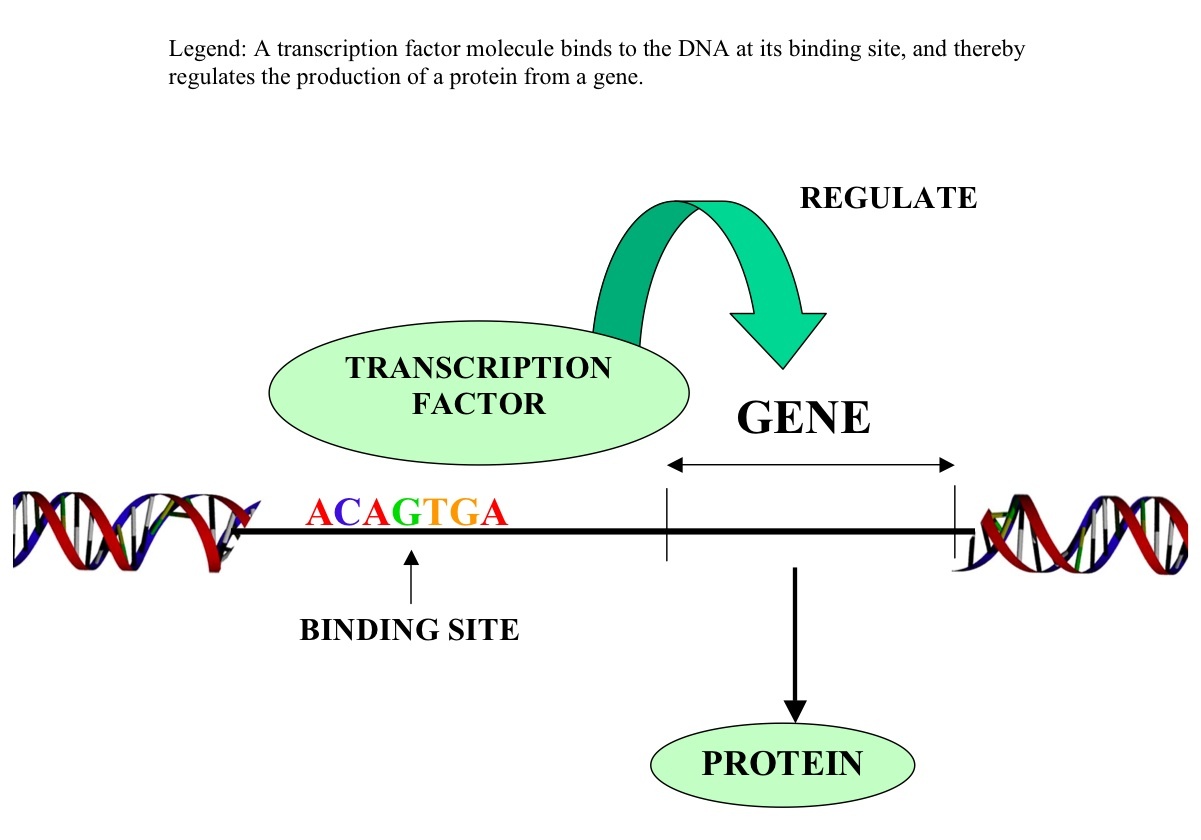

What is 1 (the YELLOW molecule) in the diagram?
RNA polymerase
Inducer
Repressor
Operator
In eukaryotes, DNA is tightly coiled around ____ in chromatin
Histones
Whey
Casein
Hemoglobin
The protein that functions in unwinding DNA strands before replication occurs is called:
Topoisomerase
Single-strand binding proteins
Helicase
Ligase
Spliceosome
Both eukaryotes and prokaryotes have plasmids. What are plasmids?
large extra-chromosomal, double-stranded, linear DNA molecules
large extra-chromosomal, double-stranded, circular DNA molecules
small extra-chromosomal, double-stranded, circular DNA molecules
small extra-chromosomal, double-stranded, linear DNA molecules
Which enzyme is responsible for relaxing supercoiling in front of the replication fork?
helicase
DNA polymerase
topoisomerase
ligase
Describe the difference between the synthesis of the leading and lagging strands.
directionality: leading = 3' -> 5', lagging = 5' -> 3'
synthesis continuity: leading = discontinuous & lagging = continuous
directionality: leading = 5' -> 3', lagging = 3' -> 5'
synthesis continuity: leading = continuous & lagging = discontinuous

Which of the following polypeptides is coded for by the following
mRNA sequence:
AUG GUU AAA CGA CAA UCC
Val, Lys, Phe, Gly, Ser
Met Asp, Phe, Ala, Arg
Met, Val, Lys, Arg, Gln, Ser
Ile, Gln, Lys, Asp, Gln, Ser
Cytosine makes up 38% of the nucleotides in a sample of DNA from an organism.
Approximately what percentage of the nucleotides in this sample will be thymine?
12%
24%
31%
38%

Which of the following describes how a plasmid and gene of interest are combined to create a vector?
A restriction enzyme binds to the same restriction site on both DNA strands then DNA ligase seals phosphodiester linkages
A primer binds to the gene of interest to facilitate the process of inserting the gene into the plasmid
A helicase unwinds the DNA to allow for the gene of interest to be inserted then DNA ligase seals phosphodiester linkages
A DNA polymerase uses the gene of interest as a template to insert the gene into the plasmid
Which of the following describes the orientation of the DNA found in a run gel electrophoresis?
Small fragments are found near the well since it is negatively charged
Large fragments are found near the well while small fragments are found at the other end
Small fragments are found near the well while large fragments are found at the other end
Large fragments are found near the well since it is positively charged
Which of the following describes why some bands are darker in a gel electrophoresis?
This is a location where there is a secondary well in the gel
There are large amounts of fragments the same size
The DNA at that band absorbed more dye since it is more positively charged
This is an error in the gel electrophoresis caused by a clogged pore in the gel
What is transformation?
The use of viruses to transform or genetically
engineer cells.
The measure of how well cells are transformed in a new phenotype.
The insertion of a foreign plasmid into a bacterial cell which results in new acquired traits.
Genetic engineering or transformation of mammalian cells.

Match the following types of mutations to their descriptions.
A change to one nucleotide results in one different amino acid in a polypeptide.
Missense
A change to one nucleotide results in early termination of a polypeptide.
Nonsense
A change to one nucleotide results in no changes to the amino acids in a polypeptide.
Silent
Additional nucleotides are added to the DNA strand; causes a frameshift mutation.
Insertion
Nucleotides are removed from the DNA strand; causes a frameshift mutation.
Deletion
A marsupial species found only in Australia has evolved to eat tree leaves, be diurnal, and raise its young until they are of reproductive age. A grazing placental mammal in Africa has also evolved to eat tree leaves, be diurnal, and raise its young until they are of reproductive age.
This is an example of which of the following types of evolution?
divergent evolution
species-specific evolution
convergent evolution
neutral evolution
Match the following terms to the most related phrase.
Results in a new population with a limited gene pool, often seen when a smaller population is separated from a larger population
The founder effect
One result of evolution from a common ancestor; exhibited by certain structures with similar features having different functions
Homologous structures
A result of drastic reduction in population size, such as the reduction of the California Condor population to 9 individuals
The bottleneck effect
Features that have evolved independently to serve a similar function but do not represent evolutionary relatedness
Analogous structures
Reorder the following Levels of Classification from BIGGEST to smallest.
Kingdom
Phylum
Class
Order
Family
Label each graph with the type of selection it shows.
2 populations of a species are separated by a mountain range and therefore, unable to interbreed. What does this demonstrate?
mechanical isolation
geographical isolation
gametic isolation
temporal isolation
Darwin's theory of (a) is also called "survival of the fittest" where fitness refers to the (b) success of an organism. An organism's traits may be good or bad depending on its (c) .
Sympatric evolution occurs when a new species arises in the same area as an existing ancestral species. Which of the following can lead to sympatric speciation?
A small number of individuals migrate to a geographically remote area
A natural disaster cuts off contact between members of a population
A flood causes a new river to form, separating segments of a population
A mutation event results in offspring that are fertile tetraploids
A population of 200 whales is at Hardy Weinberg equilibrium for fin color. Dark fins (D) are dominant to light fins (d).
If 18 of the whales have light fins, how many whales are heterozygous?
p2 +2pq +q2 = 1
and
p + q = 1

According to the pictured cladogram, what is the closest relative of the reptiles?
amphibians
birds
rodents
fish
How can mass extinctions lead to adaptive radiation?
By introducing new post-zygotic barriers
By opening many niches for survivors to fill
By rapidly increasing the reproduction rates to repopulate the Earth
By introducing new selective pressures on populations
What is the difference between punctuated equilibrium and gradualism?
Gradualism believes evolution happens in rapid bursts as environments gradually change
Punctuated equilibrium believes evolution happens in rapid bursts followed by long periods of stability
Gradualism believes evolution occurs continuously and slowly
Punctuated equilibrium believes evolution occurs slowly as environments recover from disasters
What do homologous structures tell scientists about species who share them?
That the organisms lived during the same time period
That the organisms were exposed to the same selective pressures
That they have undergone convergent evolution
That the organisms share a common ancestor
If 36% of a population shows the recessive trait, what percentage of the population would be expected to be heterozygous?
60%
16%
48%
40%
If a recessive disorder is found to affect 1 in 500 live births, what is the frequency of the dominant allele?
0.002
0.9553
0.0447
0.9125
In mice brown fur (B) is dominant over white fur (b). Scientists observed a population of 2000 mice, and found the frequency of the B allele to be 0.7. 10 years later the scientists revisited the population and found the frequency of the B allele to be 0.4.
What could explain the decrease in the frequency of the B allele over the 10 years?
Gene flow that introduced new organisms into the population
New selective pressures that make white fur more favorable
A drought that made the landscape brown and dusty
A mutation that made the b allele dominant
In mice brown fur (B) is dominant over white fur (b). Scientists observed a population of 2000 mice, and found the frequency of the B allele to be 0.7. 10 years later the scientists revisited the population and found the frequency of the B allele to be 0.4.
In the original study, what percentage of the mice would have white fur?
70%
49%
9%
30%

Which animal is the out-group?
Mammals
Turtles
Crocodiles
Birds
What are the two types of genetic drift commonly seen?
Temporal isolation and hybrid sterility
Disruptive selection and convergent evolution
Founder effect and bottleneck effect
Gene flow and artificial selection
What factors would increase the frequency of a genotype in a population over time?
Increased reproduction rates in a population
Selective pressures that make the trait favorable
Genetic drift
Mutations in the population
Match the following terms with their definitions
Evolution
a change in a species DNA over time because of natural selection
Adaptation
Any variation that makes an organism better able to survive
Variation
An inherited trait that makes and individual different
Mutation
A permanent change in the DNA
Extinction
When ALL members of a species die
Homologous Structure
Traits similar in two different species
Vestigial structure
Leftover traits that no longer have a purpose
Relative dating
measuring the position of a fossil in layers of rock to determine its age

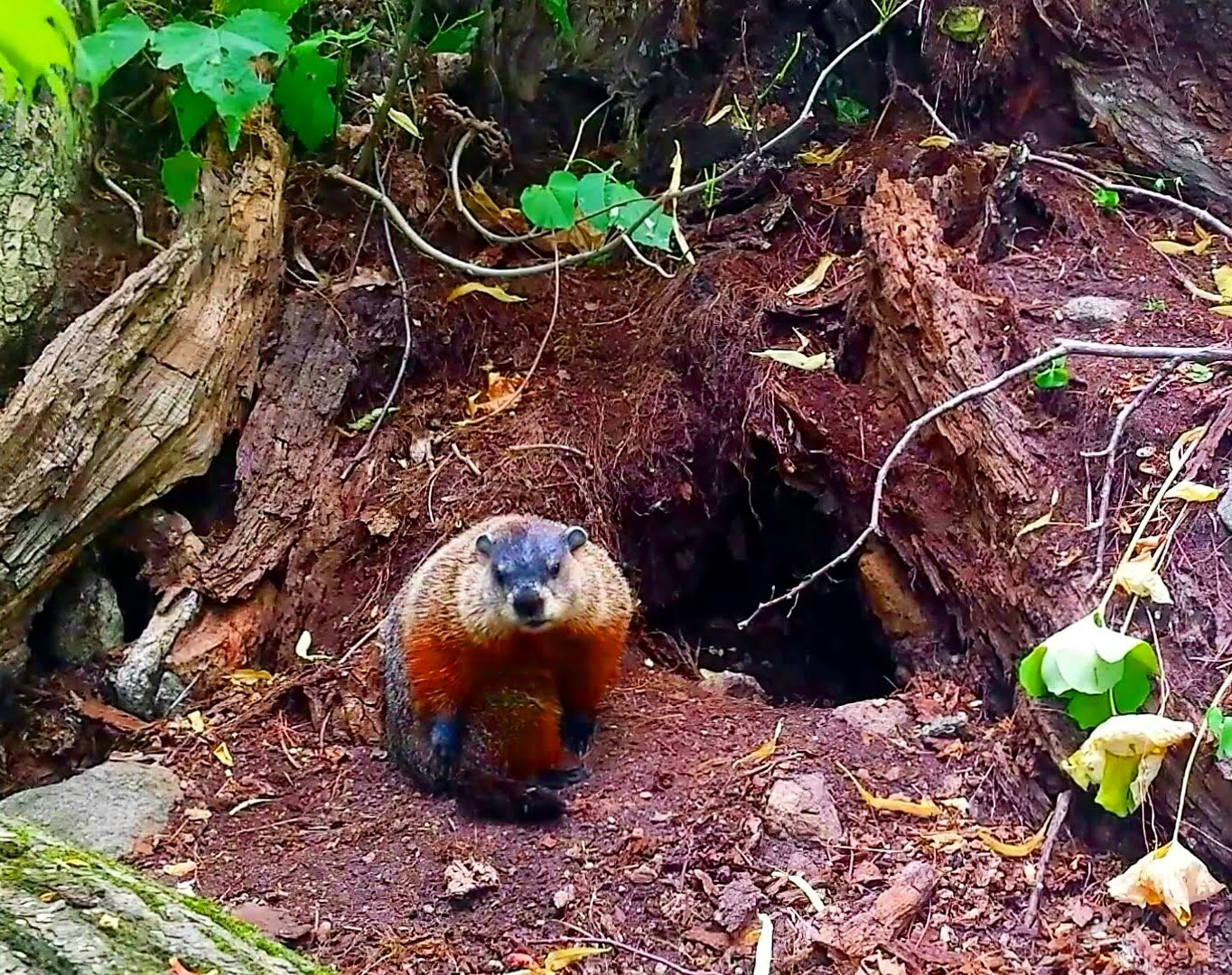
Type of symbiosis: Skunks often live in burrows that have been dug and abandoned by woodchucks.
commensalism
mutualism
parasitism
predation
The carrying capacity for a population of lizards is 2700. If the current population is 1340 and the rmax for the population was found to be 0.83, what would the population size be after 1 year?
2356
2100
1825
1900
There is a population of 75 wolves in a forest that has a carrying capacity of 120. What is the maximum population growth rate if the population grows to 92 in one year?
0.833
1.00
0.604
0.523
What will happen if two species occupy the same niche in an ecosystem?
The ecosystem will be stressed and could collapse
One species will either alter their niche or be eliminated
The niche will expand to accommodate both species
The species will share the niche
How do invasive species impact ecosystems?
The increase density dependent limiting factors
They establish themselves as new keystone species in an area
The open up new niches in the ecosystem
They outcompete native species and overpopulate the area
As N approaches K for a certain population, which of the following is predicted by the logistic equation?
The population will increase exponentially
The growth rate will approach 0.
The carrying capacity of the environment will increase.
The growth rate will not change.
How do ecosystems obtain energy in environments that have no light?
Through chemosynthetic organisms
Without light the organisms will need to move or they may go extinct
Through photosynthetic organisms
All ecosystems have some light
Type I curve
low death rate during early/middle life and high death rate later in life
Type II curve
constant death rate over the lifespan of the organism
Type III curve
high death rate early in life and lower death rate for those that survive early life
(a) a series of changes on an (previously lifeless) habitat that (b)
What causes trophic cascades?
Increasing the number of producers
Pollution
The removal of a keystone species
Introducing a new species to an ecosystem
Frogs lay ~4000 eggs at a time. Based on this frogs would be classified as -
R-strategists
K-strategists

