
 Worksheets
SIP 2:Tracheostomy
Total questions: 9
Worksheet time: 7mins
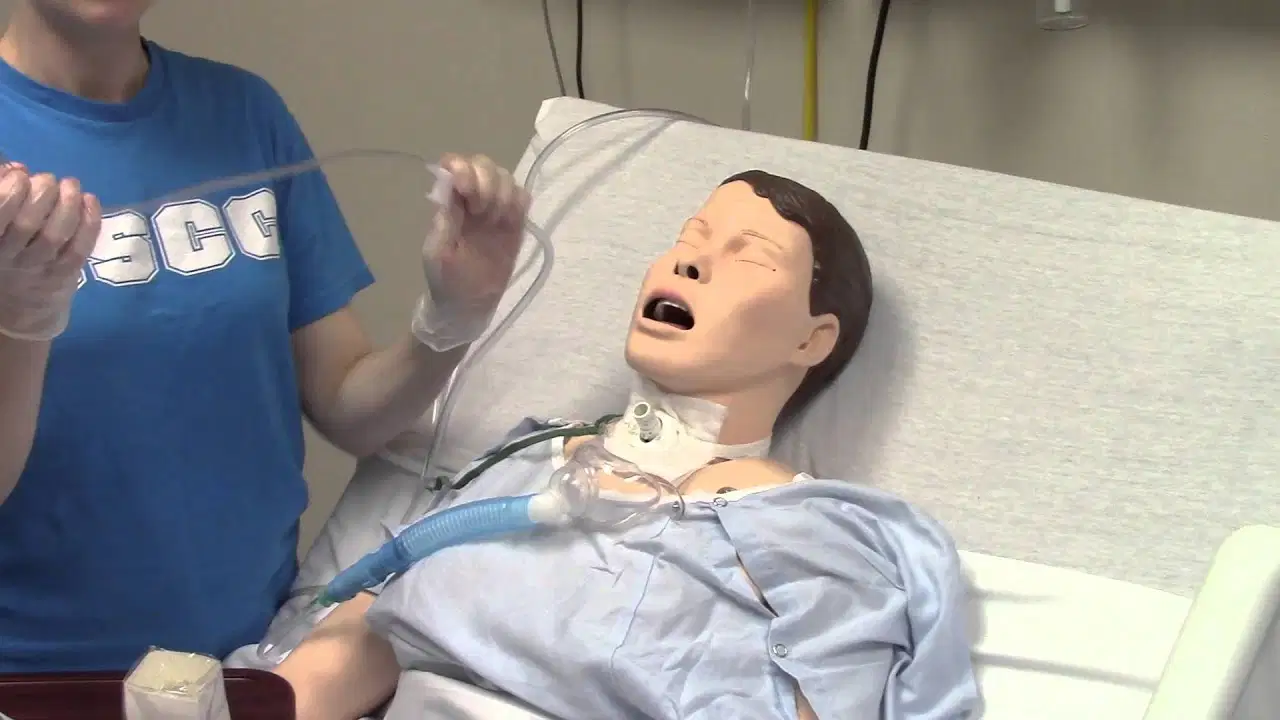
The duration for each tracheostomy suctioning passes should not exceed (a) seconds.
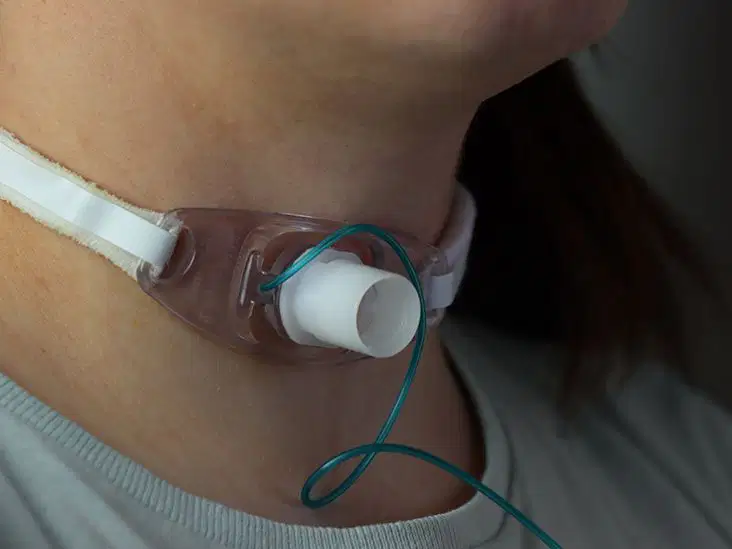
Which of the following is NOT required during tracheostomy suctioning?
Changing the non-fenestrated inner tube to fenestrated tube
Monitor patient’s SpO2, breathing pattern and respiratory rate continuously during suctioning
Assess the patient’s baseline parameters including SpO2 prior to suctioning
Changing the fenestrated inner tube to non-fenestrated tube
The selection of suction catheter for tracheostomy suction is based on size of tracheostomy tube (mm) inner diameter ____.
Divided by 3
Multiplied by 3 and divided by 2
Multiplied by 2 and divided by 3
Divided by 2
Clean the inner cannula at least every _ hourly or more frequently if patient has thick secretions to prevent blockage.
(a)
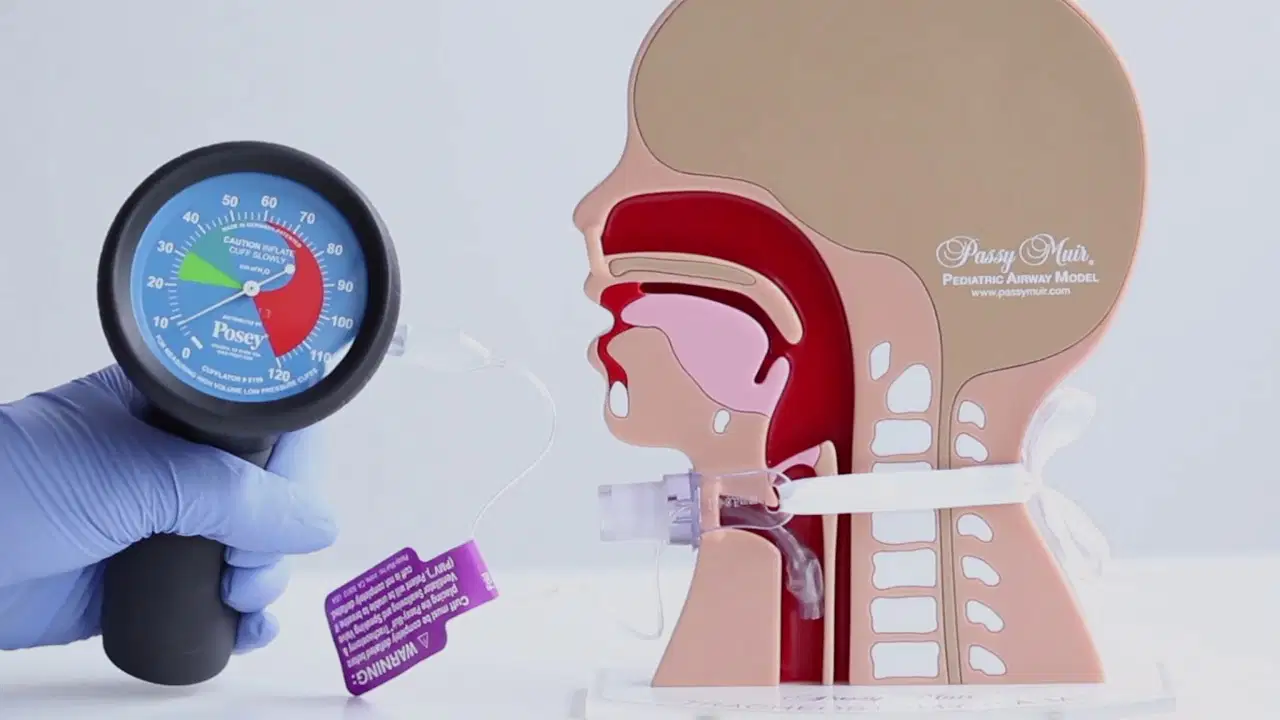
Which of the following is NOT appropriate nursing care for patient with inflated cuffed tube?
Keep cuff pressure between 20-25cmH2O
Check the cuff pressure at least once per shift
Check the cuff pressure daily
Inform Dr if a higher cuff pressure is required to reduce the ‘leak’
What is the recommended frequency for changing the tracheostomy dressing?
Every shift
Every other day
Daily
Every 72h hours
What emergency equipment should be readily available at the bedside for a patient with a tracheostomy?
Elatoplast
Artery forceps
Tracheal dilator
Sterile scissor
Which of the following is NOT a sign or symptom that could indicate tracheostomy obstruction?
Drop in spo2
Difficulty in passing suction catheter through Tracheostomy tube
Presence of upper airway noise
Inability to speak
Mr. Lee is a 68-year-old patient who underwent a tracheostomy procedure 5 days ago.
During your morning rounds, you find him in respiratory distress with his tracheostomy tube partially dislodged.
Upon assessment, you noted the Tracheostomy tube in awkward position, increased use of accessory muscles and SpO2 88% on room air.
As the nurse caring for Mr. Lee, what is your initial nursing interventions for this situation?
Check patient for any presence of breathing
Prepare for reinsertion of tracheostomy tube
Reposition patient's tracheostomy tube
Prop up the patient and encourage the patient to cough
What is the most appropriate action to avoid future displacement of the tracheostomy tube in this patient?
Frequent reassessment of tube placement and dressing
Frequent tracheal suction
Avoid changing cotton tape or Velcro strap daily
Restrain the patient

