
 Worksheets
Final Spanish 2 at level
Total questions: 79
Worksheet time: 1hrs 8mins
Mi hermana y yo hacíamos todo lo que mamá nos decía. Eramos...
The toys
De niño
Los juguetes
Los muñecos
Los columpios
The playground
la escuela primaria
la guarderia infantil
el patio de recreo
el jardin de infantes
often
rara vez
una vez
todas las semanas
a menudo
De vez en cuando
from time to time
many times
all the time
sometimes
To fight eachother
pelearse
llamarse
divertirse
portarse
I used to behave myself but now I don't.
Me peleaba pero ahora no.
me portaba bien pero ahora no me porté bien.
Me porté bien pero ahora no me portaba.
Me portaba bien pero ahora no.
¿Cómo eras de nin@?
Yo era bien educado y creativo.
Yo vi bien educado y creativo.
Yo soy bien educado y creativo
Yo fui bien educado y creativo.
¿Con cuáles juguetes jugabas?
Yo jugaba con el oso de peluche.
Yo juego con el oso de peluche.
Yo jugaba con mi amigo.
Yo jugaba con el vecino.
¿Cuáles programas veías?
Yo ví Mickey Mouse Clubhouse.
Yo veías Mickey Mouse Clubhouse.
Yo viste Mickey Mouse Clubhouse.
Yo veía Mickey Mouse Clubhouse.
Mi hermanita era traviesa. How was my sister?
naughty
unkind
Mi mamá nos dijo la verdad.
My mom told us the truth.
My mom told us lies.
We told mom the truth.
My mom used to tell us the truth.
a veces
never
always
sometimes
usually
We used to play with dolls.
Jugamos con muñecas.
Juegamos con muñecas.
Jugábamos con muñecas.
Juegábamos con muñecas.
She played house everyday.
Ella jugaba casa todos los días.
Ella jugía casa todos los días.
Ella juega casa todos los días.
We used to play soccer every weekend.
Jugábamos al fútbol todos los fines de semana.
Jugamos al fútbol todos los fines de semana.
Jugábamos al fútbol cada fin de semana.
They always had fun.
Siempre nos divertimos.
Siempre se divertiban.
Siempre se divertían.
Grace and Emma decided to exercise in the park. What activity did they choose?
saltar la cuerda
poner la mesa
pasar la aspiradora
acostarse
Yo fue
check the imperfect endings
-aba
-é
-íais
-amos
-ían
How do you say "Juan used to speak" ?
Juan está hablando.
Juan hablaba.
Juan habló
Juan era hablar.
How do you say "María was eating."?
María comió.
María comaba.
María comía.
Maria come.
Check all of the verbs that are irregular in the imperfect tense.
ser
estar
tener
ver
Ir
How do you say I used to be blond."?
Yo soy rubia.
Yo fui rubia.
Yo estaba rubia.
Yo era rubia.
Accents are only needed in the preterite tense
Cierto
Falso
Empareja los siguientes
Mientras
While
Cuando
When
a veces
sometimes
Cada lunes
Each Monday
Siempre
Always
Fuimos a la casa de Miguel.
We used to go to Miguel's house.
We went to Miguel's house.
We used to leave Miguel's house.
We left Miguel's house.
I used to be
era
iba
veía
sía
When I was 10 yrs old...
Cuando tenía 10 años
Cuando tenaba 10 años
Cuando yo era 10 años
Cuando yo fui 10 años.
Comí mucha comida.
I ate a lot of food.
I used to eat a lot of food.
He ate a lot of food.
He used to eat a lot of food.
You wrote a book.
Escribi un libro.
Escribías un libro.
Escribiste un libro.
Escribíamos un libro.

The imperfect tense is used to :
describe a completed action in the past that happened at a specific time
describe habitual actions in the past
descriptions in the past
describe a series of events that took place within a specific period of time
Decide if the sentence in English would use the preterite or the imperfect in Spanish:
We used to go to the park every week.
pretérito
imperfecto
Match the following

Pelearse

Portarse bien

Columpiarse

Trepar arboles

Saltar cuerda
Which verb is imperfect and describes an ongoing past situation?
Había una vez una princesa azteca que empezó a llorar.
llorar
empezó
Había

Ayer, yo _______ una hamburguesa.
comí
comía

El verano pasado nosotros ________ un viaje.
hicimos
hacíamos

Todos los veranos, nosotros _________ un viaje.
hicimos
hacíamos

Usualmente, Carlos _________ las películas en el cine.
vio
veía

El jueves, Carlos _______ una película en el cine.
vio
veía
Do DOPS >>>> ¿ Comiste las galletas?
Sí, lo como
No, las no como.
No, no las comiste.
Sí, las comí.
DO DOPS >>> Yo beso a mi novia
DO DOPS No tienen la tarea.
DO DOPS ¿Juegas tú los deportes?
Sí, las juego.
No, no las juego.
Sí, los juego.
No, no lo juego.
GUSTAR is conjugated in which TWO ways in the imperfect?
gusta y gustan
gustaron y gustó
Gustaba and gustábamos.
gustaba and gustaban
Which form of GUSTAR would you use for liking SINGULAR nouns?
gusta
gustan
Match the following:
a mí
me
a ti
te
a usted, a él, a ella
le
a nosotros
nos
A uds.
les
A Roberto _____ chocaba bailar.
él

Reorder the following to make a sentence
She doesn't like to draw.
A ella
no
le
gusta
dibujar

Look at the image and choose the best answer to match their like/dislike.
A ella le gusta limpiar.
A ella le gustan limpiar.
A ella le gusta comer.
A ella le gusta cocinar.

Look at the image and choose the best answer to match their like/dislike.
A ella le gusta escuchar música.
A ella le gustan escuchar música.
A ella le gusta leer.
A ella le gusta escribir.
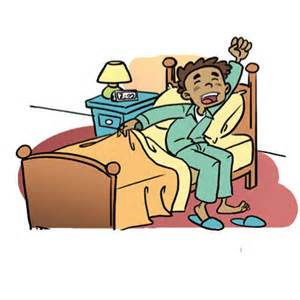
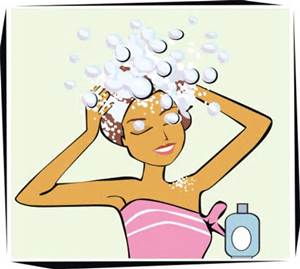
Yo (lavarse el pelo)
lavo me
te lavas
me lavo
me lavarseo
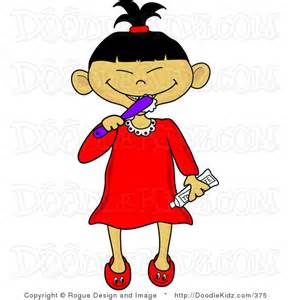
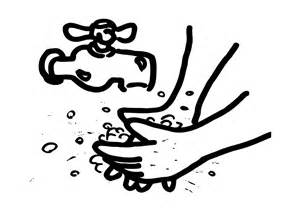
Conjugar el verbo lavarse en la forma correcta de tú.
te lava
te lavas
te lavaaba
poder
to put or place
to be able
to be powerful
to want
The best imperfect translations for "caminaba" are: (choose as many as apply) (there are 4)
I used to walk
I was walking
I walked (1 x)
I would walk
I walked (many times)
WHich three verbs are "i stems" in the preterit?
hacer, querer, salir
Salir, hacer, venir
decir, hacer, venir
hacer, venir, querer
When MUST you always use the imperfect tense?
For age and description in the past
Whenever you use a signal word.
For dates and emotions
For age and specific events.
¿Qué significa "decir"
to do or make
to say or tell
to bring
to place
De niño, yo ___ muchos dinosaurios.
era
jugaba
tenía
mentía
De niña, me gustaba saltar a la __________.
bloque
cuerda
tortuga
triciclo
Los niños construían casas con _______.
la guardería infantil
la cuerda
el patio de recreo
los bloques
Cuando éramos niños, ___ las escondidas (Hide n Seek)
jugábamos
coleccionábamos
íbamos
éramos
el juguete
toy
el oso de peluche
teddy bear
el patio de recreo
playground
el cajón de arena
sandbox
la muñeca
doll
el muñeco de acción
action figure
el columpio
swing
el subibaja
see saw / teeter totter
el tobogán
slide
¿Cuál es una respuesta correcta para esta pregunta?
¿Qué HACÍAS de niño/niña?
De niño(a), mi hermana saltaba en el trampolín
De niño(a), yo era jugar mucho con mi prima
De niño(a), yo molestaba mucho a mi hermano
De niño(a), yo hacía ver caricaturas
Cierto o falso?
.07 cents difference in the exchange rate from dollars to Euros hardly makes a difference in prices, especially when you are buying in large quantities.
cierto
falso
Many children in Mexico attend school only through which grade?
Quinto
séptimo
octavo
sexto
Match the following
séptimo
7th
primero
1st
quinto
5th
cuarto
4th
sexto
6th
Explain your understanding of "interdependent vs independent" cultures. Explain which describes American and which describes Hispanic culture better. Give an example of behaviors within each culture that differ greatly and could be misunderstood.

