
 Worksheets
Life Science 2nd Semester Review
Total questions: 88
Worksheet time: 57mins
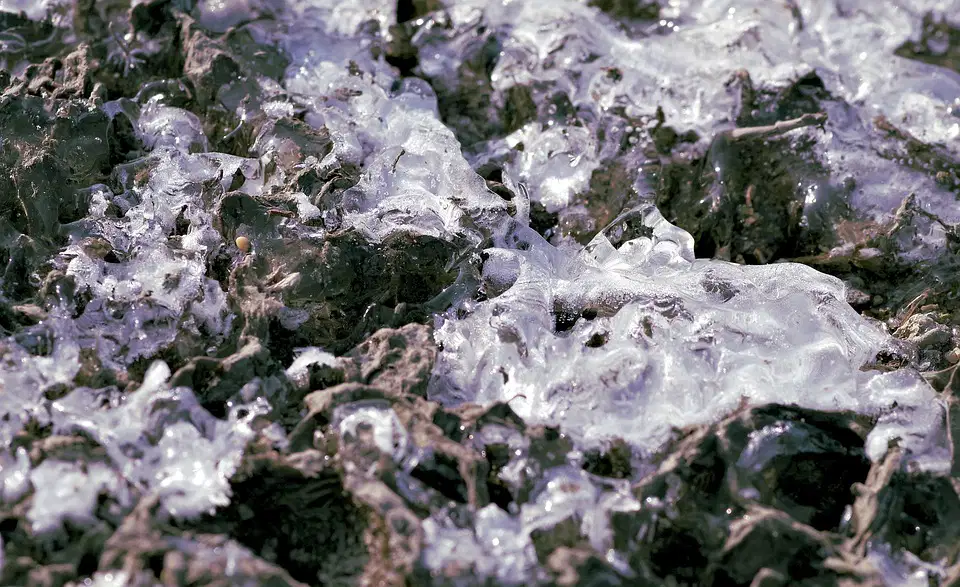

13. Has grass but few trees due to fires, drought and grazing
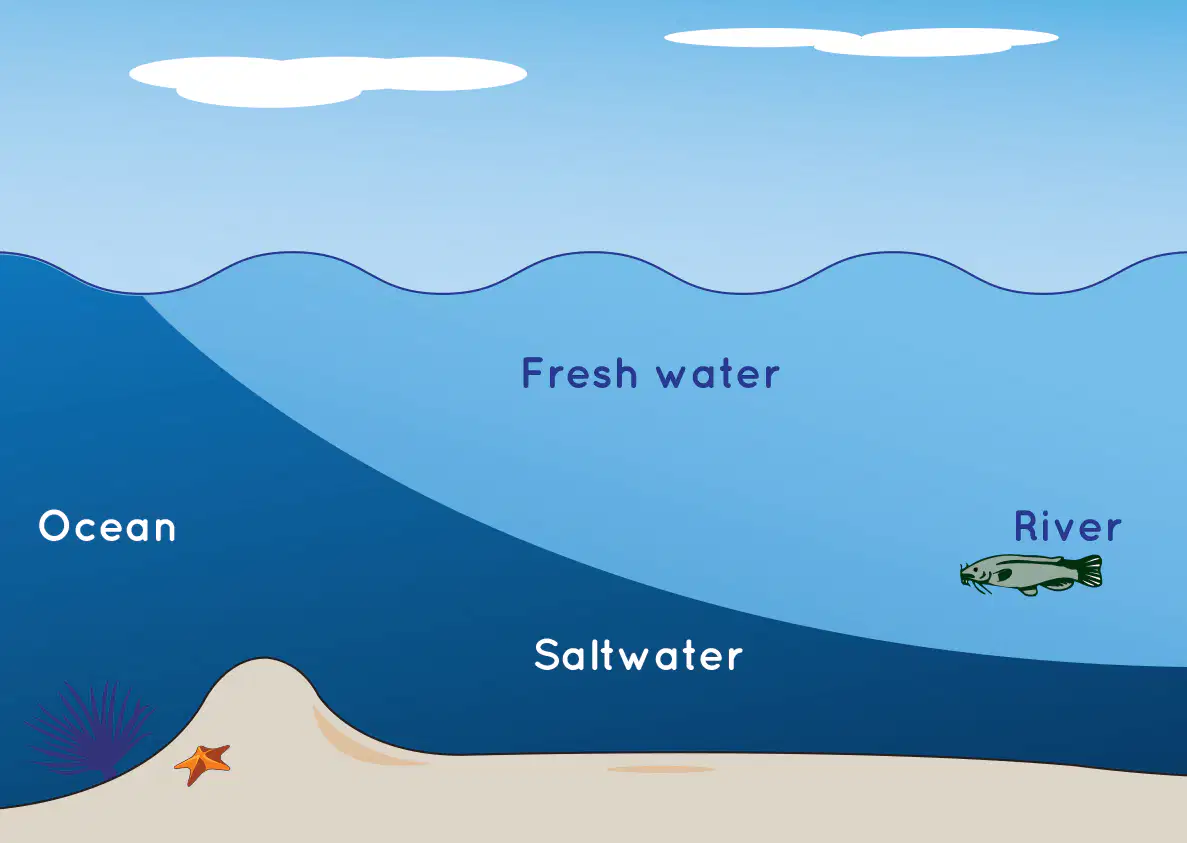
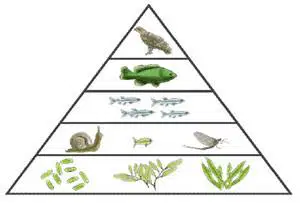

18. What are the levels of organization in ecology from smallest to largest?
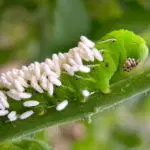

peeling a banana from the wrong end
For this question, type the word in all caps from the word bank that matches. If word is not spelled correctly or not in capital letters, credit will not be awarded.
26. study of the interactions that take place among organisms and their environment
(a)
For this question, type the word in all caps from the word bank that matches. If word is not spelled correctly or not in capital letters, credit will not be awarded.
27. biological relationship where one organism kills and eats another orgnism
(a)
For this question, type the word in all caps from the word bank that matches. If word is not spelled correctly or not in capital letters, credit will not be awarded.
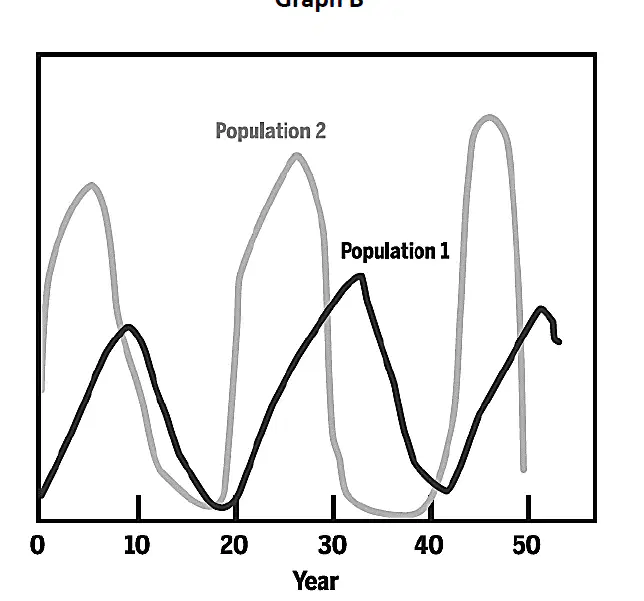
28. Name of the predator/prey relationship
(a)
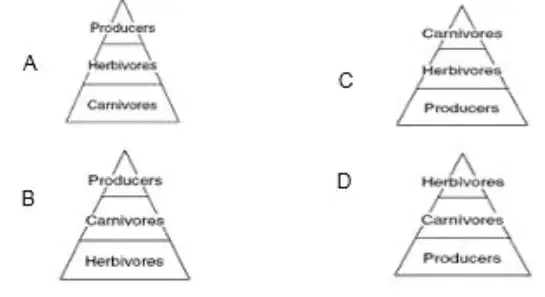
For this question, type the word in all caps from the word bank that matches. If word is not spelled correctly or not in capital letters, credit will not be awarded. 29. shows the direction in whch energy flows. As the amount of available energy decreases, the (a) becomes smaller. Each layer is called a trophic layer.
For this question, type the word in all caps from the word bank that matches. If word is not spelled correctly or not in capital letters, credit will not be awarded. 30. factor/living things within an ecosystem
(a)
For this question, type the word in all caps from the word bank that matches. If word is not spelled correctly or not in capital letters, credit will not be awarded.
31. eats producers and consumers
(a)
For this question, type the word in all caps from the word bank that matches. If word is not spelled correctly or not in capital letters, credit will not be awarded.
32. eat herbivores, omnivores, and carnivores
(a)
For this question, type the word in all caps from the word bank that matches. If word is not spelled correctly or not in capital letters, credit will not be awarded.
33. in an ecosystem refers to the unique ways an organism survives, obtains food and shelter, and avoids danger
(a)
For this question, type the word in all caps from the word bank that matches. If word is not spelled correctly or not in capital letters, credit will not be awarded.
34. largest number of individuals of a particular species that an ecosystem can support over time
(a)
For this question, type the word in all caps from the word bank that matches. If word is not spelled correctly or not in capital letters, credit will not be awarded.
35. one of any lIving thing
(a)
For this question, type the word in all caps from the word bank that matches. If word is not spelled correctly or not in capital letters, credit will not be awarded.
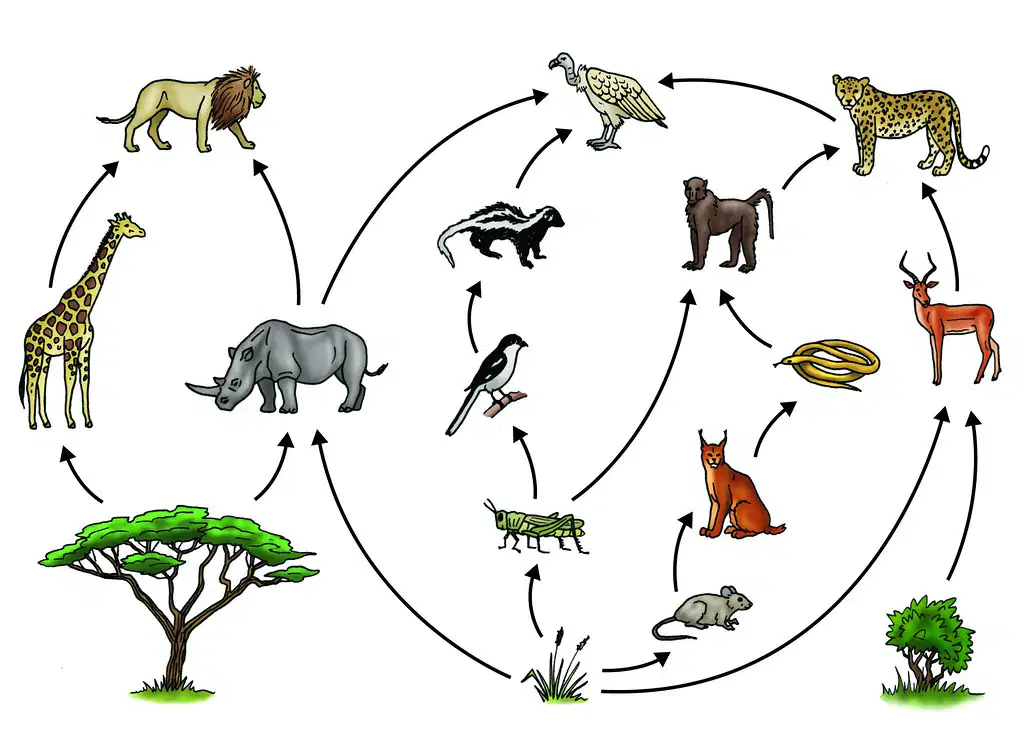
36. complex network of many interconnected food chains and feeding relationships
(a)
For this question, type the word in all caps from the word bank that matches. If word is not spelled correctly or not in capital letters, credit will not be awarded.
37. one organism benefit and the other is harmed (+,-)
(a)
For this question, type the word in all caps from the word bank that matches. If word is not spelled correctly or not in capital letters, credit will not be awarded.
38. place where an organism lives and that provides the types of food, shelter, moisture, and temperature needed for survival
(a)
For this question, type the word in all caps from the word bank that matches. If word is not spelled correctly or not in capital letters, credit will not be awarded.
39. anything that can limit the size of a population, including living and nonliving features of an ecosystem, such as predators or drought
(a)
For this question, type the word in all caps from the word bank that matches. If word is not spelled correctly or not in capital letters, credit will not be awarded.
40. eats producers
(a)
For this question, type the word in all caps from the word bank that matches. If word is not spelled correctly or not in capital letters, credit will not be awarded. 41. factor/non-living parts of an ecosystem
(a)
For this question, type the word in all caps from the word bank that matches. If word is not spelled correctly or not in capital letters, credit will not be awarded.
42. any close relationship between species, including mutualism, commensalism, and parasitism
(a)
For this question, type the word in all caps from the word bank that matches. If word is not spelled correctly or not in capital letters, credit will not be awarded.
43. animal/consumer that hunts and kills other animals for food
(a)
For this question, type the word in all caps from the word bank that matches. If word is not spelled correctly or not in capital letters, credit will not be awarded.
44. one organism benefits and the other is neither helped nor harmed (+,0)
(a)
For this question, type the word in all caps from the word bank that matches. If word is not spelled correctly or not in capital letters, credit will not be awarded.
47. consumes wastes and dead organisms
(a)
For this question, type the word in all caps from the word bank that matches. If word is not spelled correctly or not in capital letters, credit will not be awarded.
45. all the living organisms that live in an area and the nonliving features of their environment
(a)
For this question, type the word in all caps from the word bank that matches. If word is not spelled correctly or not in capital letters, credit will not be awarded.
46. large geographic areas with similar climates and ecosystems. Includes: tundra, desert, tropical rain forest, temperate rain forest, grassland, arctic tundra, termperate deciduous forest
(a)
A close relationship between two species that benefits at least one of the species is called_______.
Species
natural selection
symbiosis
ecology
Which of the following is an example of symbiosis?
A mother bear taking care of her cub
A married couple who agree to split their rent and share housework duties.
A worm living in a cow's intestine.
One chimp cleaning and grooming the hair of another chimp.
Which of the following is an example of a parasite?
A flea
An orchid
An Egyptian plover
The bacteria that live in human intestines
How is commensalism different from mutualism?
In commensalism, one species benefits while the other is unharmed; in mutualism, both species benefit
In commensalism, one species is harmed while the other benefits; in mutualism, both species benefit
In commensalism, neither species is harmed; in mutualism, one species is harmed
In commensalism, both species benefit; in mutualism, one species is harmed
When a honeybee pollinates flowers, the bee gets access to nectar, while the flowers gain the chance to reproduce. This is an example of:
Amensalism
Commensalism
Parasitism
Mutualism
Remoras are fish that swim alongside sharks, eating scraps that the sharks leave behind. This is an example of:
Amensalism
Commensalism
Parasitism
Mutualism


Which of the following shows the symbiotic relationship between the Rodent and the Bird?
Mutualism
Commensalism
Competition

Hermit Crabs live in shells made and then abandoned by snails.
Commensalism
Parasitism
Competition


Which of the following is an example of symbiosis?
A mother bear taking care of her cub
A married couple who agree to split their rent and share housework duties.
A worm living in a cow's intestine.
One chimp cleaning and grooming the hair of another chimp.
Which of the following is an example of a parasite?
A flea
An orchid
An Egyptian plover
The bacteria that live in human intestines
How is commensalism different from mutualism?
In commensalism, one species benefits while the other is unharmed; in mutualism, both species benefit
In commensalism, one species is harmed while the other benefits; in mutualism, both species benefit
In commensalism, neither species is harmed; in mutualism, one species is harmed
In commensalism, both species benefit; in mutualism, one species is harmed
When a honeybee pollinates flowers, the bee gets access to nectar, while the flowers gain the chance to reproduce. This is an example of:
Amensalism
Commensalism
Parasitism
Mutualism
Remoras are fish that swim alongside sharks, eating scraps that the sharks leave behind. This is an example of:
Amensalism
Commensalism
Parasitism
Mutualism
Which of the following shows the symbiotic relationship between the Rodent and the Bird?
Mutualism
Commensalism
Competition
Hermit Crabs live in shells made and then abandoned by snails.
Commensalism
Parasitism
Competition
Which of the following is an example of symbiosis?
A mother bear taking care of her cub
A married couple who agree to split their rent and share housework duties.
A worm living in a cow's intestine.
One chimp cleaning and grooming the hair of another chimp.
Which of the following is an example of a parasite?
A flea
An orchid
An Egyptian plover
The bacteria that live in human intestines
How is commensalism different from mutualism?
In commensalism, one species benefits while the other is unharmed; in mutualism, both species benefit
In commensalism, one species is harmed while the other benefits; in mutualism, both species benefit
In commensalism, neither species is harmed; in mutualism, one species is harmed
In commensalism, both species benefit; in mutualism, one species is harmed
When a honeybee pollinates flowers, the bee gets access to nectar, while the flowers gain the chance to reproduce. This is an example of:
Amensalism
Commensalism
Parasitism
Mutualism
Remoras are fish that swim alongside sharks, eating scraps that the sharks leave behind. This is an example of:
Amensalism
Commensalism
Parasitism
Mutualism
Which of the following shows the symbiotic relationship between the Rodent and the Bird?
Mutualism
Commensalism
Competition
Hermit Crabs live in shells made and then abandoned by snails.
Commensalism
Parasitism
Competition