
 Worksheets
Spring Bio Final Review
Total questions: 37
Worksheet time: 25mins
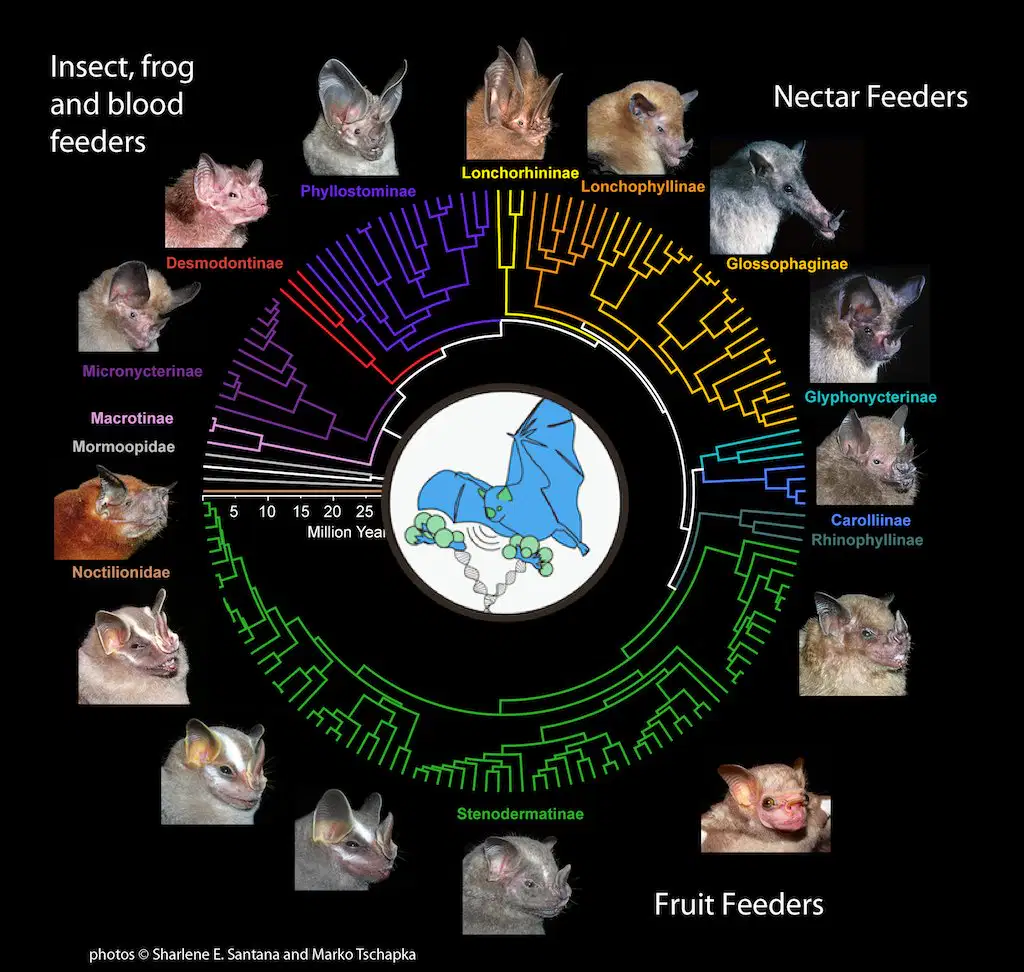
The rapid evolution of a group following its introduction into a new habitat or occupation of newly available niches is called ________________?
adaptive radiation
microevolution
coevolution
convergent evolution
divergent evolution

___ are the first organisms to colonize an area and begin the process of ecological succession.
foundational organisms
introductory organisms
primary organisms
pioneer species
What is the term that describes a steady and stable community?
peak community
turf community
climax community
disturbed community

An ecosystem that has been stable for a long period of time with a high level of species diversity.
Lichen
Pioneer Species
Climax Community
Succession
Cutting down large forests (deforestation) can result in:
little to no changes
more homes for animals
less plants to absorb carbon dioxide, a greenhouse gas
Which is not a way to protect endangered species?
Campaign against excessive tree logging
Enforcing environmental protection laws
Avoid buying products sourced from endangered species
Dumping plastic into the ocean

Which trait should go where A is on the cladogram?
eyes
feet
lips
hat
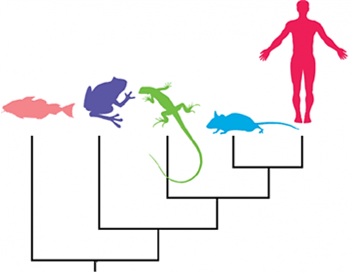
According to this phylogenetic tree, which creature is the least related out of all pictured?
Fish
Frog
Salamander
Human

Whales have pelvic bones. What type of structure does this best represent?
Homologous structure
Analogous structure
Vestigial structure
None of the above
Evolved from the same ancestor, but have different functions, can have similar amino acid sequences
Homologous structures
Analogous structures
Vestigial structures
All of the above

According to this cladogram, sharks are MOST closely related to which organism?
Amphibians
Ray-Finned Fish
Primates

Who is most closely related to Taxidea taxus?
Lutra lutra
Panthera pardus
Canis latrans
Canis lupus

Which type of genetic information can viruses contain?
DNA
viruses do not contain genetic information
Viral proteins
RNA
Which of the following is/are true of viruses?
They are unicellular
They are multicellular
They must infect a host to replicate its DNA.
They contain a nucleus
Why is it important to finish ALL of an antibiotic, even if you feel better?
If all of the infectious bacteria are not killed, the bacteria may continue to multiply. Some of these bacteria may have a mutation that makes them resistant to the antibiotic. This could cause resistant bacteria to spread.
If all of the antibiotic is not used, the surviving bacteria may learn how to fight off the antibiotic, causing the sickness to get even worse.
If all of the antibiotic is not used, the bacteria may begin ingesting your skin cells, causing a new sickness to arise.
If all of the antibiotic is not used, the surviving bacteria may cooperate with other infectious bacteria, resulting in two separate infections at the same time.

The parents of a new baby believe they brought the wrong child home from the hospital. Gel electrophoresis was performed using DNA samples from the parents and the child. A section of the gel
electrophoresis results is shown below. Which conclusion is valid based on the gel electrophoresis results?
They have the correct child, because her genetic information is identical to that of the father.
They have the wrong child, because her genetic information does not match that of either parent.
They have the correct child, because her genetic information matches the genetic information from both parents.
They have the wrong child, because her genetic information matches only that of the mother.
Which equation represents Cellular Respiration


In an energy pyramid, energy _________ as you move up the pyramid.
increases
decreases
stays the same
changes up and down

In this energy pyramid, which organisms have the most energy available?
Producers
Carnivores
Herbivores
Top Predator

The 10% rule states that 10% of energy moves from each trophic level to the next.
In the pyramid, if the producers level contains 1234 calories, how many calories are transferred to the primary consumer level?
123.4
1.234
1234
1234
The 10% rule states that 10% of energy moves from each trophic level to the next.
In the pyramid, if the producers level contains 1234 calories, how many calories are transferred to the bird (apex predator)?
123.4
1.234
1234
1234

Which of the following statements about this food web is FALSE?
The ultimate source of energy for the whole food web is the radiant energy of the sun.
Arrows in a food web show the direction that energy moves from one trophic level to another.
Energy is used up by each trophic level, and lost as heat energy.
100% of the energy made by the vegetation is passed to the geese and mute swans.

A species whose presence or absence has a huge impact on the healthiness of the ecosystem.
keystone
invasive
engineer
predator
____________________ interactions may reduce the number of organisms or eliminate whole populations of organisms.
Competitve
Predator-Prey
Both Competitive & Predator-Prey
Any!
True or false: An ecosystem with lots of biodiversity is usually healthier than an ecosystem with less biodiversity.
True
False
When two or more populations no longer successfully reproduce it is called...
species
order
speciation
a shame
In the food chain: kelp ---> clam ---> sea star ---> sea otter, which organism is the tertiary consumer?
kelp
clam
sea star
sea otter

