
 Worksheets
Life Science Final Exam
Total questions: 78
Worksheet time: 39mins
Name
Class
Date
1.
All of the following are common traits of plants except:
a)
Plants make their own food
b)
Plants have cell walls outside their cell membranes
c)
All Plants produce fruit and flowers
d)
Plants reproduce with a 2 part life cycle
2.
True or False: Vascular Plants DO have vessels that transport materials throughout the plant
a)
True
b)
False
3.
Non-vascular plants do not contain ______________
a)
Vessels
b)
Vassals
c)
Cells
d)
Ribosomes
4.
Vascular plants that produce seeds but not flowers are known as:
a)
Angiosperms
b)
Gymnosperms
5.
Angiosperms use what protective case for their seed?
a)
Pinecone
b)
Fruit
c)
Seed Shell
d)
Exoskeleton
6.
This type of vascular plant is used for farming (we eat what they produce)
a)
Angiosperms
b)
Gymnosperms
7.
Plants that complete their life cycle in 1 growing season are known as:
a)
Annual
b)
Biennial
c)
Perennial
8.
Plants that go dormant in the winter and grow in the spring are known as:
a)
Annual
b)
Biennial
c)
Perennials
9.
Plants Need 3 Basic Things: Click all that apply
a)
Soil
b)
The sun's energy
c)
Water
d)
Shelter
e)
Salt
10.
This anchors plants roots and holds onto water so that the plant can absorb it when its needed
a)
Soil
b)
Stems
c)
Leaves
d)
Roots
11.
What is photosynthesis?
a)
The process by which plants hunt
b)
The process by which plants use energy from the sun to make their own food
c)
The process by which plants grow towards or away stimuli
d)
The process by which plants absorb needed minerals and work them up their stem
12.
What are the products of photosynthesis
a)
6 Molecules of Oxygen and Glucose
b)
6 Molecules of Carbon Dioxide and 6 Molecules of Water
c)
6 Molecules of Water and 6 Molecules of Oxygen
d)
6 Molecules of Carbon Dioxide and Glucose
13.
Fill in the blank for the photosynthesis equation
6CO2 + 6H2O --Sunlight--> ____________ + 6O2
a)
C6H12O6
b)
C3H12O3
c)
C2H12O2
d)
C12H6O12
14.
True or False: Osmosis is the movement of water across a membrane
a)
False
b)
True
15.
Plants that grow from seeds and reproduce from seeds are known as?
a)
Seedless Plants
b)
Sporophytes
c)
Seed Plants
d)
Dandelions
16.
The three main parts of plants include all of the following except:
a)
Roots
b)
Stamens
c)
Stems
d)
Leaves
17.
This part of a plant grows into the ground as deeply as the plant reaches above ground
a)
Stems
b)
Leaves
c)
Stamens
d)
Roots
18.
This part of plants is above ground and have 3 main functions:
1) Transport Materials up the plant
2) Store materials such as water and food
a)
Support the plant by holding up the leaves so they can absorb sunlight for photosynthesis and holding up flowers for pollination
b)
Contain the stomata
c)
Absorb water and dissolved minerals by the plants
d)
Allows for photosynthesis to take place
19.
Tree rings tell us:
a)
How tall the plant is
b)
How old the plant is and what happened in its life
c)
If it is a male or female plant
d)
Where in the world that plant was located
20.

What type of leaf is this?
a)
Simple Leaf
b)
Compound Leaf
21.
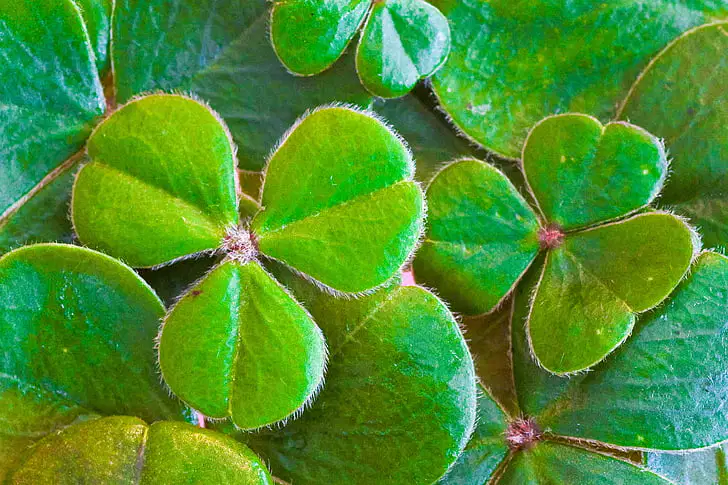
What type of leaf is this?
a)
Simple Leaf
b)
Compound Leaf
22.

What part of the leaf is represented by letter D?
a)
Leaf Stalk
b)
Leaf Blade
c)
Leaf Stem
d)
Nodule
23.
A Venus fly trap catching a fly that landed on it is an example of what type of movement:
a)
Solar Tracking
b)
Positive Tropism
c)
Nastic Movement
d)
Negative Tropism
24.
A flower/plant that rotates itself so that it follows the sun all day long is an example of what type of movement?
a)
Solar Tracking
b)
Positive Tropism
c)
Nastic Movement
d)
Negative Tropism
25.
Which is bigger, male or female pinecones?
a)
Male
b)
Female
26.
A change in the growth of a plant in response to a stimulus is known as:
a)
Hypertrophy
b)
Nastic Movement
c)
Tropism
d)
Tracking
27.
Pollination that occurs with different plants instead of the same ones is known as:
a)
Cross Pollination
b)
Criss Pollination
c)
Regular Polination
d)
Pollinator Pollination
28.
Animals WITHOUT a Backbone are considered to be
a)
Vertebrates
b)
Invertebrates
29.
Animals WITH a Backbone are considered to be
a)
Vertebrates
b)
Invertebrates
30.
A majority of animals on Earth are:
a)
Vertebrates
b)
Invertebrates
31.
Invertebrates are classified based on Symmetry. Invertebrates that are NOT the same on both sides are
a)
Symmetrical
b)
Asymmetrical
32.
True or False: Invertebrates can reproduce Asexually through a process called Regeneration: where a part of an organism breaks off and will grow into a new organism.
a)
True
b)
False
33.
The purpose of the backbone is to protect the:
a)
Heart
b)
Brain
c)
Kidneys
d)
Spinal Cord
34.
TRUE or FALSE: All vertebrates have a skull to protect their brain
a)
True
b)
False
35.
Vertebrates that need to use the environment to regulate their body temperature are known as:
a)
Endotherms
b)
Ectotherms
36.
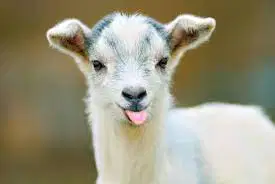
Classify this Animal:
a)
Vertebrate
b)
Invertebrate
37.
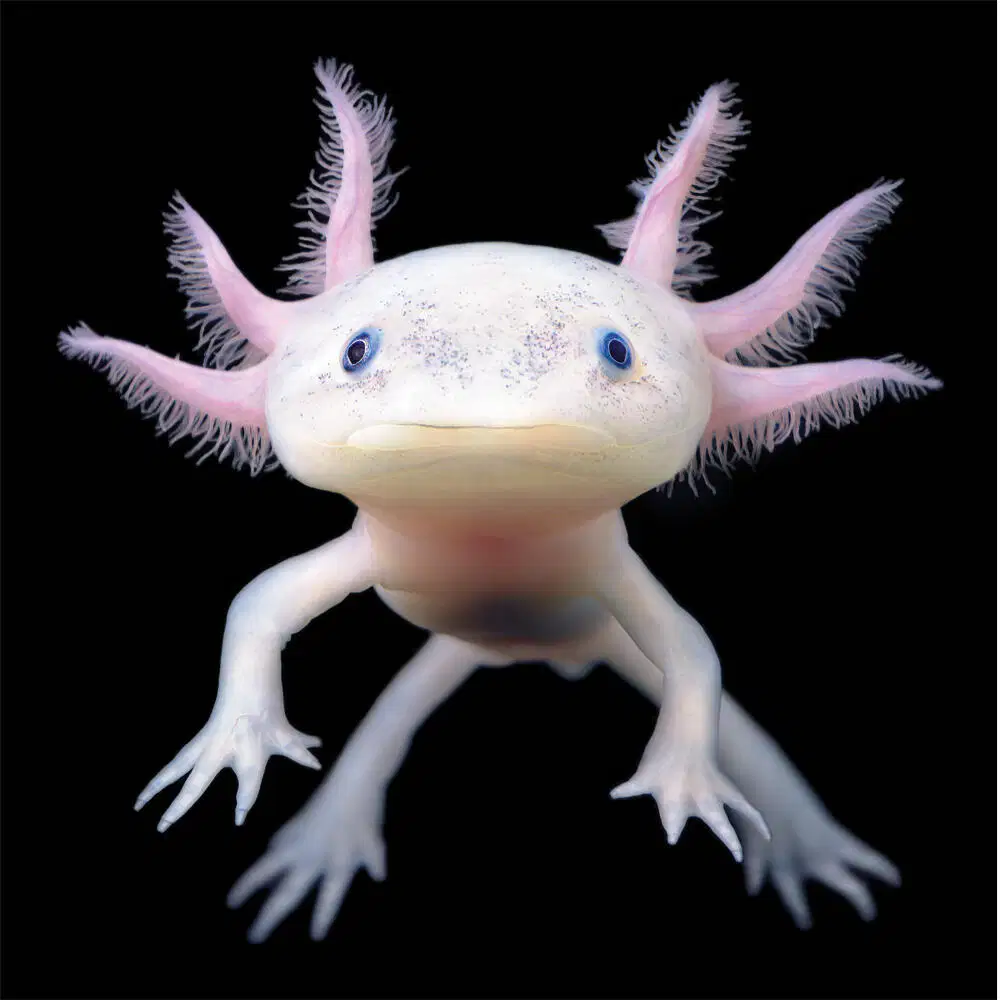
Classify this Animal:
a)
Vertebrate
b)
Invertebrate
38.
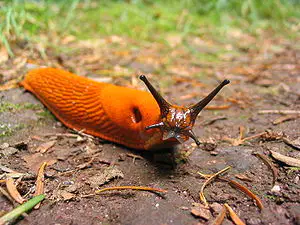
Classify this Animal:
a)
Vertebrate
b)
Invertebrate
39.

Classify this Animal:
a)
Vertebrate
b)
Invertebrate
40.
Crabs and Lobsters are Crustaceans that fit into the Category ________________, same as Insects
a)
Arthropods
b)
Vertebrates
c)
Mammal
d)
Spiders
41.
True or False: Clam Fisherman would cut star fish in half, thinking they would be ridding themselves of a problem, when in fact they were making it worse by allowing the starfish to regenerate
a)
True
b)
False
42.
Select all that apply (Pick 4): What organisms below fit into the category Cnidarian?
a)
Hydrozoans
b)
Jellyfish
c)
Sea Anemone
d)
Corals
e)
Blobfish
43.
Clams, Oysters and Scallops are all mollusks that have 2 shells, meaning they are:
a)
Gastropods
b)
Valves
c)
Cephalopod
d)
Bivalves
44.
Snails only have 1 shell meaning they are considered a:
a)
Gastropod
b)
Valve
c)
Cephalopod
d)
Bivalve
45.
Octopus and Squid have no shell, but instead have tentacles, meaning they are considered:
a)
Gastropods
b)
Valves
c)
Cephalopods
d)
Bivalves
46.
Animals that can internally regulate their body temperatures are known as?
a)
Ectotherms
b)
Endotherms
47.
In order to cool off Ectotherms can do all of the following except:
a)
Lift their body off the ground to let cool air flow underneath them
b)
They bask in the sun
c)
Seek shade or bury in the sand
d)
Lighten their skin tone to reflect the heat
48.
When reptiles and amphibians lie out in the sun they ________?
a)
Bask
b)
Sprawl
c)
Sunbathe
d)
Sunning
49.
Which of the following include Reptiles?
a)
Turtles
b)
Lizards
c)
Snake
d)
Crocodiles
e)
Alligators
50.
True or False: When reptiles hatch from eggs, they look like miniature versions of their full grown selves.
a)
True
b)
False
51.
This reptile has a plate of bone that surrounds and protects its vital organs.
a)
Snakes
b)
Turtles
c)
Alligators
d)
Toads
52.
True or False: Lizard habitats can very from dry land in deserts to being mainly aquatic living in water
a)
False
b)
True
53.
This type of snake squeezes their prey
a)
Non-venomous Snake
b)
Constrictor Snake
c)
Venomous Snake
54.
This type of snake injects toxins into their prey:
a)
Non-venomous Snake
b)
Constrictor Snake
c)
Venomous Snake
55.

What type of reptile is this?
a)
Alligator
b)
Crocodile
56.
A majority of amphibians can be found in what area of Earth:
a)
Tundra
b)
Rainforest
c)
Deciduous Forest
d)
The Everglades
57.
Tadpoles are infant:
a)
Frogs/Toads
b)
Salamanders/Newts
c)
Alligator/Crocodiles
d)
Snakes
58.
This process is how baby amphibians hatch and develop into grown adults
a)
Metamorphosis
b)
Mutatuion
c)
Maturity
d)
Changeling
59.
During Metamorphosis amphibian babies lose their:
a)
Arms
b)
Legs
c)
Torso
d)
Tail
60.
For the toxins to harm you with a poisonous animal you have to:
a)
Get bit by it
b)
Bite it yourself
61.
True or False: Amphibians have the ability to skin-breathe
a)
True
b)
False
62.
Which of the following are Amphibians
a)
Frogs
b)
Toads
c)
Salamanders
d)
Newts
e)
Caecilians
63.
This type of salamander is found closer on land than in water
a)
Nuke
b)
Newt
c)
Salamander
d)
Fire Frog
64.
True or False: Reptiles are very sensitive to pollution because skin breathe and they are in water all the time.
a)
True
b)
False
65.
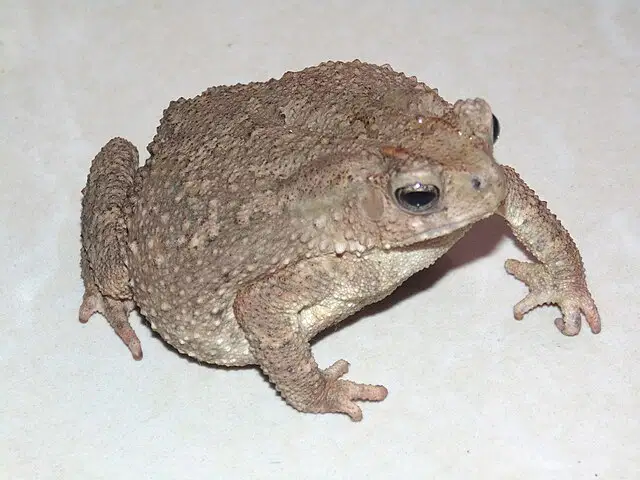
What type of Amphibian is this?
a)
Frog
b)
Toad
66.
This structure helps Fish breathe underwater
a)
Lungs
b)
Skin
c)
Adenoids
d)
Gils
67.
The 3 types of fish include all of the following except:
a)
Jawless Fish
b)
Cartilaginous Fish
c)
Bony Fish
d)
Jaw Fish
68.
When birds travel long distances in search of food, nice weather, or mating it is known as:
a)
Illumination
b)
Migration
c)
Emigration
d)
Leaving
69.
The birds bone is where powerful wing muscles attach and allow them to fly
a)
Starboard
b)
Stern
c)
Port
d)
Keel
70.
True or False: Bird bones are hollow?
a)
True
b)
False
71.
All of the following are characteristics of Mammals except:
a)
They are invertebrates
b)
They are endotherms
c)
They have fur or hair
d)
They produce milk to feed offspring
72.
Placental Mammals:
a)
Have offspring in eggs
b)
Have an offspring that climbs into a pouch to develop
c)
Have offspring that develop internally attached to their parent that keeps them alive
73.
Kangaroos, Wallaby and Koala fit into what category of mammal?
a)
Rodent
b)
Marsupial
c)
Carnivore
d)
Sea Mammal
74.
Flying Mammals are all:
a)
Squirrels
b)
Birds
c)
Bats
d)
Insects
75.
Mice, Rats, Porcupine and Capybara fit into what category in Mammal?
a)
Rodent
b)
Hoofed Mammal
c)
Insectivora
d)
Carnivore
76.
Mammals that eat only meat are considered in what category?
a)
Autotroph
b)
Herbivore
c)
Omnivore
d)
Carnivore
77.
Mammals that have hard hooves fit into what category?
a)
Sea Mammal
b)
Rodent
c)
Tootless Mammals
d)
Hoofed Mammal
78.
Mammals that have highly developed brains and flexible fingers and toes are considered:
a)
Sea Mammals
b)
Primates
c)
Insectiovra
d)
Rabbits
100 %