
 Worksheets
The Water Cycle
Total questions: 30
Worksheet time: 3600secs
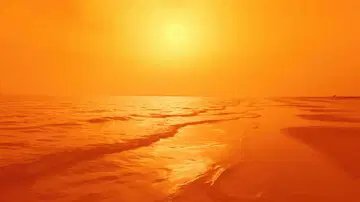
During a sunny day at the beach, Mia noticed the water level decreasing. She learned that the sun provides
energy for water to evaporate from oceans, lakes and rivers.
water for evaporation to happen.
energy to produce electricity.
water for condensation to happen.
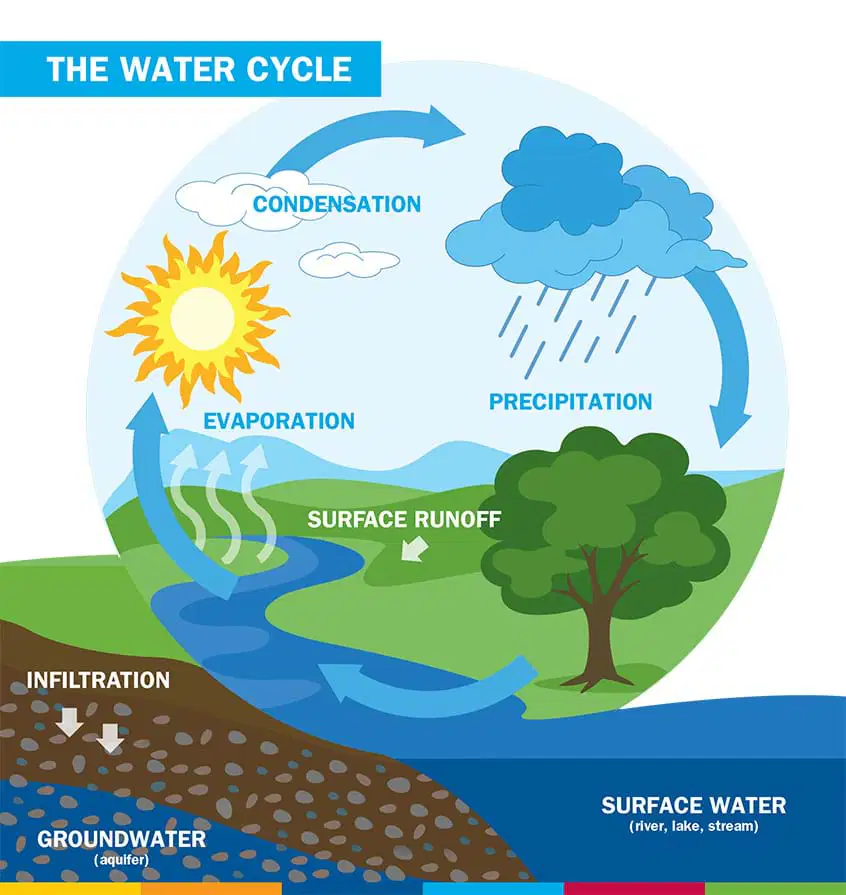
In observing the natural environment, Evelyn noted that the water cycle has
a beginning and an end.
no beginning an no end.
only a beginning.
only an end.

During a science class experiment, Noah, Ethan, and Kai observed water vapor cooling in a closed container. At which stage do clouds form in this scenario?
condensation
evaporation
precipitation

During a biology class, Elijah observed a plant closely and noticed water vapor around its leaves. What is this process called where plants give off water vapor as a waste product?
condensation
evaporation
sublimation
transpiration
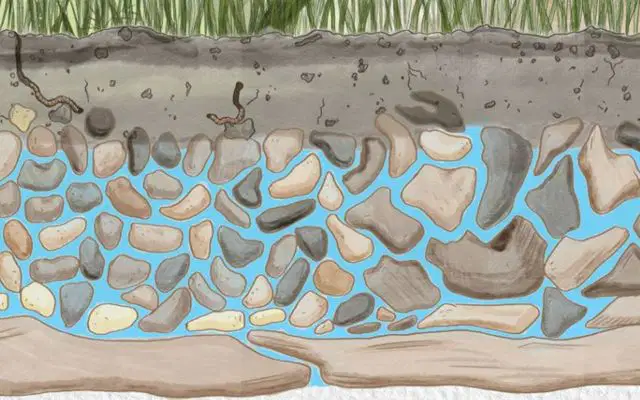
During a school project, Michael, Rohan, and Grace are investigating why the water from their local well is cleaner compared to the nearby river. Why does this groundwater usually require less treatment than surface water?
The layers of Earth protect groundwater from pollutants.
As groundwater sinks into the ground, the layers of rock act like a natural filter and remove pollutants from the water.
Surface water has more exposure to pollutants in runoff and the atmosphere.
All of the above.

During a field trip, Aiden, Maya, and Avery observe a model of a river system at a science museum. The model illustrates various stages in the water cycle. During which stage does water flow back towards the sea as runoff?
W
X
Y
Z

During a winter school trip, Lily noticed that while they were at higher altitudes, the precipitation was mostly snow, but as they descended to lower altitudes, it turned to rain. Ethan, curious about this change, asked why different forms of precipitation occur. What factor is responsible for these variations?
Evaporation
Run-off
Temperature
Transpiration

When water on the grass outside Ethan's house _________, dew forms.
Melts
Evaporates
Condenses
Precipitates
During a hot day at the beach, Olivia noticed that the water level in her bottle was decreasing even though it was sealed. This is an example of ________, where liquid water turns into water vapor due to heat from the sun.
Condensation
Transpiration
Sublimation
Evaporation
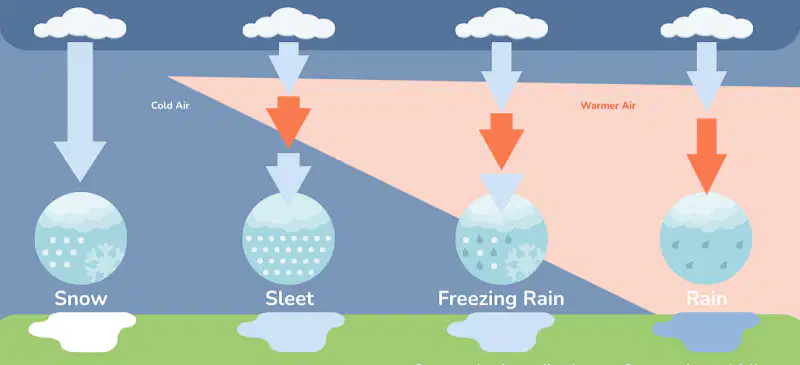
During a school field trip, Jackson noticed that water was being released from clouds in various forms. He described this phenomenon as _________. It could be in the form of rain, freezing rain, sleet, snow, or hail.
Condensation
Precipitation
Evaporation
Sublimation
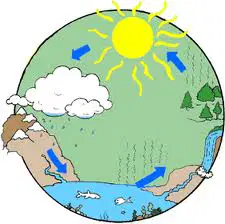
Imagine a scenario where Oliver, James, and William are studying the water cycle in their science class. They learn that the water on our planet is the same water that was here millions of years ago, yet it is continuously moving and being recycled through the water cycle.
True
False
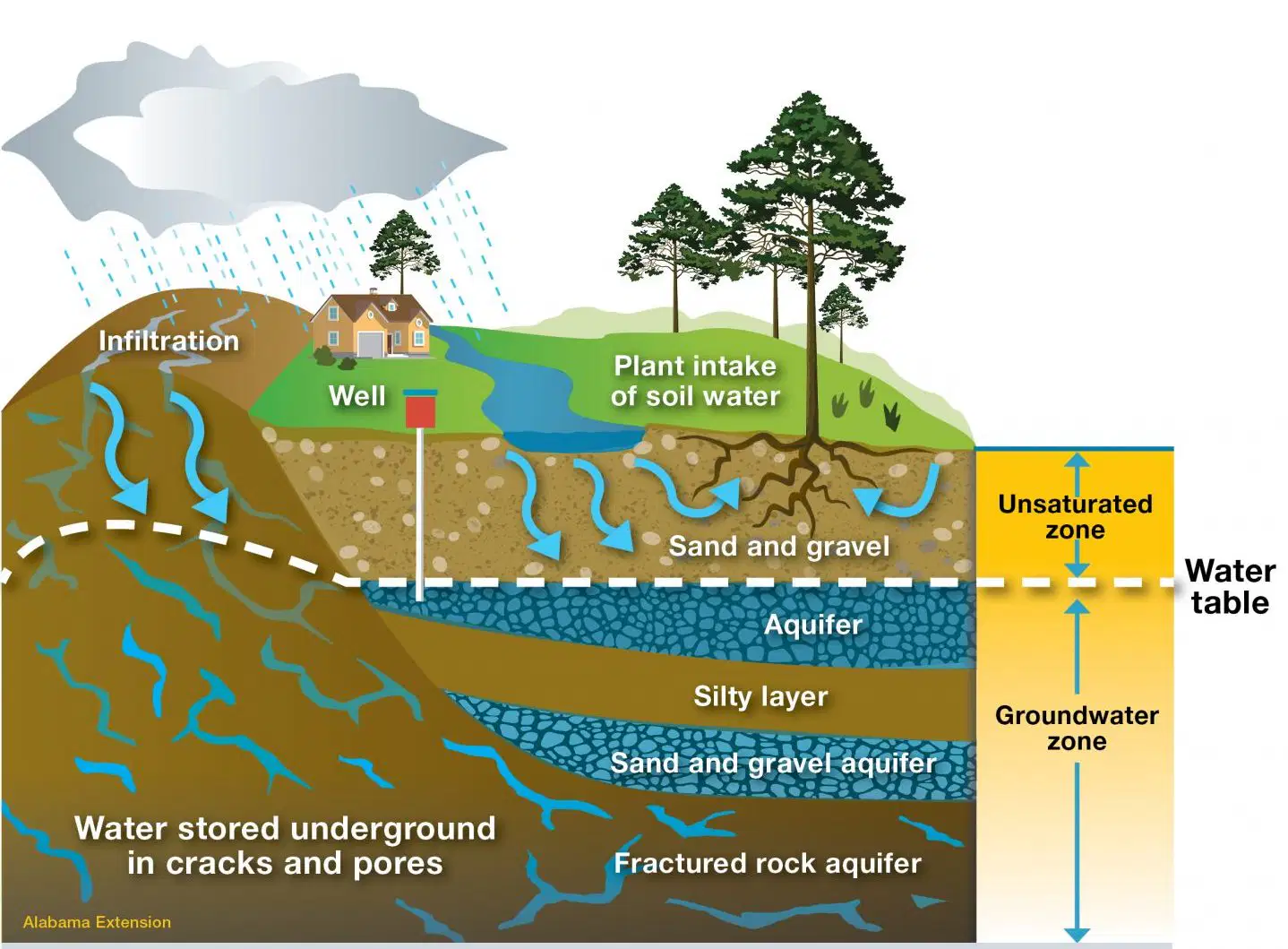
While studying for a geography project, Zoe, Emma, and Grace learned about an underground layer of sand, gravel, or rock that stores and carries water. What is this layer called?
water table
water cycle
aquifer
Infiltration

During a field trip, Avery, Ethan, and Anika observed the top of the water surface in a saturated part of an aquifer. What is this top layer called?
water table
Water cycle
aquifer
Percolation
Imagine Daniel and Charlotte are observing the sky after a sunny day. They notice the process of changing a vapor into a liquid, which occurs when warm vapor mixes with cooler air in the atmosphere. What is this process called?
Transpiration
Evaporation
Condensation
Precipitation
Charlotte observes the continuous movement of water from the earth into the atmosphere during her science project. What is this process called?
Water Table
Percolation
Aquifer
Hydrologic cycle
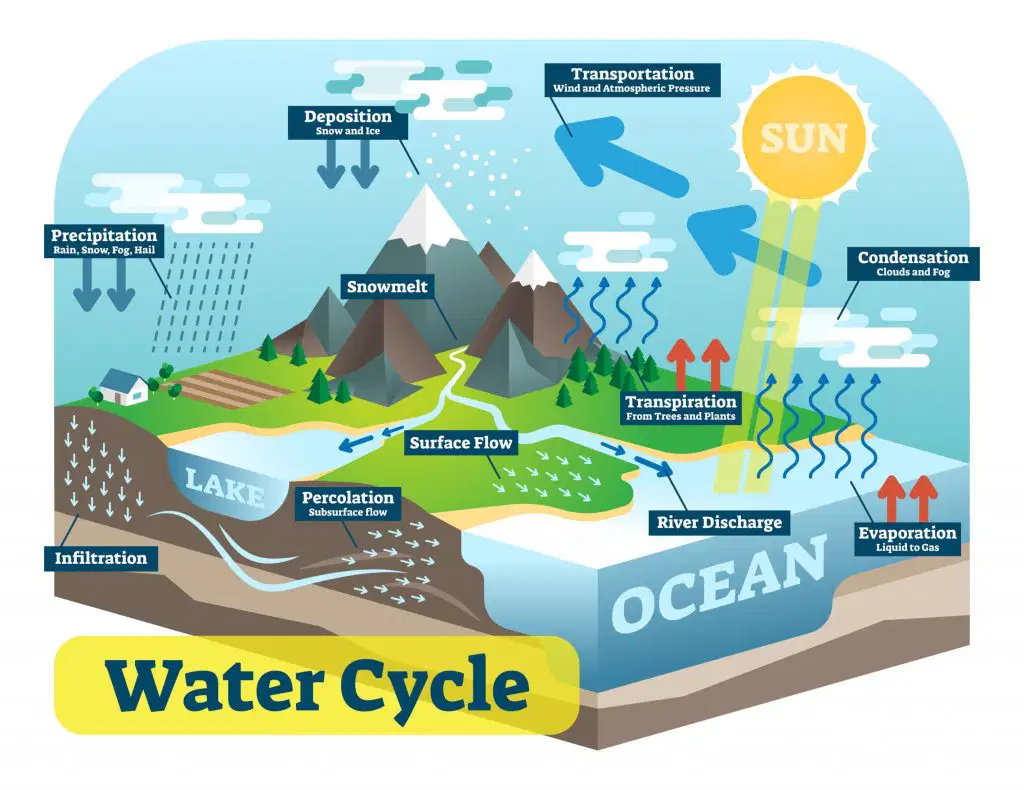
During a school science project, Jackson, Emma, and Avery observed the process by which water moves through the soil in their garden. What is this process called?
Precipitation
Percolation
Condensation
Evaporation
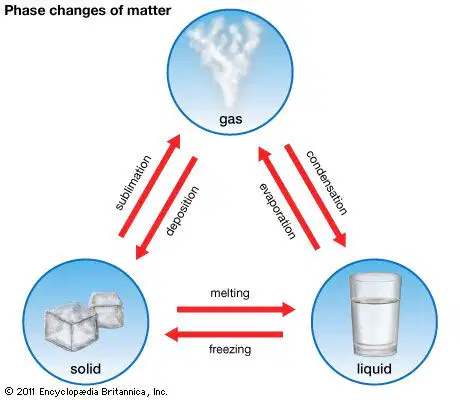
Grace observes a block of dry ice (solid CO2) in her science class and notices it turns directly into gas. What is this process called, where frozen water skips the melting stage and turns into water vapors?
Sublimation
Percolation
Transpiration
Evaporation
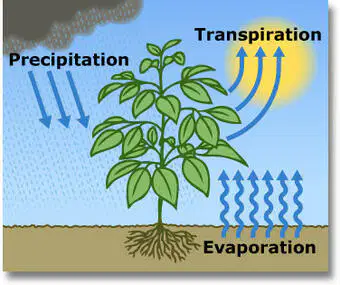
During a school science project, Noah observed that plants in their garden were giving off moisture and releasing water into the air. What is this process called?
Precipitation
Evaporation
Transpiration
Runoff
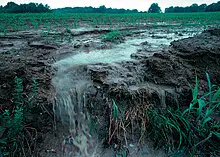
During a heavy rainstorm, water running off Henry's farm is
Evaporation
Sublimation
Transpiration
Run-off
During a school field trip, Aria noticed that the clouds were getting darker. Liam explained that when clouds get too heavy and water falls back to earth, it can be in the form of rain, snow, hail, or other forms. What is this process called?
Precipitation
Evaporation
Percolation
Transpiration
During a sunny day at the beach, Aria noticed that the level of water in her bottle was decreasing even though the bottle was sealed. What process changes the liquid water into water vapor gas, which then floats up into the skies to become clouds?
Evaporation
Precipitation
Condensation
Runoff
During a field trip, Samuel, Mia, and Mason observed a water cycle diagram. Which of the following sequences did they confirm as correct in the diagram?
Evaporation -> Transpiration -> Groundwater
Precipitation -> Condensation -> Evaporation
Evaporation -> Sublimation -> Precipitation
Condensation -> Precipitation -> Runoff
During a school science project, Kai, Arjun, and Olivia observed the water cycle. Which process allows water to return to the Earth's surface?
Evaporation
Transpiration
Condensation
Precipitation
During a biology class, Hannah observed that moisture is carried through a plant from roots to small pores on the underside of leaves, where it changes to vapor and is released to the atmosphere. This process, essentially evaporation of water from plant leaves, is called ______________.
Transpiration
Percolation
Infiltration
Plant Uptake
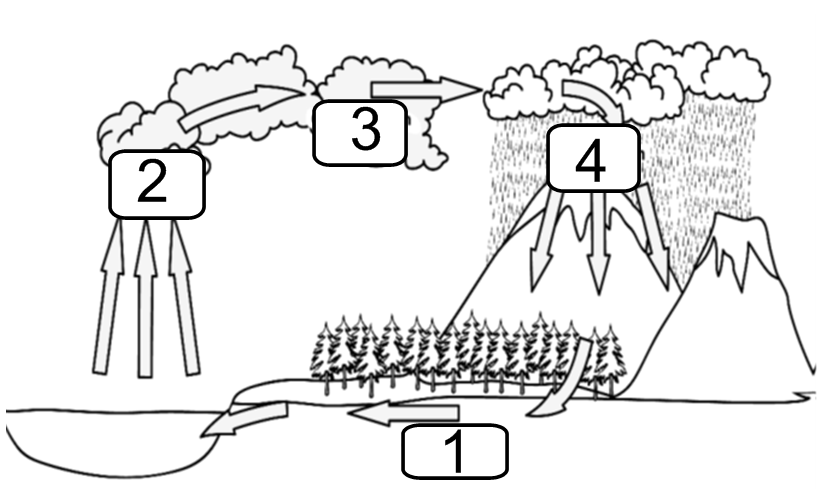
During a field trip, Isla observed a diagram of the water cycle. Which stage does the #2 show in the diagram?
condensation
evaporation
precipitation
run off

During a field trip, Luna observed a diagram of the water cycle. Which stage does the #3 show in the diagram?
condensation
evapotranspiration
precipitation
run off
Aria is studying the water cycle and asks why runoff is important. Which best explains why runoff is important?
It returns water to other locations on Earth
It increases the chance of flooding
It makes evaporation occur faster
It increases condensation
During a geography lesson, Elijah asked, 'How much of our planet is estimated to be covered with water?'
68%
50%
97%
75%

During a geography class, Charlotte asked, 'What does groundwater do?'
It sends water to our buildings, houses, and water transplant places
to the sky
to the sun
To the Earth's surfaces

During a field trip, Abigail observed that water collects in rivers, lakes, and oceans. Which process is she observing?
Infiltration
Run-off
Accumulation
Precipitation

