
 Worksheets
Properties of Matter Quiz
Total questions: 14
Worksheet time: 7mins
Name
Class
Date
1.
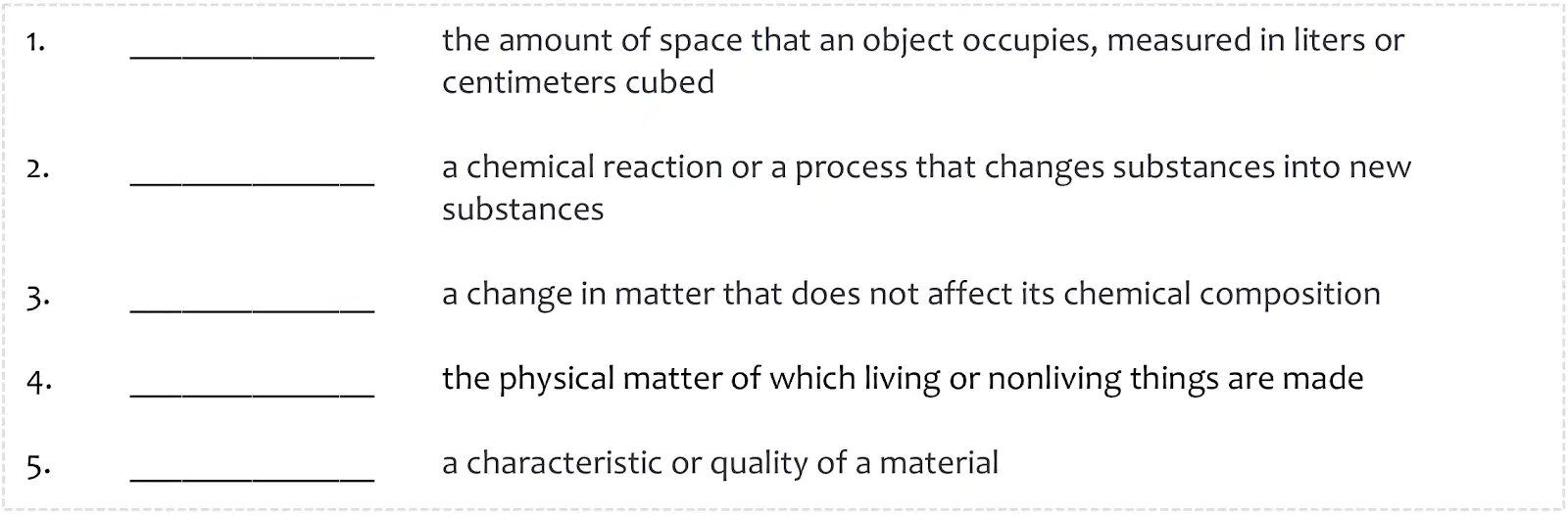
1. MATCH the expression CHEMICAL CHANGE with the definition:
a)
A. the amount of space that an object occupies, measured in liters or centimeters cubed
b)
B. a chemical reaction or a process that changes substances into new substances
c)
C. a change in matter that does not affect its chemical composition
d)
D. the physical matter of which living or nonliving things are made
e)
E. a characteristic or quality of a material
2.
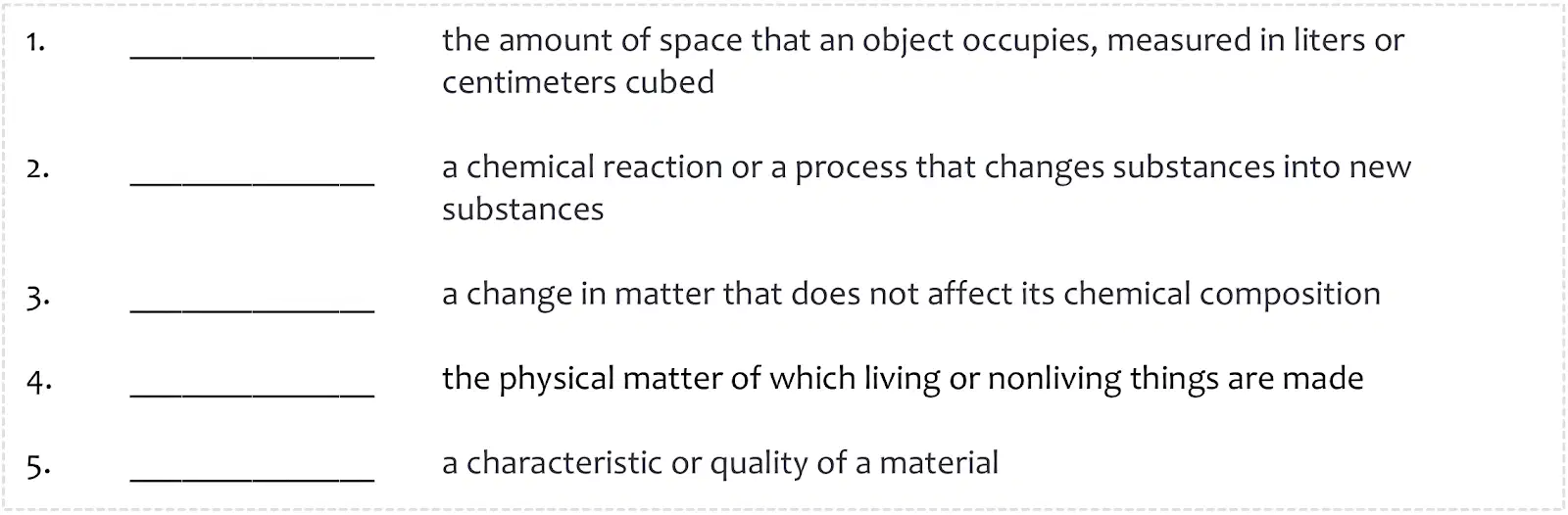
2. MATCH the expression VOLUME with the definition:
a)
A. the amount of space that an object occupies, measured in liters or centimeters cubed
b)
B. a chemical reaction or a process that changes substances into new substances
c)
C. a change in matter that does not affect its chemical composition
d)
D. the physical matter of which living or nonliving things are made
e)
E. a characteristic or quality of a material
3.
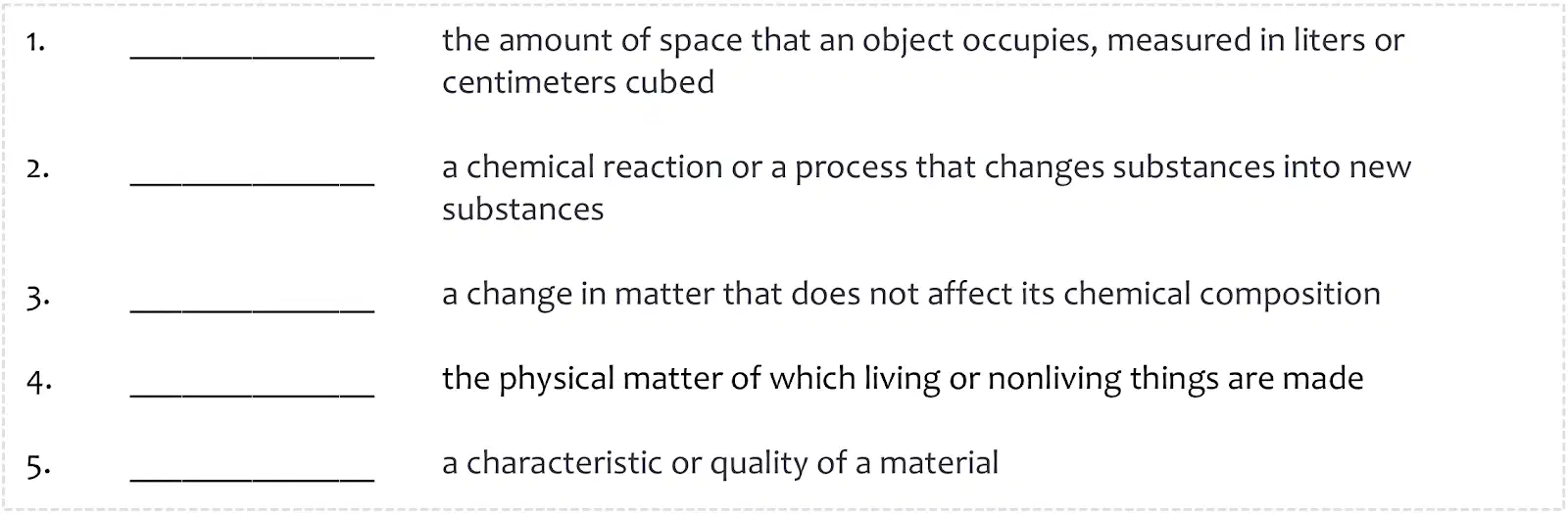
3. MATCH the expression PROPERTY with the definition:
a)
A. the amount of space that an object occupies, measured in liters or centimeters cubed
b)
B. a chemical reaction or a process that changes substances into new substances
c)
C. a change in matter that does not affect its chemical composition
d)
D. the physical matter of which living or nonliving things are made
e)
E. a characteristic or quality of a material
4.
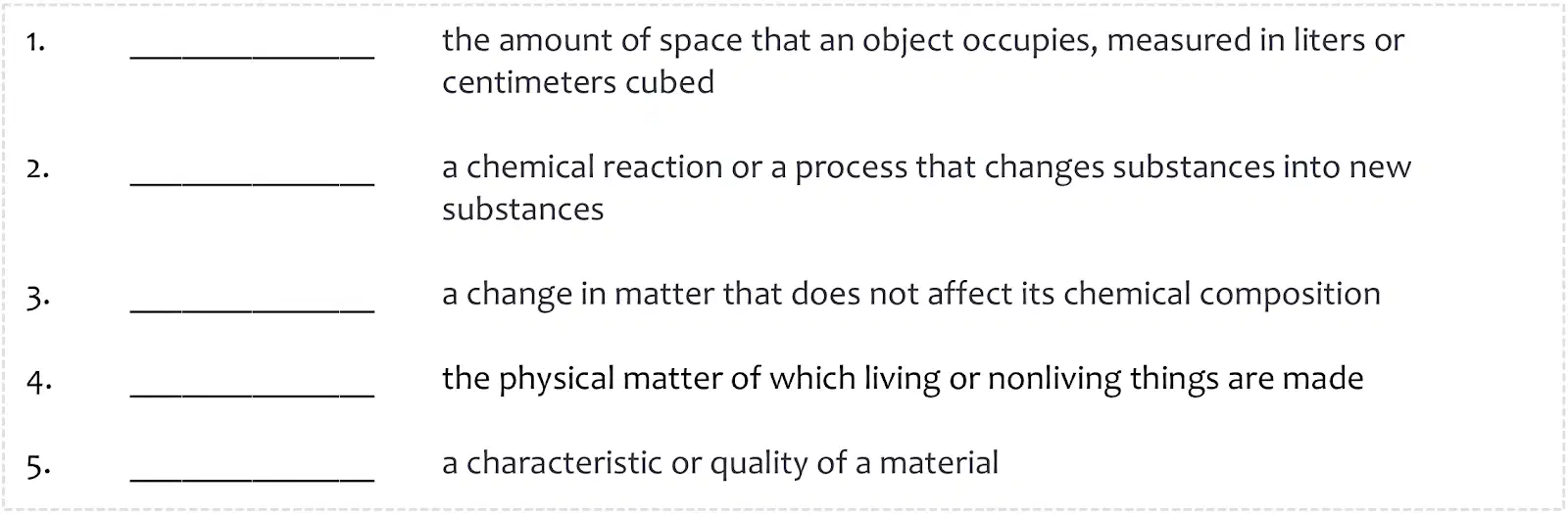
4. MATCH the expression SUBSTANCE with the definition:
a)
A. the amount of space that an object occupies, measured in liters or centimeters cubed
b)
B. a chemical reaction or a process that changes substances into new substances
c)
C. a change in matter that does not affect its chemical composition
d)
D. the physical matter of which living or nonliving things are made
e)
E. a characteristic or quality of a material
5.
5. MATCH the expression PHYSICAL CHANGE with the definition:
a)
A. the amount of space that an object occupies, measured in liters or centimeters cubed
b)
B. a chemical reaction or a process that changes substances into new substances
c)
C. a change in matter that does not affect its chemical composition
d)
D. the physical matter of which living or nonliving things are made
e)
E. a characteristic or quality of a material
6.
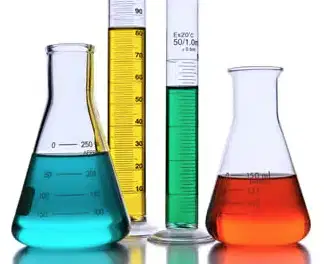
What do scientists measure with this tool?
a)
A. Temperature
b)
B. Volume
c)
C. Mass
7.
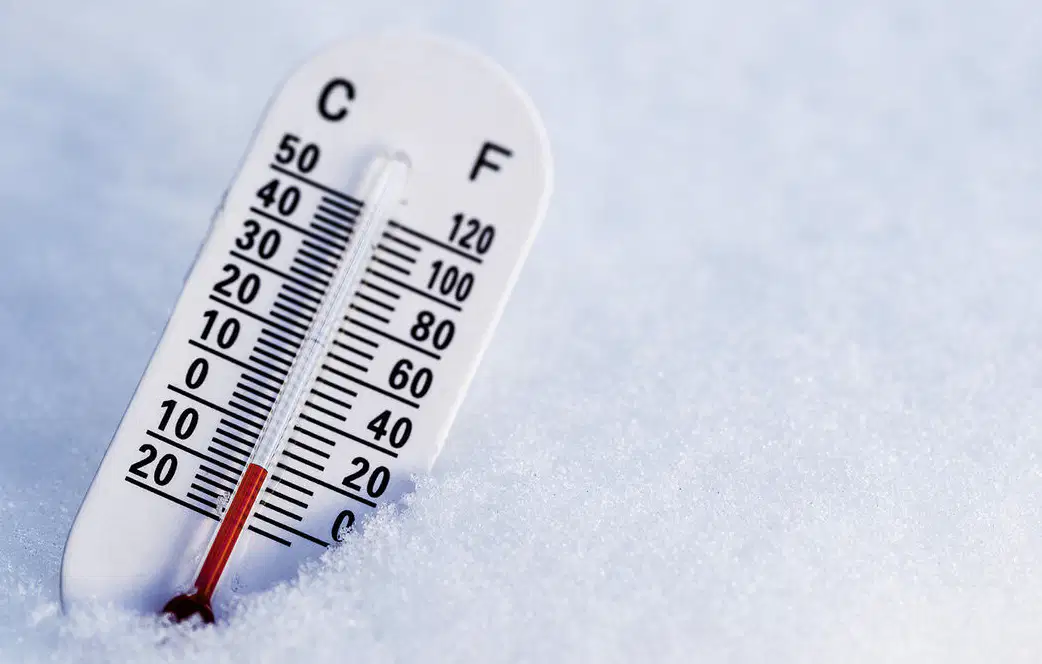
What do scientists measure with this tool?
a)
A. Temperature
b)
B. Volume
c)
C. Mass
8.
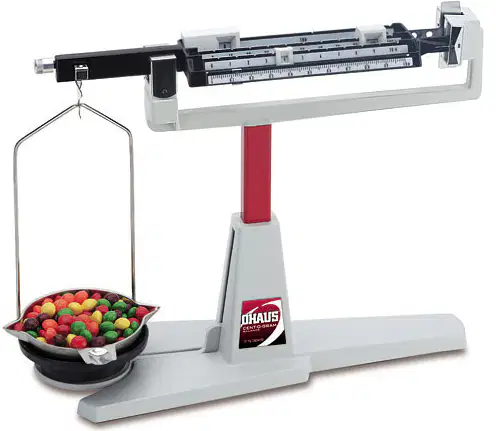
What do scientists measure with this tool?
a)
A. Temperature
b)
B. Volume
c)
C. Mass
9.

Melting ice cream is a...
a)
physical change
b)
chemical change
10.

Burning wood is a ...
a)
physical change
b)
chemical change
11.
Andrew claims that air is made up of many tiny particles that have mass but are too small to see. Select the two statements that best support his claim.
a)
A. leaves blowing on a windy day
b)
B. rain falling from the clouds
c)
C. blowing into a balloon to inflate it
d)
D. temperature rising on a summer day
12.

Sylena mixed together sand, salt, and iron filings in 150 mL of water. Which series of steps will most easily separate out each of the substances?
a)
A. Heat the solution and filter out the sand and salt.
b)
B. Filter out the sand and iron filings. Attract the iron with a magnet. Heat and evaporate off the water from the salt.
c)
C. Attract the iron filings with a magnet. Filter out the salt. Evaporate the water from the coarse sand.
d)
D. Filter out the salt and attract the iron filings with a magnet.
13.
What is the temperature at which matter changes from a liquid to a solid called?
a)
Freezing point
b)
Boiling point
c)
Melting point
d)
Condensation point
14.
Which of the following is a chemical property of matter?
a)
Flammability
b)
Solubility
c)
Melting point
d)
Magnetism
100 %

