
 Worksheets
4th Grade SS Review #1
Total questions: 102
Worksheet time: 2hrs 32mins
A __________ is a thick mountain of ice that forms over many years.
ice age
mammouth
glacier
Beringia
A time when the Earth was much colder and large areas were covered with snow was called the __________.
Ice Age
migration
glacier
continent
The land bridge first used by people to come to America was called __________.
Bering Strait
Beringia
continent
migration
Two animals tracked and eaten by ancient hunters were __________ and __________. (Choose two answers.)
mammouth
antelope
tiger
mastodon
The __________ is the waterway that separates Alaska and Asia.
Bering Strait
Beringia
Nile River
Indian Ocean
__________ is the movement of people or animals to go live in different places.
Continent
Beringia
Migration
Mammouth
An ____________ is a man or woman made item that allow scientists to study what the world was like before written history.
continent
fossil
artifact
archaeologist
An ancient hunting tool used to hurl a spear with great force is called a __________.
atlatl
Clovis
arrow
continent
What was the role of Beringia in the peopling of the Americas?
Beringia allowed humans and animals to migrate between Asia and North America
Beringia formed during the last Ice Age
Beringia connected Asia and North America through a land bridge
Beringia was discovered recently
What was the role of Beringia during the last Ice Age?
Beringia connected Asia and North America
Beringia formed due to the accumulation of water in glaciers
Beringia allowed migration between continents
Beringia is submerged under the Bering Sea
What is the significance of Beringia in the peopling of the Americas?
Beringia was a land bridge connecting Asia and North America
Beringia played a crucial role in the migration of early humans
Beringia is supported by fossil remains, genetic studies, and archaeological findings
Beringia was formed during the last Ice Age
What caused the end of Beringia?
Rising sea levels
Harsh climate
Migration of early humans
Abundant wildlife


What is a round model of the Earth?
hemispheres
globe
prime meridian
map scale
_______________ are halves of the Earth.
Grids
Latitudes
Hemispheres
Degrees
_____________ directions are north, south, east, and west.
Intermediate
Symbol
Cardinal
Map
What is a line drawn around Earth halfway between the North Pole and the South Pole?
equator
prime meridian
latitude
longitude
What is a flat drawing of all or part of Earth?
globe
grid
map
degree
What are directions that are midway between cardinal directions?
intermediate directions
cardinal directions
compass rose
map scale
Which group of people came to Ohio first?
Fort Ancients
Adena
Hopewell
Paleo-Indians
Archaic people
Which group developed in Ohio around 3,000 years ago?
Fort Ancients
Hopewell
Archaic people
Adena
Paleo-Indians
Which group did NOT build mounds?
Adena
Hopewell
Archaic people
Fort Ancients
Which group was the last prehistoric people to live in Ohio?
Paleo-Indians
Hopewell
Fort Ancients
Adena
Archaic people
Which group lived in small villages with circular huts?
Hopewell
Fort Ancients
Paleo-Indians
Adena
Which group of prehistoric people were NOT farmers?
Paleo-Indians
Hopewell
Fort Ancients
Adena
Which group came to Ohio around 8,000 years ago?
Paleo-Indians
Adena
Hopewell
Archaic people
Fort Ancients
Which group of prehistoric people lived in simple tents and caves?
Fort Ancients
Paleo-Indians
Hopewell
Adena
Which group used materials they traded to make jewelry and art?
Archaic people
Fort Ancients
Adena
Hopewell
Which group moved constantly to hunt large animals, such as caribou and mammoths?
Paleo-Indians
Archaic people
Hopewell
Fort Ancients
Study of artifacts, often unearthed by excavation to study people of the past
archaeology
history
geography
paleontology
Someone who uses artifacts to study the way people lived in the past
historian
paleontologist
archeologist
geologist
very old
historic
artifact
culture
archaic
handmade object made by people from the past
culture
artifact
archaic
flint
the way of life shared by a group of people
culture
artifact
archaic
Paleo
the description of a family of plants or animals that has died out
Paleo
archaic
prehistoric
extinct
a kind of hard rock used for making tools and points for arrows and spears
Paleo
archaic
flint
extinct
the written story of the past
Paleo
historic
prehistoric
archaic
Moving from one place to another to stay there
Paleo
extinct
prehistoric
migrate
A time before written records
prehistoric
historic
extinct
migrate
Which group was the first to arrive in Ohio?
Paleo Indians
Archaic Indians
Which two animals did Paleo Indians hunt?
Wooly Mammoth
plants
fish
Saber-tooth tigers
Which Indian group have villages near waterways?
Archaic Indians
Woodland indians
Late Prehistoric Indians
Paleo Indians


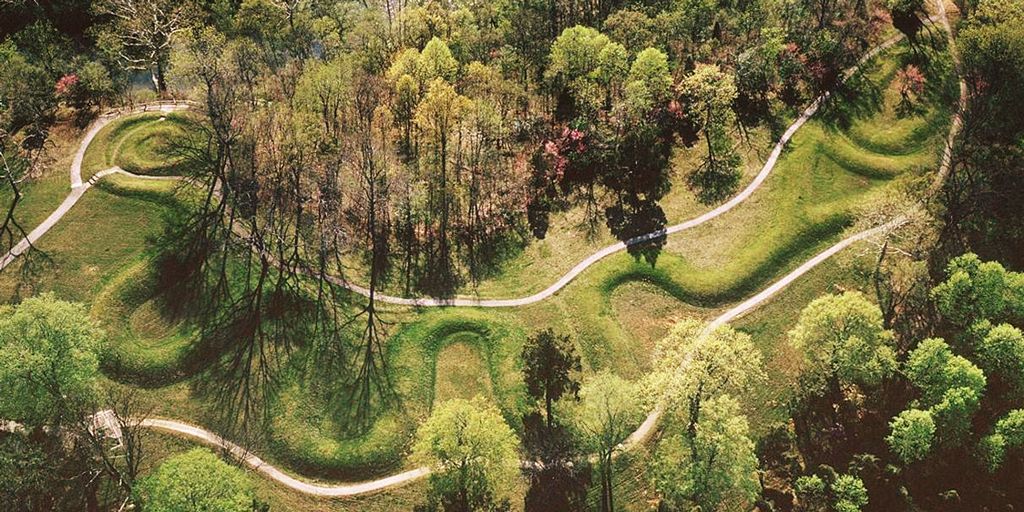
What is culture?
the type of food that people eat
the way of life of a group of people
the type of accent someone has
the place someone lives
What is an economy?
the way of life of a group of people
a type of plant
the system by which a group makes, shares, and uses goods
a type of house
Why did the first people migrate South?
They wanted to visit their family.
They wanted to live where it was colder.
They were bored.
They were tracking animals to hunt.
Women had several responsibilities within Native American Culture. Which of these options is NOT a primary responsibility of women within this culture?
Which statement best describes the religious or spiritual practices of Ohio's Native Americans
A. Native Americans worshiped Jesus.
B. Native American religion was based on nature.
C. Native Americans worshiped other Native Americans.
D. Native Americans worshiped in churches.
Which statement best describes how Native American and European ideas about land were different?
A. Native Americans believed in owning land and would live on the same land for their entire lives.
B. Native Americans believed that land could not be owned and Europeans believed that it could. This often caused conflict.
Europeans were not interested in owning land in Ohio.
Native Americans sold their land to Europeans for a fair price.
Which statement about Native American family life is false?
A. Family was the center of the community.
B. Families lived together in the same area or the same house.
C. Families often chose to separate.
D. Families would take care of each other and provide food and shelter.
What effect did the fur trade have on animal populations in Ohio?
A. None
B. Animal populations increased
C. Animal populations decreased due to over-hunting for trade.
D. Animal populations remained the same even though they were being hunted for trade.
How did many Native American communities govern themselves.
A. They elected a president.
B. They had a king.
C. They chose a village council to help make decisions.
D. One chief would make decisions for all.
Larger rectangular homes in which several Native American families lived were called ___.
cultures
teepees
longhouses
wigwams
The period of time before the development of written history is called ______.
unknown
culture
history
prehistory
Circular homes made by bending tree branches into a dome-shaped frame are called ___.
wigwams
cultures
teepees
longhouses
The Adena, Hopewell, and the Fort Ancient were all known as ___.
Algonquian Indians
Mound Builders
Iroquoian Indians
Paleo Indians
How were the Adena different from the Hopewell?
The Adena did things bigger and better than the Hopewell.
The Hopewell were Historic Indians and the Adena were Prehistoric.
The Hopewell were Mound Builders and the Adena were not.
The Hopewell did things bigger and better than the Adena.
Most Prehistoric Indian tribes got their food through ____.
hunting only
farming and gathering.
gathering only.
hunting and gathering.
Which is a primary source?
a movie about the life of Walt Disney
a journal Walt Disney kept
a biography about Walt Disney
a student's report about the life of Walt Disney
Which is a secondary source?
a letter Mrs. Neckel wrote to her dad
a photograph of Mrs. Neckel with her dad
an email from Mrs. Neckel to her dad
a story a friend told you about Mrs. Neckel and her dad
Which shows the Prehistoric Native Americans in the order that they lived (oldest to most recent)?
Paleo, Hopewell, Adena, Archaic, Ft. Ancient
Paleo, Archaic, Adena, Ft. Ancient, Hopewell
Paleo, Archaic, Adena, Hopewell, Ft. Ancient
Ft. Ancient, Hopewell, Adena, Archaic, Paleo
Who fought in the French and Indian War?
French against Indians
England against France
England against France and Indians
Indians against England
What were the 2 main reasons for the French and Indian War?
Control of land and trade with Native Americans
Land and Slaves
Gold
Claim to land in Europe
In order to help pay for the HUGE cost of the war, what did King George III do to the colonists?
Killed them
Removed them from the land in the colonies.
Passed the Sugar Act and Stamp Act to make the colonists pay more taxes.
Paid for the war out of his own pocket
The Stamp Act added extra money to everyday items that colonists HAD to use. What are some examples of items that would be taxed?
Sugar
Official documents
Coffee
Newspapers
George Washington was a leader for for which country during the French & Indian War.
England
France
America
Confederate Army
When King George III passed the taxes down to the colonists, what were they most angry about?
The taxes being passed without a representative for the colonists there to speak for them.
That is wasn't enough taxes, they wanted to pay more.
What does the word "ally" mean?
a person or group that joins with another to work towards a common goal
a group of representatives who meet to discuss a subject
a fight against the government
an official public statement
What does the word "proclamation" mean?
a person or group that joins with another to work towards a common goal
a group of representatives who meet to discuss a subject
a fight against the government
an official public statement
What did the Proclamation of 1763 do?
Said that the colonists could NOT settle west of the Appalachian Mountains.
Said that the colonists could have as much land as they wanted
There is no Proclamation of 1763...

