wayground logo

Free Printable Worksheets

NEW

Font size

S
M
L
XL
Worksheets

Medieval History

Total questions: 36

Worksheet time: 18mins
Name
Class
Date
1.
What is another word for "Middle Ages"?
a)
Medieval
b)
Feudalism
c)
Chilvary
d)
Minaret
2.
Exchanging land for loyalty.
a)
Medieval
b)
Feudalism
c)
Chilvary
d)
Minaret
3.

A higher ranking noble in Europe who gives land.
a)
Lord
b)
Vassal
c)
Fief
d)
Serf
4.
A lower ranking noble who recieves land.
a)
Lord
b)
Vassal
c)
Fief
d)
Serf
5.
Land that is given to a vassal.
a)
Lord
b)
Vassal
c)
Fief
d)
Serf
6.

A vassal in Europe who wears armor and fights on horseback.

a)
Knight
b)
Minaret
c)
Guild
d)
Serf
7.

Code of honor followed by knights in Europe.

a)
Chivalry
b)
Feudalism
c)

Bushido

d)
Crusades
8.
Peasants who paid for right to farm land.
a)
Freemen
b)
Serfs
c)
Lords
d)
Vassels
9.
Peasants that were tied to the manor and could not own land.
a)
Freemen
b)
Serfs
c)
Lords
d)
Vassels
10.
An alliance of craftspeople so they could control business in a town.
a)
Guilds
b)
Minarets
c)
Serfs
d)
Mosques
11.
Muslim house of worship.
a)
Mosque
b)
House of Wisdom
c)
Rubaiyat
d)
Grananda
12.
Device used to find location by measuring the location of stars.
a)
Astrolabe
b)
Minaret
c)
Guild
d)
Caliph
13.
Inventor of algebra and algorithms.
a)
al-Khawarizmi
b)
al-Razi
c)
Ibn Khaldun
d)
William the Conqueror
14.
Scientist who classified substances as animal, vegetable, or mineral.
a)
al-Khawarizmi
b)
al-Razi
c)
Ibn Khaldun
d)

Aladdin

15.
A marketplace found in Muslim cities.
a)
bazaar
b)
House of Wisdom
c)
Guild
d)
Granada
16.
Important character from the story titled "1001 Nights".
a)
al-Khawarizmi
b)
al-Razi
c)
Ibn Khaldun
d)
Aladdin
17.
Historian who wrote about cause and effect relationships.
a)
al-Khawarizmi
b)
al-Razi
c)
Ibn Khaldun
d)
Aladdin
18.

City that is home to the beautiful palace named the Alhambra.
a)
Granada
b)
Rome
c)
Mecca
d)
Istanbul
19.
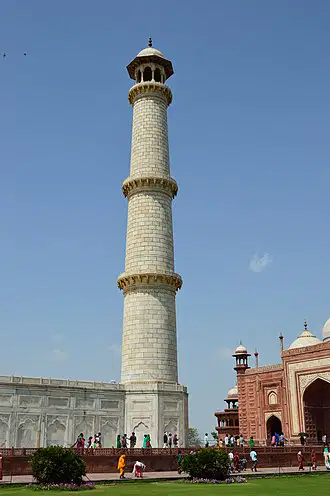
Tower built outside of mosques.
a)
Astrolabe
b)
Minaret
c)
Guild
d)
Caliph
20.

Center of learning where Muslims translated ancient writings into Arabic.
a)
bazaar
b)
House of Wisdom
c)
Guild
d)
Grananda
21.
One of the most beautiful poems ever written.
a)
Rubaiyat
b)
bazaar
c)
Mosque
d)
Magna Carta
22.
Istanbul, not…
a)
Constantinople
b)
Jerusalem
c)
Granada
d)
Baghdad
23.
Leader of the Islamic Empire after the death of Muhammad.
a)
Caliph
b)
William the Conqueror
c)
Ibn Khaldun
d)
Lord
24.

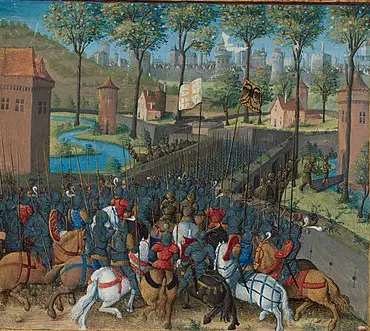
Series of wars fought by Europe in attempt to reclaim Jerusalem and the Holy Land.
a)
Crusades
b)
Caliph
c)
Feudalism
d)
Chivalry
25.
Disease spread by fleas that killed nearly one half of Europe.
a)
Black Plague
b)
Spanish Flu
c)
Malaria
d)
Small Pox
26.
Document signed in 1215 that limited the power of kings.
a)
Magna Carta
b)
Minaret
c)
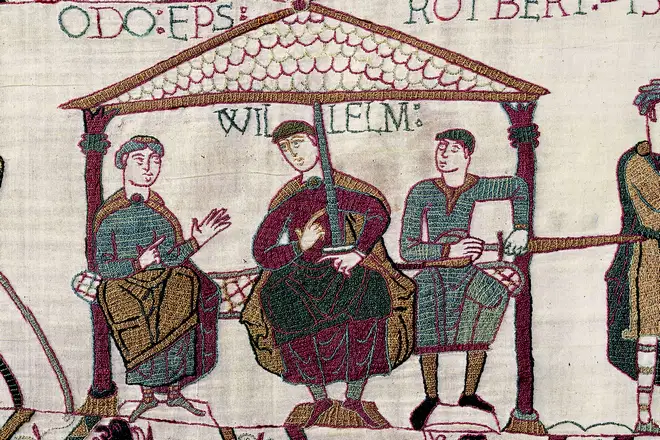
Bayeux Tapestry
d)
Rubaiyat
27.

Invaded England in 1066. After this battle, the royal family of England began speaking French.

a)
Crusaders
b)
Charlemagne
c)
Mehmed the Conqueror
d)
William the Conqueror
28.

King on the front cover of Discovering our Past. Became the Holy Roman Emperor in 800 CE.

a)
Crusaders
b)
Charlemagne
c)
Mehmed the Conqueror
d)
William the Conqueror
29.

Which religion teaches that natural features have spirits called kami.

a)

Buddhism

b)

Shinto

c)

Shogun

d)

Haiku

30.

Warriors from Japan who wore armor and fought on horseback.

a)

Daimyo

b)

Kamikaze

c)

Samurai

d)

Shogun

31.

Ruler in Japan who often had more power than the emperor.

a)

Daimyo

b)

Samurai

c)

Shogun

d)

Vassal

32.

The "divine wind" that destroyed the Mongol fleet. This word was also used during WWII.

a)

Daimyo

b)

Haiku

c)

Kamikaze

d)

Samuria

33.

A high-ranking noble from Japan who gave land in exchange for loyalty.

a)

Daimyo

b)

Kami

c)

Lord

d)

Samurai

34.

Type of Buddhism practiced in Japan that encourages meditation, practicing the martial arts, and creating peaceful gardens.

a)

Guild

b)

Haiku

c)

Shinto

d)

Zen

35.

What is this an example of?

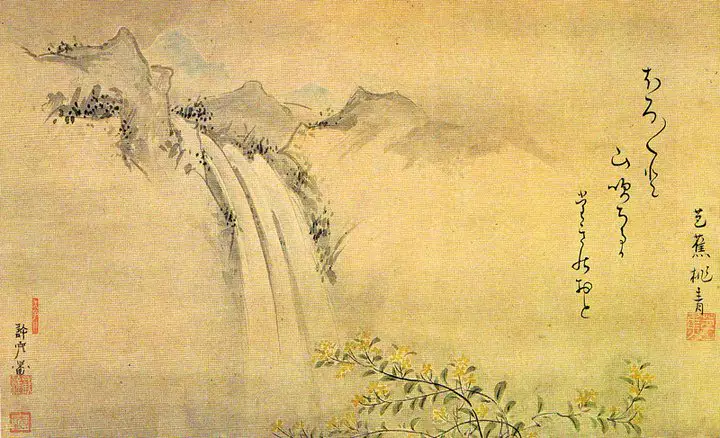
In three lines we find,

nature's essence intertwined,

beauty is described

a)

Daimyo

b)

Haiku

c)

Shinto

d)

Zen

36.

What time period was also known as Japan's Golden Age?

a)

Han Dynasty

b)

Feudalism

c)

Heian

d)

Tokyo