
 Worksheets
Science and Agri.Science
Total questions: 98
Worksheet time: 2hrs 37mins

Look the picture given. 1 is representing __________.
Water
Cloud
Water vapour
Rain
Look the picture given. 2 is representing __________.
Water
Cloud
Water vapour
Rain
Look the picture given. 3 is representing __________.
Water
Cloud
Water vapour
Rain
Look the picture given. 4 is representing __________.
River
Cloud
Water vapour
Rain
Sea water evaporates into _________ and rise up.
Rivers
Clouds
Water vapour
Rain
Water droplets form the _________ in the sky.
Rivers
Clouds
Water vapour
Rain
Clouds become heavy and fall as ________.
Rivers
Clouds
Water vapour
Rain
Rain water flows back into ___________ and seas.
Rivers
Clouds
Water vapour
Rain

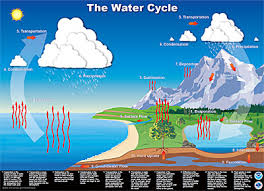
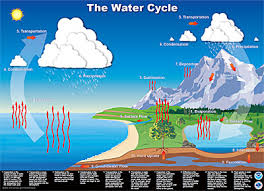
The diagram above shows a natural process. What is the process?
Water flow sequence
Natural water source
Natural water cycle
Natural water cycle is a continuous cycle that supplies water to living things and to cool down the Earth.
True
False
Which of these is an example of precipitation?


What is the water cycle?


This provides the power to keep the water cycle running.
The Sun
The Earth
The wind
living things

Which are the 3 states of water?
Raindrop, river, rainbow
Solid, liquid, gas
Clouds and ice
Identify the process. Ice to Water.
melting
evaporation
freezing

Identify the process. Water into ice.
Melting
Freezing
Evaporation
Condensation
During which stage clouds are formed?
condensation
evaporation
precipitation

What part of the water cycle does this picture show?
condensation
evaporation
melting
freezing
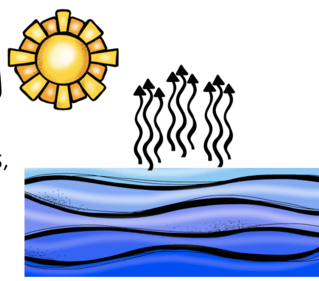
Evaporation happens when the sun ___________ water and turns it into vapour.
cools
heats up
freezes
lights up
Ice is the solid form of water.


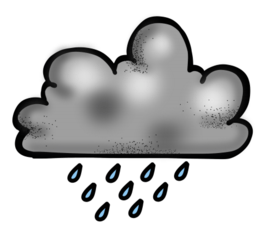
Precipitation happens when water droplets are too ______________.
cold
light
heavy
hot

When a liquid is changed into a gas, the process is called_____________.
evaporation
condensation
melting
freezing

Snow and rain are examples of
evaporation
condensation
precipitation
Ice is the gaseous form of water.


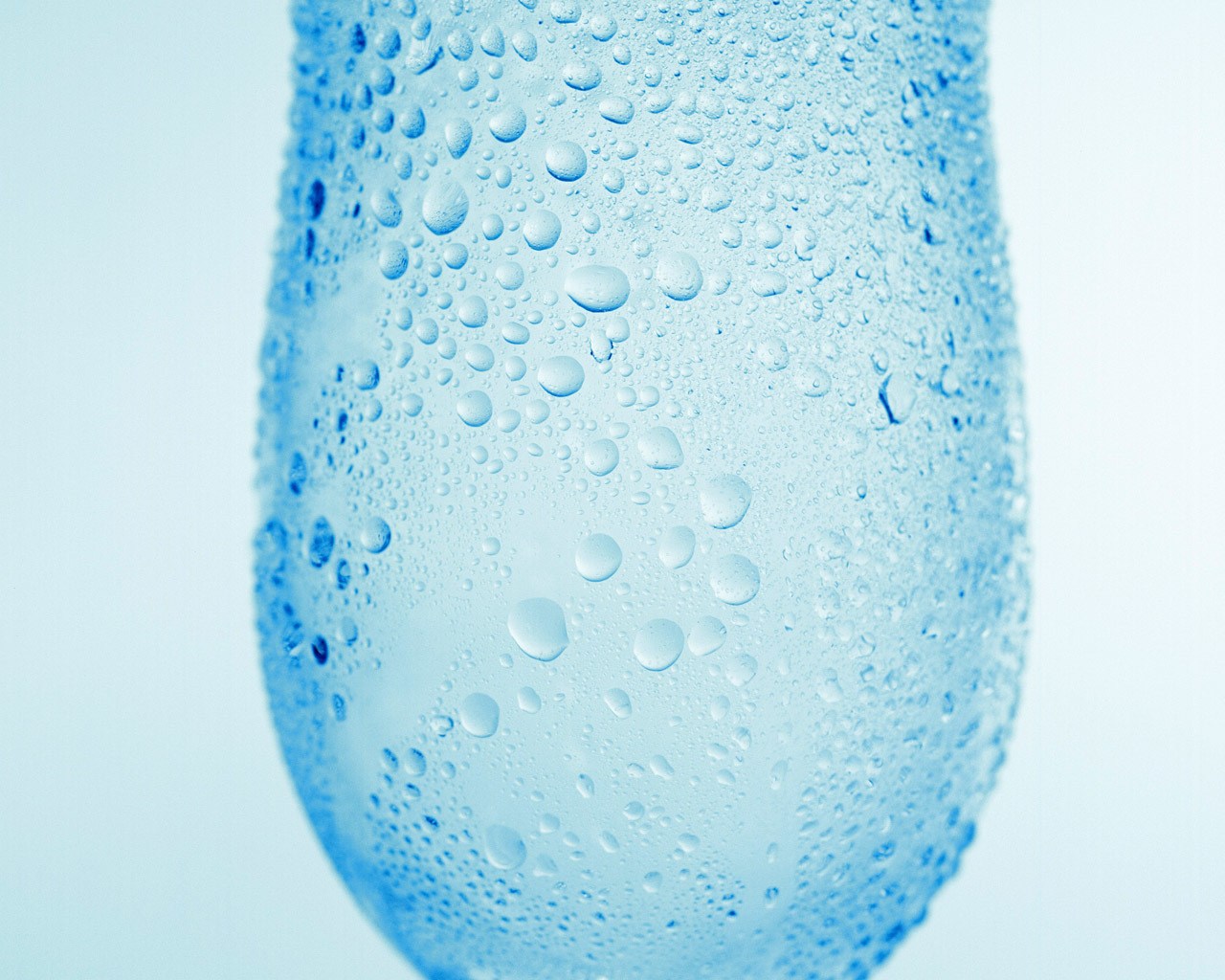
This is an example of
evaporation
condensation
precipitation
The process by which we get rains is called
Water cycle
Evaporation
Condensation
Heating
When water is at room temperature, it is a
solid
liquid
gas
Clouds are made up of tiny droplets of water.


Which form of water is present as water vapour in the atmosphere?
Solid
Liquid
Gaseous
Water that is clean and safe for drinking is called potable water.
True
False
What type of water is fitter for human consumption?
Potable water
Sea water
Humans use potable water for drinking.
True
False
Humans use potable water for washing clothes.
True
False
Humans use potable water for cooking.
True
False
Humans use potable water for cleaning homes
True
False
Humans use potable water for washing cars.
True
False
Animals need potable water to.
True
False
The Water and Sewage Authority (WASA) provides us with potable water.
True
False
We pay WASA for potable water every three months.
False
True
It is good to save or conserve water.
False
True

What is the name of this water form?
sea
ocean
river
lake

What is the name of this water form?
sea
ocean
glacier
pond

What is the name of this water form?
sea
river
glacier
ocean

What is the name of this water form?
lake
river
glacier
ocean

What is the name of this water form?
rain
groundwater
glacier
ocean

What is the name of this water form?
rain
groundwater
glacier
ocean

What is the name of this water form?
sea
groundwater
glacier
rain

What is the name of this water form?
sea
groundwater
glacier
rain
Water covers about three-fourths of the earth's surface.
true
false
Ocean and sea are saltwater.
true
false
Almost all the water on Earth is freshwater.
true
false
Saltwater from ocean and sea is too salty for people to drink.
true
false
Rainwater is safe for drinking.
true
false
This is a saltwater smaller than an ocean.
sea
lake
pond
river
This is the biggest saltwater.
ocean
lake
pond
river
This is the water under the ground.
ocean
rain
groundwater
river
This is a large body of water that is surrounded by land.
ocean
rain
groundwater
lake
It is like a river, but is smaller.
pond
rain
groundwater
glacier
This is a thick ice that covers large area of land and cannot be reached by people.
pond
rain
groundwater
glacier
Water that falls from the clouds.
pond
rain
groundwater
glacier
Minerals are formed in nature.
False
True
People CANNOT make minerals.
False
True
Minerals are identified or named by their________________.
Propaganda
Properties
Pool
A scratch test is when we _____________________.
measure or test a mineral's hardness.
melt or train a mineral's hardness
make or taste a mineral's hardness
The hardest mineral is a_____________________.
mineral
stone
diamond
The softest mineral is?
diamond
talc
tile
A streak test helps identify minerals.
False
True
Luster is?
Another property of minerals.
Another property of reflection.
Another property of light.
The reflection of light from a mineral is?
Luster
Link
light
Sometimes minerals are the same color.
False
True

The _______ is mainly made up of rocks.
Sun
Earth
They cannot be broken easily.
Soft Rocks
Hard Rocks

They can be broken easily.
Soft Rock
Hard Rocks
_______ are usually solid and are
formed naturally
Minerals
Chair
_______ sand is used to make
mirrors and glasses.
Diamond
Silica

__________ is a rare metal found naturally.
Chalk
Tungsten

__________ are hard and shining minerals that can be cut and polished.
They are commonly used in making jewellery .
Mirror
Gemstone

Some rocks contain _________.
Fossils
Pen

________is found on the upper-most layer
of the Earth's crust.
Talc
Soil

This slow process in which the rocks
break down into smaller pieces due to
wind, water and the heat of the sun is
called ___________.
Sun
Weathering

What are the 3 main fossil fuels?
Sunlight, air, and water
Coal, Oil, and Natural Gas

Materials in the environment that are useful to people
Cars
Natural Resources

Which fossil fuel is this?
Coal
Oil

Which fossil fuel is this?
Natural Gas
Oil

Which fossil fuel is this?
Natural Gas
Coal

Fossil fuels are ....
Renewable Resources
Nonrenewable Resources
Why are fossil fuels nonrenewable resources?
They can be replaced
They CANNOT be replaced
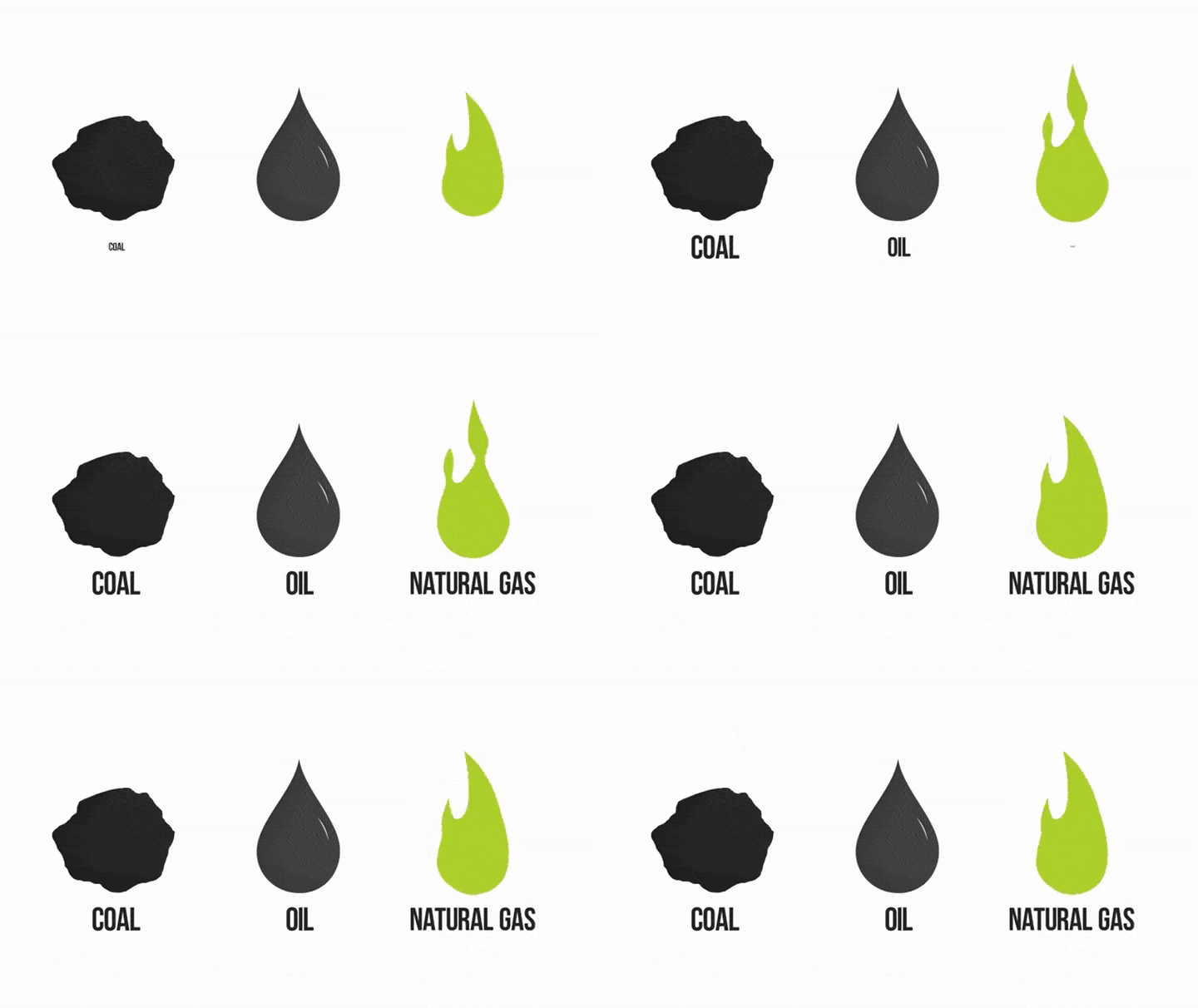
A group of non-renewable resources, called ______________, include coal, oil, and natural gas.
Fossil fuels
Plants

We can get energy from fossil fuels by ...
Breaking them
Burning them

Why do we depend on fossil fuels?
Electricity, transportation, and heating
Sunlight

What are fossil fuels?
Dinosaur bones
Resources made from once living organisms

