
 Worksheets
DM - recap Topic 7
Total questions: 10
Worksheet time: 5mins

Which of these is NOT a search engine?
Yahoo
Microsoft Edge
Baidu
What do search engines use to gather information from the web?
(you can choose more than 1 answer)
Crawlers
Robots
Spiders
Bugs
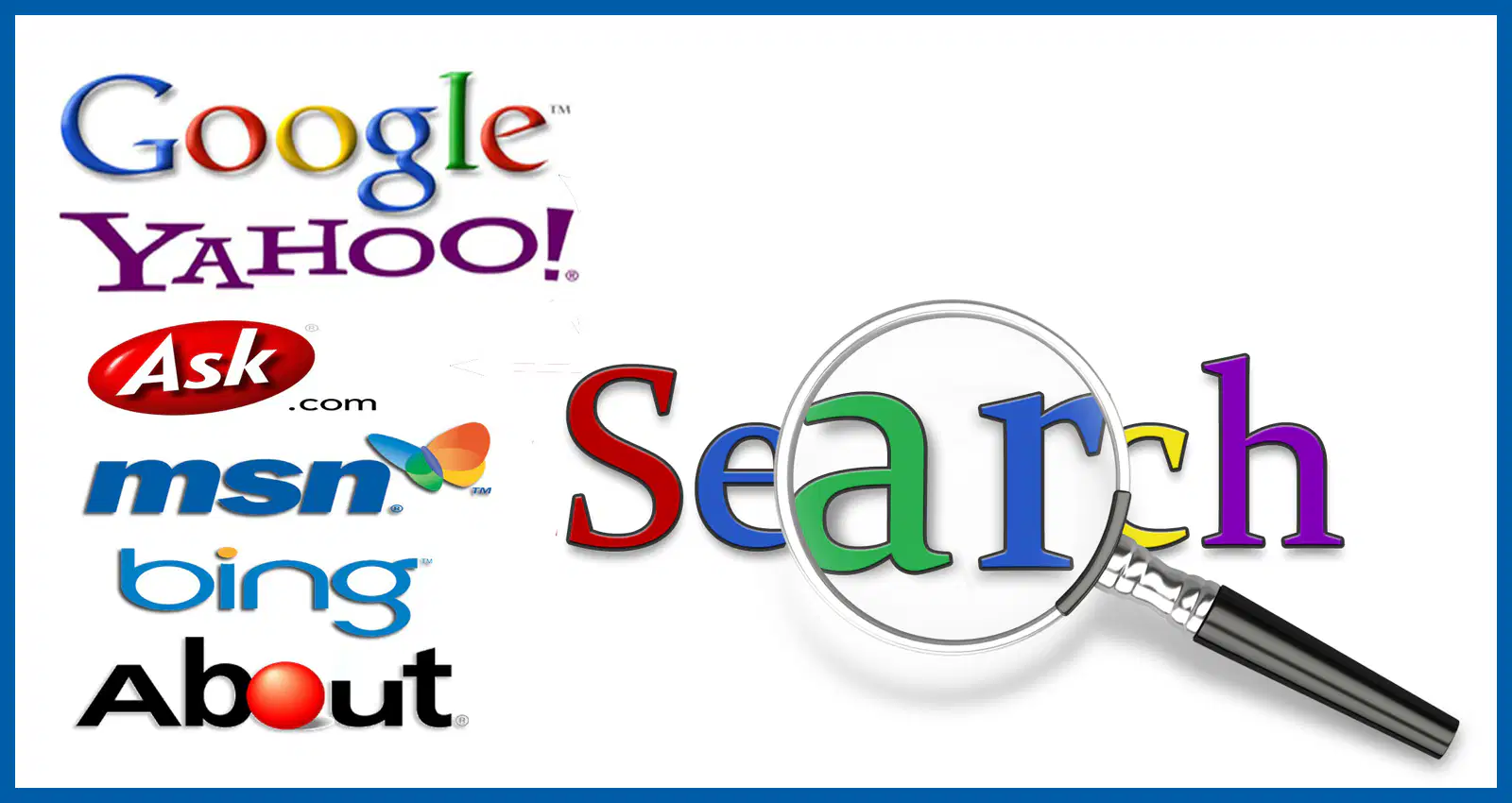
Every search engine uses its own algorithm to do 3 things: Crawling, Indexing, Ranking.
Which of these statements is FALSE?
Crawling refers to how search engines learn about contents from the web
Indexing refers to how search engines categorize the contents from the web
Ranking refers to how search engines decides which content is most useful to the searchers
The algorithms used by search engines can be found from their company's websites
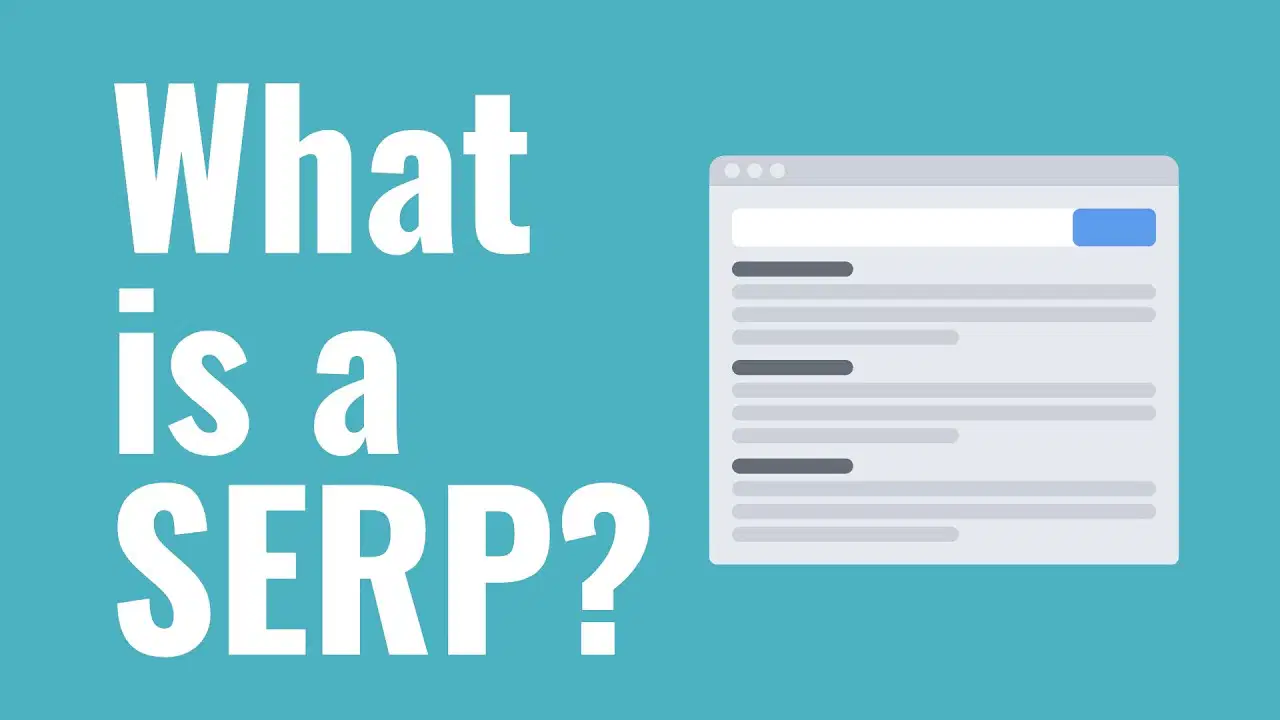
What does SERP stand for?
Search Engine Reach Program
Search Engine Ranking Progress
Search Engine Relevance Pointers
Search Engine Results Page
SEM (Search Engine Marketing) includes both SEO (Search Engine Optimisation) and PPC (Pay-Per-Click) Advertising. Is this statement True or False?
True
False
Which of these is NOT TRUE about Keywords?
Keywords reflect searchers' interests and intent to buy
Keywords are the words that searchers key into the search engine query box
there is a limit to the number of keywords that can be included in a search
Keywords are essential for optimizing content for search engines
Maria has optimized her blog website and noticed a rise in visitors from organic search results. Which of these statements is TRUE?
Organic traffic requires ongoing payment to maintain
Website traffic is hard to track
Maria does not have to pay for organic traffic
Organic traffic is not measurable

Which of these is a disadvantage of SEO?
SEO can take time to show results
Consumers may trust SEO results more than sponsored ads
SEO strategies are often more cost-effective than paid ads
SEO can lead to higher conversion rates
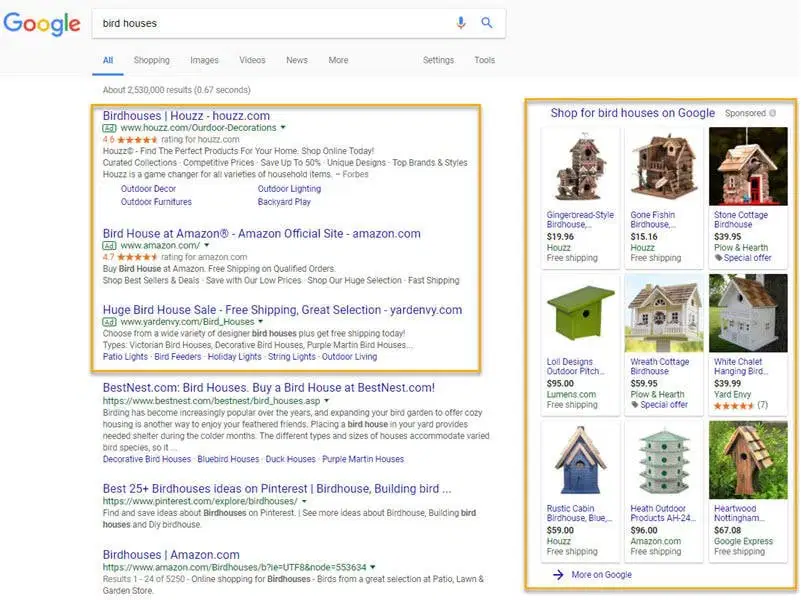
For Pay-Per-Click advertising, what factors does Google use to decide which ad to rank higher on the SERP (search engine results page)?
Quality Score & Bid Price
Keywords & Videos
Relevance & Popularity
Size of Company & No. of Employees
Pay-Per-Click google ads is good for businesses because ...
consumers may not trust advertisers
it allows advertisers to track results accurately
ads will stop once marketing budget runs out
it is more expensive than traditional ads

