
Font size
 Worksheets
SC LIGHTS
Total questions: 112
Worksheet time: 57mins
What three things may happen to light that strikes an object?
The light may be reflected, transmitted or absorbed.
The light may be reflected and refracted.
The light may be absorbed and transmitted.
______ is a copy of the object formed by reflected or refracted rays of light
reflection
object
refraction
image
The two kinds of reflection are
transparent and translucent
regular and diffuse
opaque and translucent
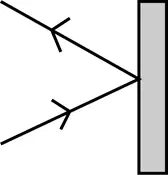
The illustration shows a light ray striking an object.
In the illustration, the light ray striking the object is-
absorbed
stopped
refracted
reflected
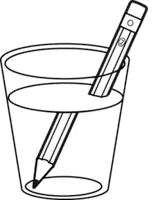
A student placed a pencil in a cup of water. The pencil appears broken because
light always travels in a straight line
light makes the water in the glass evaporate
light bends when it passes through water
light reflects the pencil on the water's surface
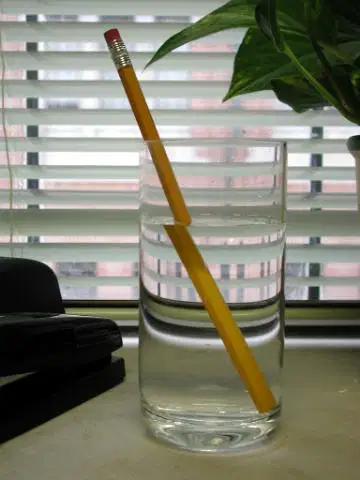
This shows the phenomenon known as....
reflection
mirror
refraction
focal point
Angle between normal and the ray reaching the boundary is
angle of refraction.
angle of incident
angle of reflection
angle of incidence
Glasses are a use of:
reflection
refraction
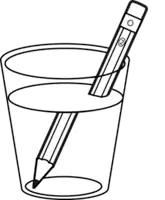
Which of these provides the best explanation for why the pencil appears broken?
The pencil absorbs the light rays that hit it.
Light rays are bent by the water in the glass.
Water reflects light rays away from the pencil.
The surface of the water reflects the light rays.
Light travels in straight lines until reflected by another object. Which illustration best shows the light being reflected?


The concave mirror has an inverted area
inward
inward and outward
outward
none
_____ mirrors are used as rear view mirrors in cars.
concave
plane
convex
none
A rainbow can be seen in the sky when the sun is
in front of you
behind you
overhead
only the time when the sunrise
When a Newtons disc is rotated at high speed , the colours of the disc would blend and give
black colour
no colour
yellow colour
white colour
In this diagram, which is the angle of incidence?
angle A
angle B
angle C
angle D
Light is known to behave in a very predictable manner. If a ray of light could be observed approaching and reflecting off of a flat mirror, then the behavior of the light as it reflects would follow a predictable law known as the law of reflection. Which diagram below illustrates the law of reflection?



A ray of light is incident towards a plane mirror at an angle of 30-degrees with the mirror surface. What will be the angle of reflection?
60o
90o
30o
45o
When light rays strike a rough surface, they are:
scattered
absorbed
focused
refracted
The imaginary line perpendicular to a reflecting surface is called _____.
crooked line
angular line
parallel line
normal line
The ray of light that strikes a reflecting surface is called ________.
incident ray
normal ray
reflected ray
none
The angle produced as a source of light bounces off a reflecting surface is called ______
angle of crookedness
angle of incidence
angle of reflection
angle of bounce

What is the line MN called in the given diagram
incident ray
reflected ray
reflecting surface
normal
what is the angle between the incident ray and the normal called as
angle of incidence
angle of convergent
angle of reflection
angle of divergent
what is the angle between the reflected ray and the normal called as
angle of incidence
angle of convergent
angle of reflection
angle of divergent
If the angle of incidence is 45 degree, what is the angle between the incident ray and reflecting surface
45
180
90
none

What does incidence angle equal?
reflection angle
all angle
refraction angle
all of them
straight lines that represent light waves
rays
reflection
image
visible light
a copy of an object formed by reflected or refracted rays of light
image
regular reflection
reflection
difuse reflection
Which of the following is not a source of light?
candle
mirror
caver's lamp
sun
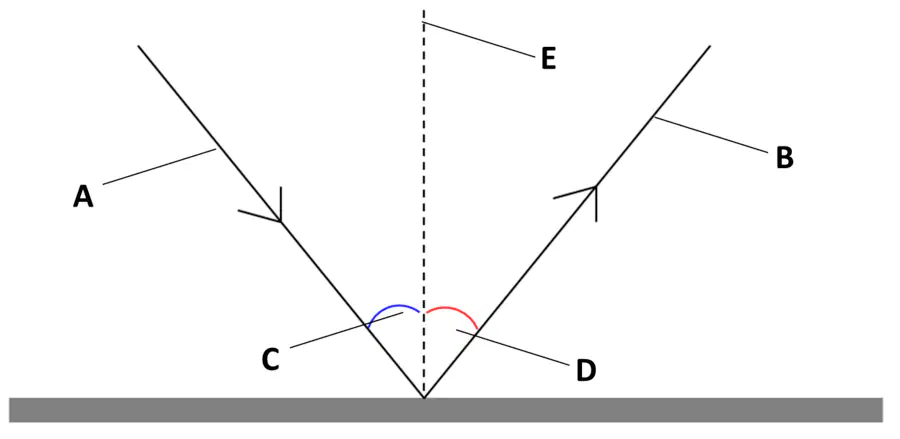
What is A?
Angle of incidence
Incident ray
Angle of reflection
Reflected ray
Law of reflection state that - The angle of incidence is .................. to the angle of reflection.
equal
half
double
What is reflection?
Reflection is the bouncing of light off the surface that it strikes on.
Reflection is the bending of light off the surface that it strikes on.
Reflection is the absorbing of light off the surface that it strikes on.
Reflection is the scattering of light off the surface that it strikes on.
When light hits an object, the rays can pass through it, bounce off it, or be absorbed by it. Light rays that bounce back are
radiant
refraction
radar
reflection
Which of the following would reflect rather than refract light?
magnifying glass
prism
mirror
lens
Convex mirrors produce ony
real images
virtual images
inverted images
virtual and real images
The concave mirror has an inverted area
inward
outward
inward outward
none
The outside of spoon acts as a
plane mirror
convex mirror
concave mirror
concave and convex mirror
The shiny surface on the bell of a bicycle produces an erect and small image of objects.What kind of a spherical mirror is it?
plane
convex
concave
none
An image produced by a ___ mirror cannot be obtained on a screen
convex mirror
plane and convex mirror
concave mirror
plane and concave mirror
_____ mirrors are used as rear view mirrors in cars.
concave
plane
convex
none
Which of the following does not use a concave mirror?
dentist mirror
rear view mirror in cars
reflector in flashlight
reflector in flashlight
You are provided with a convex mirror, concave mirror, convex lens and a concave lens. You get an inverted image from
both convex lens and concave lens
both concave mirror and convex lens
both convex mirror and concave mirror
both convex and concave lens.
The ray of light that strikes a reflecting surface is called ________.
incident ray
normal ray
reflected ray
none
Objects which emit their own light are described as:
luminous
transparent
non luminous
translucent

What is A?
Angle of incidence
Incident ray
Angle of reflection
Reflected ray
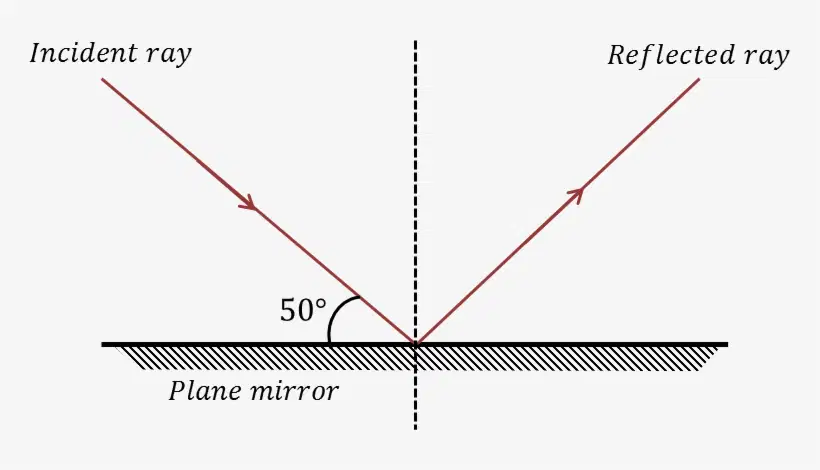
What is the angle of REFLECTION?
40
30
90
25
Which of the following would be described as LUMINOUS?
earth
fire
wind
water
Which of the following is NOT a luminous object?
sun and stars
lamp
moon
candle flame
An object which does not allow light to pass through it is described as:
opaque
transparent
translucent
reflection
An object which allows light to pass through it partially is described as:
translucent
opaque
transparent
reflection
An object which allows light to pass through it clearly is described as:
translucent
opaque
reflection
transparent
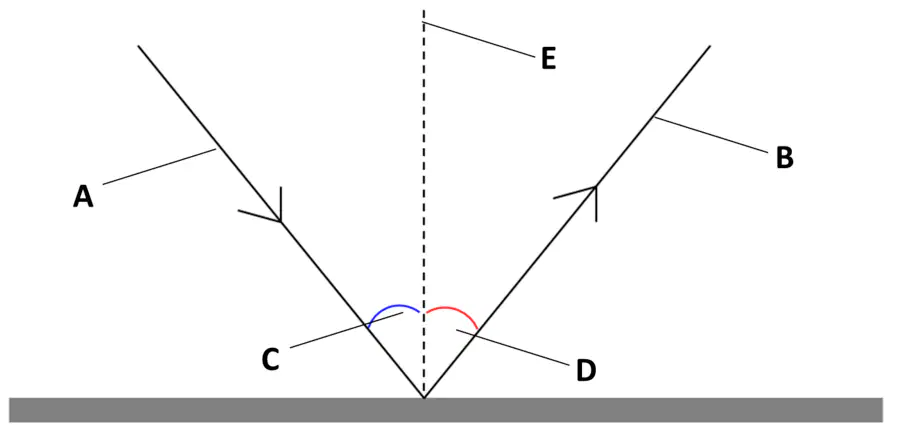
What is E?
image
incident ray
normal
reflected ray

what is D
Angle of incidence
Incident ray
Angle of reflection
Reflected ray
Which of these statements is true?
Light travels in straight lines.
Light does not travel in straight lines
Light is stopped when it meets a solid object.
Light will only travel for about 2000km before it stops.
What is reflection?
Reflection is the 'bouncing' of light off the surface that it strikes on.
Reflection is the bending of light off the surface that it strikes on.
Reflection is the absorbing of light off the surface that it strikes on.
Reflection is the opposing of light off the surface that it strikes on
What is being transferred with a wave?
matter
energy
medium
water
Which of the following properties makes a light wave different from a mechanical wave?
A light wave slows down in a vacuum
A light wave exists as a transverse wave
A light wave is able to transmit energy
A light wave can travel without a medium
when i light is incident at an angle of 90.
the refracted ray changes speed only
the refracted ray changes speed and direction
What color do we see when all light is refracted?
red
white
black
rainbow
Which determines the color of an object?
absorption
reflection
diffraction
refraction
Frosted glass is made of glass with an etched surface. How would you describe the glass as light travels through it?
translucent
opaque
transparent
diffraction
Which object will absorb the most light?
clear glass
plastic wrap
black paper
stained glass
The process happening in rainbow formation are
refraction
refraction and internal reflection
internal reflection
none of the above
what is the correct order of the visible light spectrum?
green blue red
violet, blue, indigo, green, yellow, orange and red
indigo, blue, violet, orange, yellow, green and red
red, orange, yellow, green, blue, indigo and violet
What are the three primary colors of light?
Cyan, Green, Red
Red, Green, Blue
cyan yellow blue
Yellow, Magenta,Red
Which of the following statements is true of light?
Light cannot travel in a straight line when it passes through two different media.
An image formed by a plane mirror is the same size as the object.
Light always travels in a straight line in air on a hot day.
A light ray cannot be reflected along its original path when it falls on a curved mirror.
You want to show children a magic trick. The trick involves changing a blue ball into a black ball by changing the stage lighting. The stage light(s) should be changed from white to ___________.
I. red
II. green
III. blue
IV. None of the above. The white light should remain.
I only
IV only
I and II only
I, II and III only
If you are the stage manager of a concert required to produce a spotlight that is magenta in colour, what should you do?
Shine red and blue light on to the same spot
Shine green and red light on to the same spot.
Shine blue and green light on to the same spot
Shine blue and yellow light on to the same spot.
White light cannot be formed by mixing ____________________.
red, green and blue light
cyan, yellow and magenta light
magenta and green light
blue and green light
An object immersed in water appears closer to the surface than it actually is. This phenomenon is due to ________.
reflection
refraction
dispertion
absorption
Light rays bend ___________.
when travelling continuously in the same medium
when crossing the boundary between two different media at an angle less than 90°
when crossing the boundary between two different media at 90°
None of the above
Imagine you are a soldier on a battlefield advancing in on an enemy’s position. You are on the lookout for an enemy ambush behind you. Therefore, you need a tool that allows you to see a wide area behind you. Which of the following tools will you choose?
concave mirror
plane mirror
convex mirror
glass prism
Name the type of lens which diverges a beam of parallel rays of light.
convex
concave
both
none
Rohan is provided with a concave and convex mirrors & concave and convex lens. He wants an enlarged image. He can either use:
concave mirror or concave lens
convex mirror or convex lens
concave mirror or convex lens
convex mirror or concave lens
Can you name the mirrors used as side mirrors in scooters?
(a)
Uneven surfaces show ________ reflection.
reguler
irreguler
perfect
informal
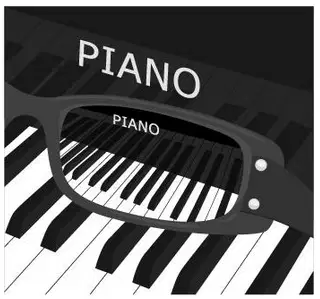
What type of lens creates the image seen in the eyeglasses?
convex
reflection
concave
none
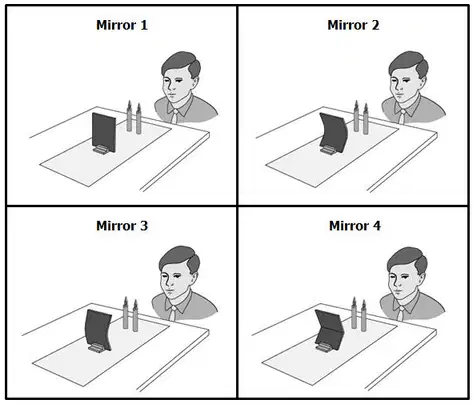
A student is conducting an experiment with four different types of mirrors. Which mirror in the experiment converges light and UP CLOSE, produces an upright, magnified image of the candles? (hint: no two mirrors are the same
1
2
3
4
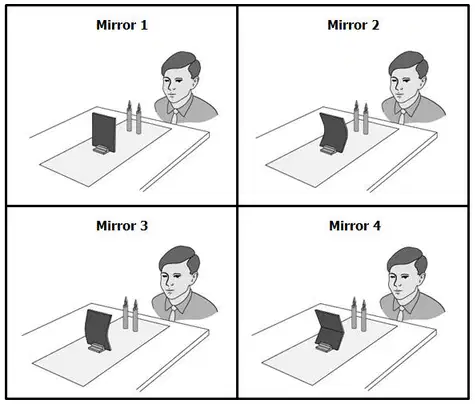
A student is conducting an experiment with four different types of mirrors. Which mirror in the experiment is a convex mirror?
1
2
3
4
What type of lens is used in the shown instrument?
concave
reflection
convex
reduction
The side view mirrors on your car help shrink the image on both sides of the car, allowing you to see a larger field of view. What type of mirror is this?
convex mirror
convex lens
concave mirror
concave lens
Convex mirrors cause light to spread out.
T
f
A mirror with a flat surface is a plane mirror.
T
F
a mirror with a surface that curves inward like the inside of a bowl
Concave
convex
flat
plane
Smooth surfaces _______ a lot of light.
reflect
absorb
bend
twist
Which color reflects all light?
white
red
blue
black
Which color absorbs all light?
white
purple
red
black
What does light do when it hits an object that it cannot pass through?
it passes through
it creates shadow
Type of mirror found in a bathroom...
plane
concave
convex

Type of mirror used as a side mirror on a vehicle to provide a wide angle view...
plane
concave
convex

Type of mirror that can produce an inverted image...
concave
convex
reflection
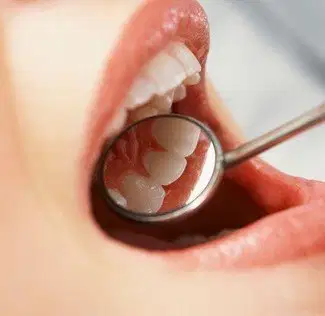
ype of mirror used by a dentist to get magnified view of a patient's teeth...
concave
convex
plane
virtual
Type of mirror that can produce a virtual image...
plane
concave
convex
all
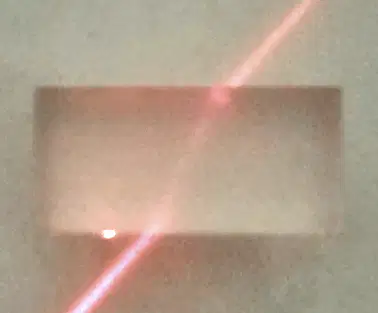
this is an example of
refraction
infraction
difraction
reflection
This is tPool seems shallowerhe example of dispersion of light
sky looks bright orange in the evening
shadow
rainbow
How fast does light travel?
1000 feet per second
1000 miles per second
10,000 miles per second
186,000 miles per second
Convex lens is also called as
Diverging lens
Plane lens
Converging lens
Power lens
Which of the following objects is transparent to visible light?
Glass
Paper
Wood
Steel
Wood
Rubber
Glass
Milky glass
Steel
Lens
Pure water
Ice cube
When we mix red light with a green light, what color is the result?
Cyan
Magents
Yellow
Violet
Rear side mirror of a vehicle is using a
Lens
Concave mirror
Plane mirror
Convex mirror
To help correct myopia, optician will prescribe a
Cylindrical lens
Positive lens
Converging lens
Diverging lens
Apparent depth occur because of
Reflection
Dispersion
Refraction
Propagation
Dentists use dental mirrors to better look at the patient's teeth. A dental mirror uses …….. to allow the dentist to enlarge the part of the tooth he sees
Convex mirror
Plane mirror
Concave mirror
Bronze
Who discovered white light is a combination of many colors?
James watt
Shaun the sheep
Johny yes papa
Isaac newton
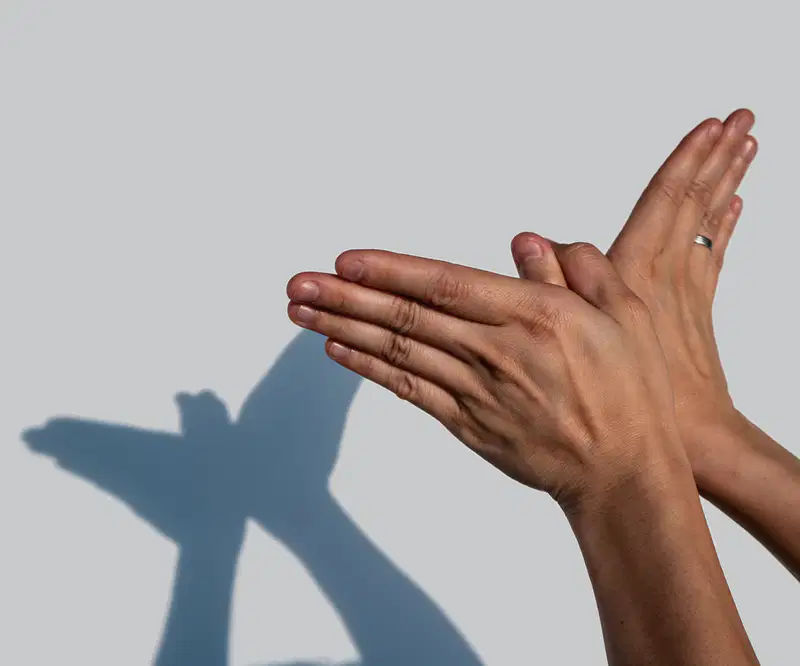
Sonya played with torchlight and created a shadow puppet on the wall using her hand. Is she wants to make the shadow smaller, she needs to
Move her hand closer to her face
Use a bigger torch
Move her hand away from the torchlight
Mover her hand closer to the torchlight
Which of the following colors have the highest frequency?
Green
Orange
Yellow
Violet
A solar eclipse occurs when the positions of the earth, sun and moon are as follows
Moon - sun - earth
Earth - sun - moon
Moon - earth - sun
Earth - moon - sun
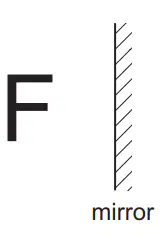
Look at the image
The image of the letter F will be




Law of reflection states that
On reflection from a rough surface, the angle of the reflected ray is bigger than the angle of the incident ray
On reflection from a smooth surface, the angle of reflection ray is smaller than the angle of the incident ray
On reflection from a rough surface , the angle of the reflected ray is equal to the angle of the incident ray
On the reflection from a smooth surface, the angle of the reflected ray is smaller than the angle of the incident ray
Which he following is a biconvex lens

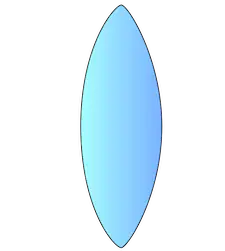
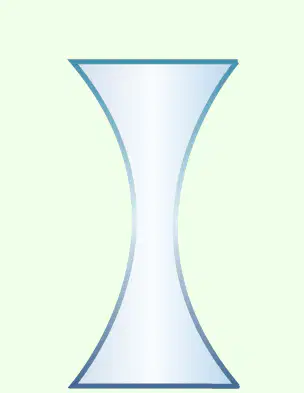
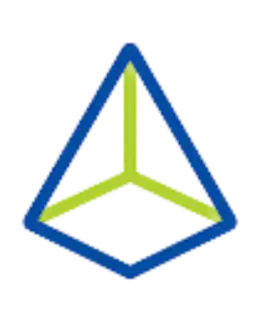
Light ray will bend away from the normal line when travels from …… to ……
Less dense , denser medium , medium
Air ; water
Denser ; less dense
Water ; glass
The image of a 4 cm object reflected from a convex mirror will appear
Paler than the actual object
Taller than the actual object
Wider than the actual object
Smaller than the actual object

