
 Worksheets
Y8 Overall Revision
Total questions: 277
Worksheet time: 3hrs 3mins

Which lever would be the easiest to lift the load?
C
A
B
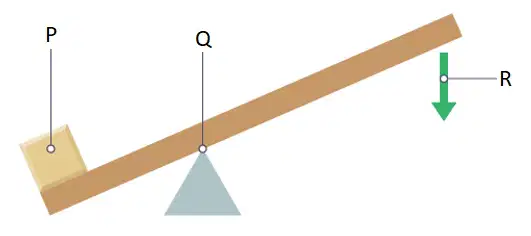
What is P?
Load
Force
Pivot
Pigeon
What is R?
Load
Force
Pivot
Pigeon
What is Q?
Load
Force
Pivot
Pigeon
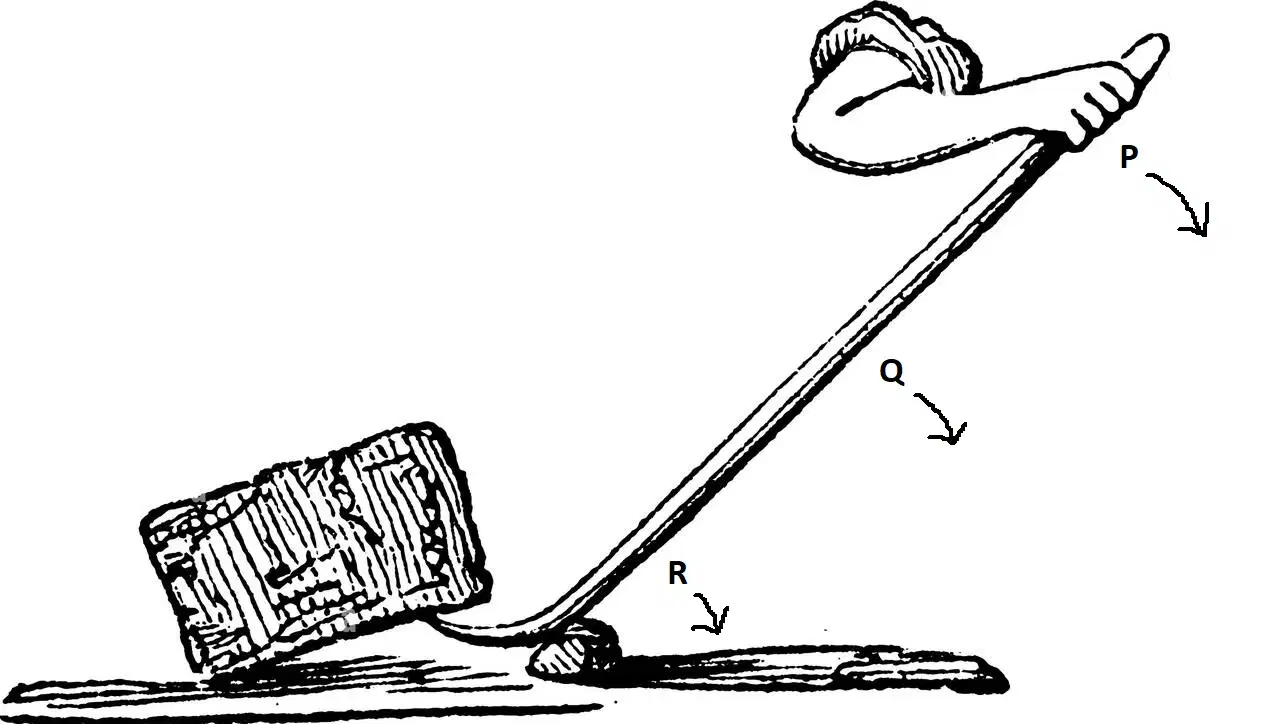
At which point should you pull to use the least effort to move the load (easiest to move)?
P
Q
R
What is P?
(a)
At which point will the moment be the lowest?
P
Q
R
What is Q?
(a)
At which point will the moment be the highest?
P
Q
R
What is R?
(a)
At which point will the load need the highest amount of effort (hardest to move)?
P
Q
R
What is true about pulling at point P?
Highest moment, least effort needed to move the load
Lowest moment, least effort needed to move the load
Highest moment, most effort needed to move the load
Lowest moment, most effort needed to move the load
What is true about pulling at point R?
Highest moment, least effort needed to move the load
Lowest moment, least effort needed to move the load
Highest moment, most effort needed to move the load
Lowest moment, most effort needed to move the load
What is the formula to calculate moment?
Moment = Force x Distance from force to pivot
Moment = Force ÷ Distance from force to pivot
Moment = Force + Distance from force to pivot
Moment = Force - Distance from force to pivot
A force of 7.0 N is applied at a distance of 3.0 m from the pivot. What is the moment?
10.0 Nm
2.3 Nm
4.0 Nm
A moment of 32.0 Nm is caused by a force of 8.0 N. How far from the pivot is the force applied?
256.0 m
256.0 N
4.0 N
4.0 m
A moment of 33.0 Nm is needed to lift a load. If the distance from the pivot is 11.0 m, what force is needed?
3.0 m
363.0 N
A force of 5.0 N is applied at a distance of 2.0 m from the pivot. What is the moment?
10.0 Nm
3.0 Nm
10 N
2.5 Nm
If a force of 8.0 N is applied at a distance of 4.0 m from the pivot, what is the moment?
32.0 Nm
32.0 N
2.0 Nm
2.0 N
A moment of 18.0 Nm is caused by a force of 9.0 N. How far from the pivot is the force applied?
2.0 N
162.0 N
162.0 m
A moment of 35.0 Nm is caused by a force of 7.0 N. How far from the pivot is the force applied?
5.0 m
5.0 N
245.0 N
245.0 m
A moment of 82.0 Nm is needed to lift a load. If the distance from the pivot is 41.0 m, what force is needed?
2.0 Nm
3362.0 m
3362.0 N
If a moment of 60.0 Nm is needed to lift a load and the distance from the pivot is 18.0 m, what force is needed?
3.3 N
3.3 Nm
1080.0 N
1080.0 Nm
Ali travels 30 km and takes 3 hours. What is his average speed? Give your answer in km/hr
0.1
33
90
10
Billy travelled 300 km at 100 km/hr. How long did it take him to reach his destination in hours?
0.3
30
3
30 000
Jimmy travelled at a speed of 20 km/hr for 4 hours. How far did he go in km?
0.2 km
5 km
80 km
24 km
John travels 24 km and takes 2 hours. What is his average speed? Give your answer in km/hr
0.083
48
12
26
Jake travelled at a speed of 4 km/hr for 15 minutes. How far did he go in km?
1 km
3.75 km
60 km
11 km
Frank travelled 250 km at 10 km/hr. How long did it take him to reach his destination in hours?
25
2500
0.04
260
Betty travels 3 km and takes 30 minutes. What is his average speed? Give your answer in km/hr.
6
10
0.1
90
Lance travelled at a speed of 5 m/s for 2 minutes. How far did he go in metres?
10
2.5
300
600
20 km/hr = ___________ m/s ?
20 000
5.56
1 200 000
333.33
3.5 m/s = ___________ km/hour ?
0.0035
35
12.6
126
50 km/hr = ___________ m/minute ?
50 000
3 000 000
13.89
833.33
1.5 m/minute = ___________ km/hour ?
900
0.0015
1 500
0.09

Runners A, B and C ran different distances in an experiment. The results are shown in the table. What is runner A's average speed in m/s?
(a)
Runners A, B and C ran different distances in an experiment. The results are shown in the table. What is runner B's average speed in m/s?
(a)
Runners A, B and C ran different distances in an experiment. The results are shown in the table. What is runner C's average speed in m/s?
(a)
Runners A, B and C ran different distances in an experiment. The results are shown in the table. Which was the fastest runner in this experiment, A, B or C?
A
B
C
They all run at the same speed

The image shows a distance time graph of a car journey. How many times did the car stop during this journey?
Once
Twice
Three times
The car didn't stop. Checkmate!
The image shows a distance time graph of a car journey. How far did the car travel in km after 9 minutes?
9 km
0 km
8 km
10 km
The image shows a distance time graph of a car journey. What is the speed of the car in km/minutes in the first 4 minutes of its journey?
1 km/min
2 km/min
3 km/min
4 km/min
The image shows a distance time graph of a car journey. At which period was the car travelling the fastest?
0 - 4 minutes
4 - 7 minutes
7 - 10 minutes
5 - 8 minutes

The image shows a distance time graph of John's journey. At which point did John stop?
A
B
C
D
The image shows a distance time graph of John's journey. At which point was John on his way back to where he started?
A
B
C
D
The image shows a distance time graph of John's journey. At which point was John moving the fastest on this journey?
A
B
C
D
The image shows a distance time graph of John's journey. How long did he travel before stopping?
1 hour
2 hours
11 hours
30 hours
The image shows a distance time graph of John's journey. What was John's speed at C?
120 km/hr
47.5 km/hr
60 km/hr
2 km/hr
The image shows a distance time graph of John's journey. What was John's speed at B?
30 km/hr
2.5 km/hr
2.6 km/hr
0 km/hr
The image shows a distance time graph of John's journey. What was John's speed at D?
40 km/hr
60 km/hr
30 km/hr
0 km/hr
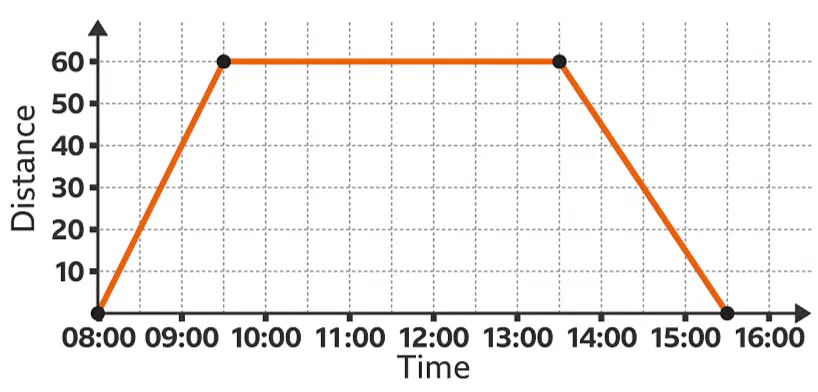
The graph shows Kim's journey from her house to a nearby shop.
How long did she spend at the shop?
3 hours
4 hours
6 hours
7 hours
The graph shows Kim's journey from her house to a nearby shop.
At which time slot was Kim travelling the fastest?
8.00 - 9.30am
9.30am - 1.30pm
1.30 - 3.30pm
8.00am - 3.30pm
The graph shows Kim's journey from her house to a nearby shop. The distance is in unit hours (h).
What is Kim's speed between 8.00 - 9.30am (in km/h)?
(a)
The graph shows Kim's journey from her house to a nearby shop. The distance is in unit hours (h).
What is Kim's speed between 9.30am - 1.30pm (in km/h)?
(a)
The graph shows Kim's journey from her house to a nearby shop. The distance is in unit hours (h).
What is Kim's speed between 1.30 - 3.30pm (in km/h)?
(a)
The graph shows Kim's journey from her house to a nearby shop. The distance is in unit hours (h).
What is Kim's average speed (in km/h)?
(a)
A magnet...
is not necessarily magnetic.
has its own magnetic field.
attracts other magnetic objects.
repels other magnetic objects.
A magnetic object...
is not necessarily a magnet itself.
has its own magnetic field.
attracts other magnetic objects.
can be magnetized to become a magnet.
The like poles of two magnets...
attract one another
repel one another
merge to form another magnet
split to become four magnets
Like poles (a) .
(a) poles repel.
(a) poles attract.
Unlike poles (a) .
The unlike poles of two magnets...
attract one another
repel one another
merge to form another magnet
split to become four magnets
Which of the following are true about magnets?
They always have a north and south pole.
They always have an east and west pole.
Magnetic field lines emerge from the south pole and enters the north pole of the magnet.
Magnetic field lines emerge from the north pole and enters the south pole of the magnet.

An experiment was done to identify the direction of magnetic field lines around a magnet by placing compasses near the magnet bar. What is the direction of the compass needle in compass B?
Up
Down
Left
Right
An experiment was done to identify the direction of magnetic field lines around a magnet by placing compasses near the magnet bar. What is the direction of the compass needle in compass C?
Up
Down
Left
Right

A magnet is placed under a piece of paper and iron filings is scattered on the paper. The image shows the observation made in this investigation. What does the shape of the iron filings represent?
Gravity
Magnetic pressure
Magnetic field lines
Electromagnetic force
Which are true about the magnetic field of magnets?
The magnetic field surrounds the magnet in a 3-dimensional space.
The magnetic field is flat.
The magnetic field comes out from the north pole and enters the south pole.
The magnetic field comes out from the south pole and enters the north pole.

There is something wrong with the image shown here.
What is the mistake?
The magnetic field lines should enter the north pole.
The magnetic field lines should enter the south pole.
All the magnetic field lines are in the wrong direction.
No, there is nothing wrong and I won't fall for this trick.

Which of the following shows the correct direction of magnetic field lines?
A
B
C
D

What will happen here?
Both magnet bars will repel one another
Both magnet bars will float up
One of the magnet bars will expand
Both magnet bars will be attracted to one another

What will happen here?
Both magnet bars will move down
Both magnet bars will repel one another
One of the magnet bars will shrink
Both magnet bars will be attracted to one another
The Earth's (a) acts as a giant magnet.
The magnetic force is strongest at the _________ of a magnet.
north pole
south pole
poles
middle
The movement of the ____________ is what causes the earth's magnetic field.
Earth's liquid outer core
Earth's liquid inner core
Earth's solid outer core
Earth's solid inner core
Which of the following is a magnetic element?
iron
plastic
rubber
gold
A blue filter transmits ____________ light and absorbs ____________ and ____________ light.
red, green, blue
green, blue, red
blue, green, red
red, blue, green
A yellow filter transmits ____________ and ___________ light and absorbs ____________ light.
red, green, blue
green, blue, red
blue, green, red
red, blue, green

What coloured light appears on the screen?
Blue
Red
Green
No light

What coloured light appears on the screen?
Blue
Red
Green
No light

What coloured light appears on the screen?
Blue
Red
Green
No light

What coloured light appears on the screen?
Blue
Red
Green
No light

What coloured light appears on the screen?
Blue
Red
Green
No light

What coloured light appears on the screen?
Blue
Red
Green
No light

What coloured light appears on the screen?
Blue
Red
Green
No light

What coloured light appears on the screen?
Blue
Red
Green
No light

What coloured light appears on the screen?
Blue
Red
Green
No light

What coloured light appears on the screen?
Blue
Red
Green
No light

What coloured light will be produced behind the green filter?
red
blue
green
no light

What coloured light will be produced behind the red filter?
red
blue
green
no light
An (a) is the biological environment that includes all living and non-living things in a specific region, and the interactions that take place between them.

(a) ecosystem
A (a) is the place where an organism lives.
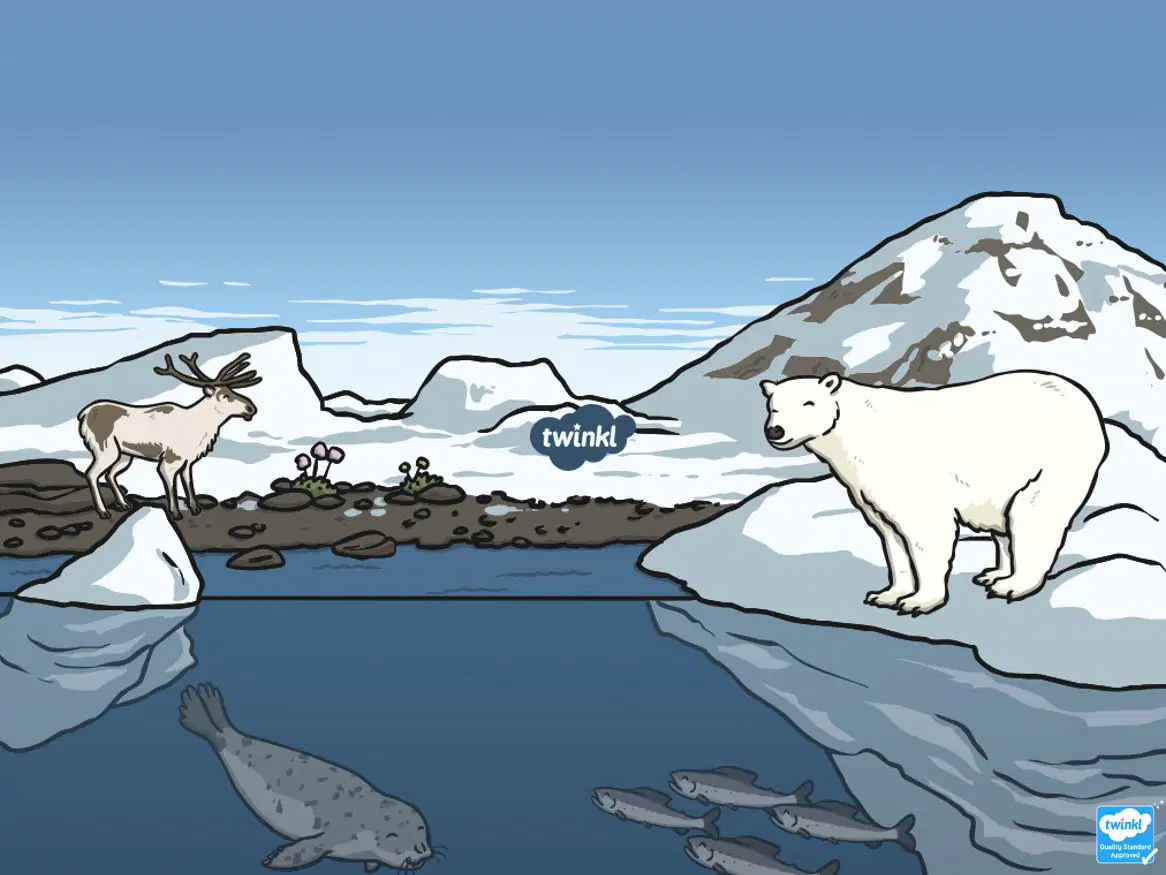
(a) ecosystem
Which of the following is true?
Several ecosystems can form one habitat.
Several habitats can form one ecosystem.
Habitat is smaller than ecosystem.
Ecosystem is smaller than habitat.
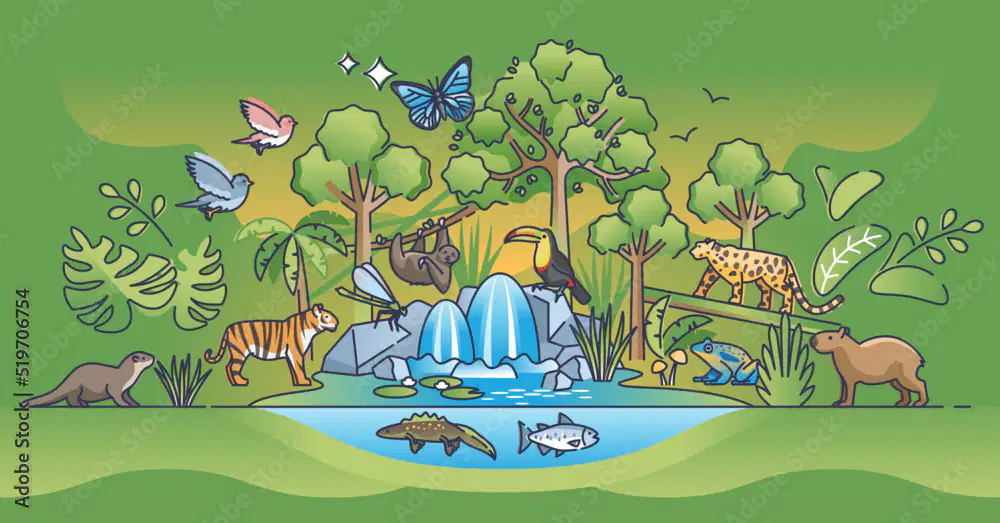
(a) ecosystem
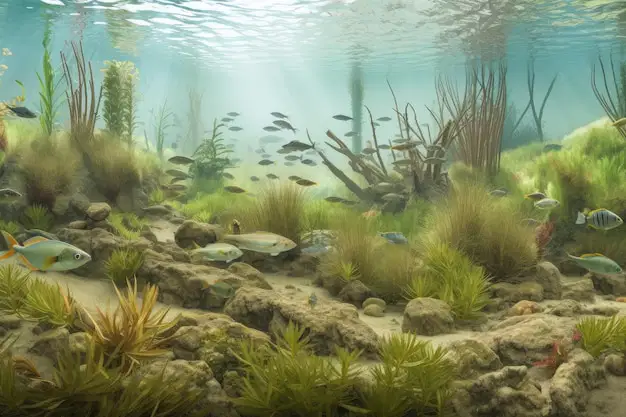
(a) ecosystem. (Hint: Starts with 'f')
Kangaroos can be naturally found in Australia.
We can say that kangaroos are (a) species in Australia.
Kangaroos can be naturally found in Australia.
If an animal X from another country enters the kangaroos' ecosystem and start to reproduce, animal X can become an (a) species.
Native species are species that...
are naturally found in a habitat.
are species that moved into a new habitat.
are species that can understand native languages.
are species that live in an ecosystem.
Invasive species are species that...
are naturally found in a habitat.
are species that moved into a new habitat.
are species that can understand native languages.
are species that live in a habitat
What are some problems that can be caused by invasive species?
Produce more resources for the native species.
Compete with native species for resources.
Cause the native species to reproduce more.
Directly harming native species.
Disrupt an ecosystem's balance.
How do invasive species enter a new habitat?
illegal trading
humans bringing them in by accident
migration
humans intentionally introducing them
born naturally in the new habitat
Are invasive species only among animals?
Yes
No, it can involve objects as well
No, it can involve plants as well
All of the answers combined
dying
biotic (living)
abiotic (non-living)

A food web
An ecosystem
A food chain

Predict what would happen if a disease attacked the rabbits in this community, causing many of them to die. (2 answers)
The eagle population will decrease.
The plant population will increase.
The eagle population will increase.
The plant population will decrease.
Predict what would happen if human development caused more lizards from another habitat to move into this community. (2 answers)
The eagle population will increase
The eagle population will decrease
The butterfly population will decrease.
The butterfly population will increase
Predict what would happen if a drought caused many of the plants in this community to die? (3 answers)
The butterfly population will increase.
The rabbit population will increase.
The rat population will decrease.
The lizard population will decrease.
There will be more competition between butterflies, rabbits and rats.
Light moves in a ____________ line.
curved
straight
crooked
fabulous
How do we see objects?
Light comes out of our eyes and reaches the objects.
Light reflects off the surface of objects and the light enters our eyes.
Light comes out of the object and meets the light that comes out of our eyes.
Light is produced in our eyes to see objects.

This image shows that...
Light can be reflected.
Light can be refracted.
Light can bend.
Light can be produced.

Which of the following is the incident ray?
C
D
E
F
G
Which of the following is the reflected ray?
C
D
E
F
G
Which of the following is the angle of incidence, i?
A
B
C
D
Which of the following is the angle of reflection, r?
A
B
C
D
G is the (a) line.
A + B = (a) degrees (write numbers only)
Angle B = Angle ______
A
C
D
None are correct.

What is the angle of incidence shown in this image?
30 degrees
110 degrees
140 degrees
80 degrees
60 degrees

What is the angle of reflection shown in this image?
70 degrees
110 degrees
20 degrees
180 degrees
40 degrees

What is the angle of reflection shown in this image?
40 degrees
140 degrees
50 degrees
100 degrees
180 degrees

What is the angle of incidence shown in this image?
170 degrees
10 degrees
80 degrees
180 degrees
160 degrees
Light moves in a ____________ line.
curved
straight
crooked
fabulous
How do we see objects?
Light comes out of our eyes and reaches the objects.
Light reflects off the surface of objects and the light enters our eyes.
Light comes out of the object and meets the light that comes out of our eyes.
Light is produced in our eyes to see objects.
This image shows that...
Light can be reflected.
Light can be refracted.
Light can bend.
Light can be produced.
Which of the following is the incident ray?
C
D
E
F
G
Which of the following is the reflected ray?
C
D
E
F
G
Which of the following is the angle of incidence, i?
A
B
C
D
Which of the following is the angle of reflection, r?
A
B
C
D
G is the (a) line.
A + B = (a) degrees (write numbers only)
Angle B = Angle ______
A
C
D
None are correct.
What is the angle of incidence shown in this image?
30 degrees
110 degrees
140 degrees
80 degrees
60 degrees
What is the angle of reflection shown in this image?
70 degrees
110 degrees
20 degrees
180 degrees
40 degrees
What is the angle of reflection shown in this image?
40 degrees
140 degrees
50 degrees
100 degrees
180 degrees
What is the angle of incidence shown in this image?
170 degrees
10 degrees
80 degrees
180 degrees
160 degrees
Which of the following represents weather?
The temperature tomorrow morning will be 29 degrees Celcius.
It usually snows here between November to January.
It will rainy tonight.
For the past 50 years, the hot season begins in March.
Malaysia is a country that is hot and humid, with temperatures usually ranging around 30 degrees Celsius.
This is an example of (a) .
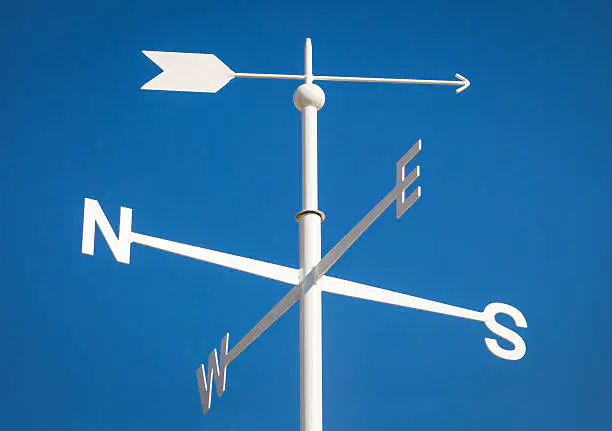
Which of the following is true about this object?
Wind vain
Wind vane
To detect the direction of wind
To detect the wind speed
Anemometer
Which of the following represents climate?
This week is going to be a rainy week.
It is always sunny here between April to July.
It will be cloudy in the evening.
For the past 30 years, the cold season begins in March.

Which of the following is true about this object?
Wind vain
Wind vane
To detect the direction of wind
To measure the wind speed
Anemometer
The percentage of oxygen by volume in air is (a) %
It is usually rainy in June in Bangkok, but today it is hot and dry.
This is an example of (a) .
(a) gas' percentage by volume in air is 21%
The percentage of nitrogen by volume in air is (a) %
(a) gas' percentage by volume in air is 78%
Which of the following are emissions from human activities?
natural forest fires
motor vehicles
volcanic emissions
burning of fossil fuels
The ______________ effect is what is believed to cause the Earth to become warmer.
greenhouse
grenhouse
grinhouse
greekhouse
The (a) effect is what is believed to cause the Earth to become warmer.
The greenhouse effect is caused by greenhouse gases such as ______________, ________________ and methane. These gases ______________ heat, making the Earth warmer.
nitrogen, carbon dioxide, release
carbon dioxide, water vapour, trap
nitrogen, carbon dioxide, trap
carbon dioxide, water vapour, release
Too much _____________________ gas is believed to be one of the main causes of the greenhouse effect leading to ___________________. Although there could be other contributing factors.
nitrogen, global warming
carbon dioxide, global hunger
carbon dioxide, global warming
nitrogen, global cooling
Greenhouse gases ___________ and ____________ heat, causing the Earth to be warmer.
absorb, trap
absorb, release
trap, release
swirl, trap
What would happen to Earth if there is no greenhouse effect?
Earth will become too cold
Earth will become too hot
It will remain the same as it is now.
Which one is the reflection of light?
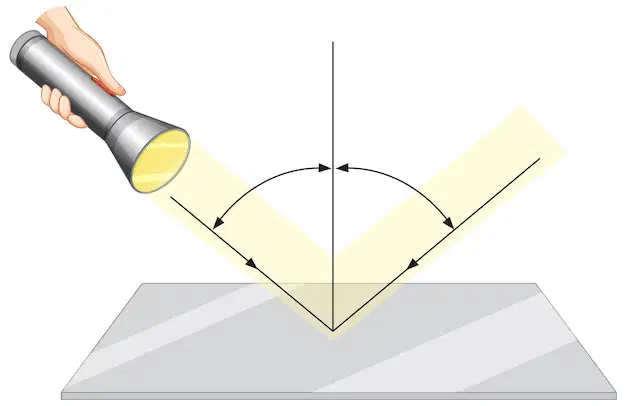

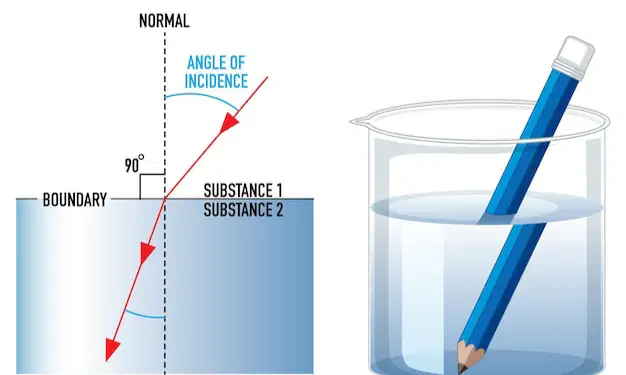
The image shows how a pencil looks like when part of it is submerged under water.
What causes the pencil to look like this?
Light reflection
Light refraction
The pencil is luminous.
The pencil is non-luminous
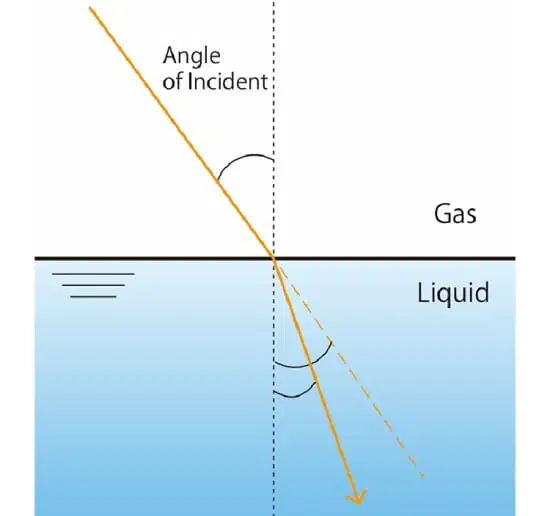
Which of the following are true about light refraction?
It is the bending of light.
Happens when light passes into a medium of different density.
Caused by a change in the speed of light.
It is the straightening of light.

Which of the following are true about the image shown?
Air is denser than water.
The light is refracted.
Water is denser than air.
The light slows down when it enters the water.
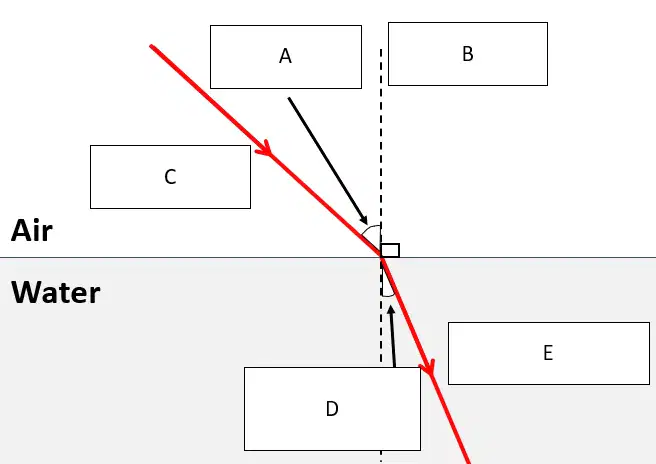
What is C?
Inches ray
Refracted ray
Reflected ray
Incident ray
Which of the following are true about light refraction?
Light travels faster in a denser medium.
Light travels slower in a denser medium.
Light bends towards the normal line when entering a denser medium.
Light bends away from the normal line when entering a denser medium.
When light passes from water into the air...
it speeds up.
it slows down.
it refracts away from the normal line.
it refracts towards the normal line.
What is E?
Inches ray
Refracted ray
Reflected ray
Incident ray
What is A?
Angle of reflection
Angle of refraction
Angle of incidence
Angle of interested
When light passes from air into glass...
the light slows down
the light speeds up
the light bends towards the normal line
the light bends away from the normal line

Choose the correct path of the refracted ray.


Choose the correct path of the refracted ray.


Choose the correct path of the refracted ray.


Choose the correct path of the refracted ray.


Choose the correct path of the refracted ray.


Choose the correct path of the refracted ray.


Choose the correct path of the refracted ray.


What is D?
Angle of reflection
Angle of refraction
Angle of incidence
Angle of interested
What is B?
(a)
Which one is the refraction of light?

The contraction and relaxation of muscles.
Respiration
Breathing
Venti
Ventilation

The diagram shows a set up to demonstrate the breathing mechanism in our body. What does P represent in the body?
oesophagus
throat
trachea
bronchus
Gas particles always flow from an area of ____________ pressure to an area of _____________ pressure until _____________ is achieved.
lower, higher, equation
higher, lower, equity
lower, higher, equilibrium
higher, lower, equilibrium
Which of the following are true about inspiration?
It is another word for inhalation.
It is another word for insanity.
It is the movement of air out of the lungs.
It is the movement of air into the lungs.
The diagram shows a set up to demonstrate the breathing mechanism in our body. What does Q represent in the body?
windpipe
bronchiole
trachea
bronchus
A chemical reaction that breaks down glucose to produce energy.
Respiration
Breathing
Veganism
Ventilation
Which of the following are true about expiration?
It is another word for extremism.
It is another word for exhalation.
It is the movement of air out of the lungs.
It is the movement of air into the lungs.
The diagram shows a set up to demonstrate the breathing mechanism in our body. What do the balloons represent in the body?
lungs
bronchiole
trachea
diaphragm
The main purpose of respiration is to produce (a) .
The diagram shows a set up to demonstrate the breathing mechanism in our body. What does the rubber sheet represent in the body?
intercostal muscle
bronchiole
trachea
diaphragm
When a person inhales... (3 answers)
the diaphragm moves down
the diaphragm contracts
the diaphragm relaxes
the diaphragm moves up
air moves into the lungs

When the diaphragm contracts it ____________, when it relaxes it _____________.
moves down (flattens), moves up (curves upwards)
moves up (curves upwards), moves down (flattens)
expands, diffuses
diffuses, expands
When a person exhales... (3 answers)
air moves out
the diaphragm relaxes.
air moves in
the diaphragm moves up
the diaphragm contracts
Aerobic Respiration
A + B --> C + D (and produces Energy)
A: Oxygen, B: Carbon Dioxide, C: Glucose, D: Water
A: Oxygen, B: Glucose, C: Carbon Dioxide, D: Water
A: Water, B: Carbon Dioxide, C: Oxygen, D: Glucose
A: Carbon Dioxide, B: Glucose, C: Oxygen, D: Water
Which are the muscles involved for breathing?
diaphragm
biceps
intercostal muscles
nose muscles
Asteroids are ______ that are smaller than ______.
planets, rocks
stones, rocks
rocks, planets
moons, stars
Asteroids are formed from the....
rocks on Jupiter.
rocks left over from the formation of the Solar System
rocks on Mars.
rocks on Mars and Jupiter.
The higher the mass, the higher the (a) force.
What is the size range of asteroids?
10 - 1000
10 m - 1000 m
10 km - 1000 km
10 m - 1000 km
What is the age of asteroids in the main asteroid belt? ___ _______ _____
(a)
Which planet is closest to the sun?
Mercury
Venus
Earth
Mars
During the formation of the Solar System, the __________ prevented the formation of any planet between Mars and Jupiter.
Solar System
small gravitational force of Jupiter
other planetary systems
large gravitational force of Jupiter
Which planet is the second closest to the sun?
Mercury
Venus
Earth
Mars
Which planet is the third closest to the sun?
(a)
Which planet is the fourth closest to the sun?
Mercury
Venus
Earth
Mars
Which planet is the largest in the Solar System?
Jupiter
Saturn
Uranus
Neptune
Due to the large gravitational force of Jupiter, no planet could form between Mars and Jupiter. The small objects between Mars and Jupiter ________ with each other and ________ into the asteroids seen today.
cold, broke
collide, fragment
combine, fragment
fragment, collide
Which planet is between Uranus and Jupiter?
(a)
Which planet is the eight planet in our solar system?
Jupiter
Saturn
Uranus
Neptune
Pluto
Which planet is between Neptune and Saturn?
(a)
Choose the correct sequence of planets in our solar system.
Mercury > Venus > Earth > Mars > Jupiter > Saturn > Uranus > Neptune
Venus > Mercury > Earth > Mars > Jupiter > Saturn > Uranus > Neptune
Earth > Mars > Venus > Mercury > Jupiter > Saturn > Uranus > Neptune
Mercury > Venus > Earth > Mars > Jupiter > Uranus > Saturn > Neptune
Write all the planets in our Solar System, beginning with the planet closest to the Sun. Separate each planet with only ONE SPACE. Example: Planet1 Planet2 Planet3
(a)
The main Asteroid Belt is located between...
Jupiter and Mars
Earth and Mars
Jupiter and Saturn
Saturn and Neptune
What is the name of our planetary system?
(a)
What is the name of our galaxy?
(a)
Our Sun is a (a) .
A galaxy is a large cluster of (a) .
A star that has its own planetary system is located...
outside the planetary system
at the centre of the planetary system
inside the planetary system
between two other planetary systems
The largest known asteroid in the main Asteroid Belt is called...
Caras
Cares
Ceres
Ceras
Which of the following is true about gas pressure? (Multiple answers)
It is caused by gas particles pulling the walls of its container.
It is caused by gas particles hitting the walls of its container.
The more often the gas particles hit the walls of its container, the lower the gas pressure in that container.
The more often the gas particles hit the walls of its container, the higher the gas pressure in that container.
What are the factors that influence gas pressure? (Multiple answers)
Temperature.
Volume of the container.
Amount of gas particles inside the container.
Acidity of the gas.
Akalinity of the gas.
The lower the temperature, the _______________ the gas pressure in a container.
lower
higher
smellier
(none of the above are correct)
The larger the volume of the container, the _______________ the gas pressure in a container.
lower
higher
more explosive
(none of the above are correct)
The more gas particles in a container, the _______________ the gas pressure in the container.
lower
higher
more reasonable
(none of the above are correct)

What happens when a balloon of air is compressed? (Multiple answers)
The volume of the balloon increases.
The volume of the balloon decreases.
The air pressure inside the balloon increases.
The air pressure inside the balloon decreases.
The air particles hit the internal walls of the balloon more frequently.
What would happen if a gas tank filled with carbon dioxide gas was cooled down? (Multiple answers)
The gas particles hit the internal walls of the tank more frequently.
The gas particles hit the internal walls of the tank less frequently.
The gas pressure inside the tank increases.
The gas pressure inside the tank decreases.

What happens when we pump air into a bottle without letting the air escape? (Multiple answers)
There will be more air particles inside the bottle.
Air particles will collide with the internal walls of the container more frequently.
Air particles will collide with the internal walls of the container less frequently.
The air pressure inside the bottle increases.
The air pressure inside the bottle decreases.
Which of the following are true about the diffusion process?
It is the movement of particles from an area of high concentration to an area of low concentration.
It is the movement of particles from an area of low concentration to an area of high concentration.
It is the movement of particles between areas of equal concentrations.
Ink spreading throughout a cup of water is an example of diffusion.
Being able to smell durian from across the street is caused by diffusion.
What are the factors that affect the rate of diffusion? (Multiple answers)
Temperature.
Mass of the particles.
The smell of the substance.
Material of the container used.
To increase the rate of diffusion, we need to __________________ the temperature so that the particles move _______________.
increase, faster
increase, slower
decrease, faster
decrease, slower
Particles that have _____________ mass have a slower rate of diffusion because they are ________________ and hence travel ________________.
more, heavier, slower
more, lighter, slower
less, heavier, slower
less, lighter, slower
less, lighter, faster

A few drops of ink dye are added into two beakers A and B as shown in the image. Which of the following statements are true? (Multiple answers)
Beaker A contains hot water
Beaker B contains hot water
Beaker A contains cold water
Beaker B contains cold water
Both beakers contain water at room temperature.
Which of the following can be found in in our blood?
White blood cells
Red blood cells
Plasma
Microorganisms

What are these called?
(a)

This is a type of cell in our blood. What is it called?
(a)

What is the yellowish solution in our blood?
(a)
A chemical reaction that breaks down glucose to produce energy.
Respiration
Breathing
Veganism
Ventilation
Which of the following are true about red blood cells?
It transports nutrients and carbon dioxide.
It transports pathogens.
It transports oxygen.
It protects against pathogens.
Which of the following are true about white blood cells?
They have no nucleus.
To protect against pathogens.
Transports blood cells, nutrients, carbon dioxide
They are white in colour.
Which of the following are true about plasma?
Transports oxygen.
It protects the body from pathogens.
Transports red blood cells AND white blood cells.
Transports carbon dioxide.
Transports nutrients
Why does blood transport oxygen and carbon dioxide in our body?
Because of respiration
To protect against pathogens
To produce energy
For plasma
Name the type of cell in the blood that can protect against pathogens and prevent infection.
(a)
What part of blood is the liquid that transports carbon dioxide and nutrients?
A chemical reaction that breaks down glucose to produce energy.
(a)
Aerobic Respiration
Z + B --> H + M (and produces Energy)
Z: Oxygen, B: Carbon Dioxide, H: Glucose, M: Water
Z: Oxygen, B: Glucose, H: Carbon Dioxide, M: Water
Z: Water, B: Carbon Dioxide, H: Oxygen, M: Glucose
Z: Carbon Dioxide, B: Glucose, H: Oxygen, M: Water
What is the process that changes matter from the solid state to the liquid state?
(a)
What is the process that changes matter from the liquid state to the solid state?
(a)
What is the process that changes matter from the liquid state to the gaseous state? There are two answers, type your answers separated by a comma and no space in between. Example: xxx,yyy
(a)
What is the process that changes matter from the gaseous state to the liquid state?
(a)
What is the process that changes matter from the solid state to the gaseous state?
(a)
What is the process that changes matter from the gaseous state to the solid state?
(a)
What does the particle theory of matter tell us about the nature of matter in this world?
Matter is made of tiny particles
The particles in matter are constantly moving.
The speed of particles depend on how much energy they have.
There are three types of particles.
Based on the particle theory of matter, when liquid water is heated up to the boiling point, the water particles will ____________ heat energy, become more energetic and move ____________. When the energy that is absorbed by the particles overcomes the forces of ______________ between the water particles, the bonds between water particles will _____________ and the water particles will escape into the air as water vapour (gas).
Write your answers separated by commas without spaces in between.
Example for how to write your answers:
xxx,yyy,zzz,ggg,hhh
(a)
Based on the particle theory of matter, when liquid water is cooled down to the freezing point, the water particles will ____________ heat energy, become ___________ energetic and move ____________. The particles then begin to move ___________ to one another due to the attractive forces between the particles and form ___________ to become ice (solid).
Write your answers separated by commas without spaces in between.
Example for how to write your answers:
xxx,yyy,zzz,ggg,hhh
(a)

When you breathe out hot air onto a cool glass surface, the surface is temporarily 'blurred' out. This blurred surface is actually _____________ and it is caused by _____________.
water droplets, condensation
smoke, evaporation
steam, condensation
water vapour, evaporation

Dry ice is often used to create special effects. What process is involved in the production of the visible vapour from the solid dry ice?
Sublimation
Deposition
Evaporation
Freezing

When wet clothes dry out in the open, what is the process involved?
Evaporation
Boiling
Condensation
Sublimation

At very low temperatures, the water vapour in the air can form ice crystals when it comes into contact with a cold window surface. Which process is involved in this observation?
Deposition
Evaporation
Boiling
Condensation
When water is being heated up... (multiple answers)
the water particles absorb heat energy.
the water particles move faster.
bonds are broken.
bonds are formed.
the water particles move closer to one another.
When water is being cooled down... (multiple answers)
the water particles release heat energy.
the water particles move faster.
bonds are broken.
bonds are formed.
the water particles move closer to one another.

Which process is shown in this image?
Boiling
Evaporation
Condensation
Deposition

During winter, we could walk on the surface of certain lakes. Which process makes this possible?
Freezing
Condensation
Sublimation
Deposition

As global warming becomes more serious, we are losing glaciers and polar bears are losing their habitats. Which process is involved in this problem?
Melting
Evaporation
Boiling
Condensation

When water droplets form outside a cool glass of lemonade, what is going on?
Condensation
Evaporation
Sublimation
Deposition
Which of the following statements are true? (Multiple answers)
When we heat something up, its particles will absorb energy.
When we heat something up, its particles will release energy.
When particles have more energy, they will move further away from one another.
When particles have less energy, they will move further away from one another.

What is part H?
(a)
What is part G?
(a)
What is part B?
(a)
What is part F?
(a)
What is part D?
(a)
What is part E, the structure right at the tips of bronchiole? Singular or plural answers accepted,
(a)
What is part C? (singular or plural answers accepted)
(a)
What is part A?
(a)

The image shows a part in our lungs. These are called ___________ and they are surrounded by _________________.
muscles, arteries
tissues, veins
alveoli, blood capillaries
cartilage, blood vessels
The alveolus is where ______________ occurs between ___________ and _____________.
respiration, oxygen, glucose
photosynthesis, carbon dioxide, water
respiration, oxygen, carbon dioxide
gaseous exchange, oxygen, carbon dioxide
The gaseous exchange that occurs at the alveoli involves the removal of ___________ from the blood and addition of ____________ into the blood.
carbon dioxide, oxygen
oxygen, carbon dioxide
carbon dioxide, water
oxygen, hydrogen

Gaseous exchange between the alveolus and the blood stream involving oxygen and carbon dioxide happens through a process called (a) .
Hint: d_ _ _ _ _ _ _ n
The __________________ are the muscles that move the rib cage when we breathe.
diaphragm
intercostal muscles
biceps
antagonistic muscles
Which of the following are muscles involved in breathing? (2 answers)
triceps
intercostal muscles
deltoid
diaphragm
Which of the following are characteristics that alveoli have to enable them to carry out gas exchange more efficiently?
have thin walls
large surface area
surrounded by capillaries
moist surface

