
 Worksheets
Guia Examen final Ingles 2 URN
Total questions: 119
Worksheet time: 57mins
que significa I AM GOING TO en español?
Yo voy a...
yo ire a....
Usamos la Expresion GOING TO para hablar de promesas?
FALSO
VERDADERO
Algun dia viajaré alrededor del mundo. Como escribo la anterior frasé en ingles:
someday I am going to travel around the world
someday I will travel around the world
When do we use "GOING TO"? (¿Cuándo utilizamos el "going to"?)
Elige más de una opción
Near future
Promises
Predictions
Facts
When do we use "WILL"?
(Choose only one option)
To talk about FEELINGS
To talk about FACTS
To talk about PLANS
To talk about TIME
When do we use "will"?
(¿Cuándo utilizamos el "will"?)
For promises
For dreams
For movies
For facts
Uno de los usos de WILL es...
Hablar de sucesos del presente de manera estricta
Hablar de sucesos del presente de manera intrínseca
Hablar de decisiones espontáneas o de hechos que podrían suceder en el futuro.
Uno de los usos de WILL es...
hacer consultas
hacer predicciones
hacer incisiones
It's so cold right now, I think I __________ close the window.
Will
going to
I am ___________ to travel to Cartagena next month
Will
Going to
Aries __________ find love in the next days
Will
Going to
She _____ going to go to her parents house tomorrow
are
Is
They _____ going to build a boat next week
are
Is

Complete the sentence using "will" or "going to"
She (a) buy a dress.

Complete the sentence using "will" or going to".
She (a) travel around the world.

Complete the sentences with "will" or "going to":
She (a) have a baby.

Complete the sentence using: "will" or "going to".
(Completa la oración usando "will" o "going to")
Someday, I ______ be a famous soccer player.
will
am going to
is going to

Completa la oración seleccionando la opción correcta:
I promise that I ______ do my homework
will
am going to
is going to
¿Qué expresa el auxiliar "Must"?
Una obligación
Una sugerencia
Agradecimiento
Felicidad
¿Que significa "Must not"?
Debe
No Bebe
No puede
No debe
¿Que significa "MUST"?
Puede
No Puede
Debe
No debe
Escoge la alternativa de la palabra que falta en la siguiente oración:
You ________ study for English Test.
Mas
Must
Mustn´t
Must not
Escoge la alternativa de la palabra que falta en la siguiente oración:
She ______ speak with stranger people
Must
Mustn´t
English
Mast
Nosotros debemos estudiar
We should study
We can study
We must study
We could study

Seleccione la oración correcta
Margaret must to eat her food
Margaret eat must her food
Margaret her must eat food
Margaret must eat her food

Seleccione la oración correcta:
You must today drive the sailboat
You must drive the sailboat today.
You must driv the sailboat today.
You must to drive the sailboat today.

Seleccione la oración correcta:
My father syas: Ann must paints the ceiling
My father syas: Ann must paint the ceiling
My father syas: Ann must to paint the ceiling
My father syas: Ann must painting the ceiling

Selecciona la oración correcta:
Daniel must writes in his notebook
Daniel must wrote in his notebook
Daniel must written in his notebook
Daniel must write in his notebook
𝑾𝒆________ 𝒊𝒏 𝑪𝒂𝒏𝒃𝒆𝒓𝒓𝒂 𝒍𝒂𝒔𝒕 𝒔𝒑𝒓𝒊𝒏𝒈.
𝑾𝒂𝒔
𝑾𝒆𝒓𝒆
𝑱𝒂𝒎𝒊𝒆 ________ 25 𝒍𝒂𝒔𝒕 𝑱𝒖𝒏𝒆.
𝑾𝒆𝒓𝒆
𝑾𝒂𝒔
𝒀𝒐𝒖 _____________ 𝒗𝒆𝒓𝒚 𝒃𝒖𝒔𝒚 𝒐𝒏 𝑭𝒓𝒊𝒅𝒂𝒚.
𝑾𝒂𝒔
𝑾𝒆𝒓𝒆
______________ 𝒚𝒐𝒖 𝒖 𝒂𝒕 𝒘𝒐𝒓𝒌 𝒕𝒉𝒊𝒔 𝒎𝒐𝒓𝒏𝒊𝒏𝒈?
𝑾𝒂𝒔
𝑾𝒆𝒓𝒆
𝑯𝒆 ______________ 𝒏𝒐𝒕 𝒔𝒖𝒓𝒑𝒓𝒊𝒔𝒆𝒅 𝒃𝒚 𝒕𝒉𝒆 𝒑𝒓𝒆𝒔𝒆𝒏𝒕.
𝑾𝒆𝒓𝒆
𝑾𝒂𝒔
𝑰𝒕 ______________ 𝒏𝒐𝒕 𝒗𝒆𝒓𝒚 𝒅𝒂𝒏𝒈𝒆𝒓𝒐𝒖𝒔.
𝑾𝒆𝒓𝒆
𝑾𝒂𝒔
𝑺𝒉𝒆 ______________ 𝒊𝒏𝒕𝒆𝒓𝒆𝒔𝒕𝒆𝒅 𝒊𝒏 𝒔𝒄𝒊𝒆𝒏𝒄𝒆.
𝑾𝒂𝒔
𝑾𝒆𝒓𝒆
WAS es igual a IS
yes
no
maybe
tal vez
Choose the correct option. There is _____ milk in the fridge.
any
some
Can I have_____ water, please?
some
any
There are ______ cats in the garden.
some
any
I don´t have ________ money.
some
any
Can I have ______ more tea, please?
some
any
We haven´t got ________ bananas.
some
any

I would like ________ apples
some
any

I don´t have ________ cheese.
some
any

I can´t eat ______ nuts.
any
some
There aren´t _______ oranges on the table.
some
any
Is there ______ sugar?
some
any
There is ______ milk on the fridge. It´s for Susan.
some
any

This food is...
healthy
unhealthy

This food is...
unhealthy
healthy

This food is...
healthy
unhealthy

This food is...
healthy
unhealthy

There snacks are...
healthy
unhealthy
There is _____ rice in the bowl.
Some
Any
There aren´t ______ chocolate.
some
any
There aren´t ______ tomatoes.
some
any
There is _____ eggs.
some
any
I don´t have ________ money.
some
any
too much
demasiado
poco
mucho
tanto
a lot
demasiado
poco
mucho
tanto
Too many se pocupa para sustantivos:
cuantificables
no cuantificables
Too much se pocupa para sustantivos:
cuantificables
no cuantificables

Philip was washing the car ........................the fire started.
when
while
because
but

A: What ________________ when you saw the robbery?
B: I was shopping for groceries.
were you doing
did you do

I saw you driving down Green Street yesterday! Where _____?
did you go
were you going

We _______ (play) tennis when Andy ________ (break) his ankle.
were playing, broke
were playing, was breaking
played, were breaking
played, broke
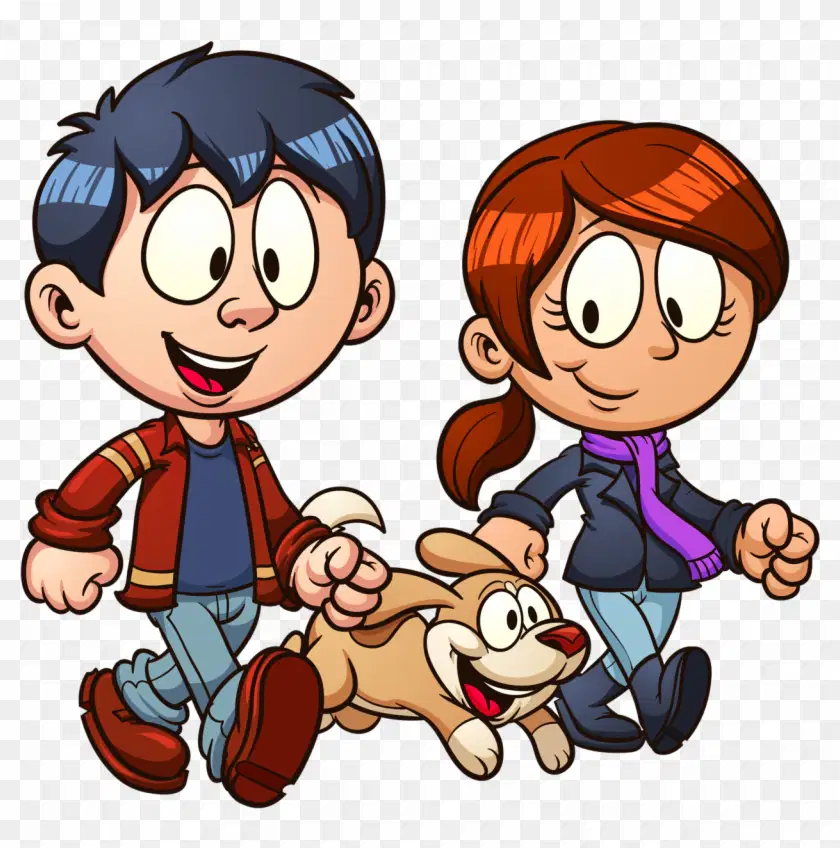
While we ________ the dog, we found a coin.
walk
walked
was walking
were walking

While I ____________ (text), the school bus ____________ (arrive) .
was texting - arrived
was texting - was arriving
texted - was arriving
texted - arrived
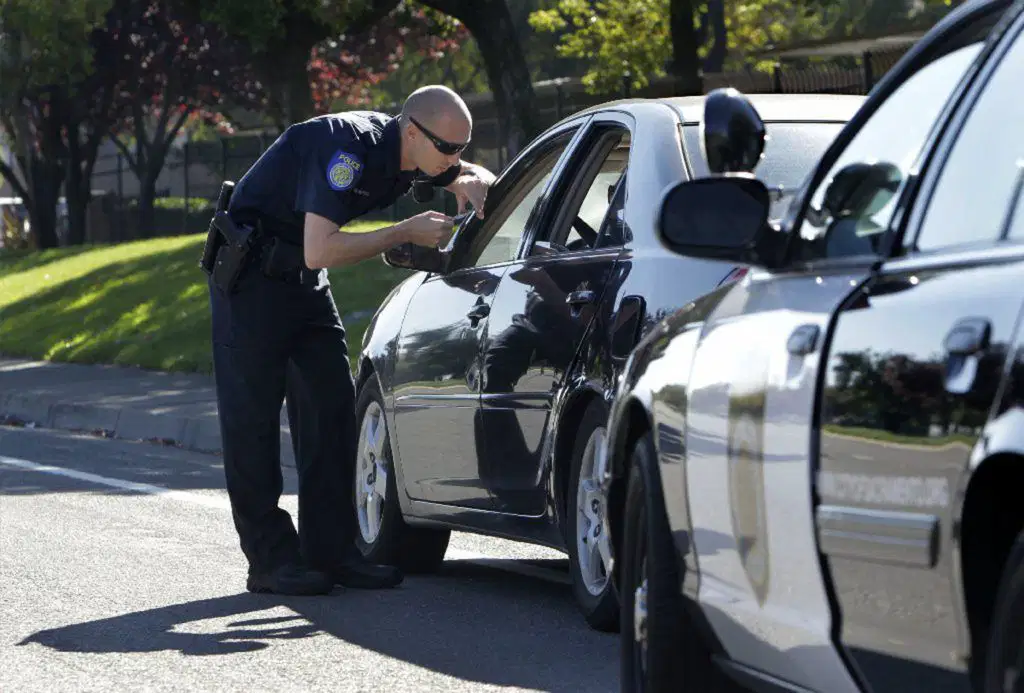
My father was driving at 70 km/h __________ (when / while) a policeman ____________ (stop) him.
when - stopped
while - was stopping
when - was stopping
while - stopped

While Carol _____ basketball, her sister _____ a scooter.
was playing / was reading
was playing / was riding
were playing / were surfing
¿Cuál es la estructura para pasado continuo?
sujeto + verbo auxiliar + verbo principal + complemento
sujeto + verbo principal + verbo auxiliar + complemento
verbo principal + sujeto + complemento
verbo principal + complemento + sujeto
Usamos el pasado continuo ......
para una acción que ocurrió en un momento específico del pasado.
para una acción que estaba transcurriendo en un determinado momento en el pasado.
para una acción que ocurrió en el pasado.
para ninguna de las respuestas anteriores.
¿Para que usamos el "primero condicional"
Para hablar de situaciones que sucedieron en el pasado.
Para hablar de situaciones que tiene alta probabilidad de suceder.
Para hablar de situaciones que NO tienen probabilidad de suceder.
¿Cuando comienza una oración con CONDICIÓN?
Cuando la oración comienza con un verbo.
Cuando la oración comienza con el pronombre.
Cuando la oración comienza con "IF"
¿Si una oración comienza con "IF" y tiene "coma" es porque?
La oración comienza con condición y luego con resultado.
La oración comienza con resultado y luego con condición.
COMPLETA LA ORACIÓN:
If it rains, we _________ the walk.
cancel
will cancel
won´t cancel
OBSERVA LA SIGUIENTE ORACIÓN:
I will go to the cinema if i have money.
ESTA SITUACIÓN EMPIEZA CON:
Condición
Resultado
WILL + VERBO hacen parte de:
Resultado
Condición

Sheila is driving ....
sadly
carefully
slowly

He is walking...
badly
quietly
happily
I never sleep________before an exam
welly
wely
well
Close the door_________, the baby is sleeping
quietly
quietli
quiet
easily
fácil
facilmente
difficultly
difícil
difícilmente
difícilamente
obviously
evidentemente
evidentamente
evidente
deeply
profunda
profundo
profundamente
profundomente
immediately
inmediato
inmediata
inmediatomente
inmediatamente
quickly
RápidoRápido
Rápida
Rápidomente
Rápidamente
The students are quite happy today.
Los estudiantes están bastantes felices hoy.
Los estudiantes son bastante felices hoy.
Los estudiantes están bastante felices hoy.
Los estudiantes están muy felices hoy.
You are very pretty.
Eres muy bonito.
Eres mucho bonito.
Eres demasiado bonito.
Eres poco bonito.
You have too many books.
Tienes demasiado libros.
Tienes demasiadas libras.
Tienes demasiados libros.
Tenemos demasiados libros.
There is so much traffic
Hay tanto tráfico
Hay tan tráfico
Hay tanta tráfico
Hay un atasco
These...
Plural, cerca
Plural, lejos
Singular, lejos
Singular, cerca
Those...
Singular, lejos
Plural, cerca
Plural, lejos
Singular, cerca
These...
Plural, cerca
Plural, lejos
Singular, lejos
Singular, cerca
That...
Singular, cerca
Singular, lejos
Plural, cerca
Plural, lejos
This...
Singular, cerca
Plural, cerca
Singular, lejos
Plural, lejos

This
That

This
That

This
That

This
That

This
That

This
That

This
That

This
That

This
That

This
That

This
That

That
This

Escoja la respuesta correcta según imagen
That
This
These
Those

Escoja la respuesta correcta según imagen
These
That
Those
This

Escoja la respuesta correcta según imagen
This
These
Those
That

Escoja la respuesta correcta según imagen
That
These
This
Those

