
Font size
 Worksheets
8. Globalisation and diversity
Total questions: 10
Worksheet time: 5mins
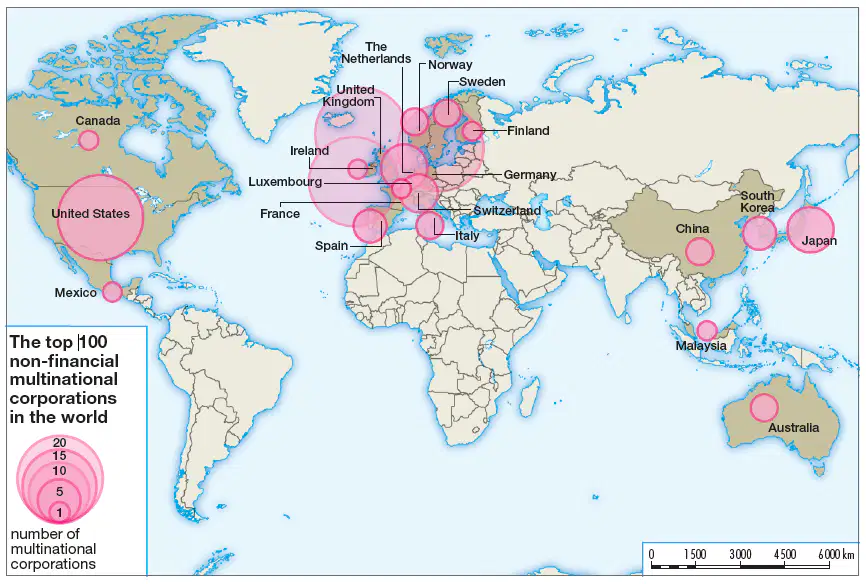
What is globalization?
A process of war between countries
A process of colonization between countries
A process of isolation between countries
A process of independence between countries and regions of the world

Which of the following is NOT a cause of globalization?
Increased self-sufficiency in countries
Multinational companies
Advances in telecommunications
Progress in transportation

What are the negative consequences of globalization in the political sphere?
Limitation of the autonomy of some states by decisions of supranational institutions
Promotion of relationships between countries through supranational organizations
Expansion of civil liberties and democratic government
Political instability caused by the control of Western powers
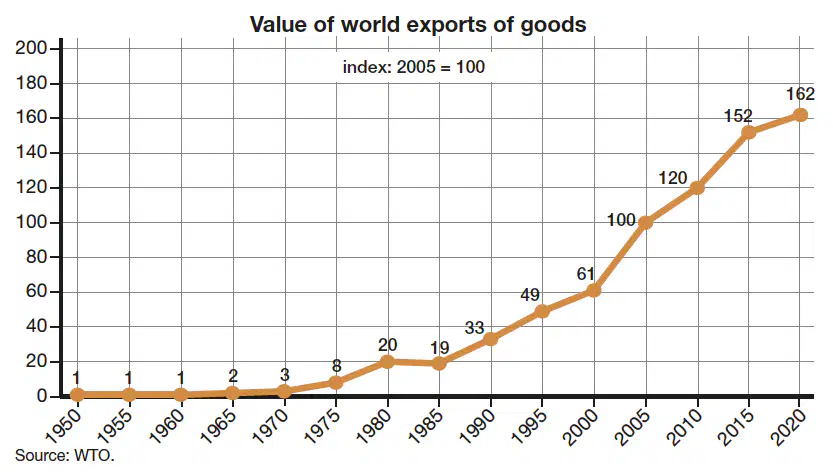
What is a positive consequence of globalization in the economic field?
Reduction of competitiveness in the global market
Increase in external debt in developing countries
Control of sophisticated operations in rich countries
Creation of industries in poor countries

What is a negative consequence of globalization in the social sphere?
Exploitation of workers and discrimination due to migration
Decrease in the presence of international mafias
Tourism and migration accessible to all social groups
Facilitation of people movement and growth of interpersonal relationships
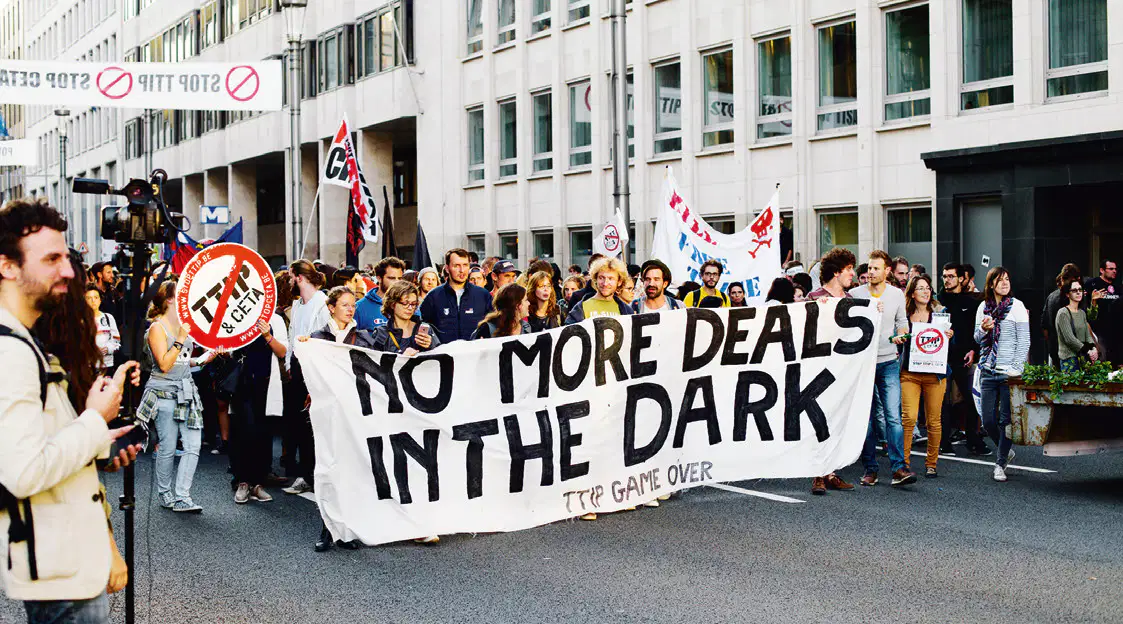
What is a negative consequence of globalization in the cultural sphere?
Increased cultural diversity worldwide
Spread of non-Western cultural models
Loss of cultural identity in some regions
Promotion of global health and medicine improvements
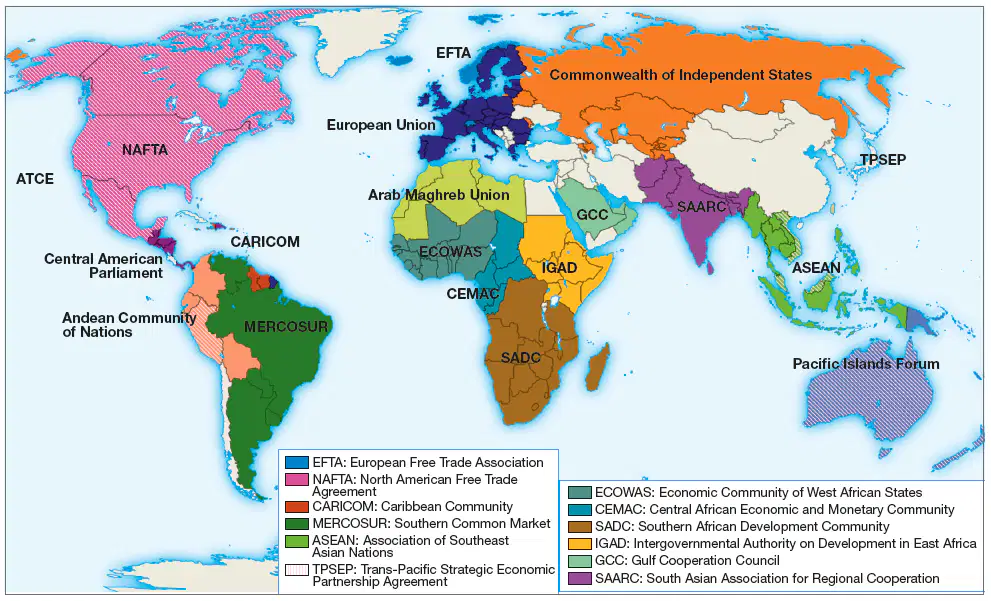
What is a negative consequence of globalization in the environmental field?
Reduction of pollution and climate change
Incentive for conservation of natural resources
Environmental awareness and agreements to solve global problems
Promotion of an economic model that encourages unlimited growth of production and consumption
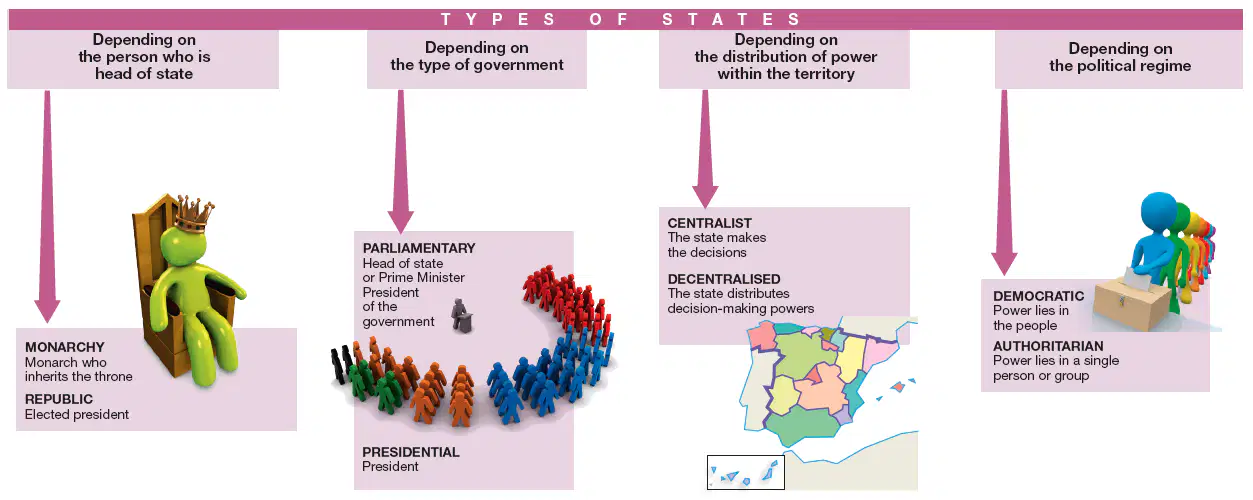
According to the types of States studied, Spain is...
a monarchy
a presidential system
a centralised country
a democratic country

Which of the following is NOT a characteristic of authoritarian regimes?
Respect for the rights of citizens and national sovereignty
Limitation of government power through a constitution
Concentration of sovereignty in a small person or group
Celebration of free and fair elections with universal suffrage
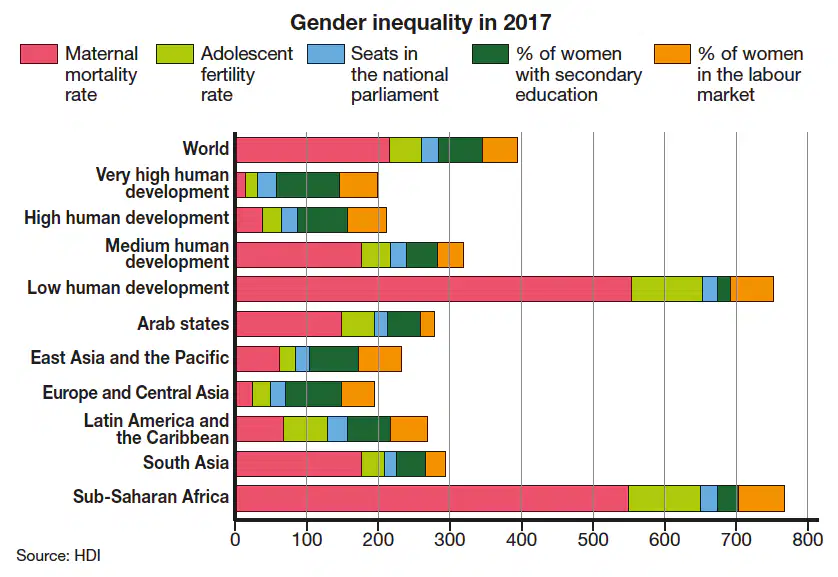
What are 'traditional societies' according to the text?
Societies with strong class contrasts
Societies with limited consumption and leisure
Societies with gender egalitarian roles
Societies with developed market economies

