
 Worksheets
Y7 Summer assessment 2
Total questions: 2
Worksheet time: 33mins

This is the music for Ode To Joy by Beethoven. Look at it carefully, and think about what you need to know or notice when preparing a performance of this piece. There is also a recording of a performance of this piece, which you will need to listen to in order to answer some of the questions.
Which two lines are exactly the same? (Tick 2 answers)
Line 1
Line 2
Line 3
Line 4
Which two lines do you have to repeat in a performance?
Line 1
Line 2
Line 3
Line 4
What does the dot after a note mean (e.g. in bar 4 or bar 16)?
That you have to play the note more quickly
That you add half the length of the note on (so in this case it becomes 1.5 beats)
You double the length of the note (so it this case it becomes 2 beats)
You play this note twice
In bar 10 and bar 11, 2 notes are joined together. Why?
They are quavers, they will both be played in the space of one beat, and this is a neater way of writing them
They are crotchets, they will both be played in the space of one beat, and this is a fun way of writing them
They are quavers, they are worth one beat each, and they need to be written like this to show they are played slower
They are treble clefs, and they are written this way to show they are played slowly.
In which bar do you find the lowest note?
(Write the number of the bar only for your answer)
(a)
What is the (letter) name of the lowest note?
(a)
Listen carefully to the extract. What mistake did the player make on line 1?
They played too fast
They started on the wrong note
They played the rhythm incorrectly in bar 3
They played the rhythm incorrectly in bar 4
Listen carefully to the extract. What mistake did the performer make on line 2?
They started on the wrong note
They played it too fast
They played it too slowly
They missed out a bar
Listen carefully to the extract. What mistake did the performer make on line 3?
They started on the wrong note
They played the last note an octave higher
They played the wrong rhythm in bar 10 and 11
They played it too fast
Listen to the extract carefully. Which instrument is the performer using?
Piano
Xylophone
Glockenspiel
Violin

Here is a piece you have not yet studied, called Lean On Me. Look carefully at the music, listen to the extract, and answer all of the questions.
Which line starts the same as line 1?
Line 2
Line 3
Line 4
Line 1
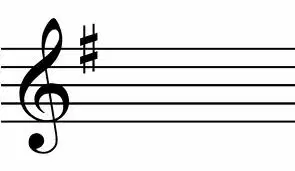
Which note is affected by the sharp in the key signature?
F - all Fs should be played as F sharp
F - all of the high Fs should be played as F sharp
E - all Es should be played as E sharp
G - all high Gs should be played as G sharp

What does the symbol shown here mean?
It is a crotchet rest, and it means silence for one beat
It is a crotchet rest, and it means skip this beat and go straight to the next note
It is a quaver rest, and it means don't play anything for half a beat
It is a quaver rest, and it means that you wait for a bit before playing the next note
Many of the notes are joined to another note by a curved line. This is called a tie, but what does it mean?
Play the notes quickly
Join the notes together to make a longer note
Play the second note louder than the first
Play the notes smoothly
What is the (letter) name of the highest note in this piece?
(a)
What is the (letter) name of the lowest note in this piece?
(a)
Listen carefully to the extract. Which instrument is playing the melody?

Piano
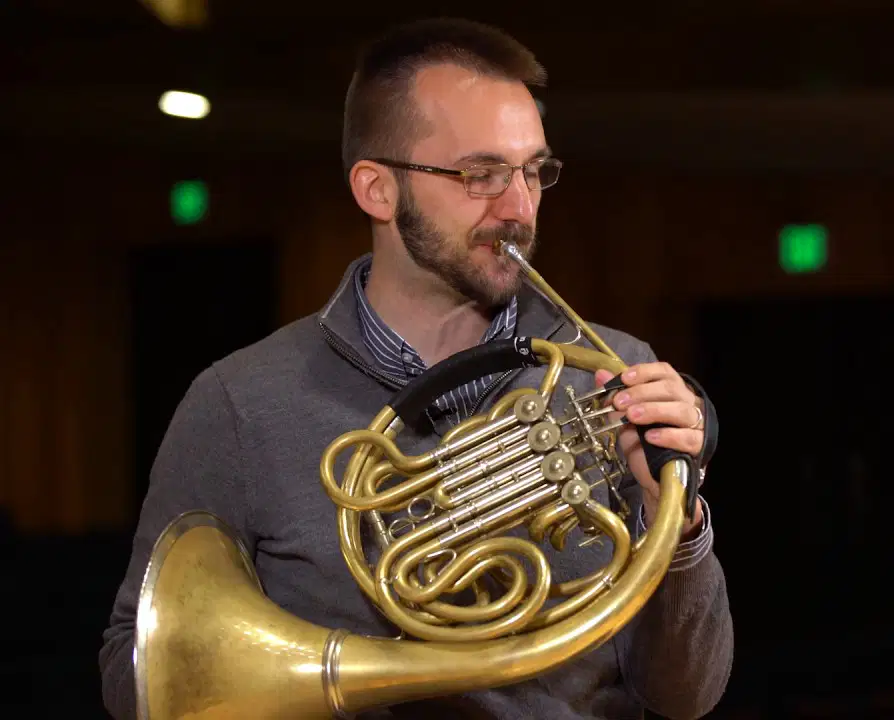
French Horn

Violin
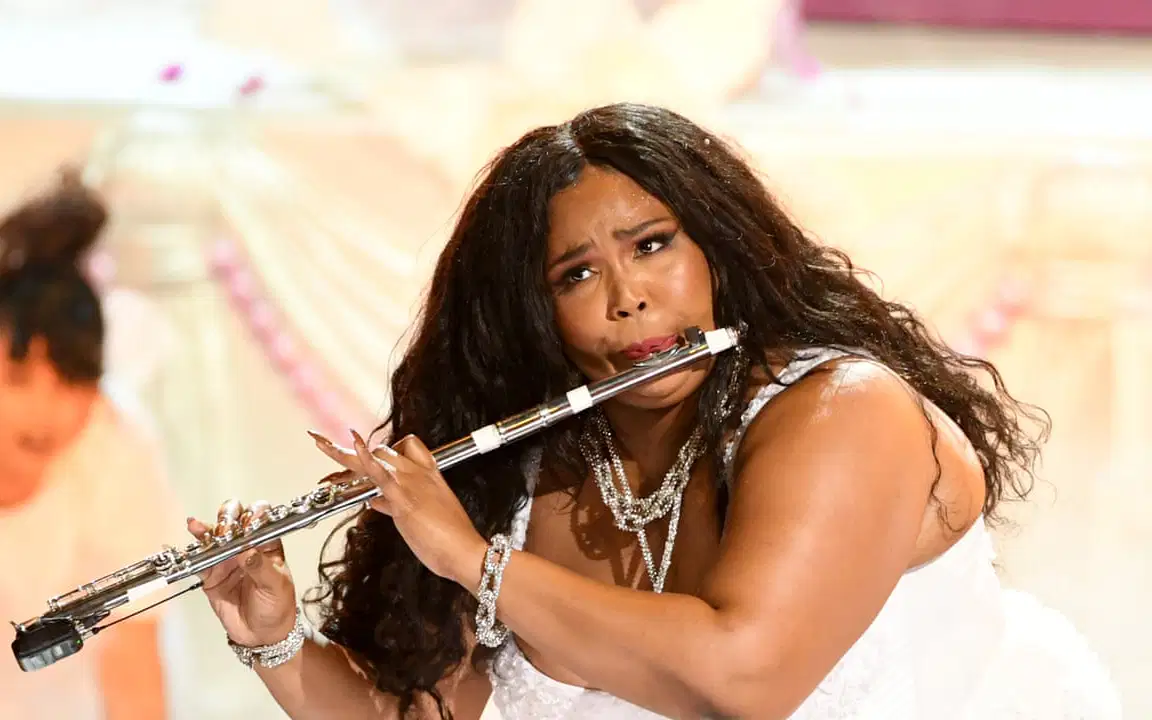
Flute
Listen carefully to the extract. Which instrument is playing the chords?

Piano

Guitar
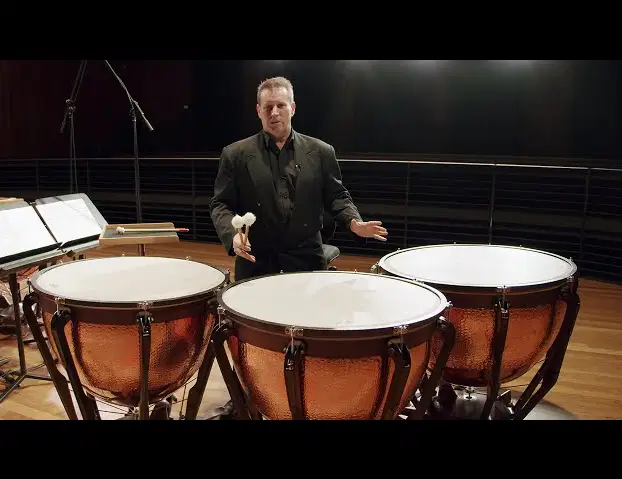
Drums

Bagpipes
Which of the following is the correct rhythm for the chords?

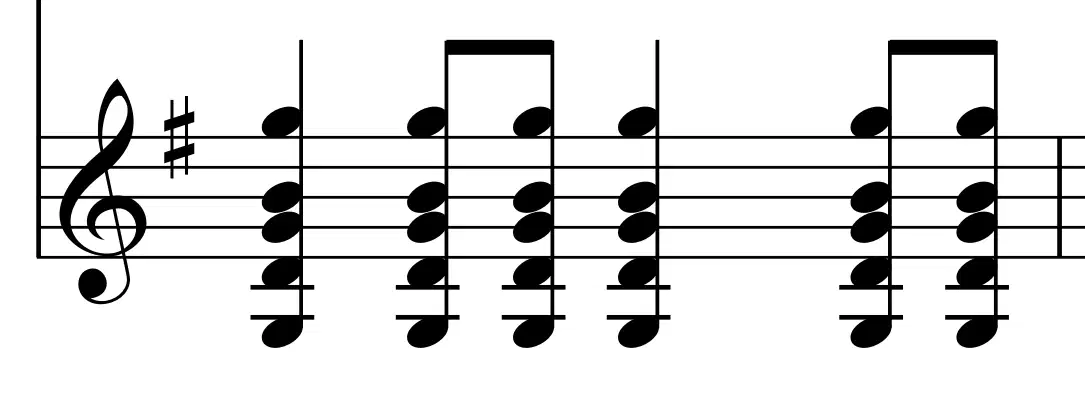
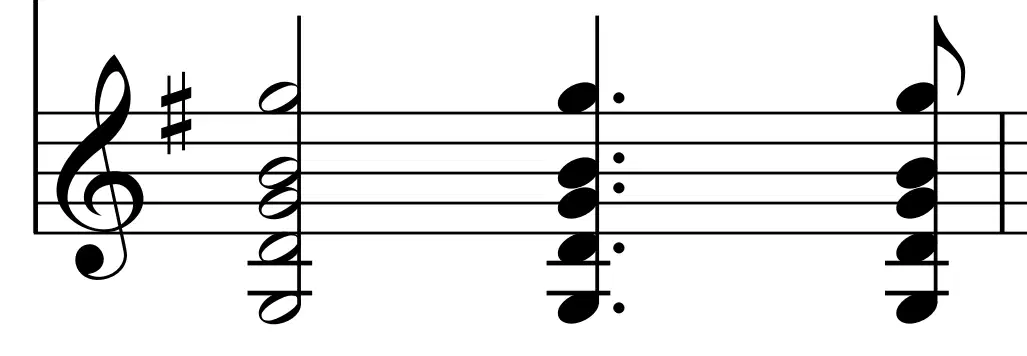
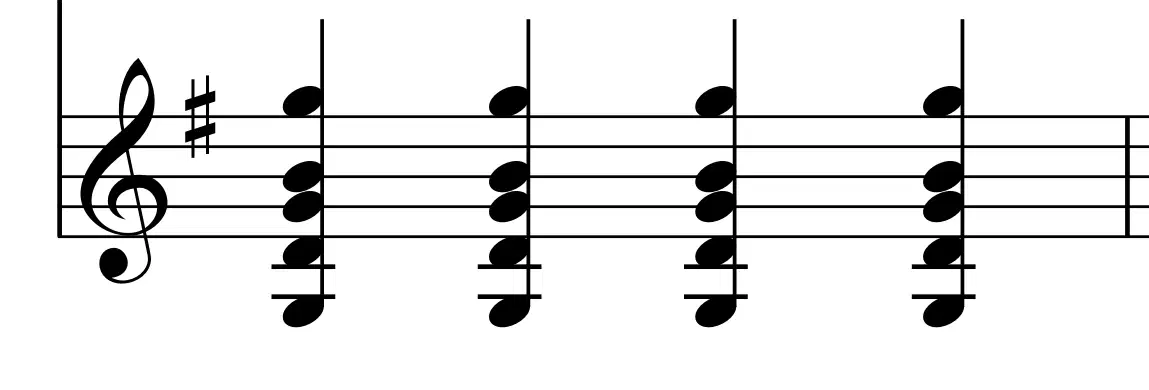
Most of the way through the piece there is one chord played in each bar. There are TWO bars in which this changes to two chords. Which two bars?
(Write the 2 bar numbers with 'and' between them e.g. 1 and 2)
(a)

