
 Worksheets
NGPF Semester Final
Total questions: 100
Worksheet time: 1hrs 3mins

Where do banks get the money to lend out to consumers?
From their clients' credit card accounts
From their clients' savings accounts
From the Federal government
From their own money vaults

How do banks make money off of the credit they issue?
They charge a large, one-time fee at the start of the loan
They take out a small fee each month from your checking account
They charge a high interest rate on the loan
This is a trick question - they DON'T make money!

Which of the following is NOT a typical type of credit?
Mortgage
Overdraft
Credit Card
Pre-Paid Debit Card

Which of the following is typically a SECURED loan?
Auto Loan
Student loan
Credit Card Balance
Overdraft

If the collateral for your secured loan can be taken away, why get a secured loan at all?
Because they usually have a higher interest rate
Because they usually have a lower interest rate
Banks give you an extra 90 days to make a missed payment
Banks typically don't charge interest for the first 12 months

What may NOT impact the interest rate on your loans?
Your relationship with the financial institution
Your credit score
The loan amount
Your level of education

True or False: A cosigner's credit history can be affected by the loan they are cosigned on.
True
False

Why does the amount of INTEREST you owe on a loan decrease over time?
The institution trusts you more, so they lower the interest
With each payment, principal increases; so interest lowers
Banks are legally required to lower interest rates over time
With each payment, principal decreases, so interest lowers

What is the purpose of a Schumer box when applying for a credit card?
It summarizes information like interest rates, fees, and grace periods
It summarizes how much interest you have accrued in the last 90 days
It gives a detailed explanation of your credit history
It tracks your spending habits to help you find ways to budget your money

How do you avoid paying interest on your credit card (or any other loan for that matter)?
Always make the minimum payment over time
Pay interest 1st, then pay what you can on leftover balance
Always make the full payment on time
Pay the principal 1st, then pay what you can on interest

Which is TRUE when you make only the minimum payment each month?
You ar charged interest on the remaining balance
Your credit line is restored to its maximum amount
Credit card companies have permission to sell your information
It is the fastest way to pay off your debt

When can personal loans be a better option than credit cards? (hint: choose 2 correct answers)
If you want to earn rewards and enjoy travel benefits
If you want a lower interest rate
If you want purchase protection & warranties
If you increase your credit score

Which is TRUE about Payday loans?
You can pay them back in installments
You are charged a 1-time fee for the loan
Most people successfully pay these loans back
You need a credit card account to get one

A shorter auto loan term means ____ monthly payments & ____ total interest you'll pay.
higher, less
lower, more
higher, more
lower, less

Which of the following is TRUE about an auto LOAN and a LEASE?
You must give the car back when a lease has expired
Only a loan requires some kind of upfront payment
You make monthly payments on both
Monthly payments tend to be lower with a lease

All of the following can happen when you fail to make a mortgage payment EXCEPT:
After one missed payment, you can lose your home
You will be charged fees
Your credit score can take a hit
Foreclosure process starts after 30 days of missed payment

How are credit cards and debit cards different?
They're both linked to a checking account in different ways
Some debit cards say VISA on them; credit cards don't
With a credit card, you are borrowing from yourself
A credit card can offer perks such as purchase protection

Which of the following is most likely a fixed-rate unsecured debt?
Student loan
Credit card
Mortgage
Auto loan

Which statement is true about debit and credit cards?
More businesses accept credit cards than debit cards
You get a monthly statement for a credit card, but not for a debit card
Credit cards withdraw money directly from a bank account; debit cards don't
Debit cards withdraw money directly from a bank account; credit cards don't

Which of the following factors will most likely INCREASE the overall cost of your loan?
A lower interest rate
A longer loan term
Offering collateral to secure the loan
Paying a higher down payment

How do wages and salary differ?
Wages describe what you earn on an annual basis
Salary describes what you earn on an annual basis
Wages mean you have a standard amount in each paycheck
Salaried employees are likely to be paid for overtime

Which of the following are TRUE about gross income and net income?
They are the same thing
Gross income is the total amount earned AFTER deductions
Gross income is the total amount earned BEFORE deductions
Net income is the total amount earned BEFORE deductions
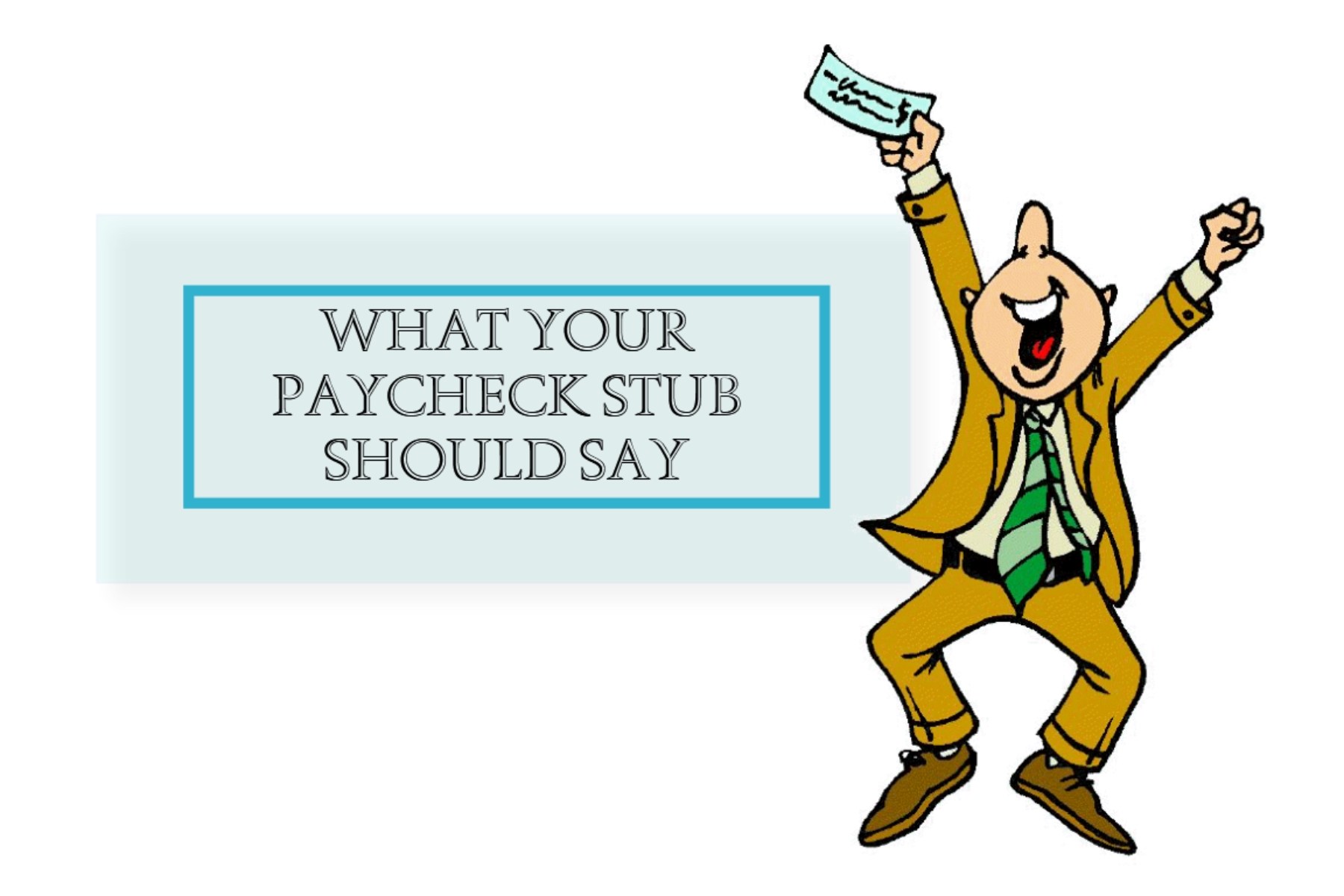
Which of the following may NOT always appear on your paycheck stub?
Gross Pay
Net Pay
Your Role/Title
Local Tax

It's common to have all of the following expenses BEFORE signing a lease EXCEPT...
Renter's Insurance
Application fee
Application deposit
Apartment hunting expenses
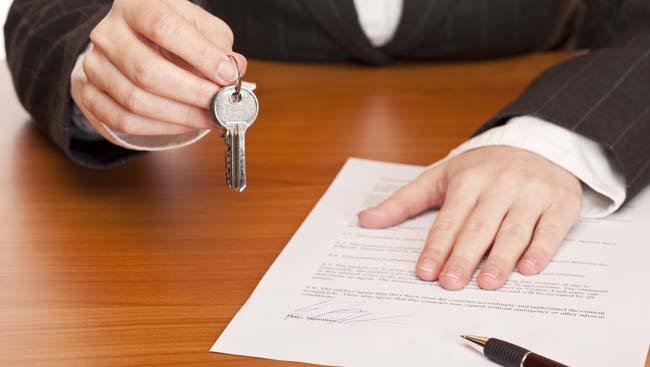
Which of the following might you pay WHEN you sign your lease?
Finder's fee
Application fee
Security deposit
Renter's insurance
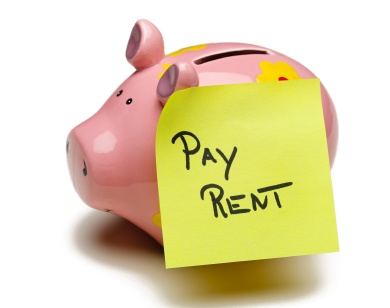
According to a rule of thumb, rent shouldn't take up more than ___ % of your take-home pay.
7-12%
10-15%
15-20%
25-30%

Which of the following would typically NOT be covered under renter's insurance?
A friend slips and twists his ankle in your living room
Your apartment is broken into and your laptop is stolen
A fire destroys 80% of your belongings
Your apartment is flooded, destroying your furniture
Which of the following is a step you can take to mitigate the risk of buying a used car?
Get a vehicle history report
Have a mechanic inspect the car after you buy it
Skip the test drive; you have time after you buy it to drive
Buy a more expensive vehicle to ensure quality
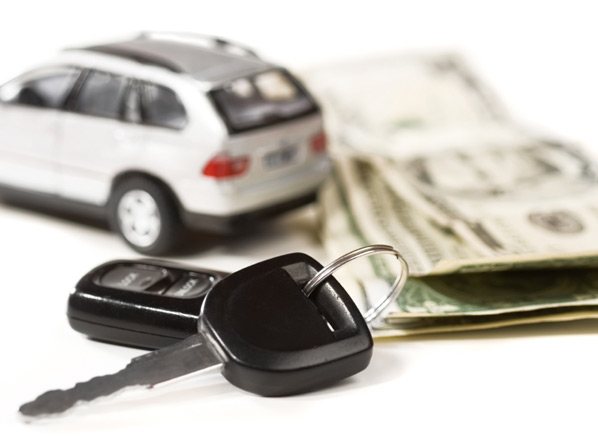
Which of the following is NOT a cost of owning a car?
License and Registration fees
Gasoline
Utilities
Insurance

Which of the following reasons would explain why Justin has decided not to own a car?
He doesn't have access to public transportation
The walking score in his city is high
Driving would reduce the time it takes to get to work by 30 minutes
There are numerous car dealerships in his area
About how much of your income should go towards transportation?
5-10%
15-20%
25-30%
35-40%

Jenna wants to decrease the amount of $ she spends on food. Which of the following would help?
Decide what she will make for dinner that same day
Go to the grocery store with a list
Go to the store whenever she needs 1-2 items
Eat at fast food restaurants multiple times a week
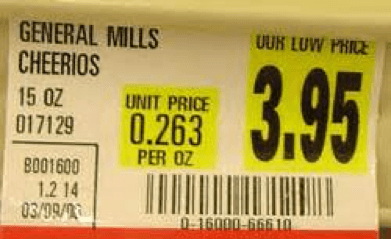
Which of the following is TRUE about unit pricing?
Unit prices can help you compare the prices of similar items
Unit price labels are universal throughout the country
It's easy to compare quantities on a unit price label
All states require unit price labels

A 18oz box of cereal costs $4.99. How would you calculate the unit price?
18oz / $4.99
9 oz / $2.50
$4.99 / 18oz
(18oz) x ($4.99)

6 cans of tomato soup cost $14.99. What is the unit price?
About $1.50
About $2.50
About $3
About $3.50

Jabar broke his leg while riding his bike. How does having health insurance help him?
Jabar will likely have to pay $0 towards his medical costs
Jabar will likely have to cover 100% of his medical costs
Jabar will likely owe a portion of his medical costs
Having health insurance makes no difference
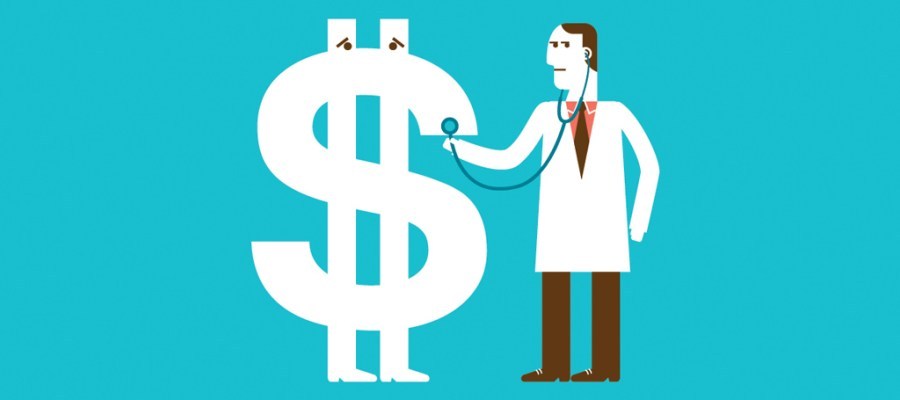
What is a deductible?
The cost you and your insurance share
The amount your insurance pays before you pay
The discount you get on your health insurance every year
The amount you pay before your insurance begins to pay
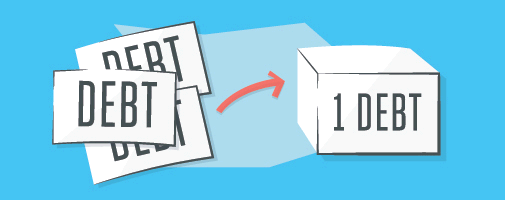
How can consolidating your student loans help your budget?
You'll pay more in interest over time
You'll be more likely to be eligible for loan forgiveness
Your monthly payment may decrease
Your interest rate is guaranteed to decrease

How does the 50/30/20 rule of thumb for budgeting allocate your income?
50% Needs, 30% Wants, 20% Savings & Debt Repayment
50% Wants, 30% Needs, 20% Savings & Debt Repayment
50% Savings & Debt Repayment, 30% Wants, 20% Needs
50% Needs, 30% Savings & Debt Repayment, 20% Wants

Which of the following is an example of buying something you NEED?
"I want to replace something that is no longer working."
"I want to impress someone/ change how they feel about me."
"I'm feeling down, and I need to boost my spirits."
"I don't want to miss out on these deals during the sale!"
Who primarily uses our tax money? (hint: choose 2 correct answers)
Your employer
Large corporations
Federal and state government
Local Businesses

Our tax money is spent on all of the following EXCEPT:
Social Security
The Military
Private School Education
National Parks

Which of the following is NOT a category in the Federal government's spending?
Mandatory spending
Discretionary spending
Interest on loans issued
Interest on national debt
Which of the following taxes is applied to wages, salaries, dividends, and interest earned?
Corporate Income Tax
Income Tax
Estate Tax
Excise Tax
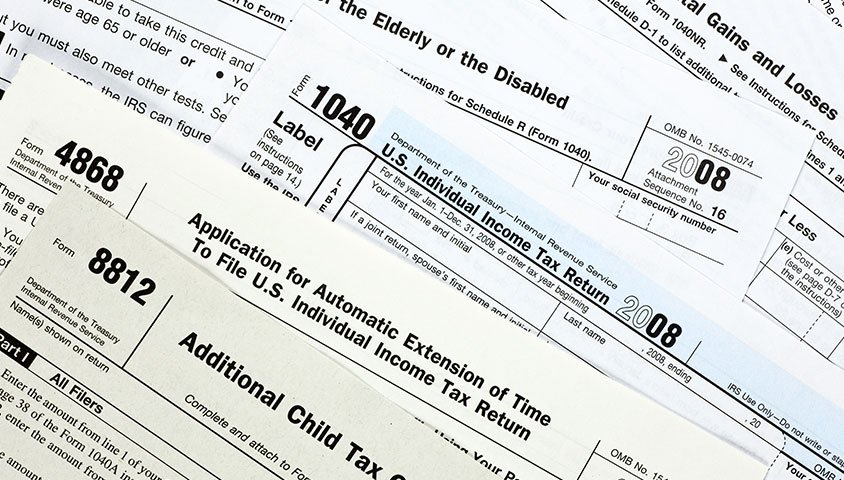
The W-4 form lets...
the government know how much you paid in taxes last year
your employer know how much to withhold from your paycheck
the 3 major credit bureaus know how many dependents you have
you know how much you paid in taxes last year
Jess is 21, in college, & has a job that provides 65% of her support. Is she a dependent?
Yes
No
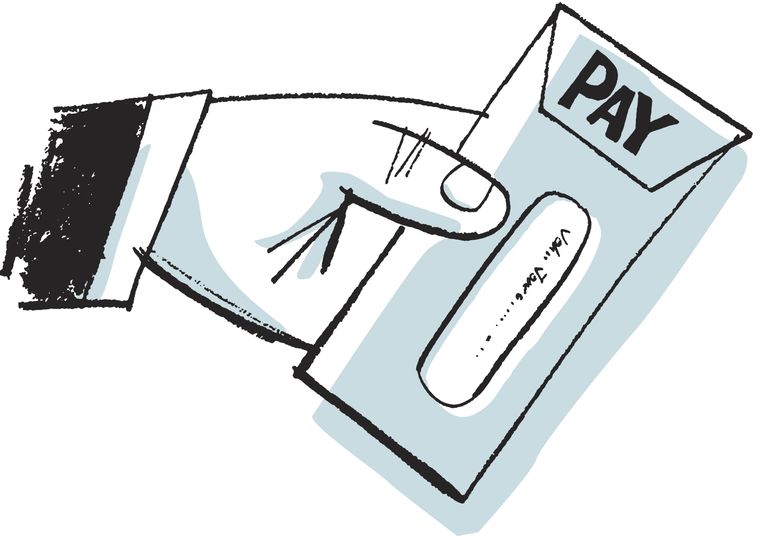
What item would you DEFINITELY see on a paystub?
Retirement
Healthcare
Gross Pay
Your occupation/role
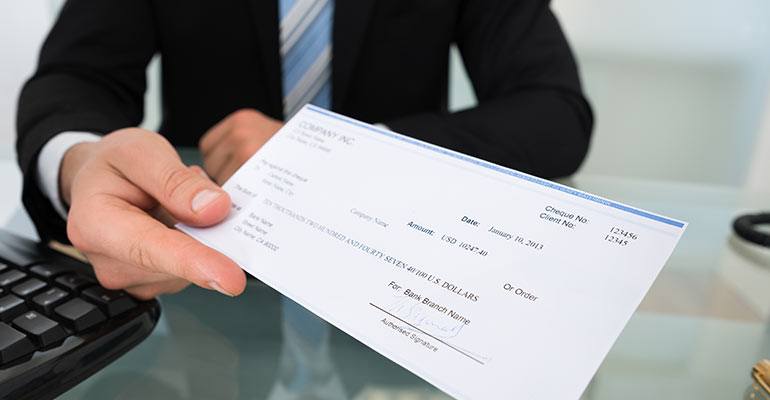
By claiming "exempt" on the W-4 form...
You are paying all income taxes upfront at the START of the year.
You are requesting an extension to file your taxes
You will NOT have income taxes withheld from your paycheck.
You are paying all income taxes at the END of the calendar year.
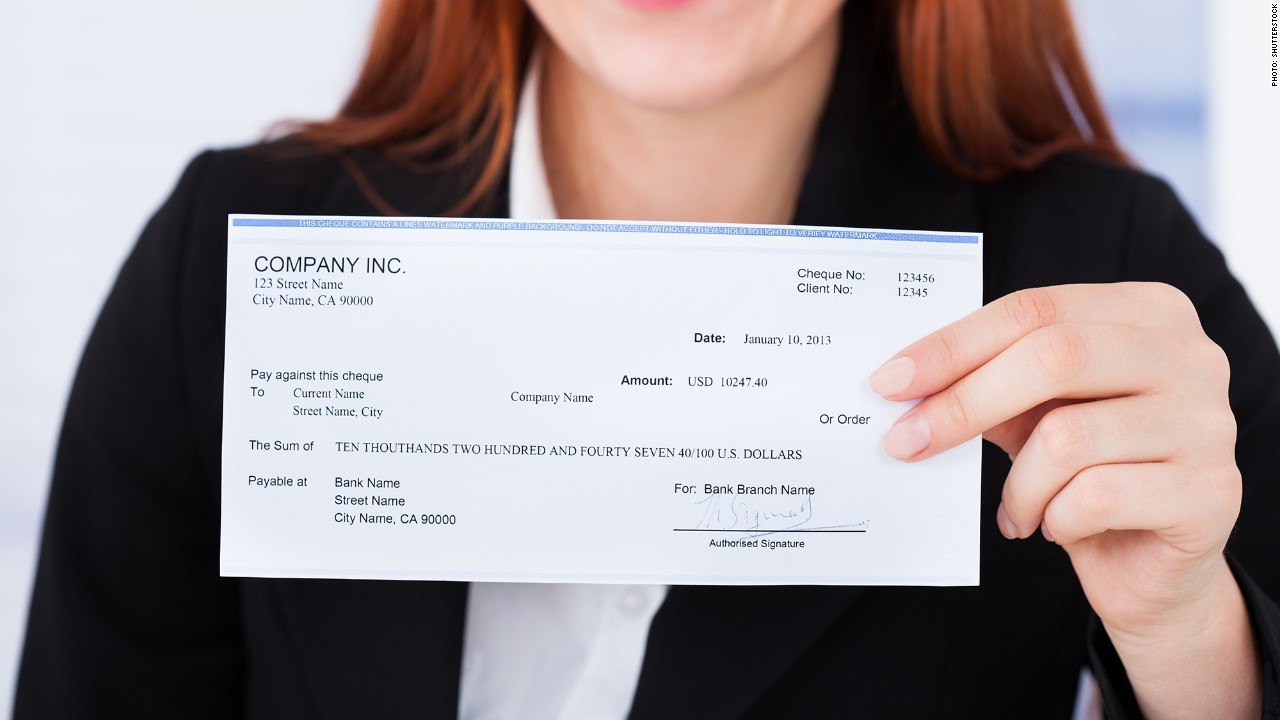
Jason filed his 2022 tax return and owes money. If he doesn't want to pay a fee, when should he pay this amount by?
April 18th
October 15th
December 31st
January 1st of the next year

True or False: All wages, tips, and bonuses are taxable unless specifically excluded.
True
False
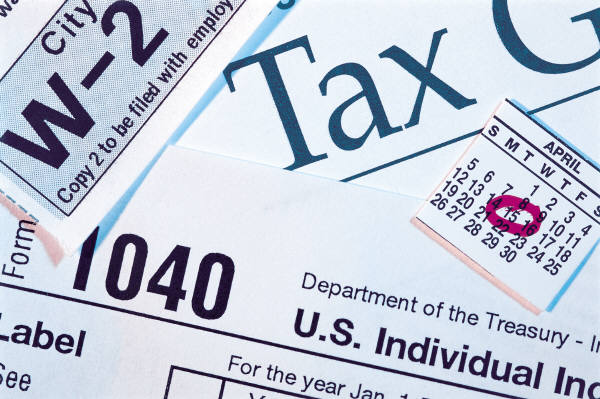
Which of the following things is TRUE about the W-2 form EXCEPT...
You get 1 W-2 form every year, even if you had multiple jobs
It contains information you'll need to fill out a 1040
It lets you know how much you earned last year
It lets you know how much was withheld from your paychecks

Jason is 15 and earned $1450 at his job last summer. Should he file a tax return?
No, because he didn't earn enough.
No, because you have to be 16 and older to file taxes.
Yes, because he may get a refund.
Yes. You must file taxes even if you didn't earn enough.
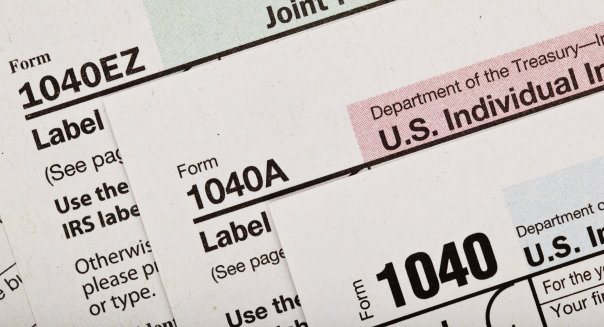
What do you need to file your 1040 form?
Your W-2
Your W-4
Your prior year's tax return
Income of $50,000 or more

Which of the following is NOT a way you can file your taxes?
Through a tax professional
Mailing in a paper tax return to the Federal government
Using tax software like TurboTax
Through your employer's HR department

True or False: A teen's earned income can be reported on a parent's tax return.
True
False

If a teen files a tax return, can the parent still claim him/her as a dependent?
Yes. All teens are dependents until they are 18 years old
No. If a teen files a tax return, he/she cannot be claimed
Yes, as long as the teen meets the dependency requirements
Yes, but the parent has to add the teen's income to theirs

Luisa earned $1,200 at her part-time job, and $500 from babysitting in cash. Which is TRUE?
She will report her total income as $1,700.
She will report her total income as $1,200.
She will report her total income as $500.
Luisa is required to file a tax return.

Earned income is any money you make from things like interest and dividends.
True
False

If you owe taxes, which of the following is FALSE?
You can make a payment using cash
You can delay your payment deadline
With an agreement, you can pay it in installments
You can make a payment with a debit, but not credit card
Which is TRUE if you do not pay your taxes?
You owe twice as much the following year
You're more likely to be approved for low interest loans
You cannot go to jail (but you will be heavily fined)
Your credit score may be impacted

Which type of insurance is likely to be the lowest priority for a single, working, 24-year-old?
Health insurance
Disability insurance
Life insurance
Auto insurance

The federal agency that oversees insurance companies is
The Federal Trade Commission
The Department of Transportation
The Consumers Union
Insurance companies are regulated on a state-by-state basis

What role does insurance play in financial planning?
It guarantees that income and assets are protected
It helps build and maintain one's credit score
It helps cover day-to-day expenses
It grows in value and appreciates over time

The out of pocket cost to the insured when a loss occurs is called...
Premium
Deductible

This professional analyzes statistics and uses them to calculate risks and premiums.
Agent
Actuary
Claims Clerk
Underwriter

A stone hits your windshield. Which type of coverage would likely cover this expense?
Collision
Liability
Comprehensive
None

Each of these factors impacts your insurance premium EXCEPT...
Deductible amount
The vehicle you are insuring
Your credit score
Your income

Which of the following wouldn't save you money on your auto insurance premium?
Decrease your deductible
Reduce or eliminate optional insurance on an older vehicle
Maintain a good credit history
Bundle your insurance with other policies

Jennifer has an auto policy of $20,000/$40,000/$10,000. The $10,000 covers
Per person bodily injury
Property damage per occurrence
Per occurrence bodily injury limit
Total amount of insured coverage

A policy is a contract between the
Policyholder and the injured person
Driver and the government
Consumer and the insurance company
Consumer and the insurance agent

Under current law, until what age can a child stay on their parents' health insurance?
18
21
26
29

Your health insurance copay is
Amount paid out of pocket before your insurance coverage
Paid by the insurer
Applied on an annual basis
A fixed amount of money you pay each time you use your plan

How can you obtain health insurance?
From an insurance agent or through the Health Insurance Marketplace
Through your bank or credit union
Signing up at your family doctor's office
Remaining on your parents' plan if you are under age 30

Which of the following would be covered under a renter's insurance policy?
Damage to the exterior of the property
Medical bills of another person who is injured on the property
Your roommate's personal belongings in the rental unit
Damage to a detached shed on the property

The FDIC insured deposit limit is
$150,000
$200,000
$250,000
$300,000

What information is typically listed on an insurance policy?
Your credit score
Actual Cash Value of the property being insured
A list of your outstanding debts
The policy period

True or False: Insurance is based on the concept of shared risk, or risk pooling.
True
False

Each of the following is TRUE about Social Security EXCEPT...
It replaces the need for health and life insurance
It replaces part of your income when you retire
It replaces part of your income if you become disabled
It replaces part of your income if you die leaving survivors

What is the average monthly renter's insurance premium cost in the U.S.?
$150/month
$90/month
$40/month
$15/month

Which insurance coverage is required by law?
Homeowners insurance
Auto insurance
Renters insurance
Disability insurance

A key factor influencing credit scores is:
Recent inquiries
Monthly expenses
Martial status
Education level

All of the following are part of a credit report EXCEPT:
Spending Habits
Loan Repayment
Credit Limit Utilization
Current Credit Inquiries

Failing to pay federal student loans may result in:
Reduced student loan interest
Higher credit score
Tax refund garnishments
Revocation of your degree

A cosigner on a loan can help by:
Reducing monthly payments
False
Boosting approval odds
Offering collateral for the loan

Which of the following is TRUE about a credit report?
It is a complete history of one type of credit you have
Credit reports are maintained by the 5 main credit bureaus
You can get a copy of your credit report for free
You can get a credit report only when you're 21 years old

Which of the following does NOT contribute to your credit score?
Your payment history
Which banks issued your credit cards
Your debt-to-credit ratio
Length of credit history

Establishing credit early can help with:
Quick loan approvals
Higher credit card limits
Avoiding yearly credit checks
Getting better interest rates

Which of the following is TRUE about finding errors on your credit report?
You may have to file a dispute with each credit bureau
You should wait until the end of the month before reporting
Finding errors is common & is not a big deal
Overlooked errors may result in you paying a fine

The main advantage of a secured credit card is:
Higher spending limits
Reduced annual fees
Improving credit score
Earning cashback rewards

Why might older individuals typically have higher credit scores?
They have had more time to accumulate wealth
They have paid more taxes
They always earn more than younger individuals
They have longer credit histories

How often should you check your credit report for errors?
Only when applying for a major loan
Once a decade
At least once a year
Every month

Where can you get a free copy of your credit report?
annualcreditreport.com
freecreditreport.com
getmycreditreport.com
creditreport.gov

Using the debt snowball method, you make...
minimum payments on all of your loans
one large payment on one loan
minimum payments on small loans; pay extra on large loans
minimum payments on large loans; pay extra on small loans

When applying for a loan, why might a lender be interested in your credit score?
To determine if you actually need a loan
To set the loan's interest rate and terms based on risk
To know how much money you have in your bank account
To sell your personal information to third parties

Using the Avalanche Method, you...
pay off all your loans in the least amount of time
put extra money towards loans with the lowest interest rate
put extra money towards loans with the highest interest rate
make one large payment on the loan with the highest rate

Which types of debt usually CANNOT be erased or reduced?
Federal student loans
Credit card debt
Medical bills
None of these types of debt can be erased or reduced

What can debt collectors do if you don't make payments towards your loans?
Have you arrested if you owe money
They can try contacting you at work
Call you between 8am-9pm to talk to you about your loans
Reach out to your friends about the debt you owe

What information can you find on a credit report?
Your medical insurance information
Your parents' and siblings' contact information
Your education level
Inquiries you've made on new lines of credit

How long does a bankruptcy typically remain on a credit report?
3-5 years
7-10 years
12-15 years
Indefinitely

All of the following may access your credit report EXCEPT...
A landlord
A future employer
Colleges and universities
Insurance companies Insurance companies

