
 Worksheets
Y8 Summer assessment 2
Total questions: 2
Worksheet time: 24mins

Look carefully at the music of The Shire Theme, and listen to the extract. Answer all of the questions.
Why are there letters written above the music?
They are chord symbols - they tell you which chords to play, and when to play them
They are the note names of some of the notes of the melody - you have to work the rest out yourself
They tell you whether you should play fast or slow
They are there to try and distract the performer - you have to learn to ignore them
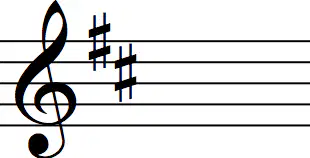
Which TWO notes are affected by the key signature?
(click on 2 answers)
F - play F sharps throughout
G - play G sharps throughout
A - play A sharps throughout
C - play C sharps throughout
D - play D sharps throughout
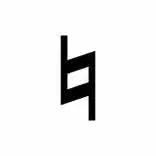
What is this symbol, that first appears in bar 11?
It is called a sharp, and means you play the note one semitone higher
It is called a flat, and means you play the note one semitone lower
It is called an accidental, and it changes the note for one beat only
It is called a natural, and means you ignore the sharp / flat in that bar
The (letter) name of the highest note in the piece is
(a)
The interval (distance) between the highest and lowest notes in the piece is
Exactly an octave
Less than an octave
More than an octave
How many times is the D chord played at the start of the piece, before the melody begins?
Once
Twice
Three times
Four times
On which beat of the bar does the melody start playing?
1st beat
2nd beat
3rd beat
4th beat
Which instrument is playing in the extract?
Guitar
Piano
Organ
Harp
Which of the following would be the correct tempo marking for the performance?
60bpm
100 bpm
150 bpm
200 bpm
This piece is written to describe where the Hobbits live, a beautiful, traditional green land. How does he achieve this?
It is in a major key
It is in a minor key
It is based on the pentatonic scale
It is atonal

Look carefully at the piece of music above - Sweet Dreams. You will also need to listen to the extract, then answer all of the questions.
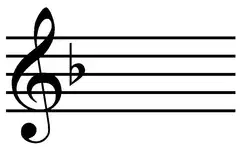
Which note is affected by the key signature?
G - play G flats throughout
A - play A flats throughout
B - play B flats throughout
D - play D flats throughout
E - play E flats throughout
There are 3 different chords used in this piece. What are they?
D major, B flat major and A major
D minor, B flat major and A minor
D minor, B flat major and A major
D major, B flat minor and A major
The (letter) name of the first note is
(a)
How many different notes (pitches) are used in this melody?
2
4
6
8
Which beat of the bar does the melody start on?
1st beat
2nd beat
3rd beat
4th beat
Listen carefully to the extract. In which bar does the melody start playing an octave higher?
(type the bar number only)
(a)
Listen carefully to the extract. Which instrument is playing the melody?
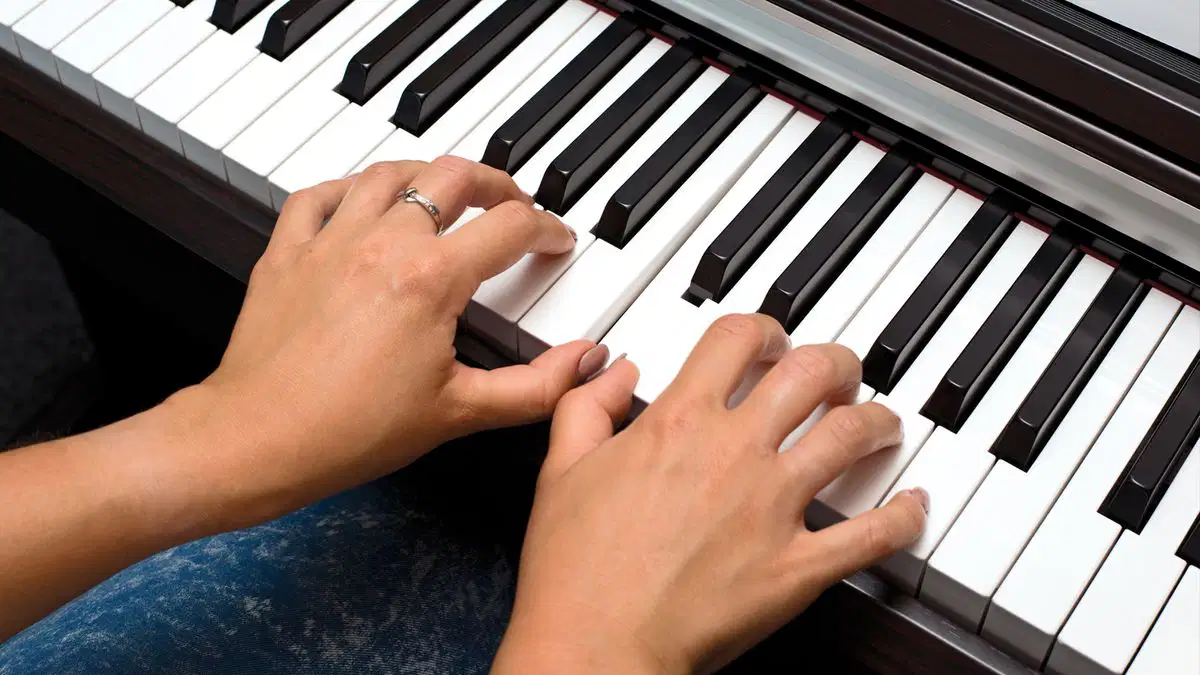
Piano

Vibraphone

Viola

Flute
How many times is each chord played in each bar?
Once
Twice
Three times
Four times
Which of the following would be the most suitable use of this arrangement of Sweet Dreams?
As a theme tune for a programme about monkeys
As a theme tune for a programme about unexplained events (e.g. hauntings)
As a theme tune for a sitcom
As a theme tune for a politics discussion programme
How does the music reflect your choice for the previous questions?
It is a fast tempo, and in a major key
It is a slow tempo, and in a minor key
It is a slow tempo, and uses a pentatonic scale
It is a fast tempo, and is not in any particular key (atonal)

