
 Worksheets
TJ Science Skills
Total questions: 140
Worksheet time: 3hrs 40mins

A wagon is pushed in a straight line. How would an increase in friction on the wagon wheels affect the wagon? .
It would cause the wagon to move faster
It would cause the wagon to change mass.
It would cause the wagon to change direction.
It would cause the wagon to slow down.

If a car is moving on a rough surface, how does the roughness affect its motion?
It would make the car move faster.
It would make the car move slower.
It would change the direction of the car.
It would change the mass of the car.

Which best explains why a bicycle slows down when its brakes are applied?
The brakes cause frictional forces on the wheels of the bicycle.
The brakes increase the force of gravity on the bicycle.
The brakes add energy to the bicycle.
A The brakes heat the rubber on the bicycle tires.
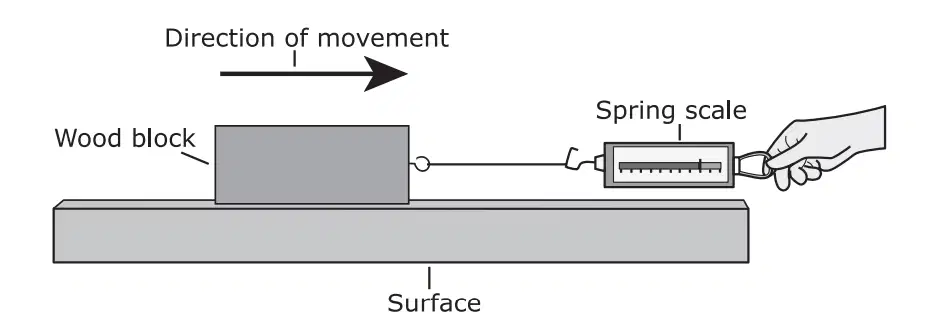
Students are conducting an experiment to determine how the amount of force needed to drag a wood block across a surface is affected by the type of surface. A diagram of the experimental setup is shown.
Which graph would best go with this experiment to show how the amount of force will change as the surface goes from smooth to rough?
a
b
c
d
Four solid balls, each with a different mass, are moving at the same speed. Which ball would require the most force to stop its motion?
ball with a mass of 5 kg
ball with a mass of 10 kg
ball with a mass of 15 kg
ball with a mass of 20 kg
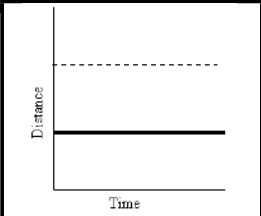
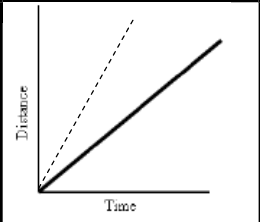
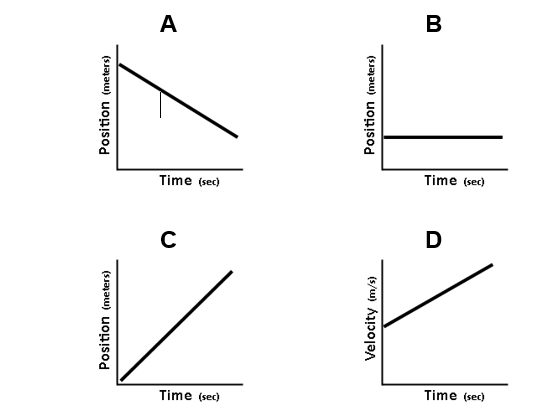
Which graph shows that the motion of an object's speed is increasing?


Which graph shows that the motion of an object's speed is decreasing?
Which graph shows that the motion of an object's speed is not moving?
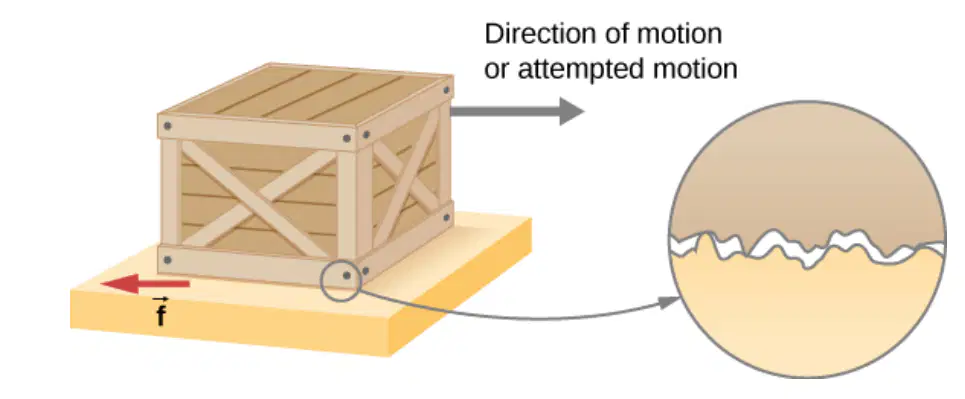
A student was moving a box along a smooth wooden surface at a constant speed then suddenly the surface changed to grass. The student had to apply more force but was able to move the box along the grass. Which graph best represents how the speed of the motion of the box would change in this situation?

In Model A a man is pushing a box against a rough surface. Model be shows all the forces acting on the box. Based on the two models, the box....
will not move
will move a little to the right
will move a little to the left
will flip over
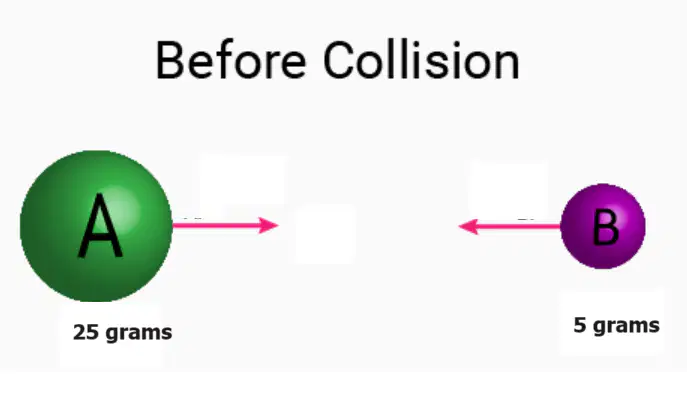
This model represents two balls colling moving at the same speed (represented by the arrows) with different masses. After the collision, which statement is true?
After the collision, both balls will move backwards but ball A will move back the farthest.
After the collision, both balls will move backwards but ball B will move back the farthest.
After the collision, both balls will move backwards the same distance.
After the collision, only ball B will move backwards.
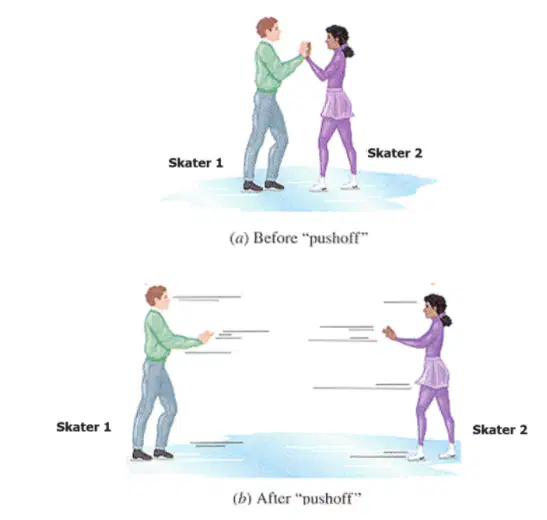
Two skaters begin at rest. Skater 1 has a larger mass than Skater 2. After they push off each other,...
Skater 1 will experience no change in motion.
Both skaters will experience the same change in motion.
Skater 1 will have a greater speed than skater 2.
Skater 2 will have a greater speed than skater 1.
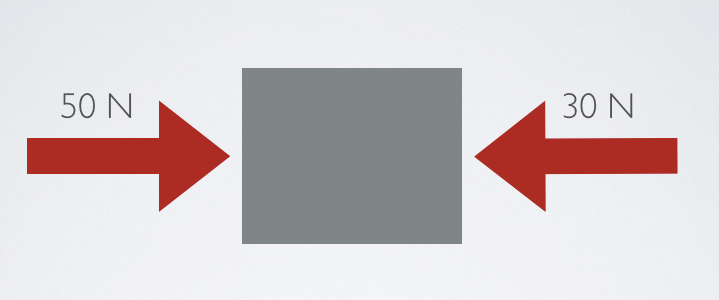


After the forces are applied to the object...
it will move to the left
it will move to the right
it will remain in the middle
it will move up
Carrying a baby
Work
No Work
Holding a backpack
Work
No Work
Holding a backpack
Work
No Work
Lifting weights
Work
No Work
Lifting a laundry basket
Work
No Work
The law of Conservation of Energy says________
energy is constantly created
energy can not be created or destroyed instead it changes from one form to another
energy can not change forms
How does friction affect speed?

To describe this car's motion, a student should use its -
Friction
Direction and Speed
time and distance
kinetic energy

Which statement is true about the diagram?
Picture 1: Requires more force to push
Picture 2: Requires less force to push
Picture 1 and Picture 2 require the same amount of force to push
Picture 1: Requires less force to push
Picture 2: Requires more force to push
Picture 1: Doesn't require any force to push
Picture 2: Requires more force to push

Students in a fifth-grade class moved a block across three different surfaces. The recorded their data in the diagram shown.
Their results are below. What conclusion did they reach?
The type of surface doesn't change the motion of an object.
Rough surfaces have less resistance.
Smoother surfaces have less resistance.
Smoother surfaces have more resistance.

Students are moving a grand piano in the direction of the arrows shown in the model.
Which arrow shows that friction is opposing the motion of the piano?


Figure 1 and Figure 2 represent two weight lifters. Use these figures to identify examples of work.
The weight lifter holding the dumbbell in the air.
The weight lifter pushing and lowering the dumbbell in the air.
The weight lifter resting the dumbbell on the floor.
The weight lifting pulling the dumbbell to the correct position.

A Solar stop light is sometimes used in rural areas. An example of a solar stop light is shown.
Correctly show the process of how energy is transformed in the stop light.
First
Radiant energy travels from the sun.
Second
The radiant energy is absorbed by panels
Third
Radiant energy transforms to electrical
Finally
Electrical is transformed into radiant

This model shows how force is acting on a block from all directions. Based on the model, the net forces acting on the object will move the object-
to the right
up
down
to the left
Motion is described as an object's ______________ and _________________.
direction
mass
volume
speed
What kind of force might cause a kicked ball to eventually roll to a stop?
A push or pull
friction
magnetism
gravity

A student conducted an experiment on friction by rolling a toy car down an inclined plane with different surfaces. Which surface had the greatest resistance?
Wood
Tile
Glass
Carpet

When force is used to move an object across a distance, this is called...
effort
power
energy
work
Friction is a force that:
Increases motion
Decreases motion
Has no effect on motion
Changes the direction of motion


What type of object is the glass in the glasses considered?
opaque
transparent
translucent

What type of object is a mirror considered?
opaque
transparent
translucent


These bottles are
transparent
translucent
opaque

What type of object is the polarized lens in the sunglasses considered?
opaque
transparent
translucent
When light waves bounce off a surface we call this:
Reflection
Refraction
Absorption
When light waves bend as they pass through a transparent medium we call this:
Refraction
Reflection
Absorption
When light waves are captured in matter and transferred to a new form of energy we call this:
Absorption
Reflection
Refraction
The color that absorbs visible light waves is:
Black
White
Red
Violet

Light waves bending through a prism is an example of:
Reflection
Refraction
Absorption

Light waves bouncing off of this mirror is an example of:
Reflection
Refraction
Absorption

Light waves bouncing off of this lake is an example of:
Reflection
Refraction
Absorption

A fish bowl bending light waves and distorting an image of a cat's face is an example of:
Reflection
Refraction
Absorption

A black shirt capturing light waves and making a person feel hot in the summer is an example of:
Reflection
Refraction
Absorption

reflection
refraction

A light wave bouncing off of a windshield visor is an example of:
Reflection
Refraction
Absorption

reflection
refraction

reflection
refraction

reflection
refraction

What is the name of an object that separates white light into all of the colors of the rainbow?
prism
cube
opaque
pyramid
Drag each item under the correct example of each vocabulary word.
Light can.....


Sort each object under the correct heading. Use the diagram to help you sort each item.
3
2
1
Match each vocabulary words to its correct definition.
some light passes
all light passes
no light passes
Match the following organisms to their role in the ecosystem.

Decomposer

Producer

Consumer

Which organism provides energy for more than one organism in this food web?
Bird
Plant
Fox
Mouse

This is a swallowtail butterfly. It drinks nectar from flowers.
Which categories does this butterfly belong to? (Must select ALL correct answers.)
consumer
omnivore
carnivore
herbivore
producer

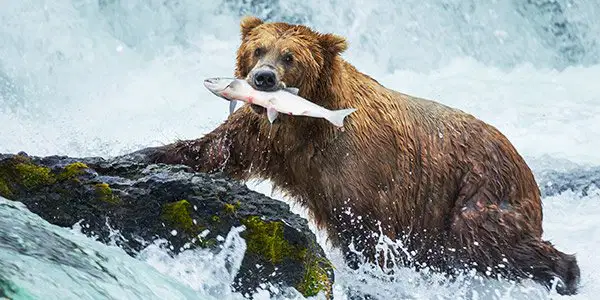
Based on the photographs, which term best describes a
brown bear?
herbivore
carnivore
omnivore

What words correctly identify the parts of the picture?
1. Producer, 2. Consumer
1. Carnivore, 2. Herbivore
1. Herbivore, 2. Consumer
1. Consumer, 2. Producer

How does this pine tree get its energy?
It traps and eats the birds that land in its branches.
It makes its own food from sunlight, water, and air.
It eats the pine cones that grow on it during the year.
It eats the wood from inside of its trunk.
What role does this species play in its ecosystem?
herbivore and decomposer
carnivore and predator
decomposer and predator
herbivore and predator

Which of these is a possible food chain for this environment?
Sun → grass → fly → frog
frog → fly → grass → Sun
Sun ← grass ← fly ← frog
Sun → fly → frog → snake

Put this food chain in the correct order
Grass
Rabbit
Snake
Hawk

This is an image of plants on a shelf. The plants are most likely responding to which factor in the environment?
Light
Water
Oxygen
Carbon dioxide
Which part of the plant does photosynthesis?
Match the following organisms to their role in the ecosystem.

Decomposer

Producer

Consumer

Read about the niche of the barking tree frog.
What is its niche in its ecosystem?
consumer
omnivore
carnivore
herbivore
producer

Based on the photographs, which term best describes wild birds?
herbivore
carnivore
omnivore
scavenger

What words correctly identify the parts of the picture?
Grass = producer
Mushroom = herbivore
Grass = herbivore
Mushroom = consumer
Grass = consumer
Mushroom = producer
Grass = producer
Mushroom = consumer
Click and drag each organism into the corect category.
Grass
Wild Flowers
Bacteria
Mushrooms
Mice
Snake
Eagle
Deer
Wolf
Place the parts of a food web to correctly show the flow of energy.
(a) -> (b) -> (c)

An organism that gets energy from eating other organisms is a ______________
producer
consumer
decomposer

How many herbivores is (are) in this food web?
3
2
1
5
4
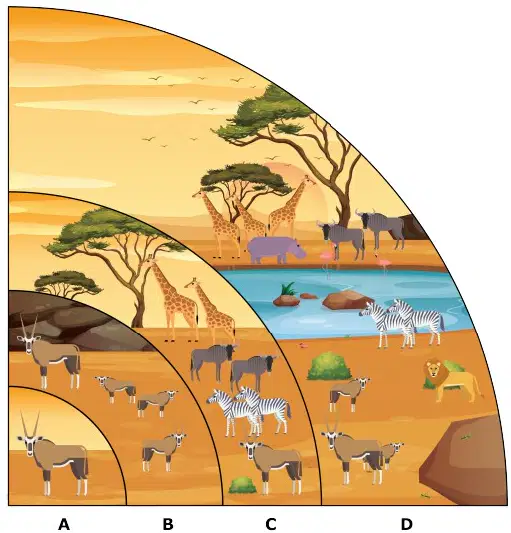
Organize these options into the right categories. Use the Diagram to help you.
population
same kind
community
different populations
ecosystem
all living and nonliving things
An organism that breaks down dead plants and animals is called a-
Producer
Consumer
Decomposer

ONLY use the food web to categorize each organism.
Fox
Owl
Frog
Grasshopper
Mouse
Rabbit
Grasses
Match the following:
decomposer
an organism that breaks down dead plant or animal material
carnivore
an organism that eat meat
omnivore
an organism that eats plants and animals
producer
an organism that makes its own food

ONLY use the food web to categorize each organism.
grasses
tree
grasshopper
bees
rabbit
deer
bird
mouse
snake
do not have a backbone
have a backbone


The picture showing the energy conversion
Light → chemical
is:


What is the energy transformation of a battery powered fan?
Electrical → Chemical → Radiant & Thermal
Electrical → Chemical → Mechanical & Thermal
Chemical → Electrical → Radiant & Thermal
Chemical → Electrical → Mechanical & Thermal

Which of the following terms best describes the living parts of the diagram?
Population
Community
Ecosystem
Biome
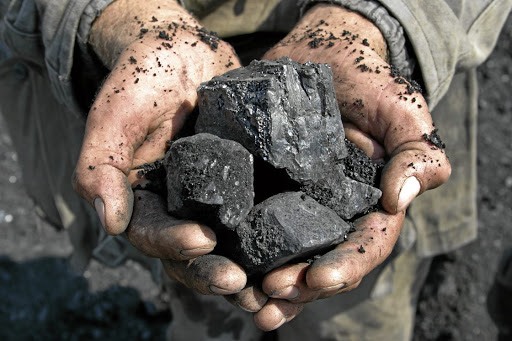
Coal comes from...
from animals that died millions of years ago.
from plants that died millions of years ago.
A factory
Burning fossil fuels
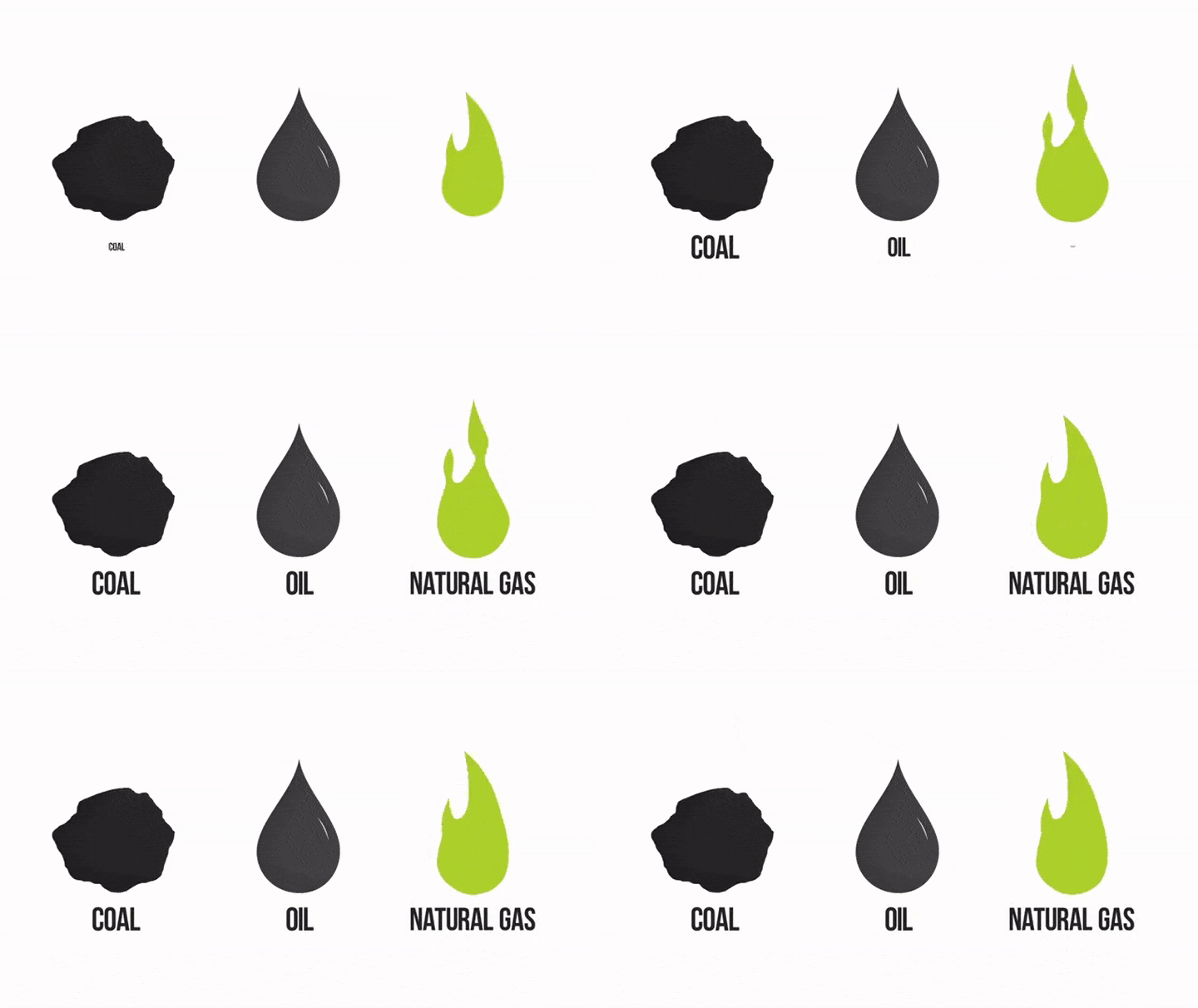
A group of non-renewable resources, called ______________, include coal, oil, and natural gas.
Fossils
Energy
Resources
Fossil fuels
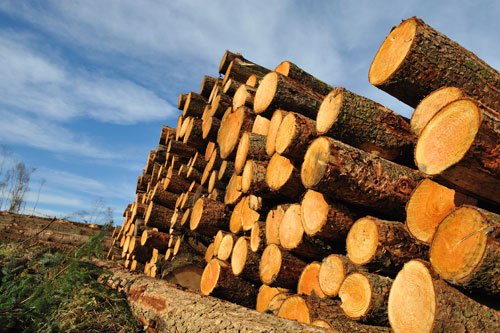
Wood is...
A renewable resource
A nonrenewable resource
Used to make oil
Used to make plastic
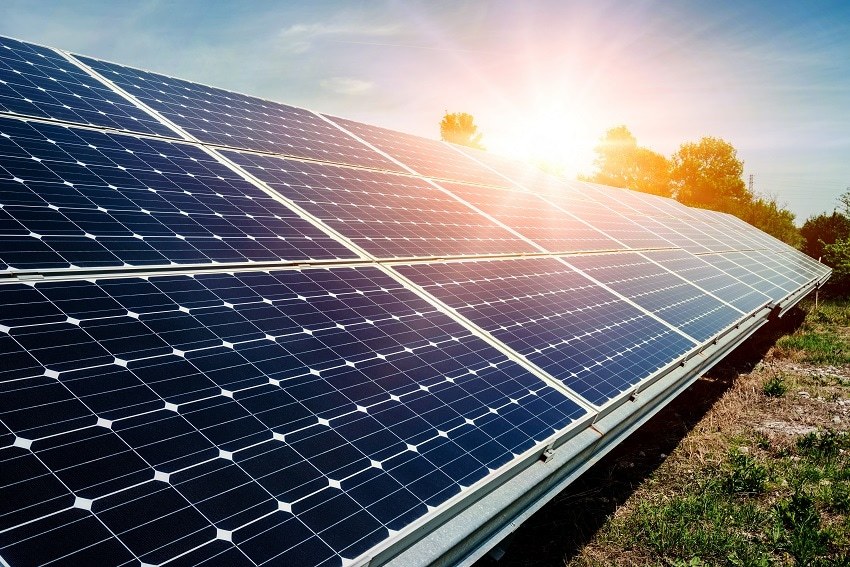
Sunlight is...
Very bright
Will eventually run out soon
A renewable resource
A nonrenewable resource

Students rolled a 22-gram car down three different ramps. The results from the investigation are shown in the table.
Which statement best explains why the car rolled down the wood ramp the fastest?
There was more force applied to the car on the wood ramp.
There was less friction on the surface of the wood ramp.
The wood ramp was higher than the other ramps.
The car on the wood ramp had more mass.

Organize the pictures into the appropriate categories.


Reposition the following organisms to show the correct flow of energy in this food web (from left to right).

Plankton

Razor Clam

Horseshoe Crab

Sanderling


An energy pyramid is shown. At which level has the LEAST amount of energy.

Which of these is an organism that does not depend on another living thing for food?
the Sun
an insect
a plant
an animal
Match each organism with the correct trophic level
Producer
Grass
Primary Consumer
Squirrel
Secondary Consumer
Insect Eating Bird
Apex Predator
Mountain Lion
Decomposer
Bacteria
Which of these animals is classified as a vertebrate?


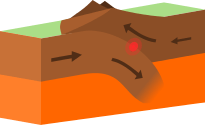


Use the diagram to organize these options into the right categories.
made of solid iron
made of melted metal
thinnest layer
thickest layer
B
C
D
A
Organize these options into the right categories
causes less damage to organisms and their habitat
causes more pollution

wind

hydroelectric

solar

coal

natural gas

petroleum oil

A disease reduces the number of young salmon in a river. Which population will MOST likely increase as a result?
trout and eagle
algae and trout
sculpin and algae


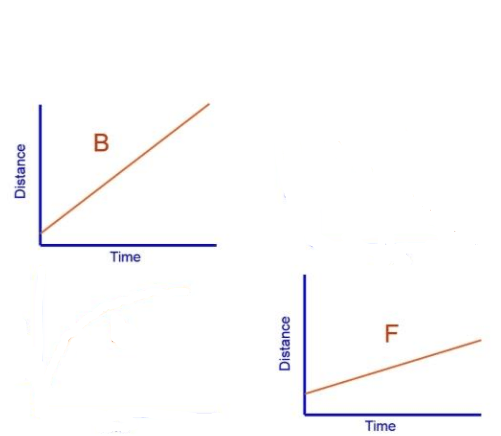
State which graph that shows an object that starts stationary, accelerates and then travels at a constant speed.
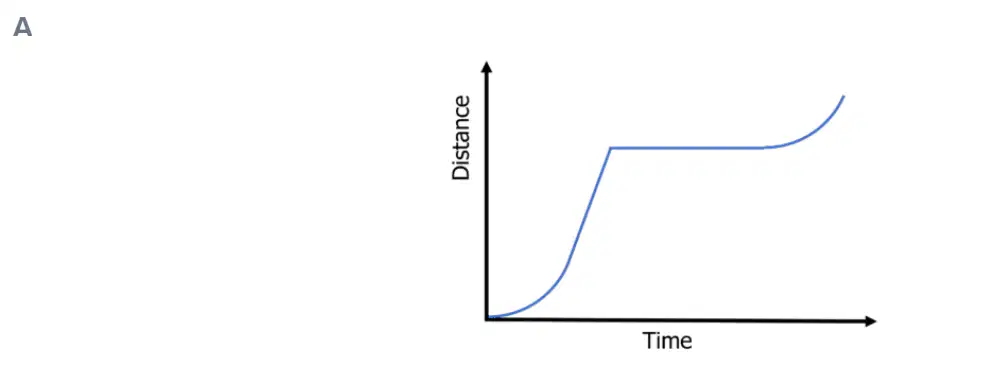
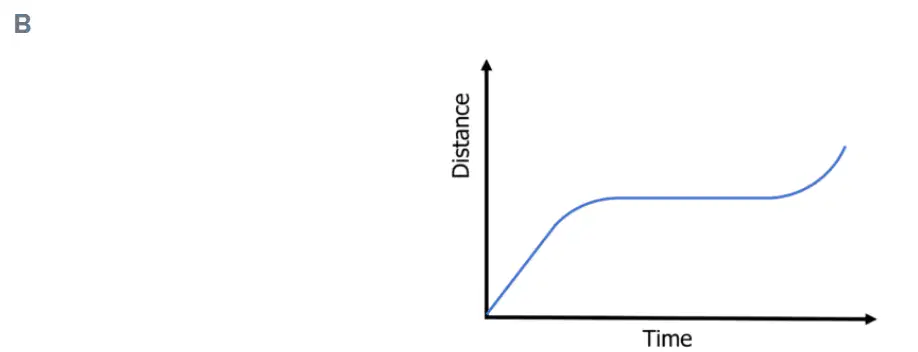
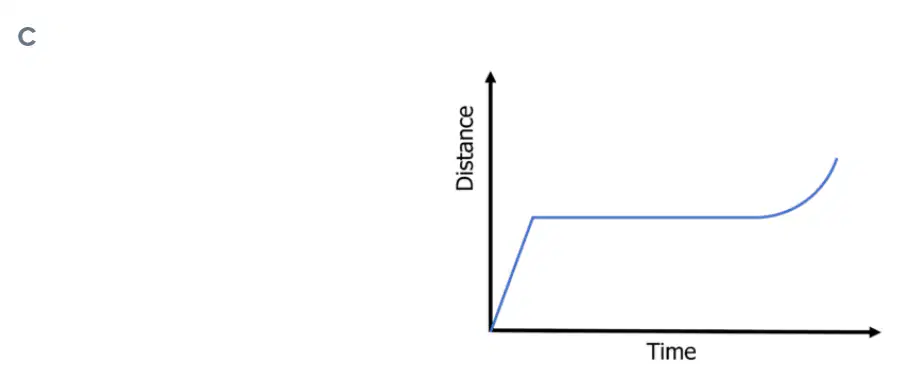
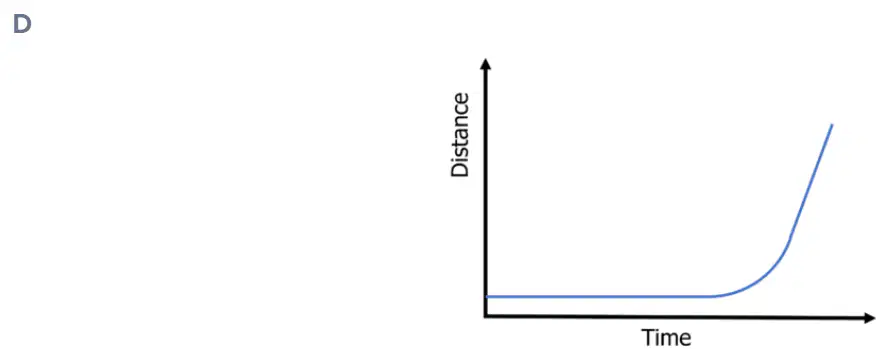
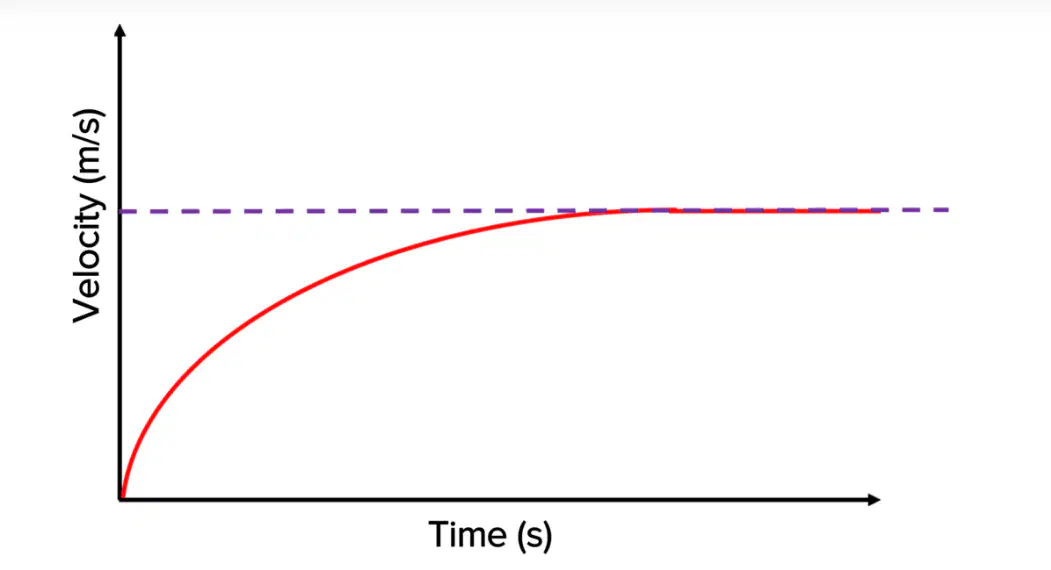
State what type of motion the object is travelling in. Describe this motion with reference to the graph.
The object's speed is increasing
The object is not moving
The object's speed is decreasing
The object is moving at a constant speed
When an object's speed increases, its kinetic energy:
Decreases
Remains the same
Increases
Becomes zero
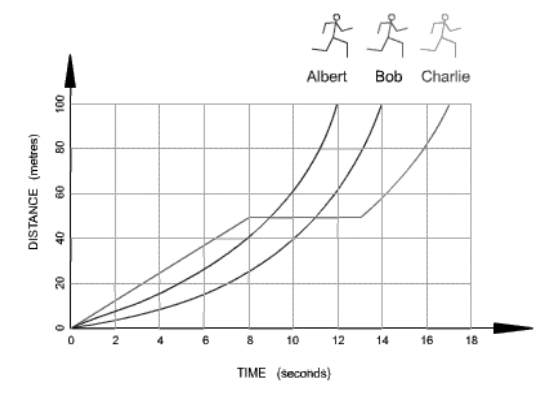

How far did each runner travel?
A)100 seconds
B)100 meters
C)18 meters
D)18 seconds

What is the formula for speed?
speed = distance x time
speed=distance / time
speed = time / distance
speed = distance + time

During which segment is the object increasing speed?
X
Y
Z

During which segment is the object motionless?
L
M
N

A
B
C

The car is traveling at constant speed in scenario-
A
B
C

