
 Worksheets
Y9 Performing Arts Quiz
Total questions: 34
Worksheet time: 49mins
What is the primary focus of Musical Theatre?
Dance routines
Combining songs, spoken dialogue, acting, and dance
Physical comedy
Mime
Which of the following is a key element of Physical Theatre?
Elaborate costumes
Use of the body to convey stories
Extensive use of props
Detailed scripts
Which dance technique is characterised by its use of pointed toes and graceful movements?
Hip Hop
Ballet
Tap Dance
Jazz
What is the first step in character development for an actor?
Memorising lines
Understanding the character's background and motivations
Choosing a costume
Learning stage directions
Which of the following best describes stage presence?
The ability to memorise lines quickly
The ability to command the audience's attention
The ability to perform complex dance moves
The ability to create elaborate sets
What is a freeze frame in theatre?
A moment where all actors stop moving and hold a position
A quick change of scenery
A fast-paced dialogue exchange
A dance sequence
What is thought tracking in drama?
Following the plot of the play
Expressing a character's inner thoughts aloud
Tracking the movements of other actors
Keeping track of props
What is a tableaux in theatre?
A moving scene
Multiple still images created by actors to represent a scene or plot
A musical number
A dialogue-heavy scene
What is a voice collage in drama?
A collection of different voices speaking simultaneously or in sequence
A solo monologue
A musical duet
A silent performance
Which of the following is NOT typically a component of Musical Theatre?
Spoken dialogue
Mime
Songs
Dance
In Physical Theatre, what is the primary tool used by performers?
Their voice
Their body
Their costume
Their props
Which of the following is essential for clear voice and speech in performance?
Loud volume
Clear articulation
Fast pace
High pitch
Which dance technique often involves rhythmic tapping of the feet?
Ballet
Tap Dance
Jazz
Contemporary
What is the purpose of a freeze frame in a performance?
To change costumes
To highlight a significant moment or idea
To introduce a new character
To end the scene
What is transition?
moving to a new rehearsal room to allow for more space
Changing from scene to scene in an interesting way
Demonstrating that you can play a variety of different characters
Changing form character to character in an interesting way
Explain how you could use facial expression, posture, body language to transition from one character to another. Describe how you would transition from character A; a football fan at a match. To character B; a police officer at work.
What is hotseating?
Adding chairs to a scene to create different levels
Interviewing the director to find out how your character should be played
Interviewing a performer in role as a character to find out more about them
Interviewing the audience after the show to see if they enjoyed it
What is a stimulus and how can it be used in drama? You may talk about any stimulus you have used in your drama lessons and explain how you used this within your practical work.
What does the role of the narrator involve? What skills does a narrator need?
What is choral speech and why would it be used in a drama piece?
What is body as a prop? Explain how you might use this technique to create a interesting drama scene
Explain why vocal projection and articulation are important skills for an actor
Describe how using the following vocal skills would alter an actors voice in order to help them play a character: A) Pitch B) Tone C) Pace D) Dynamics E) Accent
Who has responsibility for writing the dialogue actors speak?
The playwright
The stage manager
The director
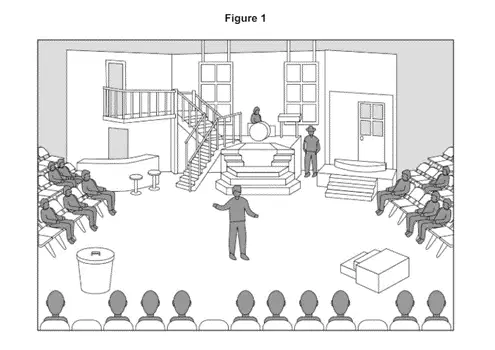
what type of staging is being used in the photo shown in figure 1
Arena
Thrust
End On
Traverse
In figure 1 what is the position of the dustbin
Upper stage left
Upper stage right
Downstage left
Centre Stage
Which of the following is correct when using a traverse stage
The audience are in a circle around the stage.
The audience move around the performance area.
The audience sit on both sides of the stage facing each other.
Who has overall responsibility for ensuring that what the characters wear on stage is appropriate to the period of the play?
The actor
The costume designer
The stage manager
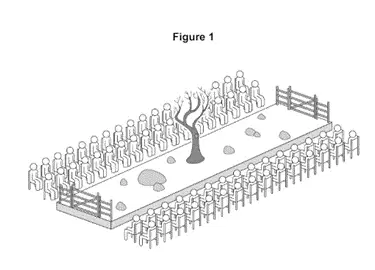
What type of staging is shown in figure 1
End on staging
Traverse staging
Thrust staging
In the round
What is the stage positioning of the tree in Figure 1?
Centre stage
Upper stage left
Downstage right
In what type of staging does the audience surround the performance space?
End on Stage
Proscenium Arch stage
In the Round
Arena
Which of the following is NOT a type of performer?
actor
director
dancer
What is a lighting designer responsible for?
Rigging lights
programming lights
planning different lighting states
Based on the assessed performance you are currently creating in your performing arts lessons: Hillsborough
Answer the following questions in detail;
1.What is the style and genre of the performance?
2. What is the performance space like you have to work in? Talk about staging type, lighting, sound, access to props etc.
3. Who is the target audience for your performance and what is the aim/message of the piece
4. What is your role in the performance and explain what skills and techniques you will need to use to be successful in this role

