wayground logo

Free Printable Worksheets

Font size

S
M
L
XL
Worksheets

7th Grade - Final Exam Practice Test

Total questions: 85

Worksheet time: 43mins

Name
Class
Date
1.

¿Cuáles son los ARTÍCULOS DEFINITIVOS?

a)
yo, él, ella, tú
b)
el, la, las, los
c)
un, una, unos, unas
d)
all of the above
2.

¿Cuáles son los ARTÍCULOS INDEFINITIVOS?

a)
yo, él, ella, tú
b)
el, la, las, los
c)
un, una, unos, unas
d)
all of the above
3.

Which of the following best represents how GENDER occurs in Spanish?

a)
nouns are masculine, feminine or neutral
b)
verbs are masculine and feminine
c)
nouns are masculine and feminine
d)
verbs are masculine, feminine or neutral
4.

What do ADJETIVOS need in order to agree en español?

a)
gender and quanity
b)
gender and verbs
c)
color and number
d)
gender and article
5.

In the sentence, "El sofá está ENCIMA DE la alfombra," what part of speech is ENCIMA DE?

a)
adverbio
b)
preposición
c)
adjetivo
d)
verbo
6.

Identify the SUSTANTIVO(S) in the following sentence, "Las lámparas están a la izquierda."

a)
izquierda
b)
están
c)
las
d)
lámparas
7.

¿Cuáles son PRONOMBRES PLURALES?

a)
encima de, lejos de, detrás de, alrededor de
b)
ser, estar, tener, hablar
c)
nosotros(as), vosotros(as), ellos, ellas, ustedes
d)
yo, tú, él, ella, usted
8.

Spanish VERBS end in what three endings?

a)
-or, -ir, -ar
b)
-ar, -er, -ir,
c)
-or, -er, -ir
d)
none of the above
9.

Spanish NOUNS use a ______ in front of the noun.

a)
definite article
b)
indefinite article
c)
adjective
d)
both A and B
10.

¿Qué es un "infinitive"?

a)
a non-conjugated verb that means to ___
b)
a conjugated verb that means to ____
c)
a verb that is infinite
d)
a verb that means to be
11.

Identify the PRONOMBRE(S) in the following sentence, "Usted es muy simpática e inteligente."

a)
es
b)
simpática e inteligente
c)
usted
d)
muy
12.

Identify the ADJETIVO(S) in the following sentence, "Ellos son perezosos y soy ambicioso.

a)
perezosos y ambicioso
b)
ellos son
c)
yo soy
d)
son y soy
13.

Identify the VERBO(S) in the following sentence, ¿Tienes materiales escolares en tu mochila?

a)
mochila
b)
materiales escolares
c)
tienes
d)
tu
14.

Identify the PREPOSICIÓN(S), "Los hermanos están encima de la cama."

a)
encima de
b)
los hermanos
c)
están
d)
la cama
15.

"Examinar" is an example of ___?

a)
the infinitive of the verb
b)
the conjugated form of the verb
16.

¿Cuáles son TRES VERBOS IRREGULARES?

a)
ser, estar, tener
b)
tocar, bailar, hablar
17.

¿Cuáles son TRES VERBOS REGULARES?

a)
ser, estar, tener
b)
tocar, bailar, hablar
18.

¿Qué es el verbo TENER?

a)
to have
b)
to be
c)
to talk
d)
to need
19.

¿Qué es el verbo ESTAR?

a)
to read
b)
to need
c)
to be
d)
to have
20.

¿Qué es el verbo SER?

a)
to read
b)
to be
c)
to need
d)
to have
21.

What acronym is used for the verb ESTAR?

a)
DOCTOR
b)
ASPENS
c)
PLACE
d)
PEMDAS
22.

What acronym is used for the verb SER?

a)
DOCTOR
b)
ASPENS
c)
PLACE
d)
PEMDAS
23.

Los cuartos de ARRIBA son...

a)
el ático, la recámara, el baño
b)
la sala, el sótano, la cocina
c)
el comedor, la sala familiar, la cocina
d)
el baño, la cocina, el dormitorio
24.

Los cuartos de ABAJO son...

a)
el ático, la recámara, el baño
b)
la sala, el sótano, la cocina
c)
el comedor, el ático, la cocina
d)
el baño, la cocina, el dormitorio
25.

¿Qué es la preposición, "encima de?"

a)
over
b)
near
c)
in between
d)
on top of
26.

¿Qué verbo necesitas con (with) las preposiciones?

a)
tener
b)
estar
c)
ser
d)
necesitar
27.

Choose the VERB that best completes the sentence below.

Las pinturas de Fernando Botero _____ interesantes.

a)
están
b)
son
c)
es
d)
está
28.

Choose the VERB that best completes the sentence below.

Fernando Botero ____ un pintor y escultor.

a)
están
b)
son
c)
es
d)
está
29.

Choose the VERB that best completes the sentence below.

Los estudiantes y yo _____ inteligentes

a)
somos
b)
estamos
c)
es
d)
soy
30.

Choose the VERB that best completes the sentence below.

Los libros _____ en la escuela

a)
está
b)
es
c)
son
d)
están
31.

Choose the VERB that best completes the sentence below.

Ustedes _____ nerviosos hoy.

a)
son
b)
están
c)
estamos
d)
none of the above
32.

Choose the VERB that best completes the sentence below.

Hoy _____ miércoles.

a)
es
b)
somos
c)
está
d)
soy
33.

Choose the VERB that best completes the sentence below.

Mi hermano y yo _____ enfermos.

a)
es
b)
estamos
c)
tenemos
d)
están
34.

Los chicos son _______. (funny)

a)
cómicos
b)
simpática
c)
antipáticos
d)
none of the above
35.

Las chicas son ____. (blonde)

a)
rubias
b)
rubios
c)
moreno
d)
morenos
36.

La pintura es ____ y tiene mucho _____. (big, color)

a)
bajo, colores
b)
bajo, color
c)
alto, colores
d)
grande, color
37.

El alumno es muy ____ y ______. (mean, serious)

a)
antipáticos y serios
b)
simpático y serio
c)
antipático y serio
d)
simpáticos y serios
38.

PORTRAIT en español es ____.

a)
el retrato
b)
la pintura
c)
la fotografía
d)
la escultura
39.

DANCE en español es ____.

a)
la música
b)
el baile
c)
la película
d)
none of the above
40.

La muchacha es bonita. El muchacho es ____.

a)
alto
b)
guapo
c)
feo
d)
joven
41.

El muchacho es ambicioso. La muchacha es ____.

a)
simpático
b)
perezosa
c)
ambiciosa
d)
antipática
42.

El muchacho es gordo. La muchacha es ____.

a)
gorda
b)
delgada
c)
baja
d)
alta
43.

How would you make the SENTENCE below PLURAL?

a)
Los retratos son azul y blanco.
b)
Las pinturas es azules y blancas.
c)
Los retratos son azules y blancos.
d)
Las pinturas son azules y blancas.
44.

How would you make the SENTENCE below SINGULAR?

a)
El pintor es serio.
b)
La pintora es seria.
c)
El pintor son serio.
d)
None of the above.
45.

Yo ______ dolor de cuerpo.

a)
tengo
b)
tiene
c)
tienen
d)
soy
46.

Nosotros _____ un buen médico.

a)
tienen
b)
somos
c)
estamos
d)
tenemos
47.

Ella ____ catorce años.

a)
es
b)
tiene
c)
está
d)
estudia
48.

Ustedes ____ una casa bonita y grande de ladrillo en la ciudad.

a)
está
b)
son
c)
tienen
d)
tenemos
49.

¡La clase de ciencias ____ muy interesante!

a)
es
b)
está
c)
son
d)
none of the above
50.

Pepe y yo _____ muy nerviosos por (for) el examen pero (but) ____ inteligentes.

a)
soy, somos
b)
estoy, estamos
c)
estamos, somos
d)
estoy, somos
51.

El profesor no ____ en la escuela y los alumnos sí ____ en la escuela

a)
está, están
b)
es, son
c)
está, son
d)
eres, están
52.

La señora López ____ de México.

a)
está
b)
es
c)
eres
d)
usted
53.

¿Dónde _____ los chicos?

a)
tienen
b)
somos
c)
está
d)
están
54.

Paola ____ muy ambiciosa pero (but) hoy _____ muy cansada.

a)
es, está
b)
está, es
c)
eres, estás
d)
none of the above
55.

Catalina y Linda ____ hermanas y _____ un perro.

a)
tienen, está
b)
está, tienen
c)
somos, tiene
d)
son, tienen
56.

Nosotros ____ tristes y ellos ___ contentos.

a)
estamos, están
b)
somos, están
c)
estamos, está
d)
es, estás
57.

La clase de español ____ cerca de la cafetería.

a)
está
b)
es
c)
tiene
d)
none of the above
58.

La muchacha no es energética es ______.

a)
perezosa
b)
tranquila
c)
nerviosa
d)
cómica
59.

El paciente está bien porque tiene dolor de cabeza.

a)
verdad
b)
falso
60.

Ellos no son altos son ____.

a)
ambiciosos
b)
inteligentes
c)
bajos
d)
nerviosos
61.

Los alumnos no están contentos están ____.

a)
energeticos
b)
tristes
c)
ocupados
d)
simpáticos
62.

TO COUGH translates to ______

a)
toser
b)
tener
c)
recetar
d)
ser
63.

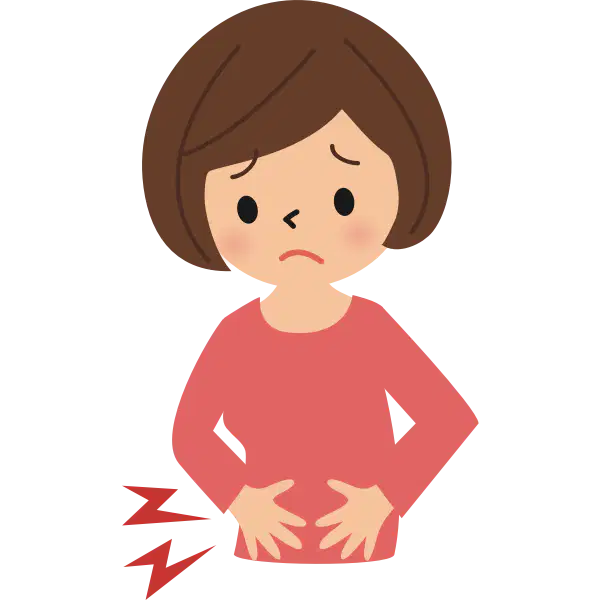
STOMACH ACHE translates to _____.

a)
dolor de cabeza
b)
dolor de estómago
c)
dolor de hombro
d)
dolor de pie
64.

LA CONDUCTA translates to ____.

a)
manners
b)
behavior
c)
to ache
d)
in a bad mood
65.

ENFERMERA translates to ____.

a)
patient
b)
doctor
c)
nurse
d)
sick
66.

Tengo una fiebre.

a)
I have a fever.
b)
I am a fever.
c)
I have fever pain.
67.

El alumno es mal educado.

a)
The student is badly educated.
b)
The student has bad manners.
68.

TO EXAMINE translates to ____.

a)
examen
b)
examinar
c)
levantar
d)
consultar
69.

PLEASANT, FRIENDLY translates to _____.

a)
simpático
b)
malo
c)
antipático
d)
enfadado
70.

ENOJADO translates to _____.

a)
mad
b)
annoyed
c)
happy
d)
sad
71.

Ella ____ dolor de _____.

a)
tiene, pierna
b)
tiene, brazo
c)
tienes, mano
d)
está dedos
72.

Nosotros _____ dolor de _____.

a)
tenemos, estómago
b)
tienen, cabeza
c)
somos, ombligo
d)
none
73.

Él _____ dolor de _____.

a)
es, cara
b)
está, cabeza
c)
tiene, ojos
d)
tiene, cabeza
74.

Tú ____ dolor de _____.

a)
eres, pie
b)
estás, dedos
c)
tienes, pierna
d)
caminas, rodilla
75.

Jorge ___ dolor de _____.

a)
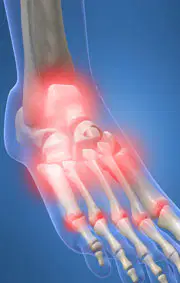
tiene, pie
b)
tiene, tobillos
c)
es, dedos
d)
none
76.

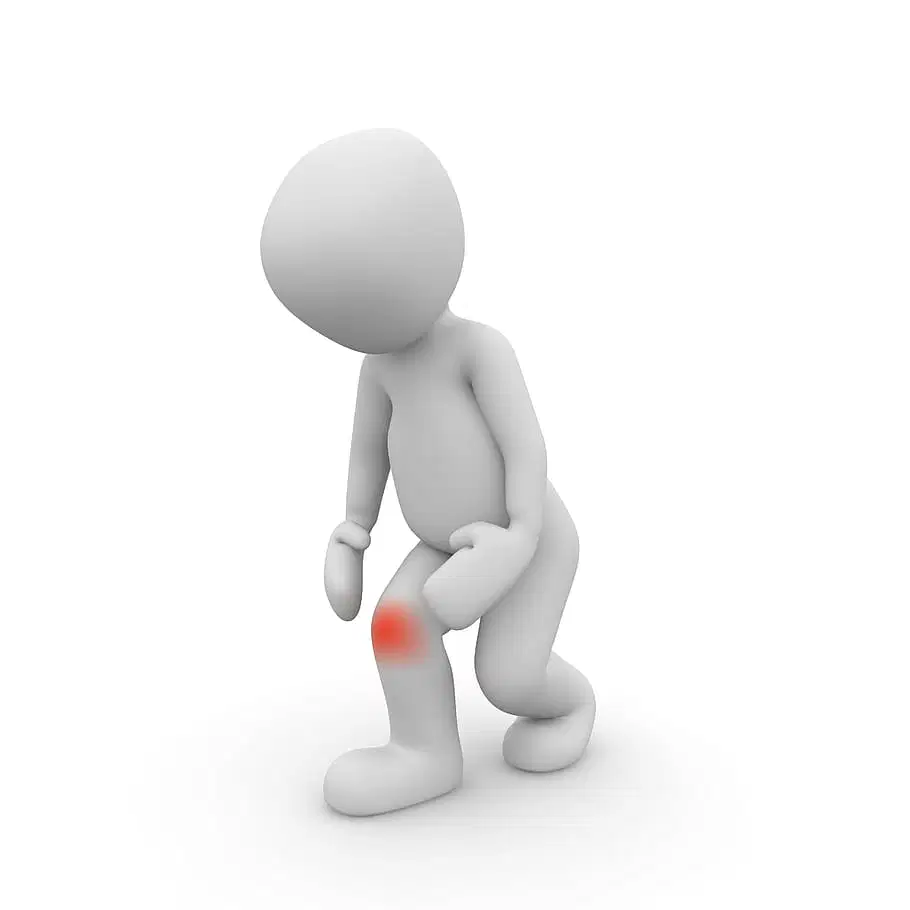
Ana ____ dolor de ____.

a)
tiene, rodilla
b)
es, rodilla
c)
duele, rodilla
d)
está, rodilla
77.

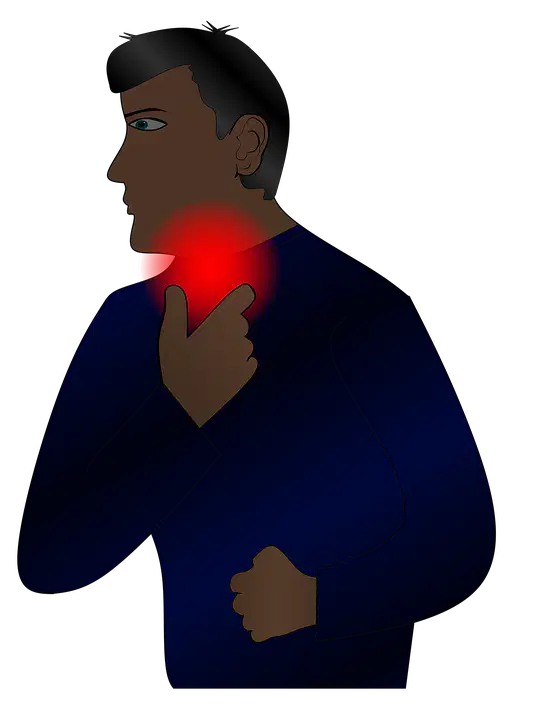
Mis amigas y yo _____ dolor de ______.

a)
tenemos, garganta
b)
es, rodilla
c)
duele, garganta
d)
está, rodilla
78.

EYES en español es _____.

a)
ojo
b)
nariz
c)
ojos
79.

KEY en español es ______.

a)
la cama
b)
la pared
c)
la llave
d)
la silla
80.

FORK en español es ____.

a)
el tenedor
b)
el jardín
c)
el espejo
d)
el techo
81.

WINDOW en español es ____.

a)
el sótano
b)
la ventana
c)
el libro
d)
el armario
82.

VIVIR is ______.

a)
to sing
b)
to live
c)
to run
d)
to hear
83.

Which example best shows subject verb agreement?

a)
Elena estamos
b)
ellos están
c)
tu habla
d)
usted miras
84.

Which example best shows adjective agreement?

a)
lápiz amarillos
b)
ojos cafés y pelo moreno
c)
libros aburrido
d)
clases
85.

CEILING en español es ____.

a)
el techo
b)
el horno
c)
el cuchillo
d)
el libro