
 Worksheets
g8 respiratory system
Total questions: 25
Worksheet time: 4hrs 20mins
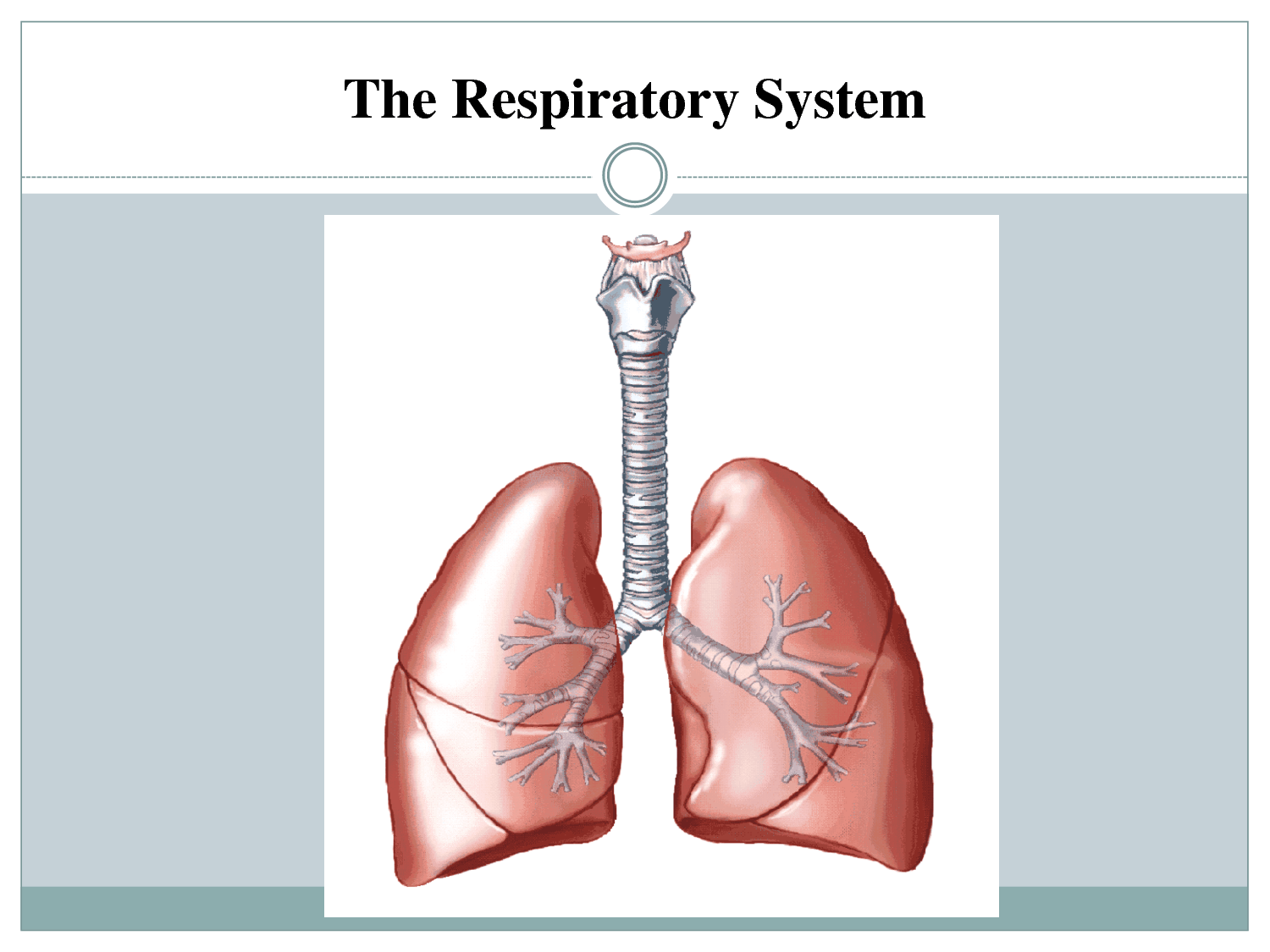
What is the main function of the respiratory system?
to provide oxygen and remove carbon dioxide from the body
o break down food and absorb nutrients
to remove oxygen from the body and deliver carbon dioxide
What are the main organs of the respiratory system that allow us to breathe and for gas exchange to happen?
diapragm
lungs
trachea
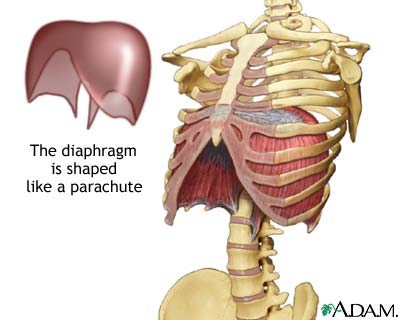
What is function of the dome-shaped diaphragm muscle?
This is where gas exchange happens.
Air passes through the diaphragm on the way to the lungs.
It attaches to the lungs and contracts and relaxes to help in breathing.
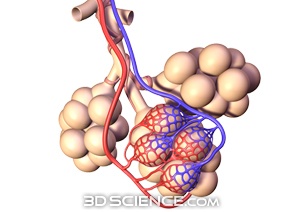
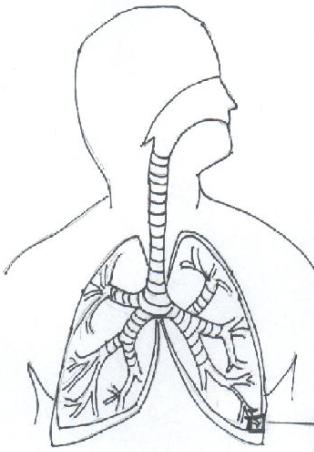
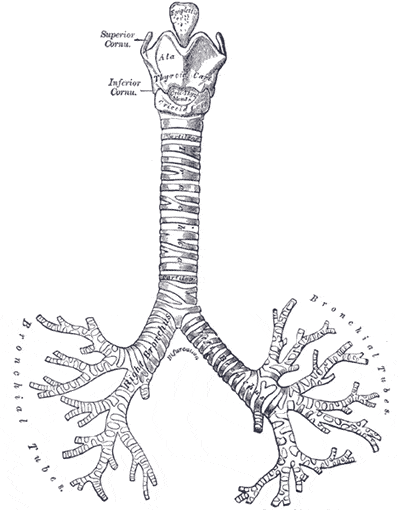
These are the two two main branches from the trachea (one to each lung)
bronchi
alveoli
capillaries
bronchioles
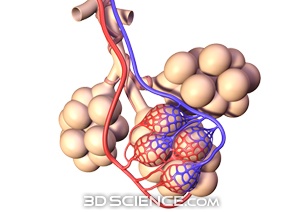

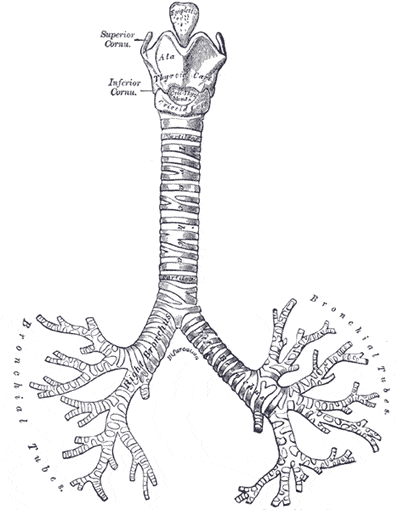

Flap of tissue that covers the opening to the windpipe during swallowing
Pharynx
Trachea
Epiglottis
The circulatory system works with the ___________ system to provide our body with oxygen and get rid of CO2 (carbon dioxide).
respiratory
digestive
muscular
skeletal
Which of the following is other term for trachea
Pharynx
Throat
Windpipe
Larynx
What are tiny air sacs at the end of each bronchiole, where exchange of gases takes place?
Alveoli
Capillaries
Bronchus
Cilia
Which of the following is the pair of spongy air filled organs which occupy a region in the chest?
Rib cage
Heart
Lungs
Kidney
Inhaling moves the diaphragm________________ chest cavity
down and expands
down and relax
up and expands
up and relax
Which organ of the respiratory system can be described as a tube made of cartilage rings?
The pharynx
The trachea
The larynx
The bronchi
The walls of our nose are lined with tiny hair and mucus, which trap foreign particles out of the inhaled air.
TRUE
FALSE

Diagram shows a model of human respiratory system. K represents....
lung
rib cage
diaphragm
thoracic cavity
Which is the correct air passage in the breathing mechanism?
Nostril, nasal cavity, pharynx, larynx, trachea, bronchus, bronchiole, alveolus
Nostril, nasal cavity, larynx, pharynx, trachea, bronchus, bronchiole, alveolus
Nostril, nasal cavity, pharynx, larynx, trachea, bronchiole, bronchus, alveolus
Nostril, nasal cavity, trachea, larynx, pharynx, bronchus, bronchiole, alveolus

