
 Worksheets
ISSP: 1-4 Workshop Check-In
Total questions: 40
Worksheet time: 7hrs 40mins
Select all the ways that customers may reward you in the sales process. (Session 1)
Additional Purchases
Appreciation
Loyalty
Referrals
When customers are satisfied, it is safe to assume they are both satisfied and loyal. (Session 1)
True
False
Customers that have long-term, loyal relationships with Border States have received quality, feel appreciated, are respected, and been provided value. (Session 1)
True
False
Both internal and external people are consider customers. (Session 1)
True
False
To create an expectational service experiences for customers, it takes every employee-owner working towards a common goal of build loyal customers. (Session 1)
True
False
We define service and sales as:
"A process of identifying and filling needs people have, and creating value for them." (Session 1)
True
False

Which is NOT part of a sales and service professional role in working with customers? (Session 1)
Advise
Support
Lead
Refer
Which of the traits includes, "Having clear, specific, written, and shared goals/direction you have planned for your future"? (Session 1)
Social Skills
Goal Clarity
Emotional Intelligence
Achievement Drive
Which of the traits includes, "Having the ability to take responsibility for achieving your goals." (Session 1)
Social Skills
Goal Clarity
Emotional Intelligence
Achievement Drive
Which of the traits includes, "Possessing the ability to understand the differences in people, communicative well with people, and understand body language, tone of voice and gestures." (Session 1)
Social Skills
Goal Clarity
Emotional Intelligence
Achievement Drive
Which of the traits includes, "Possessing the inner strength to understand your emotions and how they influence your actions and behaviors. " (Session 1)
Social Skills
Goal Clarity
Emotional Intelligence
Achievement Drive
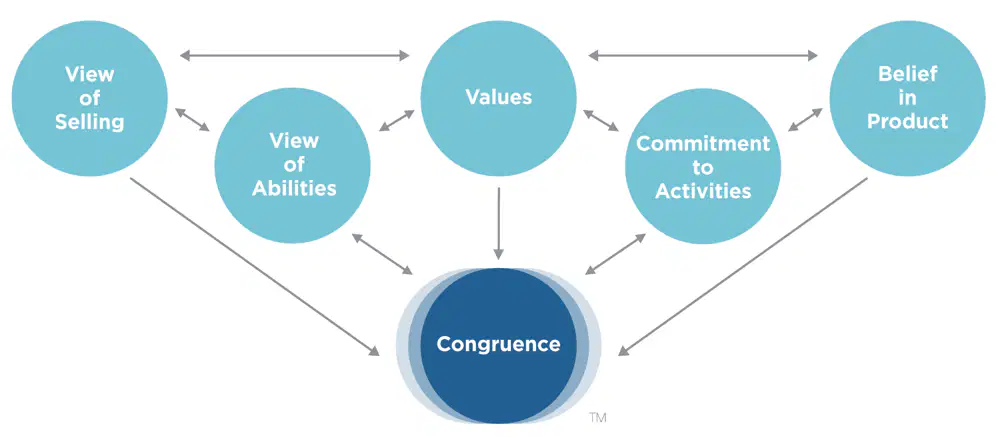
Select the sales alignment area that matches the statement below:
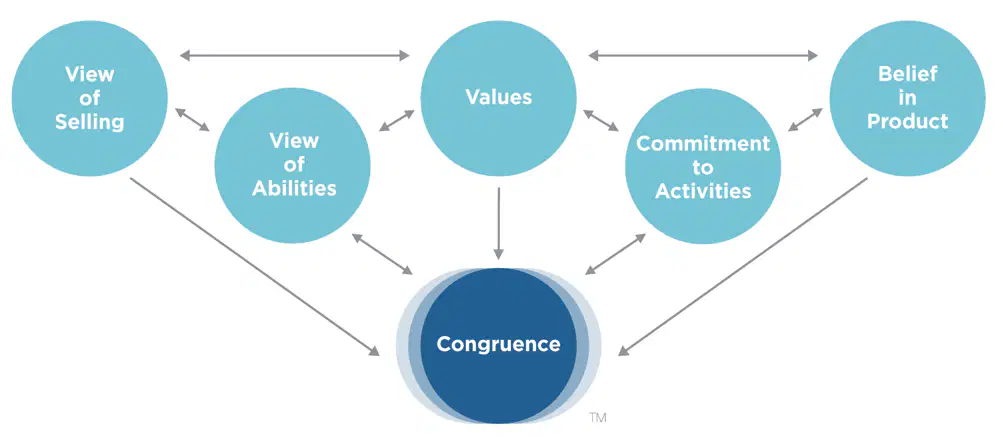
Belief that sales is a noble profession that creates value and helps people. (Session 1, but talked about in Session 4)
View of Selling
View of Abilities
Belief in Product
Values
Commitment to Activities
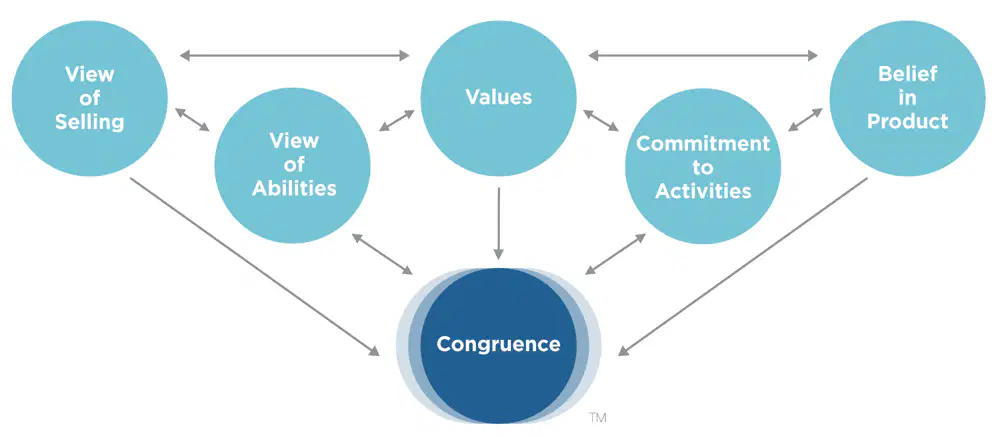
Select the sales alignment area that matches the statement below:
Belief that one has the necessary talents and abilities to be successful in service/selling environment. (Session 1, but talked about in Session 4)
View of Selling
View of Abilities
Belief in Product
Values
Commitment to Activities
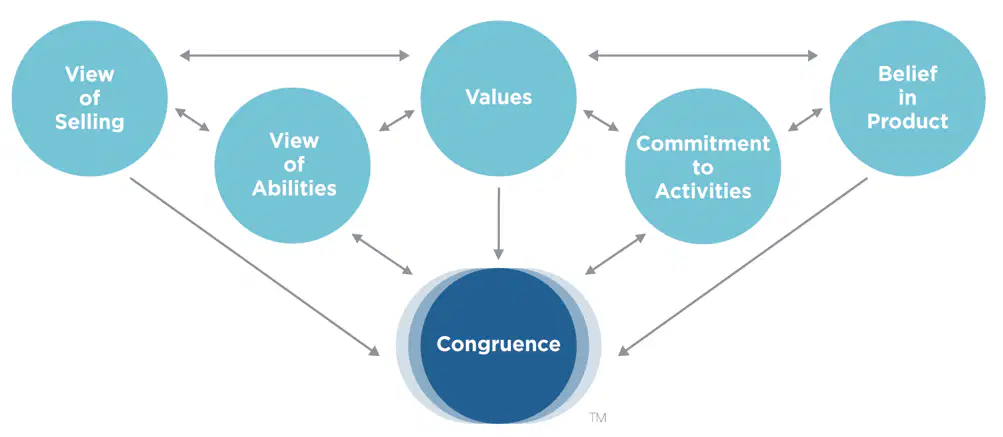
Select the sales alignment area that matches the statement below:
A high degree of internal sincerity, conscientiousness and honesty. (Session 1, but talked about in Session 4)
View of Selling
View of Abilities
Belief in Product
Values
Commitment to Activities
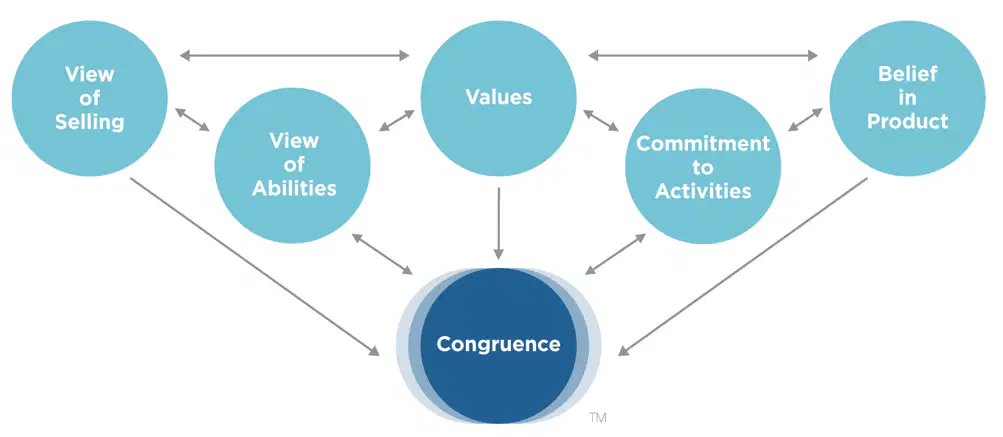
Select the sales alignment area that matches the statement below:
Diligent in performing activities necessary for success. (Session 1, but talked about in Session 4)
View of Selling
View of Abilities
Belief in Product
Values
Commitment to Activities
Select the sales alignment area that matches the statement below:
The products and services sold will create value for people. (Session 1, but talked about in Session 4)
View of Selling
View of Abilities
Belief in Product
Values
Commitment to Activities
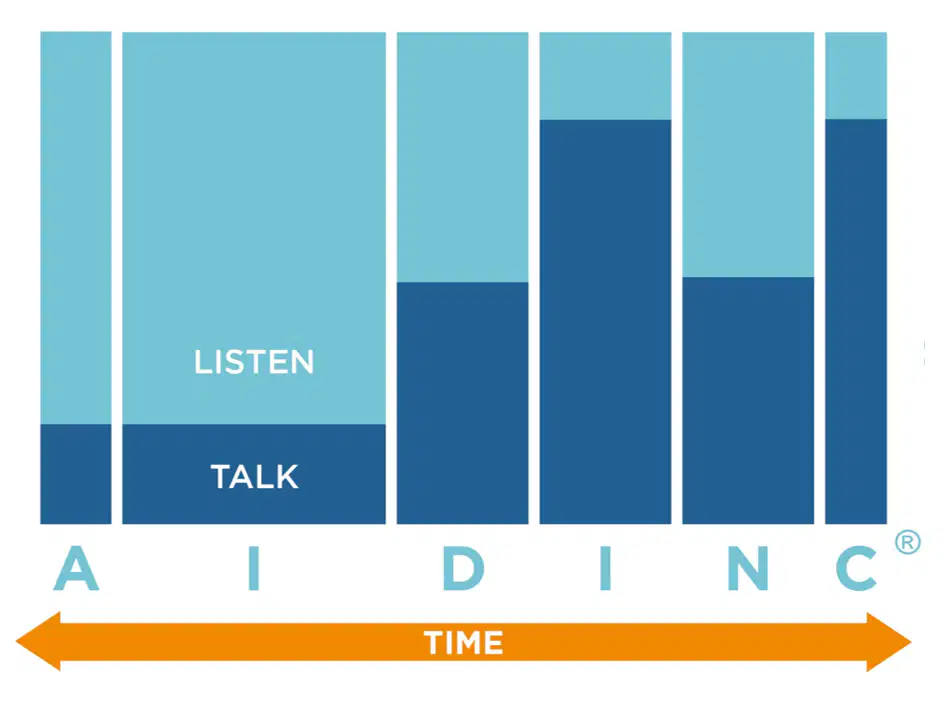
What does the A stand for in AID, Inc? (Session 2)
(a)
What does the D stand for in AID, Inc? (Session 4)
(a)
What does the first I stand for in AID, Inc? (Session 3)
(a)
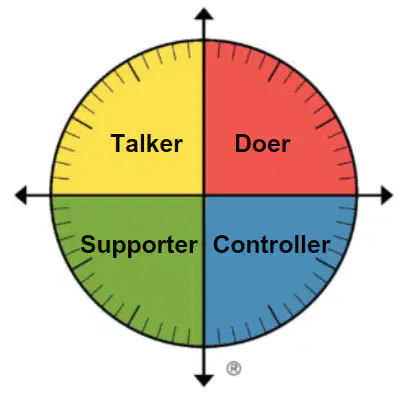
Which TWO styles tend to be more people/relationship orientated? (Session 2)
Talker
Doer
Controller
Supporter
Which TWO styles tend to be more task/results orientated? (Session 2)
Talker
Doer
Controller
Supporter
Which TWO styles tend to be more recognition driven? (Session 2)
Talker
Doer
Controller
Supporter
Which TWO styles tend to be more security driven? (Session 2)
Talker
Doer
Controller
Supporter
A TALKER may make decisions based on emotions. (Session 2)
True
False
A DOER typically is easy going and steady. (Session 2)
True
False
A CONTROLLER may be deliberate and organized. (Session 2)
True
False
A SUPPORTER likes to get results fast. (Session 2)
True
False

The purpose of the approach step is to reduce customers defensiveness. (Session 2)
True
False
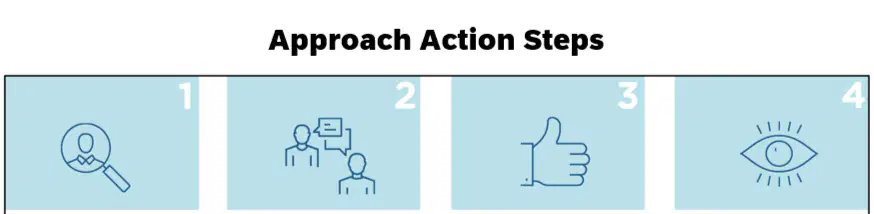
Which is NOT an action in the approach step? (Session 2)
Hold eye contact.
Tune others out.
Put them at ease.
Sell to them.
Thank them.
The purpose of the interview step is to get to the point so you can tell the customer what they need. (Session 3)
True
False
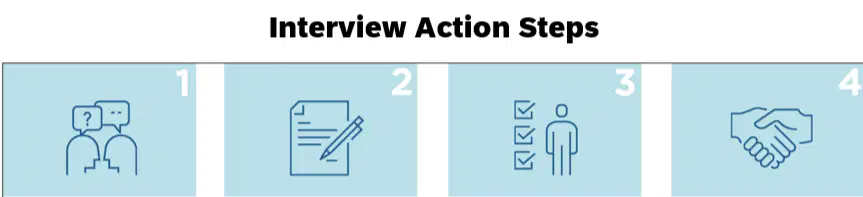
Which is NOT an action in the interview step? (Session 3)
Assure people.
Identify problems.
Listen.
Tell them.
Ask them.

When discussing needs with your customers, you want to go from understanding their current situation to their --------- situation? (Session 3)
(a)

Which of these is NOT part of the Chinese character for listen. (Session 3)
Heart
Words
Ears
Eyes
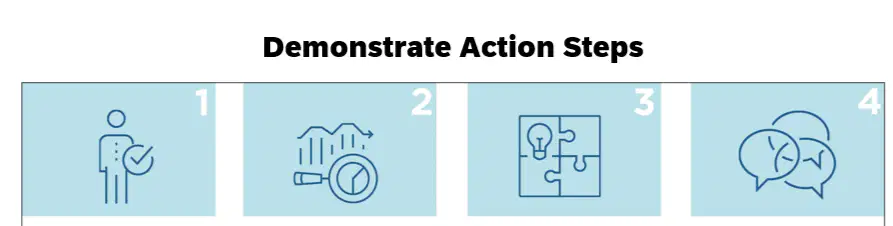
Which is NOT an action in the demonstrate step? (Session 4)
Show your products fit wants and needs
Translate features to benefits
Ask for customers reactions to products/services
Avoid products/services that fulfill their dominate needs
"Distinctive characteristics of the product" are called...(Session 4)
Features
Benefits
"What the customer will gain by purchasing your products or services" is called...(Session 4)
Features
Benefits
Customers value... (Session 4)
Improved Efficiency
Less Effort
Peace of Mind
Flexibility
Saving Money
Customers will start looking at costs faster if you are unable to connect to the value of the product/service. (Session 4)
True
False
Cost isn’t always about money. (Session 4)
True
False
Scenario: Your customer is currently running on an electrical setup that is as efficient as a rotary phone. They are comfortable with where they are at but they are noticing some delays and want some easy fixes. To guide them to a more advanced solution, you:
Tell them that rotary phones are making a comeback, so hold tight and check back.
Launch into a lecture on the timeline of their setup. Share all the details and features of theirs now and the features of the new.
Ask questions to get them to highlight inefficiencies of their current system to allow you to paint a picture of the benefits of upgrading.
Tell them they will never find parts so the have to just upgrade their entire system.

