
Font size
 Worksheets
COASTS
Total questions: 80
Worksheet time: 48mins
What is the meaning of coast?
Where the sea meets the ocean
Where the land meets the land
Where the sea meets the air
Where the land meets the sea
Waves are caused by ______________ dragging on the surface of the water
rain
wind
fish
The size of the waves depends on the... (choose 2)
Tilting of the Earth
Duration of wind blowing for
Speed of the wind
The rise and fall of the sea gives you
earthquakes
tide
tsunami
gravity
Read the following situations:
A: Strong wind blowing for 24 hours
B: Light wind blowing for 12 hours
C: Strong wind blowing for 10 hours
Which wind will produce larger waves?
A
B
C
Tides are caused by the gravitational pull from the __________
sun
Mars
Venus
Moon
Which of the following are the processes of erosion?
Abrasion
Attrition
Hydraulic action
Traction
Which of the following landforms are created by deposition?
Beaches
Floodplains
Stacks
Cliffs

Before this landform was formed, it was once a...
Beach
Bay
Cave
Ship
Which of these are risks when living near coasts?
Flooding
Burglary
Drought
Landslides
Land/Property Erosion
Coasts always have a beach
True
False
In total, how many erosion processes have we studied?
1
2
3
4
What erosion process am I explaining? When waves force air and water into cracks in the rock widening and weakening them breaking parts off over time.
Abrasion
Attrition
Hydraulic Action
Solution
What erosion process is referred to as the 'sandpaper effect'
Attrition
Abrasion
Hydraulic Action
Solution
Lulworth Cove is an example of what feature?
Headland
Wave-cut platform
Bay
Cave

What feature can you identify in the image?
Bay
Headland
Wavecut platform
Stack
Select the correct sequence for explaining the formation of a stack
Weakness, cave, arch, stump
Weakness, cave, arch, stack
arches, stacks, cave
caves, arches, stacks

What feature can you identify in the image?
Cave
Arch
Stump
Headland
Which erodes quicker?
Hard rock (clay)
Soft rock (sandstone)
Hard Rock (Sandstone)
Soft Rock (Clay)

What determines the direction of swash and longshore drift?
Backwash
Wind
Prevailing Wind Direction
The tides
Which of the following is NOT a process of erosion?
Deposition
Hydraulic Action
Attrition
Abrasion
In total, how many erosion processes have we studied?
1
2
3
4
What erosion process am I explaining? When waves force air and water into cracks in the rock widening and weakening them breaking parts off over time.
Abrasion
Attrition
Hydraulic Action
Solution
What erosion process is referred to as the 'sandpaper effect'
Attrition
Abrasion
Hydraulic Action
Solution
Lulworth Cove is an example of what feature?
Headland
Wave-cut platform
Bay
Cave
What feature can you identify in the image?
Bay
Headland
Wavecut platform
Stack
Select the correct sequence for explaining the formation of a stack
Weakness, cave, arch, stump
Weakness, cave, arch, stack
arches, stacks, cave
caves, arches, stacks
What feature can you identify in the image?
Cave
Arch
Stump
Headland
Which erodes quicker?
Hard rock (clay)
Soft rock (sandstone)
Hard Rock (Sandstone)
Soft Rock (Clay)
What determines the direction of swash and longshore drift?
Backwash
Wind
Prevailing Wind Direction
The tides
Which of the following is NOT a process of erosion?
Deposition
Hydraulic Action
Attrition
Abrasion
What is a coast?
A section of land that borders the sea or ocean
A raised area where sea waves break
A sea highland with salt marshes
An area enclosed by the sea
What is a swash?
Sound produced by the water.
Water at the coast
Water washed up the beach when wave break.
Water washed down the beach when wave break
What is a backwash?
Its the strong current brought up the beach by a wave
The downward movement of water at the coast
Water that runs back down the beach after a wave breaks
None of the above
Deposition can occur at the coast due to the following reasons EXCEPT one.
When sea loses energy to to reduced wind strength.
When waves enter shallow waters
When waves reach a sheltered area eg a bay
When it rains heavily and river flows to the sea
Waves can do all the following except one. Which one?
Erode the coast
Transport materials up the coast
Deposit materials at the coast.
Cause earthquakes
What is a longshore drift?
Constant and zigzag movement of sand and shingles up the beach by prevailing wind
Movement of water to the coast at 90 degrees
Its long process of movement of sand to the coast
Deposition of sand and other materials at the beach

Name the feature.
Bay
Spit
Cliff
Lagoon

Name the coastal depositional
Tombolo
Lagoon
Bay
Sandy beach

What is this feature?
A spit
A longshore drift
A Bay
A bar

The following is a depositional feature found at the coast. Name it.
Hills
Coastal mountains
Coastal vegetations
Coastal dunes
____________are caused by the moon’s gravitational pull on the Earth.
Tides
Breaker
Through
Current
Tides are the regular rise and fall of ocean water.
True
False
Tides rise and fall about_________ a day.
once
monthly
twice
_______________ are flowing streams of water that move continually through the ocean in a specific direction.
Carrots
Breakers
Currents
Tides
___________ are shorelines made of sand.
Rivers
Sand Dunes
Inlets
Beaches
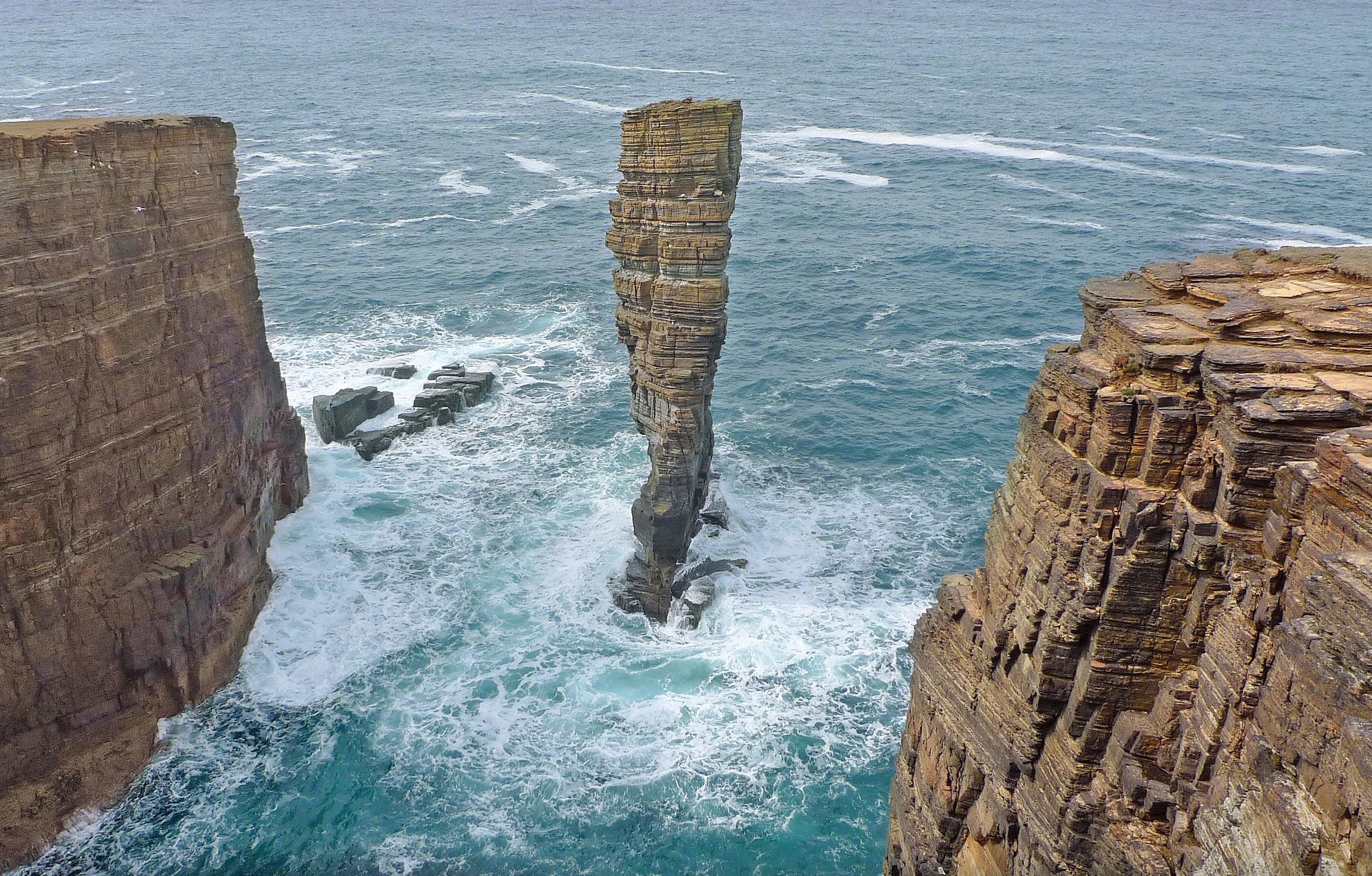
Identify this coastal landform.
Sea Stack
Sea Stump
Arch
Bay
True or false? Sea Stacks are created by erosion and weathering.
True
False
This happens when the waves don't have enough energy to carry sediment.
Deposition
Erosion
Swash
Backwash

Recognize this coastal feature.
Sea cave
Sea stack
Sea arch
Headland

What is this landform?
mountain
glacier
bay
canyon

Identify this coastal feature.
Stack
Sea cave
Headland
Island
A ________ is a place where the land meets the ocean and sea.
bay
coast
lagoon

Identify this coastal landform.
stack
arch
stump
bay

Identify this coastal landform.
beach
lagoon
bay
shore

Identify this coastal landform.
arch
stump
stack
cave

Identify this coastal landform.
headland
spit
tombolo
shore

Identify this coastal landform.
stack
arch
cliff
spit
Select the response which lists the features in the order that they are formed.
arch , cave , stack
cave , arch , stack
cave , stack , arch
stack , arch , cave
Constructive waves have a strong swash and weak backwash.
True.
False.
Destructive waves have a tall height and short wave length.
True.
False.
Which type of waves build up beaches and create landforms such as spits and bars?
Destructive
Constructive
Which of these are types of erosion? Select all that apply.
Hydraulic action
Saltation
Abrasion
Attrition
Which of these is not a type of transportation?
Saltation
Traction
Suspension
Attrition
Erosion of a headland creates a fault which then becomes a cave. Eventually a cave will become an arch, the roof of the arch becomes unstable and collapses. This leaves behind a (a) . Eventually this will be eroded further to leave a stump.
Which two types of erosion are responsible for the creation of a stack?
Hydraulic action
Attrition
Abrasion
Solution
The type of transportation where large boulders are rolled along the seabed is know as...
saltation
suspension
traction
solution
The process where rocks are dissolved by the sea is known as...
attrition
solution
suspension
abrasion
Deposition of material along the coast happens when...
the waves lose energy as the wind drops
the waves gain energy as the wind increases
there is a change in the wind
Which 3 of these determine how powerful waves are?
Fetch
Wind Speed
Wind Direction
How long the wind blows for
Longshore drift describes...
how erosion happens along the coastline
how particles are transported from one end of the beach to another
how deposition happens along the coastline
how landforms such as caves are created

