
 Worksheets
Past Continuos
Total questions: 57
Worksheet time: 31mins
Para que usamos el PAST PROGRESSIVE?:
Para hablar de acciones que ocurrieron en el pasado
Para hablar sobre acciones en un tiempo especifico del presente
Para hablar de acciones que ocurriran en el futuro
Cual es el verbo to be en pasado?
AM- IS- ARE
WILL
DID
WAS- WERE
¿Que significa WE WERE en español?
nosotros somos / estamos
Ellos eran / estaban
nosotros eramos / estabamos
¿Que significa I WAS en español?
yo soy / estoy
Yo era / estaba
WERE Y WAS son del tiempo:
PRESENT PROGRESSIVE
PAST PROGRESSIVE
SIMPLE PRESENT
SIMPLE PAST
She ____ (listen) to music when I called.
was listening
were listening
are listening
is listening
What _____ he _____ (watch) on television when you arrived?
was / watching
were / watching
was/ watch
were / watch
Cual es la estructura para oraciones afirmativas en pasado progresivo?
Sujeto + verbo auxiliar (to be) + verbo en gerundio (ing) + complemento
Sujeto + verbo en gerundio (ing) + complemento
verbo en gerundio (ing) + sujeto + verbo en gerundio (ing) +complemento
Sujeto + verbo auxiliar (to be) + complemento
¿Cuál es la estructura para oraciones interrogativas en pasado progresivo?
Verbo auxiliar(to be) + verbo en gerundio (ing) + complemento + ?
Verbo auxiliar (to be) + sujeto + verbo en gerundio (ing) + complemento
Verbo auxiliar (to be) + sujeto + verbo en gerundio (ing) + complemento + ?
Verbo auxiliar (to be) + sujeto + verbo + complemento + ?
La estructura del pasado progresivo en forma negativa es:
Sujeto + Verbo auxiliar + Verbo (ing) + Complemento
Sujeto + Verbo auxiliar + not + Verbo (ing) + Complemento
Verbo Auxiliar + Sujeto + Verbo (ing) + Complemento ?
Cuando voy a mencionar dos acciones que estaban ocurriendo al mismo tiempo utilizo la expresión:
Was - Were
While
La oración "Yo estaba hablando en el parque" en inglés se escribe:
I am talking in the park
I was talking in the park
La oración "El no estaba comiendo sobre la mesa" en inglés es:
He was not eating on the table
He is not eating on the table
La oración "¿Estaban ellos aprendiendo inglés?" en inglés es:
Are they learning English?
Were they learning English?
Pasa la siguiente oración " I AM WORKING " a pasado progresivo:
(a)
La contracción del auxiliar WERE NOT es:
Weren't
Wen't
Were't
En el pasado progresivo que terminación se usa
Ing
Ed
S

My parents ____ (work) when I came home.
are working
is working
were working
was working

We ________(play) video games yesterday at 3 o'clock
was
were
were playing
was playing

In 2010, we ____ (live) in a small flat in London.
was living
were living
does living
do living

_____ it _____ (rain) when you left?
was / raining
were / raining
is /raining
are / raining

They (a) studying for the exam
Las oraciones en pasado progresivo son:
Mary was running in the park
They are listenong to music
John is drinking soda
We were writing an email.
Las oraciones negativas son:
They were watching tv at home
She was walking in the park
He was not reading a newspaper
They were not swimming in the pool
Las oraciones interrogativas son:
Was she working in her office?
She was studying English in London
Were they reading the newpaper?
They were olaying video games

What were they doing?
they were watching tv
they were playing video games
They were listening to music
They were playing in the park

What was she doing?
She was eating a big sandwich
She was drinking water
She was listening to music
She was playing video games
You ....... visiting your friends
was
were
are
is
........ she reading a magazine when Peter arrived?
were
was
do
did
They ............... watching a film yesterday afternoon
weren`t
wasn`t
don`t
isn`t
You (watch).............. TV yesterday night.
was watching
were watching
were watch
was watch

El verbo representado es:
write
eat
drink
watch

El verbo representado es:
help
Wake up
Sleep
Need

El verbo representado es:
Drive
speak
listen
Sweep
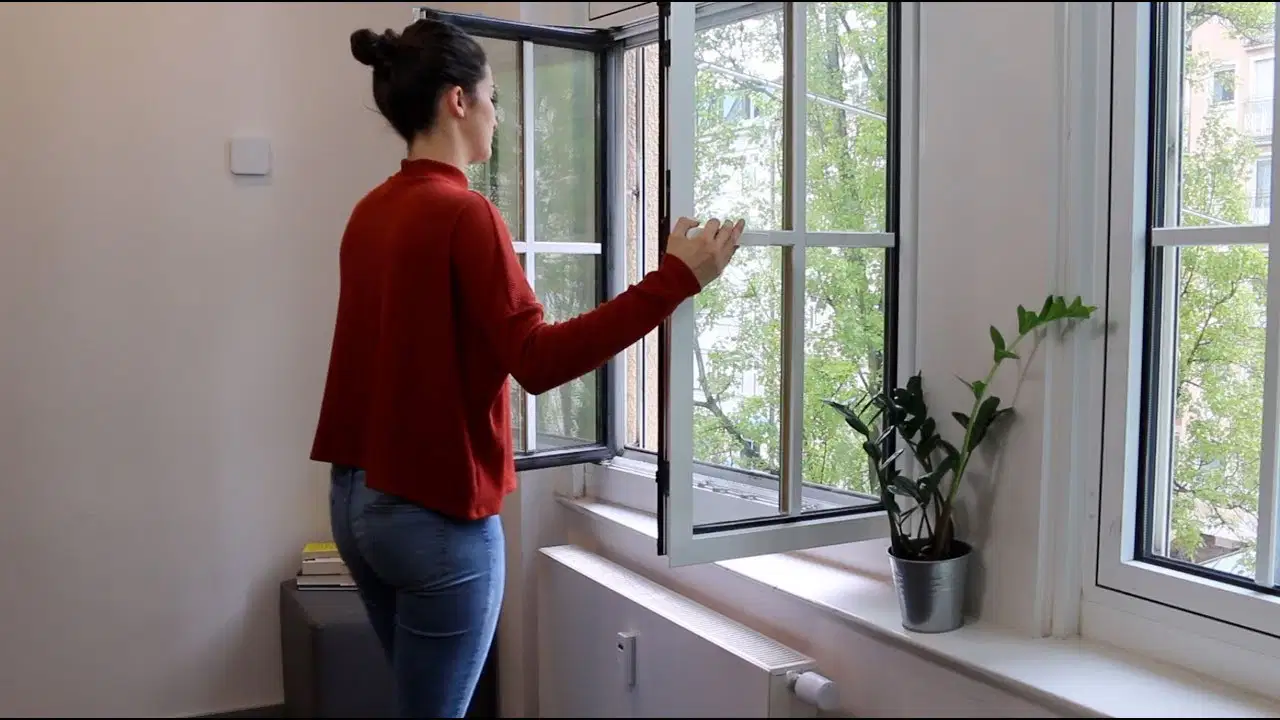
El verbo representado es:
open
close
become
cut

El verbo representado es:
Like
Study
Write
Eat

El verbo representado es:
eat
sweep
sleep
Go

El verbo representado es:
Jump
Study
Listen
Speak

La terminación ING de los verbos, significa:
Ser _ Estar
Endo _Ando
estar
"Caminando" en inglés es:
(a)

Si una oración está en Presente Progresivo, el verbo TO BE en la oración debe ser:
Am, Is, Are
Was, Were
Si una oración está en Pasado Progresivo, el verbo TO BE en la oración debe ser:
Was, Were
Am, Is, Are
"Ella estaba durmiendo ayer"
She is sleeping yesterday
She was sleeping yesterday

"Yo estaba aprendiendo inglés"
(a)

"Ellas estaban leyendo un libro"
(a)

"Ellas están leyendo un libro"
(a)

Completa con el verbo to be adecuadamente:
I (a) opening the windows YESTERDAY.

Completa con el verbo to be adecuadamente:
He (a) writing an essay NOW.

Completa con el verbo to be adecuadamente:
I (a) speaking in english YESTERDAY.

Completa con el verbo to be adecuadamente:
You (a) calling your mother YESTERDAY.
I was
Crying
Cry
Cries
You were
Eat
Eating
eats
He was
Walks
Walk
Walking
She was
Runs
running
run
They were
Make
making
Makes

