
 Worksheets
SIA Midterm Exam
Total questions: 106
Worksheet time: 1hrs 6mins
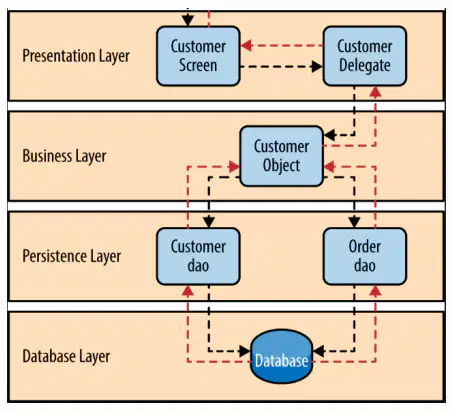
Identify the Architecture Style/Pattern
Layered Architecture
Client-Server Architecture
Microservices Architecture
Event-Driven Architecture
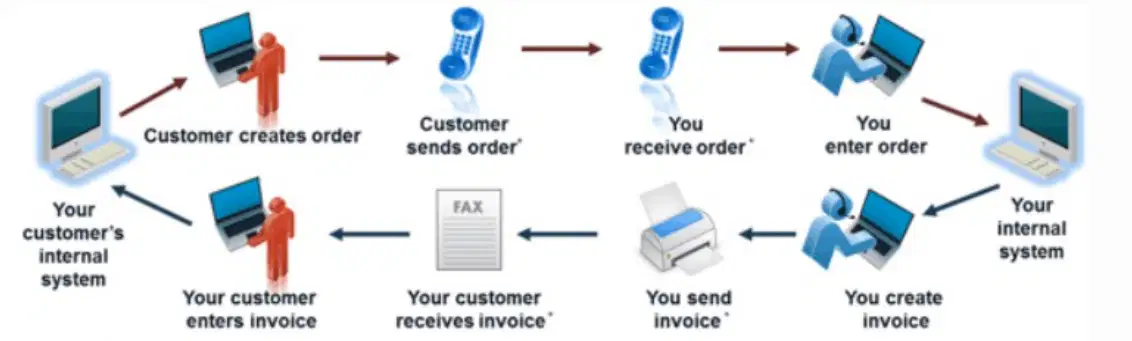
This Data Integration Approach is an example of
Manual Data Entry
Extract, Transform, Load (ETL)
Enterprise Service Bus (ESB)
Change Data Capture (CDC)
Data Replication
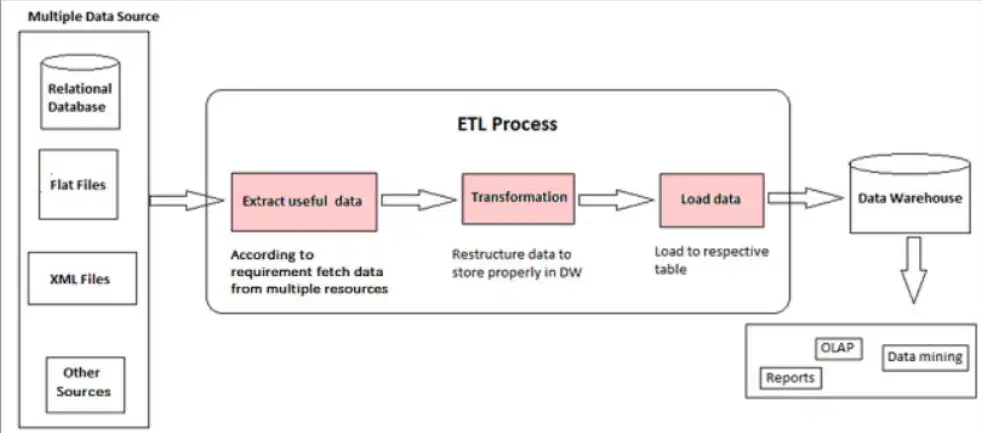
This Data Integration Approach is an example of
Manual Data Entry
Extract, Transform, Load (ETL)
Enterprise Service Bus (ESB)
Change Data Capture (CDC)
Data Replication
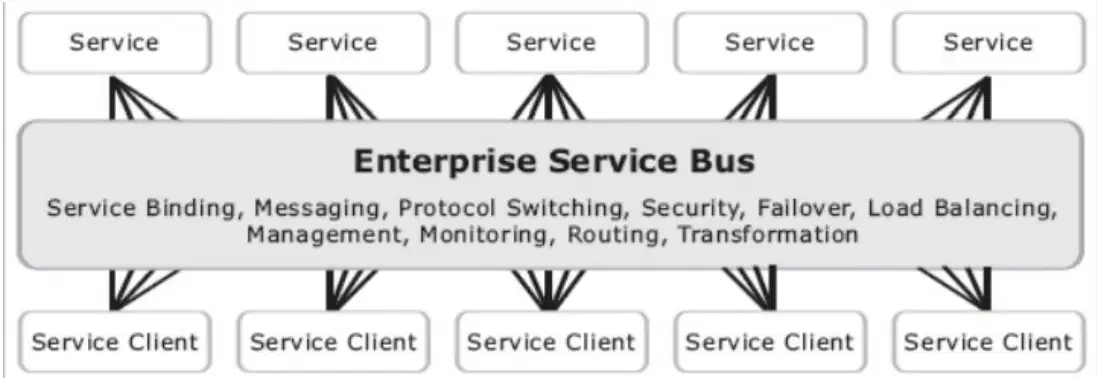
This Data Integration Approach is an example of
Manual Data Entry
Extract, Transform, Load (ETL)
Enterprise Service Bus (ESB)
Change Data Capture (CDC)
Data Replication
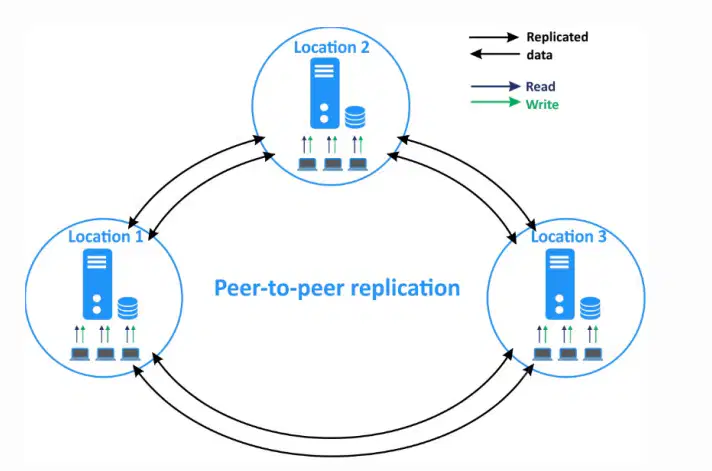
This Data Integration Approach is an example of
Manual Data Entry
Extract, Transform, Load (ETL)
Enterprise Service Bus (ESB)
Change Data Capture (CDC)
Data Replication
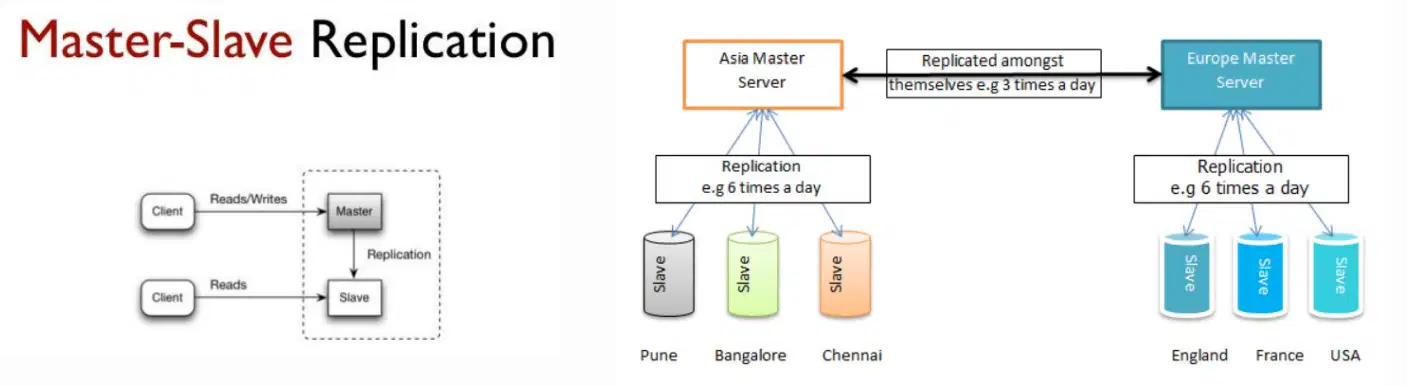
This Data Integration Approach is an example of
Manual Data Entry
Extract, Transform, Load (ETL)
Enterprise Service Bus (ESB)
Change Data Capture (CDC)
Data Replication
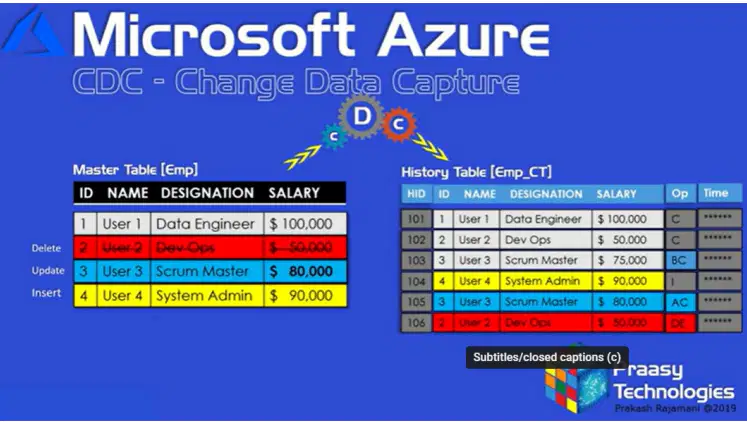
This Data Integration Approach is an example of
Manual Data Entry
Extract, Transform, Load (ETL)
Enterprise Service Bus (ESB)
Change Data Capture (CDC)
Data Replication
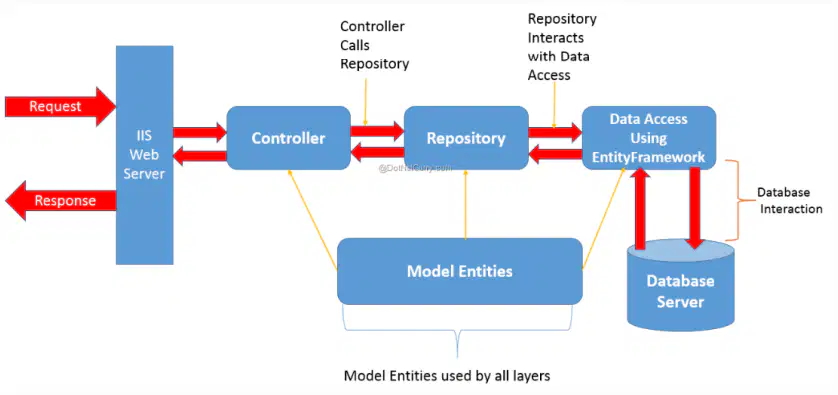
Identify the Architecture Style/Pattern
Service-Oriented Architecture
Repository Pattern
Microservices Architecture
Event-Driven Architecture
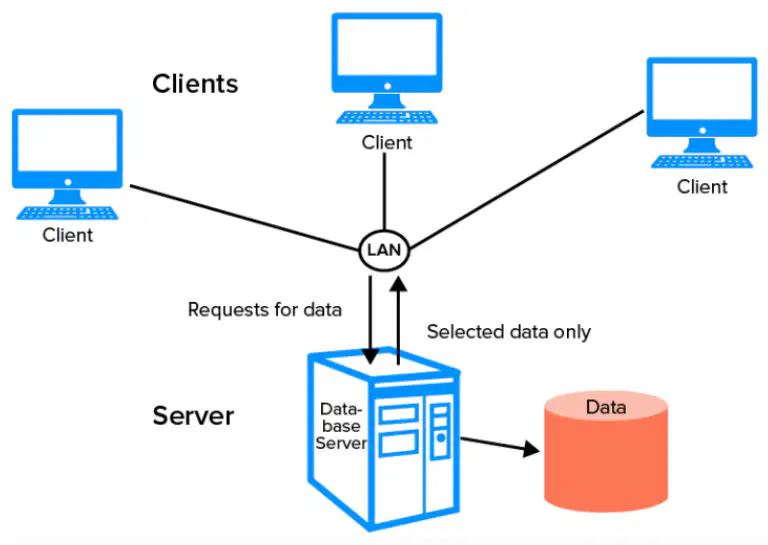
Identify the Architecture Style/Pattern
Layered Architecture
Client-Server Architecture
Microservices Architecture
Event-Driven Architecture
Which is the Microservices Architecture


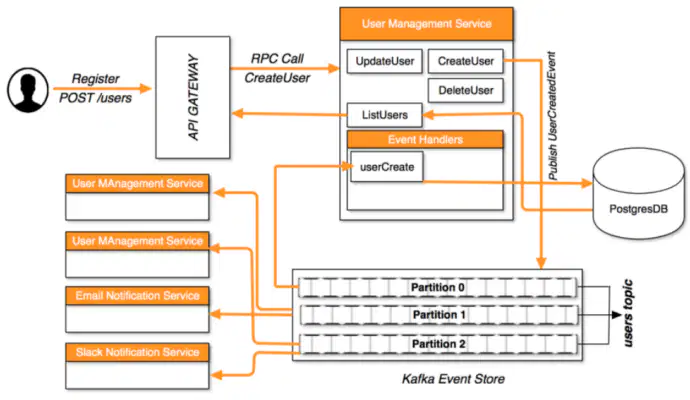
Which is the Event-Driven Architecture
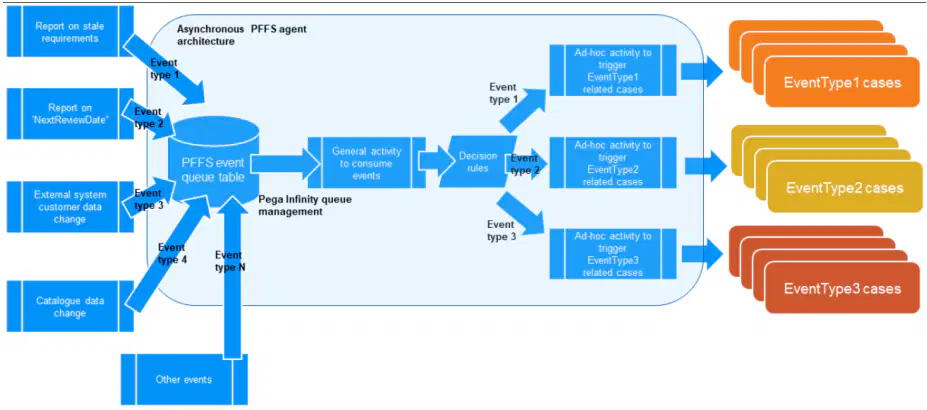
Which is the Service-Oriented Architecture
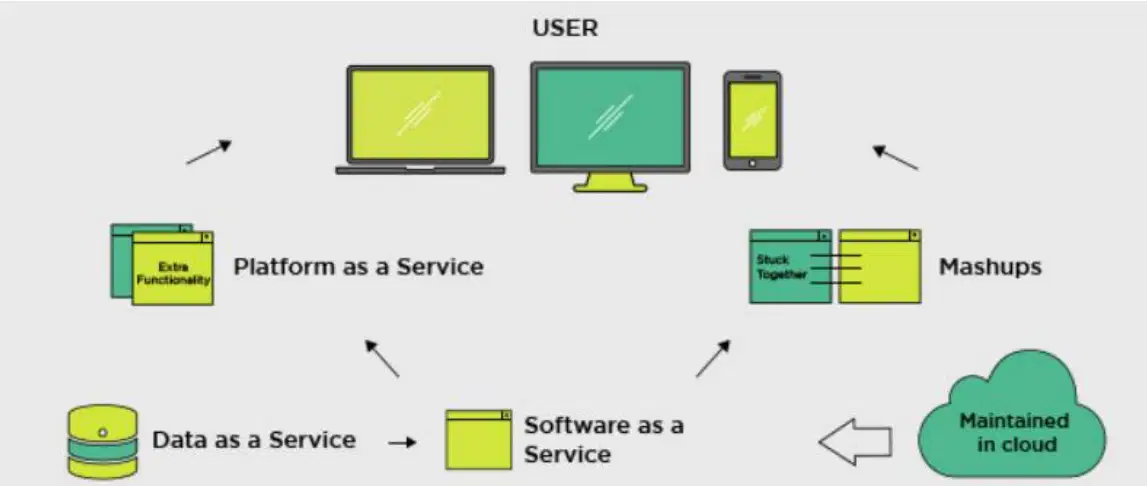
Which is the Publish-Subscribe Pattern
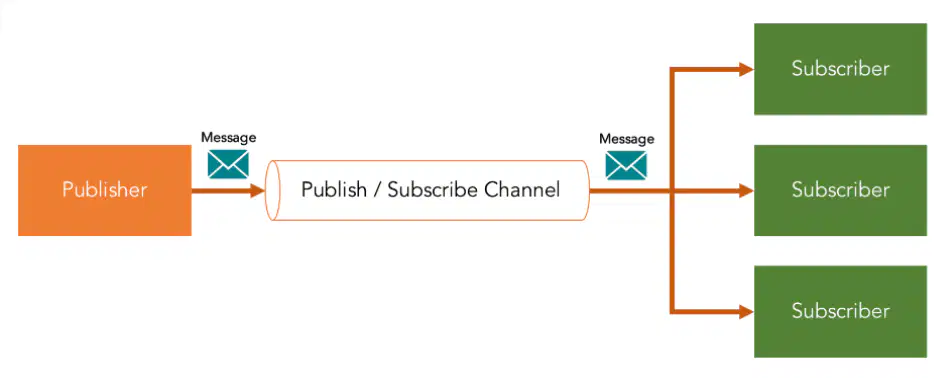
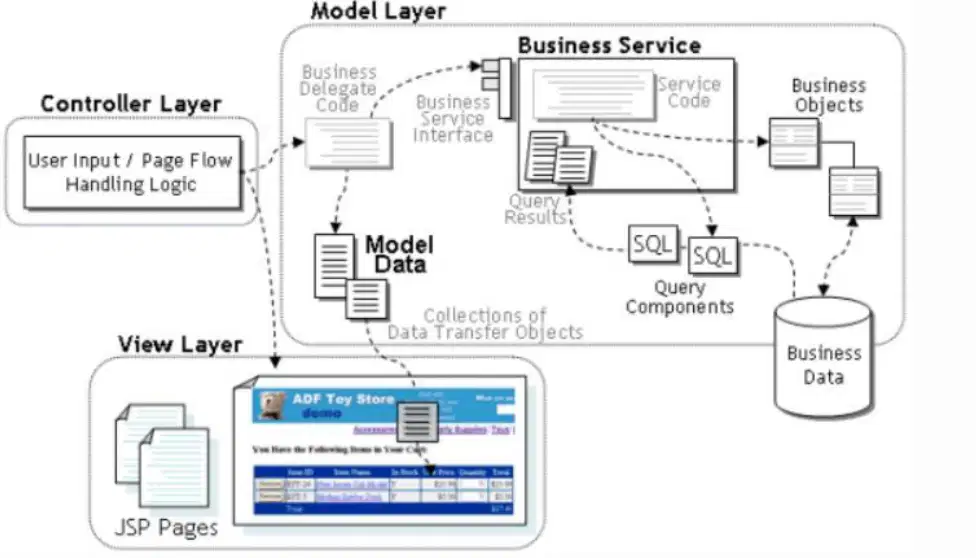
Which is the Model-View-Controller
Which is the Event Sourcing
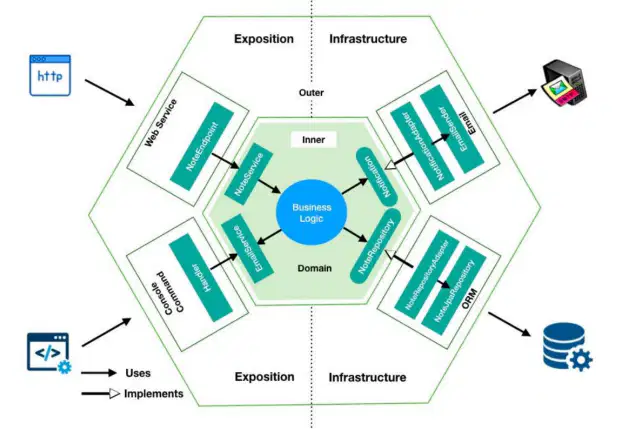
Which is the Hexagonal Architecture
It refers to the process of combining different subsystems, components, or applications within an organization to work together as a unified and cohesive system.
It involves connecting and integrating diverse hardware, software, databases, and interfaces to enable seamless data exchange, communication, and interoperability.
Architectural styles and patterns
Systems Integration
Provide standardized approaches and guidelines for designing software systems and applications.
They help architects and developers make informed decisions regarding the system's structure, organization, and interactions.
Architectural styles and patterns
Systems Integration
_______ divides the system into logical layers, each responsible for specific functionalities.
Organized hierarchically
Client-Server Architecture
Microservices Architecture
Layered Architecture
Event-Driven Architecture
This architecture promotes scalability, as multiple clients can interact with the same server.
Client-Server Architecture
Microservices Architecture
Layered Architecture
Event-Driven Architecture
decomposes a system into small, independent services that can be developed, deployed, and scaled independently.
Each service focuses on a specific business capability and communicates with other services through lightweight protocols like HTTP or messaging.
promote flexibility, scalability, and the ability to adopt different technologies for each service
Client-Server Architecture
Microservices Architecture
Layered Architecture
Event-Driven Architecture
Components or services communicate by producing and consuming events or messages.
Triggers actions or reactions in other components, enabling loose coupling and asynchronous communication.
Well suited for real-time, event-based systems and scalable applications.
Client-Server Architecture
Microservices Architecture
Layered Architecture
Event-Driven Architecture
Emphasizes the organization of software systems as a collection of services that communicate with each other.
Services are self-contained, loosely coupled, and encapsulate specific functionalities.
They expose well-defined interfaces and can be reused across different applications and platforms. Promotes interoperability, modularity, and flexibility in system design.
Client-Server Architecture
Microservices Architecture
SOA
Event-Driven Architecture
Provides a layer of abstraction between the application and the data persistence layer.
It encapsulates data access logic and provides a consistent interface to interact with the underlying data storage.
Simplifies data retrieval, modification, and querying by abstracting away the details of the data storage implementation.
Client-Server Architecture
Repository Pattern
SOA
Event-Driven Architecture
The state of an application is derived by capturing and storing events rather than just storing the current state.
Each event represents a change in the application's state and is stored in an event log.
The application's current state can be reconstructed by replaying the events in the log. Provides auditability, scalability, and the ability to track and analyze changes over time
Event Sourcing
Repository Pattern
SOA
Event-Driven Architecture
Enables communication between components by broadcasting messages to multiple subscribers.
Publish-Subscribe Pattern
Repository Pattern
SOA
Event-Driven Architecture
Promotes the separation of the core business logic from external dependencies. It consists of an inner core, which contains the essential business rules and operations, and outer layers or ports and adapters that handle input/output and communication with external systems.
Hexagonal Architecture
Repository Pattern
SOA
Event-Driven Architecture
This architectural pattern separates the application into three main components
MVC
Repository Pattern
SOA
Event-Driven Architecture
In Service-Oriented Architecture this service type is critical for business applications.
Functional services
Enterprise services
Application services
Infrastructure services
In Service-Oriented Architecture this service type is used to develop and deploy apps.
Functional services
Enterprise services
Application services
Infrastructure services
In Service-Oriented Architecture this service type serves to implement functionality
Functional services
Enterprise services
Application services
Infrastructure services
This component in Service-Oriented Architecture defines how a service provider will execute requests from a service consumer.
The interface
The contract
The implementation
Which component in Service-Oriented Architecture is the service code
The interface
The contract
The implementation
This component in Service-Oriented Architecture defines how the service provider and service consumer should interact.
The interface
The contract
The implementation
In Service-Oriented Architecture this service type is instrumental for backend processes like security and authentication.
Functional services
Enterprise services
Application services
Infrastructure services
This is a Common Data Integration Approach wherein Data from different sources is manually entered into a central system or database.
Data Manual Entry
Extract, Transform, Load (ETL)
Enterprise Service Bus (ESB)
Change Data Capture (CDC)
Data Replication
This is a Common Data Integration Approach provide a standardized way for applications to interact and exchange data with each other
Data Manual Entry
Extract, Transform, Load (ETL)
Enterprise Service Bus (ESB)
Change Data Capture (CDC)
Application Programming Interfaces
This is a Common Data Integration Approach allows users to access and query data from multiple sources as if it were stored in a single location. It creates a virtual layer that abstracts the underlying data sources, providing a unified and integrated view of the data.
Data Manual Entry
Data Virtualization
Enterprise Service Bus (ESB)
Data Federation
Data Replication
This is a Common Data Integration Approach involves accessing and querying data from multiple sources in real-time without physically integrating the data. It relies on metadata and data access services to retrieve and combine data from different sources on the fly.
Data Manual Entry
Data Virtualization
Enterprise Service Bus (ESB)
Data Federation
Data Replication
This is a Common Data Integration Approach which ensures that data in multiple systems remains consistent by keeping them updated with each other. It involves identifying changes in source systems and applying those changes to the target systems. Some of the data synchronization techniques are database triggers, replication, messaging systems, or custom synchronization processes.
Data Manual Entry
Data Virtualization
Data Synchronization
Application Programming Interfaces (APIs)
Data Replication
This is a Common Data Integration Approach wherein It involves extracting data from multiple source systems, transforming the data into a consistent format, and loading it into a target system or data warehouse. It handle data cleansing, data validation, data transformation, and data enrichment.
Data Manual Entry
Extract, Transform, Load (ETL)
Enterprise Service Bus (ESB)
Change Data Capture (CDC)
Data Replication
This is a Common Data Integration Approach wherein It involves creating and maintaining copies of data from source systems to target systems. It can be performed at the database level or the application level. Database replication techniques include master-slave replication, multi-master replication, and peer-to-peer replication.
Data Manual Entry
Extract, Transform, Load (ETL)
Enterprise Service Bus (ESB)
Change Data Capture (CDC)
Data Replication
This is a Common Data Integration Approach wherein A middleware infrastructure that facilitates communication and integration between various systems and services. It provides routing, transformation, and mediation capabilities, enabling data to be exchanged between systems with different protocols and formats.
Data Manual Entry
Extract, Transform, Load (ETL)
Enterprise Service Bus (ESB)
Change Data Capture (CDC)
Data Replication
This is a Common Data Integration Approach wherein it captures and propagates only the changes made to source data since the last synchronization. It monitors data changes in the source systems and captures the modified data to update the target system accordingly.
Data Manual Entry
Extract, Transform, Load (ETL)
Enterprise Service Bus (ESB)
Change Data Capture (CDC)
Data Replication
These are example of Integration Platforms except for: (Choose all that applies)
MuleSoft Anypoint
IBM Integration Bus
Dell Boomi
Apache Kafka
Enterprise Service Bus
What are the three components in Service-Oriented Architecture.
The interface
The contract
The enterprise
The implementation
The application
These are example of Middleware except for: (Choose all that applies)
Message Queue Middleware
Jitterbit
SnapLogic
Java Message Service (JMS)
Remote Procedure Call (RPC)
In Service-Oriented Architecture these are the different Service Types except for: (Choose all that applies)
Functional services
Enterprise services
Application services
Infrastructure services
Implementation services
These are example of Integration Technologies except for: (Choose all that applies)
IBM Integration Bus
Message Queueing
Extract, Transform, Load (ETL)
Java Message Service (JMS)
File Transfer Protocols (FTP)
In MVC pattern the _____ represents the application's data and business logic
Controller
View
Model
In MVC pattern the _____ displays the model's data and interacts with the user.
Controller
View
Model
In MVC pattern the _____ handles user input, updates the model, and manages the flow of data between the model and the view.
Controller
View
Model
(a) are comprehensive solutions that enable the seamless integration of different systems and applications
(a) refers to the process of combining data from multiple sources and providing users with a unified view of the integrated data.
Integration platforms simplify the complexity of integrating heterogeneous systems, streamline data flows, and support real-time or batch-based integration scenarios
True
False
Service-Oriented Architecture (SOA) has an application scope, while the Microservices Architecture has an enterprise scope.
True
False
Apache Kafka can handle publishing, subscribing to, storing, and processing event streams in real time.
True
False
Integration Techniques and Patterns refers to approaches and strategies used to connect and combine various software systems, components, or services to enable them to work together seamlessly
True
False
Apache Kafka supports a limited range of use cases where high throughput and scalability are not vital, and by maximizing the need for point-to-point integrations for data sharing in certain applications, it can increase latency to milliseconds.
True
False
The source of an event cannot be from internal or external inputs. Events cannot generate from a user, like a mouse click or keystroke, an external source, such as a sensor output, or come from the system, like loading a program.
True
False
Integration platforms provide a decentralized environment for designing, implementing, and managing integrations. They typically lack features such as data mapping and transformation, workflow orchestration, connectivity adapters, monitoring, and governance capabilities.
True
False
Middleware refers to the software layer that resides within the operating system. It does not act as a mediator or facilitator and does not enable communication, data exchange, or interaction between different software components, systems, or services.
True
False
An event is not the same as an event notification, which is a message or notification sent by the system to notify another part of the system that an event has taken place.
True
False
Middleware provides a set of services and functionalities that abstract the underlying complexities of the systems being integrated, making it easier to develop, deploy, and manage distributed applications.
True
False
Integration technologies encompass a wide range of tools, protocols, and approaches that facilitate the integration of systems, applications, and data. These technologies enable seamless communication, data exchange, and interoperability between disparate components within an organization.
True
False
SOA does not promote interoperability, modularity, and flexibility in system design.
True
False
SOA emphasizes the organization of software systems as a collection of services that communicate with each other.
True
False
(a) is a type of Microservices Architecture where all the functionalities of a project exist in a single codebase.
An (a) is any significant occurrence or change in state for system hardware or software.
(a) distributed data streaming platform that is a popular event processing choice.
(a) refers to the process of connecting and enabling communication between different software applications, systems, or components to work together seamlessly.
A common application integration technique that involves establishing direct connections between individual applications or systems. This approach requires creating custom interfaces or connectors to facilitate data exchange and communication between specific applications.
Point-to-Point Integration
Message-Oriented-Middleware (MOM)
Service-Oriented Architecture (SOA)
Application Programming Interfaces (APIs)
Enterprise Service Bus (ESB)
A common application integration technique that provides a messaging infrastructure that allows applications to communicate through the exchange of messages. • Applications send and receive messages via a messaging system, which acts as a central hub for message routing and delivery.
Point-to-Point Integration
Message-Oriented-Middleware (MOM)
Service-Oriented Architecture (SOA)
Application Programming Interfaces (APIs)
Enterprise Service Bus (ESB)
An architectural style where applications are designed as a collection of services that have well-defined interfaces.
Point-to-Point Integration
Message-Oriented-Middleware (MOM)
Service-Oriented Architecture (SOA)
Application Programming Interfaces (APIs)
Enterprise Service Bus (ESB)
A common application integration technique that can be used for both internal and external integration, allowing applications to interact, exchange data, and invoke specific functions or services.
Point-to-Point Integration
Message-Oriented-Middleware (MOM)
Service-Oriented Architecture (SOA)
Application Programming Interfaces (APIs)
Enterprise Service Bus (ESB)
A common application integration technique that provides a centralized hub for routing, transformation, and mediation of messages between applications. It can handle different communication protocols, data formats, and message routing patterns, allowing applications to integrate with each other more easily
Point-to-Point Integration
Message-Oriented-Middleware (MOM)
Service-Oriented Architecture (SOA)
Application Programming Interfaces (APIs)
Enterprise Service Bus (ESB)
These techniques involve extracting data from source applications, transforming it as necessary, and loading it into target applications or databases. Data integration ensures data consistency and availability across multiple applications.
Point-to-Point Integration
Message-Oriented-Middleware (MOM)
Data Integration and Data Replication
Business Process Management (BPM)
Enterprise Service Bus (ESB)
It provides a comprehensive set of tools, technologies, and frameworks for application integration. These platforms often include features such as connectors, adapters, message queues, data transformation capabilities, and workflow engines.
Point-to-Point Integration
Event-Driven Architecture (EDA)
Data Integration and Data Replication
Business Process Management (BPM)
Middleware and Integration Platforms
It involves orchestrating and automating business processes that span multiple applications. Provide capabilities for modeling, executing, and monitoring complex workflows involving various applications and systems. Enables the integration of applications at the process level, coordinating their interactions and data exchanges.
Point-to-Point Integration
Message-Oriented-Middleware (MOM)
Data Integration and Data Replication
Business Process Management (BPM)
Enterprise Service Bus (ESB)
It is an architectural pattern where applications communicate and react to events or messages. It enables asynchronous and loosely coupled integration, where applications can react to events in real-time and trigger appropriate actions or workflows
Point-to-Point Integration
Event-Driven Architecture
Data Integration and Data Replication
Business Process Management (BPM)
Enterprise Service Bus (ESB)
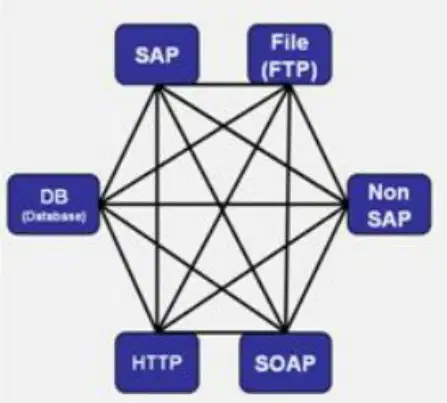
Which Application Integration Diagram is a Point-to-Point Integration?
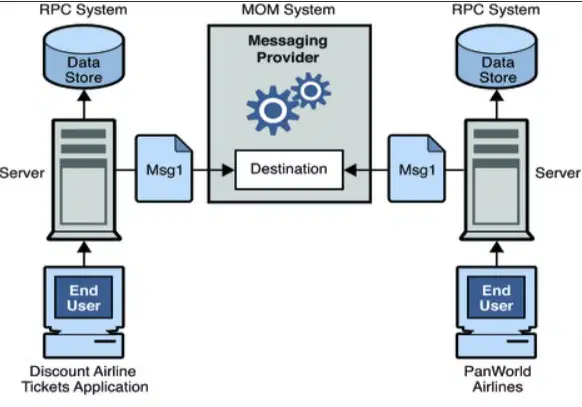
Which Application Integration Diagram is a Message-Oriented-Middleware?
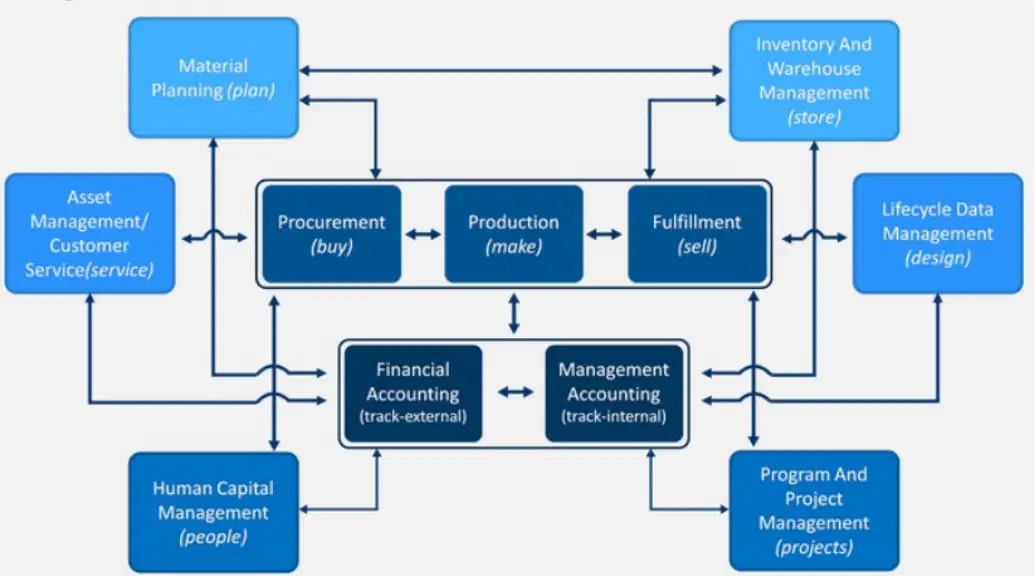
What diagram is this?
(a)
Orchestration does not refer to a centralized approach to service integration. In this pattern, there is no central entity, often referred to as an orchestration engine or a workflow engine, that controls and coordinates the interactions between services. The orchestrator does not define the sequence of activities and the flow of data between the services involved in a particular business process.
True
False
Choreography, on the other hand, follows a decentralized approach to service integration. Instead of a central orchestrator, services communicate directly with each other based on pre-established contracts or message formats. Each service understands its own responsibilities and how to interact with other services based on these contracts
True
False
(a) refers to a centralized approach to service integration. In this pattern, there is a central entity.
(a) , follows a decentralized approach to service integration. Each service understands its own responsibilities and how to interact with other services based on these contracts.
Which of these diagram of Service Integration Pattern is Choreography
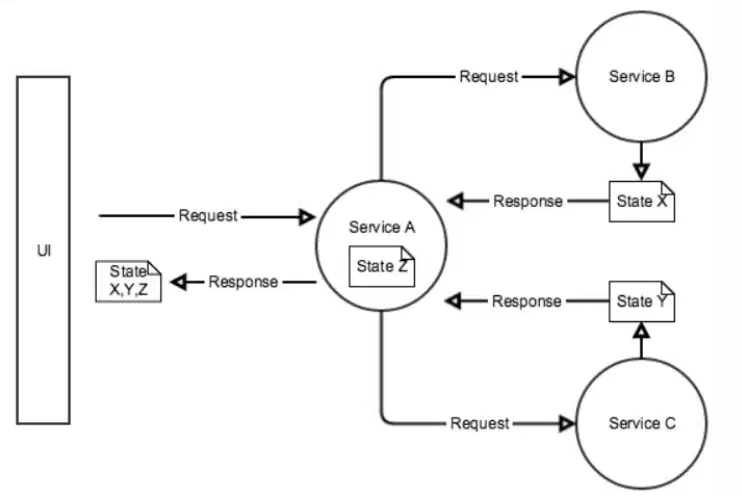
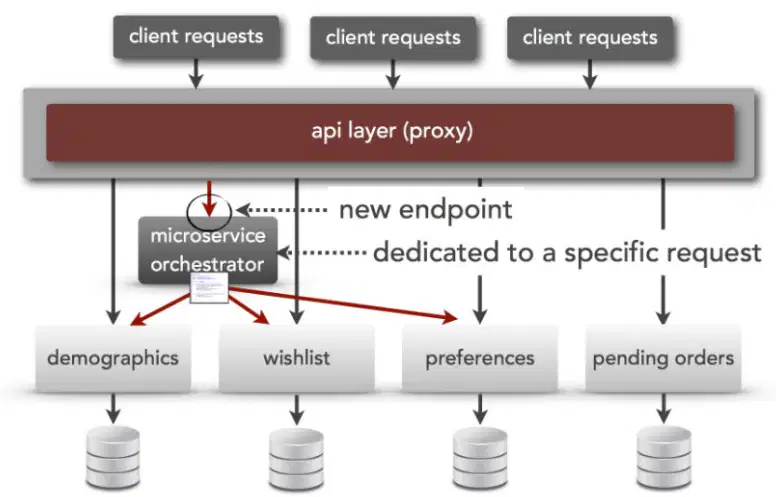
Which of these diagram of Service Integration Pattern is Orchestration
(a) refers to the set of policies, processes, and practices that organizations put in place to manage and oversee the integration of various systems, applications, data, and processes within their IT infrastructure.
The main goal of integration governance is to ensure that different components of the organization's technology landscape work together effectively and efficiently, enabling seamless communication and data flow across the entire enterprise.
True
False
All are key aspects of integration governance except for: (Choose all that applies)
Standards and Guidelines
Architecture and Design
Data Management
Security and Compliance
Data Security
TOGAF stands for?
(a)
COBIT stands for?
(a)
(a) Provides a comprehensive approach to designing, planning, implementing, and governing enterprise information architecture. Used for establishing integration standards, policies, and governance structures within an enterprise architecture framework.
(a) A framework for developing, implementing, monitoring, and improving IT governance and management practices. • Used for defining governance policies for integration processes, ensuring alignment with business goals and compliance requirements.
(a) This involves uniquely identifying individuals or entities within the system. This can be done through usernames, email addresses, employee IDs, or any other unique identifier.
(a) It is the process of verifying the claimed identity of a user or entity.
IAM stands for?
(a)
The primary goal of (a) is to provide appropriate access to the right individuals (users, employees, partners, customers) for the right reasons (based on their roles and responsibilities) and to restrict access to unauthorized individuals.
(a) determines what actions or resources the authenticated user is allowed to access. This is based on predefined policies and roles.
IAM systems often use Permissions to group individuals with similar job functions and responsibilities. Roles are then associated with these permission to control access to specific resources or actions.
False
True
(a) is a convenience feature of IAM that allows users to access multiple applications or systems with just one set of login credentials. Once authenticated to one system, the user can seamlessly access other authorized systems without entering credentials again
(a) focuses on controlling and monitoring access to critical or sensitive resources. It ensures that privileged accounts (administrators, IT staff) are only granted access when necessary and for specific tasks.
IAM systems handle the entire identity lifecycle, including provisioning (creating accounts), deprovisioning (removing accounts), and managing changes to access rights during an individual's employment or affiliation with the organization.
False
True
(a) enables trust relationships between different organizations, allowing users from one organization to access resources in another without having separate accounts.

