
 Worksheets
Separation of Substances
Total questions: 170
Worksheet time: 1hrs 29mins
What is the process of separating cream from milk by churning called?
Blending
Buttering
Churning
Whipping
Which type of substance contains only one type of particle?
Element
Mixture
Compound
Solution
What is a substance that contains more than one type of particle known as?
mixture
solution
element
compound
What is the process of a solid changing directly into a gas without passing through the liquid state?
Condensation
Vaporization
Melting
Sublimation
In a solution, what is the component that is dissolved in the solvent called?
solute
solvent
diluent
mixture
What is the process of changing a gas into a liquid state called?
Evaporation
Sublimation
Solidification
Condensation
Which method of separation is used to separate heavier and lighter components of a mixture by wind or blowing air?
Distillation
Sifting
Blending
Winnowing
Which method of separation is used to separate grains from the harvested crop?
Plowing
Sieving
Winnowing
Threshing
Which method of separation involves manually picking out unwanted substances from a mixture?
handpicking
grabbing
sorting
scooping
What is the process of separating lighter husk particles from heavier grains by wind called?
Winnowing
Sifting
Sorting
Blending
Which method of separation involves beating the harvested crop to separate grains from the stalks?
Winnowing
Threshing
Fermentation
Sieving
What is the process of separating substances based on their physical properties such as size, shape, or color?
Evaporation
Filtration
Chromatography
Distillation
What is the process of separating a solid from a liquid by allowing the liquid to evaporate and leaving behind the solid residue?
Condensation
Filtration
Sublimation
Evaporation
Which method of separation is used to separate a soluble solid from a liquid by heating the liquid and collecting the solid residue upon cooling?
Sublimation
Crystallization
Decantation
Filtration
What is the process of separating a liquid from a solution by heating the solution and collecting the condensed liquid upon cooling?
Filtration
Condensation
Distillation
Evaporation
NIMBU PAANI/LEMONADE IS A MIXTURE OF
LEMON JUICE AND WATER
LEMON JUICE AND SUGAR
LEMON JUICE, SUGAR AND WATER
TAP WATER IS A MIXTURE OF
WATER AND MANY DISSOLVED SALTS
SUGAR AND WATER
RAIN WATER AND CREAM
SEA WATER IS A MIXTURE OF
WATER AND COMMON SALT
WATER AND SEVERAL SALTS
WATER AND OXYGEN
WOOD IS A MIXTURE OF
WATER AND CREAM
WATER AND CELLULOSE
WATER AND SUGAR
MIXTURES ARE MADE UP OF
TWO OR MORE ELEMENTS
TWO OR MORE ELEMENTS AND COMPOUNDS
TWO OR MORE COMPOUNDS
ANY OF THE ABOVE
AIR IS A MIXTURE OF
SEVERAL GASES
WATER VAPOURS AND SMOKE PARTICLES
DUST
ALL OF THE ABOVE
CONSTITUENTS OF MIXTURE ARE EVENLY SPREAD IN
HOMOGENOUS MIXTURE
HETEROGENOUS MIXTURE
CONTITUENTS OF A MIXTURE CAN BE IN ANY RATIO: T/F
TRUE
FALSE
PURE WATER BOILS AT
89 DEG F
100 DEG F
100 DEG C
150 DEG C
SEPARATION OF MIXTURES INTO THEIR CONSTITUENTS IS OFTEN NECESSARY TO..
TO REMOVE UNDESIRABLE CONSTIUENTS
TO OBTAIN USEFUL CONSTITUENTS
TO OBTAIN PURE SUBSTANCES
ALL OF THE ABOVE
PROPERTIES COMMONLY USED TO SEPARATE SOLIDS FROM A MIXTURE OF SOLIDS ARE
COLOUR, SHAPE AND WEIGHT
MAGNETIC PROPERTY
SIZE AND SOLUBILITY IN WATER
ALL OF THE ABOVE
IF A SUBSTANCE CONTAIN TWO OR MORE KINDS OF MOLECULES, IT IS CALLED
ELEMENT
COMPOUND
MIXTURE
NONE OF THE ABOVE
IF THE SUBSTANCE HAS FIXED MELTING AND BOILING POINTS, WE CAN SAY
THE SUBSTANCE IS HETEROGENOUS MIXURE
THE SUBSTANCE IS HOMOGENOUS MIXTURE
THE SUBSTANCE IS PURE ELEMENT OR COMPOUND
ALL OF THE ABOVE
THE PARTICLES THAT SETTLE DOWN IN SEDIMENTATION ARE CALLED
FILTRATE
SEDIMENT
SOLUTE
ALL OF THE ABOVE
GERMS IN WATER ARE KILLED BY ADDING
OXYGEN
HYDROGEN
CHLORINE
MAGNESIUM
PROCESS OF CONVERSION OF WATER VAPOUR INTO LIQUID IS CALLED
EVAPORATION
DISTILLATION
CONDENSATION
ALL OF THE ABOVE
CHOOSE THE FALSE STATEMENT
WATER IS CALLED UNIVERSAL SOLVENT
SATURATED SOLUTION CAN BE COOLED TO ADD MORE SOLUTE
SOLUBILITY OF GASES IN WATER INCREASES WITH TEMPERATURE
SUBSTANCES SUCH AS WOODTHAT DO NOT DISSOLVE IN WATER ARE CALLED INSOLUBLE IN WATER
PROPERTY USED IN SEPARATING A MIXTURE OF TWO SOLIDS BY WINNOWING IS
DIFFERENCE IN COLOR
DIFFERENCE IN WEIGHT
ONE IS MAGNETIC
ALL OF THE ABOVE
WHICH OF THE FOLLOWING CAN DISSOLVE IN WATER
ONLY SOLIDS
ONLY LIQUIDS
ONLY SOLIDS AND LIQUIDS
SOLIDS, LIQUIDS AND GASES
SEDIMENTATION AND DECANTATION ARE USEFUL TO SEPARATE
IMMISCIBLE LIQUIDS
SOLUBLE SOLID FROM LIQUID
INSOLUBLE SOLID FROM LIQUID
INSOLUBLE SOLID FROM LIQUID WHERE THE SOLID IS HEAVIER THAN THE LIQUID
During _________________ the solid particles that settle down forming a layer are called sediments
Decantation
Condensation
Evaporation
sieving
Sedimentation
the process of converting a liquid form to its vapour form is
Decantation
Condensation
Sedimentation
Evaporation
Which process uses a paper to catch the solids?
Sedementation
Decantation
Filtration
Evaporation
How do you separate water from milk?
Evaporation
Filtration
Condensation
Sedimantation
How do you separate sand from water ?
Decantation
Sedimentation
Filtration
Evaporation
How do you separate sugar from water?
Evaporation
Decantation
Sedimentation
Condensation
How do you separate grains from chaff?
Winnowing
Threshing
Sieving
Handpicking
how do you separate husks from chaff?
threshing
sieving
handpicking
winnowing
which process do we use to get salt from sea water
decantation
evaporation
condesation
distillation
By which process is oil and vinegar is commonly separated?
Sedimentation
Decantation
Condensation
Distillation
How are grain seeds removed from their stalks?
Sieving
Winnowing
Threshing
All of the above
What is a mixture?
A chemical combination of two or more different substances.
A physical combination of two or more different substances.
A chemically pure substance.
A special type of solution
When the solute dissolves into a solvent and disappears it is called a _____________.
MIxture
Solution
Solvent
None of the above
Pure substances are made up of the same kind of atoms.
True
False
Which of the following is not a homogeneous mixture?
Oxygen in water
Tea
Sugar and water
Fried rice
Lemonade is a special mixture called a
substance
solution
plasma
ingredient
Hand picking method is effective in
solid mixture
Liquid mixture
Gaseous mixture
None of these
Butter is separated by curd
Filtration
churning
heating
sieving
The process of making mud particles heavy with alum
Decantation
Loading
Filtration
Condensation
The method that is used to obtain pure salt from impure salt is
Decantation
Crystallisation
Evaporation
Condensation
How are grain seeds removed from their stalks?
Sieving
Winnowing
Threshing
All of the above
What is a mixture?
A chemical combination of two or more different substances.
A physical combination of two or more different substances.
A chemically pure substance.
A special type of solution
When the solute dissolves into a solvent and disappears it is called a _____________.
MIxture
Solution
Solvent
None of the above
Pure substances are made up of the same kind of atoms.
True
False
Which of the following is not a homogeneous mixture?
Oxygen in water
Tea
Sugar and water
Fried rice
Lemonade is a special mixture called a
substance
solution
plasma
ingredient
A fruit salad is a
solution
mixture
Which of the following is essential to perform winnowing activity?
Wind
Water
Magnet
Filter paper
While preparing chapatis, Nitya found that the flour to be used was mixed with wheat grains. Which out of the following is the most suitable method to separate the grains from the flour?
Threshing
Sieving
Winnowing
Filtration
Hand picking method is effective in
solid mixture
Liquid mixture
Gaseous mixture
None of these
No substance in nature is 100 percent ___________
Pure
Mixture
Impure
None of these
Anything that has mass and occupies space is called_______
Material
Matter
Substance
None of these
Materials that allow light to pass through it is called____
Opaque
Translucent
Transparent
None of these
A special kind of shine present on natural materials or shine appears when they freshly cut or rubbed with sand paper is called___________
Non-lustre
Lustre
None of these
Common salt is ________ in water.
Insoluble
Soluble
Floats
Sink
A substance which is used in making objects is called __________
Matter
Material
Substance
All the above
Tea leaves are separated from tea by the process of,
Evaporation
Filtration
Sedimentation
Decantation
Diamond is a (a) material.
A mixture of salt and water can be separated by (a)
Which of the combinations is the odd one out?
Ink and water
Milk and water
Oil and water
Lime juice and water
Mohan able to bend the rod because it is,
Light
Hard
Water proof
Flexible
Abhi bought an object. It is made of a hard material. It is fragile(easy to break) and allows light to pass through it . What can the object be?
Shoes
Mirror
Cricket bat
Fish tank
Which of the following is NOT a bad conductor of heat?
Wooden ruler
Plastic ruler
Iron ruler
All of these
Which of the following is NOT attracted by a magnet?
Iron
Nickel
Chalk
Cobalt
Door locks are made of metals. Which property of metals is made use of?
They are lustre
They are opaque
They are good conductors of heat
They are hard and strong.
The process of settling down of particles of a solid in a liquid is
Sublimation
Sedimentation
Filtration
Decantation
Which of the following is essential to perform winnowing activity?
Wind
Water
Magnet
Filter paper
Hand picking method is effective in
solid mixture
Liquid mixture
Gaseous mixture
None of these
The solubility ____________ with increase in temperature.
doesn't change
decreases
increases
The process of changing solid to gas directly is ______
Evaporation
Condensation
Melting
Sublimation
Salt is obtained from sea water by __________
Sublimation
Filtration
Evaporation
Hand picking
While preparing chapatis, Paheli found that the flour to be used was mixed with wheat grains. Which out of the following is the most suitable method to separate the grains from the flour?
Threshing
Sieving
Winnowing
Filtration
Pure substances are made up of the same kind of atoms.
True
False
Which of the following is not a homogeneous mixture?
Oxygen in water
Tea
Sugar and water
Fried rice

Name the given process.
Sublimation
Threshing
Distillation
Magnetic separation

Identify the method of separation
Sedimentation
Decantation
Filtration
Distillation
Butter is separated from milk by
Sedimentation
Filtration
Churning
Decantation
Threshing is done by
Beating
Machine
Bullocks
All of these

Identify the process shown
Evaporation
Condensation
Filtration
Distillation
The property which forms the basis of sieving
Difference in the shape
Difference in the weight
Difference in the size
Difference in colour
A mixture of mustard oil and Kerosene oil can be separated by
Sedimentation
Separating funnel
Filtration
Distillation
A separation method which involves blowing of light particles by air
Winnowing
Sedimentation
Filtration
Threshing

Identify the separating process
Magnet
Sedimentation
Filtration
Threshing
The process of separating a pure substance in the form of crystals from its hot saturated solution by cooling is called
Crystallization
Filtration
Sedimentation
Decantation
Air and salt water is an example of
Compound
Homogeneous mixture
Element
Heterogeneous mixture
The process of settling down of particles of a solid in a liquid is
Sublimation
Sedimentation
Filtration
Decantation
The solubility ____________ with increase in temperature.
doesn't change
decreases
increases
While preparing chapatis, Paheli found that the flour to be used was mixed with wheat grains. Which out of the following is the most suitable method to separate the grains from the flour?
Threshing
Sieving
Winnowing
Filtration
What is the process that is used to separate grains from stalks called?
handpicking
threshing
sieving
winnowing
When is the solution saturated?
No more salt can be dissolved in the amount of water we have taken
Lot more salt can be added
You have to add some sugar into the solution
None of the above
When is the solution saturated?
No more salt can be dissolved in the amount of water we have taken
Lot more salt can be added
You have to add some sugar into the solution
None of the above

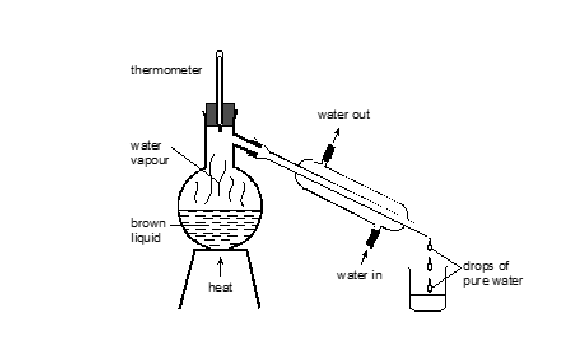
Which separation technique uses the apparatus shown in the diagram?
filtration
evaporation
distillation
chromatography


What separation technique does the picture show?
Sieving
filtering
magnetic separation
Distillation
What is the purpose of Filtration?
Separating and insoluble solid from a liquid
Separation of a mixture of 2 solids
Separates heavier substances from a suspension
Which of the following is essential to perform winnowing activity?
Wind
Water
Magnet
Filter paper
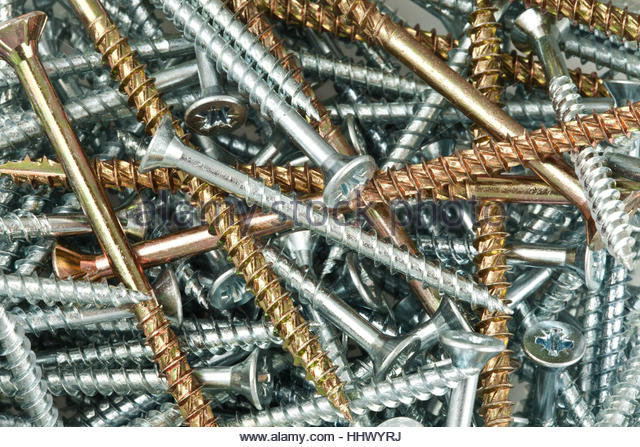
This method ______________can
be used for separating slightly larger
sized impurities like the pieces of dirt,
stone, and husk from wheat, rice or
pulses.
Handpicking
Threshing
Winnowing
Sieving
Filtration

In ________ the stalks are beaten to free
the grain seeds.
Winnowing
Threshing
Sieving
Filtration

In a________, impurities like a husk
and stones are removed from wheat
before grinding it.
Flour Mill
Separation Mill
Substances Association
Both flour and Separation mill

When the heavier component in a
mixture settles after water is added to
it, the process is called _______________.
Sedimentation
Decantation
Filtration
Winnowing
The process of conversion of water
into its vapour is called ____________.
Decantation
Sedimentation
Filtration
Evaporation

Common salt is then
obtained from this mixture of salts by
further ________________.
Decanataion
Sedimentation
Purification
Condensation

When the steam comes in contact
with the metal plate cooled with ice, it
__________and forms liquid water.
Purification
Sedimentation
Filtration
Condensation
What is Mixture?
A substance that is obtained by separating less than two kind of particles is called a Mixture.
A substance that is obtained by mixing more than one kind of particles is called a Mixture.
A substance that is obtained by mixing more than one kind of particles is called a Elements.
I don't know

What process is it ?
Distillation
Filtration
Decantation
Sedimentation
_______________ had found distillation and crystallisation techniques. He is also known as _______________________.
I don't know
Jabir Ibn Hayyan
Father of Modern Physics
Jabirpotter Haryan
Father of Modern Chemistry
What is Supernatant?
The clear liquid that remains above the sediments are called Supernatant.
Sedimentation , Decantantion
The clear liquid that remains above the sediments are called Dinosaur.
The frozen liquid that remains below the decantation are called Supernatant.
Define: Threshing ?
Hand picking is the process of separating grain from the harvested Husk.
I don't Know
Winnowing is the process of which mix grain from the harvested stalks.
Threshing is the process of separating grain from the harvested stalks.

What type of Appearance is it?
Non-Lustrus
I don't know
Lustrus
Both A and B
Choose the correct option for: Magnetic separation and Sieving


Can we separate water and sand yes means which method?
Loading
Decantation
Sedimentation
Filtration
Heterogeneous examples are____________ and ____________
Seawater
Granite
Muddy water
Air

I don't Know
Threshing
Winnowing
Hand-picking
Winnowing is the process of separating __________ from ___________ is known as Winnowing.
Grains and Harvested stalks.
Grains and Husk
Grains and Sand
Sand, Husk, Iron man and I don't know
How to separate salt from sea water by _________________ method?
Condenstation
Sedimentation
Distillation
Evaporation
What is a Solvent?
A solvent is a substance which is present in smaller amount in the solution
A solvent is a substance which is present in larger amount in the solution
A dinosaur is a substance which is present in larger amount in the solution
A solute is a substance which is present in larger amount in the solution
Solvent + Solute = ______________.
Solution
Solubility
Solvent
Solute
_____________ is a universal solvent
KEY
oil
Air
Water
The method of separating seeds of paddy from its stalks is called (a) .
When milk, cooled after boiling, is poured onto a piece of cloth the cream (malai) is left behind on it. This process of separating cream from milk is an
example of (a) .
Salt is obtained from seawater by the process of (a) .
Impurities settled at the bottom when muddy water was kept overnight in a bucket. The clear water was then poured off from the top. The process of separation used in this example is called (a) .
A mixture of milk and water can be separated by filtration.
TRUE
FALSE
A mixture of powdered salt and sugar can be separated by the process of winnowing.
TRUE
FALSE
Separation of sugar from tea can be done with filtration.
TRUE
FALSE
Grain and husk can be separated with the process of decantation.
TRUE
FALSE
Substances in which solute dissolves is called __________.
solute
solvent
saturation
none of the above
A mixture is a material made by mixing two or more substances which can be easily separated.
true
false
When the heavier component of a mixture settle down in the container, it is called sedimentation.
true
false
The process of conversion of water into vapor is called condensation.
true
false
The method used to separate cream from milk is called centrifugation.
true
false
The opposite process evaporation is condensation.
true
false

Name this following method-
threshing
handpicking
winnowing
none of these

Identify and name the image-
Handpicking
threshing
sieving
filtration

Identify and name the image-
threshing
winnowing
handpicking
filtration
Name the method by which we get salt from ocean water.
condensation
evaporation
both a and b
none of the above

Identify and name the image:
threshing
sieving
churning
threshing
Husk is separated from rice by __________.
churning
winnowing
evaporation
none of these
The process of conversion of water into its liquid is called condensation.
true
false
Oil mixed in water is the process of decantation.
true
false
Iron powder mixed with flour is in the magnetic process.
true
false

Identify and name the images-
strainer
straner
stranner
straymer
A sieve is also known as chhalni.
true
false

Identify and name the image.
harvester
harvest
harwester
none of the above

Identify and name the image.
greet
greeter
graeater
grater
Alum is added to the muddy water to make the mud heavy and settle down, this process is known as loading
true
false
The process of changing solid to gas directly is ______
Evaporation
Condensation
Melting
Sublimation
You might have observed the preparation butter from cream at home. Which method(s) can be used to separate butter from the residue?
evaporation
centrifugation
filtration
sedimentation and decantation

Sawdust is not soluble in water. If, accidentally some particles of sawdust drop into a glass of water. How would you separate them from water?
Decanting
Filtering
Sieving
Distillation
A ______________ mixture is one that does not have a uniform composition.
heterogeneous
homogenous
pure substance

A material that allows liquids to pass through it, while very small solids remain behind as residue
Filter
Sieve
Funnel
Spoon

