
Font size
 Worksheets
TS2011FP Integrated Hospitality Operations Quiz
Total questions: 1
Worksheet time: 13mins

What is the main purpose of a cash float in a till or register?
To cover customer's change
To generate reports
To pay suppliers
To increase revenue
What is the importance of matching the float with documentation?
To increase revenue
To cover customer's change
To ensure accuracy
To generate reports
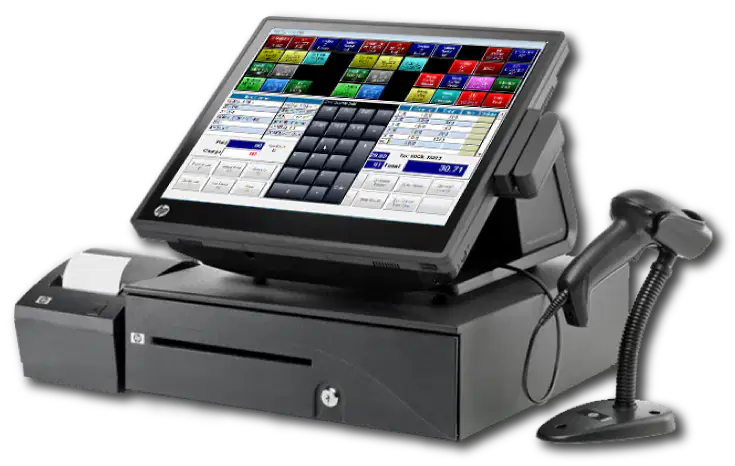
What are the components of an Electronic Point of Sale (EPOS) system?
POS Computer, Monitor, Keyboard, Receipt Printer
POS Computer, Monitor, Receipt Printer, Credit Card Reader
Monitor, Keyboard, Credit Card Reader, Cash Drawer
POS Computer, Monitor, Keyboard, Cash Drawer
What is the purpose of Goods and Services Tax (GST) imposed by the government?
To collect tax on goods and services
To ensure accuracy
To increase revenue
To cover customer's change
What is the service charge typically imposed in hotels and restaurants?
20%
15%
10%
5%
What is the security feature of genuine currency notes when held against the light?
Iridescent Stripe
Micro-Printing
Watermark
Security Thread
What is the security feature of genuine currency notes that is visible only when examined against a light?
Iridescent Stripe
Security Thread
Watermark
Micro-Printing
What is the purpose of stock taking and inventory control?
To track the quantity and value of items in storage, calculate cost of goods sold, and control losses
To increase waste and pilferage, and reduce the quality of food served
To ignore potential problem areas and avoid loss control
To focus solely on accounting without considering operational control
Why is it important to monitor the sell by/expiry date of F&B supplies?
To avoid tracking inventory levels and control losses
To speed up the inventory turnover and increase sales
To increase the shelf life of products and reduce costs
To ensure food safety and avoid consuming expired products
What are the characteristics of an effective control system for food and beverage operations?
Simple yet effective, flexible, and adaptable to different types of restaurants
Designed to increase waste and pilferage, and ignore cost control
Complex and time-consuming, rigid, and limited in scope
Focused on routines rather than planning, inflexible, and not scalable
What is the purpose of the Planning Phase in food and beverage control?
To ignore cost budgets and profit targets
To assess results and take corrective actions after events
To define financial and marketing policies, and set objectives for the operation
To focus on operational control and built-in checks
What are the three main sections of After Event Control in food and beverage operations?
Planning, operational control, and documentation
Front of the house, back of the house, and inventory control
Food and beverage reporting, assessment of results, and corrective actions
Purchasing, receiving, and storing and issuing
What is the primary purpose of a standard par stock in a bar?
To determine the maximum and minimum quantity of an item needed to meet anticipated needs
To increase the number of trips to the beverage storeroom
To ignore the quantity of items in storage
To reduce the average daily consumption at the bar
What are the areas of control in food and beverage operations?
Marketing, financial, and operational policies
Planning, operational control, and after event control
Front of the house, back of the house, purchasing, and documentation
Selling, preparing, and receiving

