
 Worksheets
Olamide's Quiz
Total questions: 55
Worksheet time: 1hrs 7mins
Blood moves back to your heart through _______.
your arteries
your veins
your capillaries
your toes
Where does the blood first go after leaving the heart?
outside of your body
to the lungs to get oxygen
to your brain
to your elbow
What organ is the center of your circulatory system?
brain
lungs
heart
blood cells


On a spinner, 6 spaces are blue and 4 are green. What is the ratio of green to blue spaces?
4:6
6:4
4:10
10:4


There are 4 birds and 6 snakes. What is the ratio of birds to snakes?
6/4
4/6
1/3
10/16
There are 15 boys to 12 girls in a class. if i want the ratio of boys to all students, What kind of ratio am I asking for?
part to part
no part
half part
part to whole
There are 15 boys to 12 girls in a class. if i want the ratio of girls to boys, what kind of ratio am I asking for?
part to part
half part
part to whole
no part


Write the ratio as a fraction in simplest form. 15 children out of 60 passengers
Write the ratio as a fraction in simplest form. 21 wins to 14 losses
6 losses to 13 wins
35 : 14
Select the Equivalent Ratio of 53
96
2012
156
109

Select ALL the Equivalent Ratios for 32
** HINT: 3 answers **
64
155
128
3020
1312
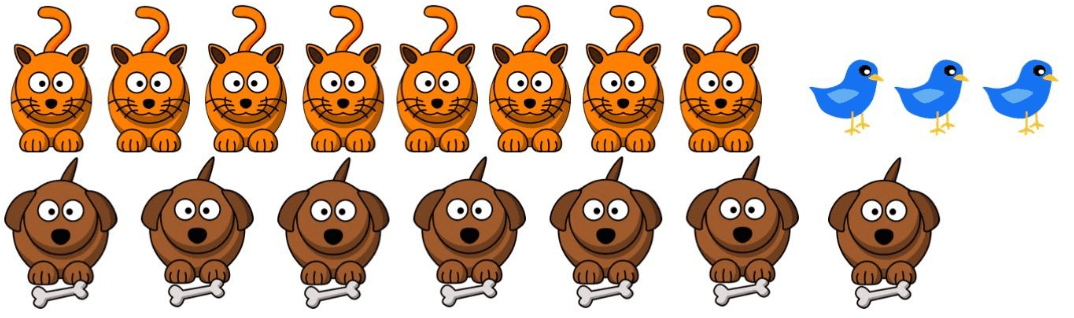
What is the ratio of birds to All Animals?
18 to 8
3 to 18
11 : 18
7 : 3
3 : 25
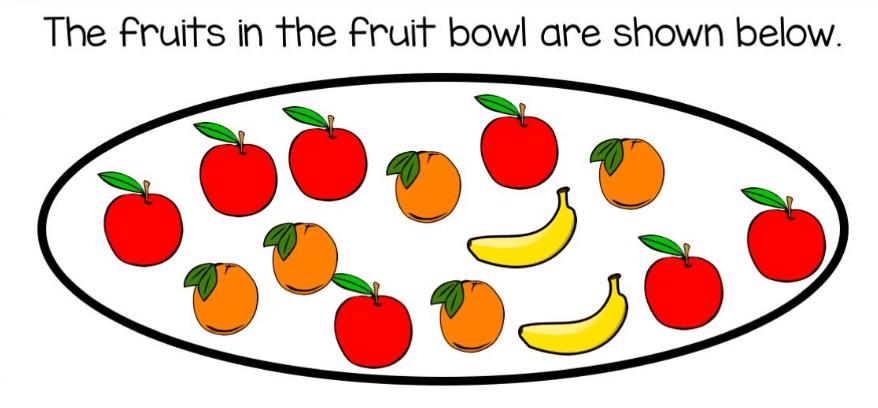
What is the ratio of bananas to apples?
2 : 14
2 to 7
5 : 7
7 to 2
What is a Ratio?
A Denominator
A comparison of two quantities
A Mixed Number
Order of Operations


What is the ratio of red apples to green apples
7 apples to 3 green
4 red apples to 7 apples
4 red apples to 3 green apples
3 green apples to 4 red apples
There are 4 birds and 6 snakes. What is the ratio of birds to snakes?
6/4
4/6
1/3
10/16


Find the missing value for the ratio.
56
48
7
72

Find the missing value for the ratio.
3
9
7
21
The circulatory system is made up of:
Heart, blood, arteries, veins and capillaries
Heart, ribs, and capillaries
Heart, arteries, thorax and lungs
What are the immediate effects of exercise on the body?
Heart beats faster, Temperature decreases, Breathing increases
Heart beats faster, Temperature Increases, Breathing decreases
Heart beats faster, Temperature Increases, Breathing increases
Heart beats faster, Cramp, Breathing increases
Identify one way to determine a person's heart rates.
put a hand on the heart to measure pulse
put a thumb on the wrist to measure pulse
put a thumb on the neck to measure pulse
put two fingers on the wrist to measure pulse
Which of the following is NOT part of the circulatory system?
heart
blood
bones
arteries
The heart is about the size and shape of your . . .
head
fist
hand
foot
Read each passage. Then answer each question carefully by choosing the best answer.
Many years ago I moved from the city to the country. One of the first things I did was to make large vegetable garden. It was hard work to change the grassy area to a fine garden. Imagine how much work it must have been for the early
pioneer families to break the native sod by hand. I planted a full garden that first year – everything from root vegetables like carrots and beets to green beans, corn, tomatoes, zucchini, acorn squash, and melons. A root vegetable means that we eat the root of the plant that grows in the soil instead of the part that grows above ground.My best friends Fritz and Heidi, both German shepherd dogs, loved to play out in the country. They enjoyed discovering all the new sniffs of rabbit trails and deer. A garden was something new to the dogs. At gardening time Heidi preferred to go exploring but Fritz would stay close to me and help.
Once in awhile I would find a cucumber at the side of the garden with dog teeth marks in it. Who do you think tasted the cucumbers? Since Heidi didn’t stay near the garden, it must have been Fritz!
One day Fritz went into the garden. He sniffed among the leaves of the melon vines growing close to the ground. Why, he had discovered ripe melons by their smell! Knowing when melons are just right to pick is very hard for humans. But Fritz knew the exact right time to pick each melon in the garden. From then on, Fritz was my best garden helper even if he did sometimes eat the cucumbers.
What kind of dogs are Fritz and Heidi?
German shepherds
Labrador retrievers
German short-hair pointers
Australian shepherds
Read each passage. Then answer each question carefully by choosing the best answer.
Many years ago I moved from the city to the country. One of the first things I did was to make large vegetable garden. It was hard work to change the grassy area to a fine garden. Imagine how much work it must have been for the early
pioneer families to break the native sod by hand. I planted a full garden that first year – everything from root vegetables like carrots and beets to green beans, corn, tomatoes, zucchini, acorn squash, and melons. A root vegetable means that we eat the root of the plant that grows in the soil instead of the part that grows above ground.My best friends Fritz and Heidi, both German shepherd dogs, loved to play out in the country. They enjoyed discovering all the new sniffs of rabbit trails and deer. A garden was something new to the dogs. At gardening time Heidi preferred to go exploring but Fritz would stay close to me and help.
Once in awhile I would find a cucumber at the side of the garden with dog teeth marks in it. Who do you think tasted the cucumbers? Since Heidi didn’t stay near the garden, it must have been Fritz!
One day Fritz went into the garden. He sniffed among the leaves of the melon vines growing close to the ground. Why, he had discovered ripe melons by their smell! Knowing when melons are just right to pick is very hard for humans. But Fritz knew the exact right time to pick each melon in the garden. From then on, Fritz was my best garden helper even if he did sometimes eat the cucumbers.
A root vegetable means ____________________________________
eating the root of the plant that grows in the soil instead of the part that grows above ground
eating the soil
eating the soil and the plants that grow above
none of the above
Read each passage. Then answer each question carefully by choosing the best answer.
Many years ago I moved from the city to the country. One of the first things I did was to make large vegetable garden. It was hard work to change the grassy area to a fine garden. Imagine how much work it must have been for the early
pioneer families to break the native sod by hand. I planted a full garden that first year – everything from root vegetables like carrots and beets to green beans, corn, tomatoes, zucchini, acorn squash, and melons. A root vegetable means that we eat the root of the plant that grows in the soil instead of the part that grows above ground.My best friends Fritz and Heidi, both German shepherd dogs, loved to play out in the country. They enjoyed discovering all the new sniffs of rabbit trails and deer. A garden was something new to the dogs. At gardening time Heidi preferred to go exploring but Fritz would stay close to me and help.
Once in awhile I would find a cucumber at the side of the garden with dog teeth marks in it. Who do you think tasted the cucumbers? Since Heidi didn’t stay near the garden, it must have been Fritz!
One day Fritz went into the garden. He sniffed among the leaves of the melon vines growing close to the ground. Why, he had discovered ripe melons by their smell! Knowing when melons are just right to pick is very hard for humans. But Fritz knew the exact right time to pick each melon in the garden. From then on, Fritz was my best garden helper even if he did sometimes eat the cucumbers.
What kind of dogs are Fritz and Heidi?
German shepherds
Labrador retrievers
German short-hair pointers
Australian shepherds
Read each passage. Then answer each question carefully by choosing the best answer.
Many years ago I moved from the city to the country. One of the first things I did was to make large vegetable garden. It was hard work to change the grassy area to a fine garden. Imagine how much work it must have been for the early
pioneer families to break the native sod by hand. I planted a full garden that first year – everything from root vegetables like carrots and beets to green beans, corn, tomatoes, zucchini, acorn squash, and melons. A root vegetable means that we eat the root of the plant that grows in the soil instead of the part that grows above ground.My best friends Fritz and Heidi, both German shepherd dogs, loved to play out in the country. They enjoyed discovering all the new sniffs of rabbit trails and deer. A garden was something new to the dogs. At gardening time Heidi preferred to go exploring but Fritz would stay close to me and help.
Once in awhile I would find a cucumber at the side of the garden with dog teeth marks in it. Who do you think tasted the cucumbers? Since Heidi didn’t stay near the garden, it must have been Fritz!
One day Fritz went into the garden. He sniffed among the leaves of the melon vines growing close to the ground. Why, he had discovered ripe melons by their smell! Knowing when melons are just right to pick is very hard for humans. But Fritz knew the exact right time to pick each melon in the garden. From then on, Fritz was my best garden helper even if he did sometimes eat the cucumbers.
Pioneer families had a hard time gardening because ____________________.
They didn’t know how to plant a garden
They had to break up native sod
There wasn’t enough rain
Their dogs didn’t know how to help
Read each passage. Then answer each question carefully by choosing the best answer.
Many years ago I moved from the city to the country. One of the first things I did was to make large vegetable garden. It was hard work to change the grassy area to a fine garden. Imagine how much work it must have been for the early
pioneer families to break the native sod by hand. I planted a full garden that first year – everything from root vegetables like carrots and beets to green beans, corn, tomatoes, zucchini, acorn squash, and melons. A root vegetable means that we eat the root of the plant that grows in the soil instead of the part that grows above ground.My best friends Fritz and Heidi, both German shepherd dogs, loved to play out in the country. They enjoyed discovering all the new sniffs of rabbit trails and deer. A garden was something new to the dogs. At gardening time Heidi preferred to go exploring but Fritz would stay close to me and help.
Once in awhile I would find a cucumber at the side of the garden with dog teeth marks in it. Who do you think tasted the cucumbers? Since Heidi didn’t stay near the garden, it must have been Fritz!
One day Fritz went into the garden. He sniffed among the leaves of the melon vines growing close to the ground. Why, he had discovered ripe melons by their smell! Knowing when melons are just right to pick is very hard for humans. But Fritz knew the exact right time to pick each melon in the garden. From then on, Fritz was my best garden helper even if he did sometimes eat the cucumbers.
Which of the following vegetables are root crops?
Tomatoes
Green beans
Beets
Corn
Read each passage. Then answer each question carefully by choosing the best answer.
Many years ago I moved from the city to the country. One of the first things I did was to make large vegetable garden. It was hard work to change the grassy area to a fine garden. Imagine how much work it must have been for the early
pioneer families to break the native sod by hand. I planted a full garden that first year – everything from root vegetables like carrots and beets to green beans, corn, tomatoes, zucchini, acorn squash, and melons. A root vegetable means that we eat the root of the plant that grows in the soil instead of the part that grows above ground.My best friends Fritz and Heidi, both German shepherd dogs, loved to play out in the country. They enjoyed discovering all the new sniffs of rabbit trails and deer. A garden was something new to the dogs. At gardening time Heidi preferred to go exploring but Fritz would stay close to me and help.
Once in awhile I would find a cucumber at the side of the garden with dog teeth marks in it. Who do you think tasted the cucumbers? Since Heidi didn’t stay near the garden, it must have been Fritz!
One day Fritz went into the garden. He sniffed among the leaves of the melon vines growing close to the ground. Why, he had discovered ripe melons by their smell! Knowing when melons are just right to pick is very hard for humans. But Fritz knew the exact right time to pick each melon in the garden. From then on, Fritz was my best garden helper even if he did sometimes eat the cucumbers.
A root vegetable means ____________________________________
eating the root of the plant that grows in the soil instead of the part that grows above ground
eating the soil
eating the soil and the plants that grow above
none of the above
Read each passage. Then answer each question carefully by choosing the best answer.
Many years ago I moved from the city to the country. One of the first things I did was to make large vegetable garden. It was hard work to change the grassy area to a fine garden. Imagine how much work it must have been for the early
pioneer families to break the native sod by hand. I planted a full garden that first year – everything from root vegetables like carrots and beets to green beans, corn, tomatoes, zucchini, acorn squash, and melons. A root vegetable means that we eat the root of the plant that grows in the soil instead of the part that grows above ground.My best friends Fritz and Heidi, both German shepherd dogs, loved to play out in the country. They enjoyed discovering all the new sniffs of rabbit trails and deer. A garden was something new to the dogs. At gardening time Heidi preferred to go exploring but Fritz would stay close to me and help.
Once in awhile I would find a cucumber at the side of the garden with dog teeth marks in it. Who do you think tasted the cucumbers? Since Heidi didn’t stay near the garden, it must have been Fritz!
One day Fritz went into the garden. He sniffed among the leaves of the melon vines growing close to the ground. Why, he had discovered ripe melons by their smell! Knowing when melons are just right to pick is very hard for humans. But Fritz knew the exact right time to pick each melon in the garden. From then on, Fritz was my best garden helper even if he did sometimes eat the cucumbers.
Pioneer families had a hard time gardening because ____________________.
They didn’t know how to plant a garden
They had to break up native sod
There wasn’t enough rain
Their dogs didn’t know how to help
Select the word that means the SAME.
big
small
large
skinny
warm
Andrew sat in the chair. The dentist looked in his mouth with a small mirror. With a sharp pointed tool, he picked at places around Andrew's teeth. Finally, the dentist spoke, and told the boy his teeth had cavities.
How did Andrew get cavities in his teeth?
He did not brush his teeth well.
He did not floss his teeth.
He ate too much candy.
All of the above.
Andrew sat in the chair. The dentist looked in his mouth with a small mirror. With a sharp pointed tool, he picked at places around Andrew's teeth. Finally, the dentist spoke, and told the boy his teeth had cavities.
How did Andrew get cavities in his teeth?
He did not brush his teeth well.
He did not floss his teeth.
He ate too much candy.
All of the above.

