
 Worksheets
ENGLISH
Total questions: 191
Worksheet time: 6hrs 15mins

I would like (a) apples.

I do not want (a) coffee.

I need (a) bread to eat.

Sherly does not like (a) yogurt.

I have (a) pears.

I want (a) cupcakes.

I do not have (a) cheese.

I need (a) flour for the cake.

I can not eat (a) nuts.

I do not have (a) candy for you.

Are there any bananas?
No, there aren't some.
No there aren't any
Yes, there are any
Ye, there are some

Is there any milk?
Yes, there is any
No, there isn't some
Yes, there is some
No, there isn't any

Are there any strawberries?
Yes, there are some.
Yes, there are many
No, there aren't some
No, there aren't any

Are there any pineapples?
No there aren't some
Yes, there are any
Yes, there are some
No, there aren't any

Is there any milk?
No there isn't any
Yes, there is some

Is there any sugar?
No, there isn't any.
Yes, there is some.
Is there any bread?
No, there isn't any
Yes, there are some

Are there any cupcakes?
No, there aren't any
Yes, there are some
There's (a) cake in the fridge
There are (a) bananas in the bowl
Are there (a) bottles of olive in the kitchen?
No, there isn't (a) rice at home
Would you like ....... tea?
some
any

We need ______ bananas
any
some
a

He doesn't have _____ grapes.
any
some

There are ______ hamburgers.
any
some

We don't have _____ milk.
any
some

Are there any oranges?
Yes, there are some oranges
No, there aren't any oranges
Yes, there are any oranges

There ................ any eggs.
are
aren't
some

There .......... carrots
are some
are any
aren't any

There aren't ________ chairs in the classroom.
some
any
Are there ... computers in your classroom?
There aren’t ... clocks on the wall.
a
some
any
the
Is there ______ salad?
any
some
Are there _______ grapes?
some
any
There's _________ salad
some
any
There aren't _________ grapes.
some
any
There's _________ money in the wallet.
some
any
There isn't __________ lettuce.
some
any
There are _______rolls in the basket
some
any
There isn't _______ lemonade.
some
any
Are there __________ cookies in the jar?
some
any
There're __________ cats in front of the house.
some
any
(a) we go to the cinema?
How (a) some cookies?
(a) we ask our teacher for help?
(a) a cheese sandwich for breakfast?
(a) we have fried chicken for dinner?

Where were you yesterday?
I was at the restaurant.
I was at the beach.
I was at the zoo.

Where were you yesterday?
I was at the restaurant.
I was at the zoo.
I was at the beach.

Where were you yesterday?
I was at the airport.
I was at the movie theater.
I was at the shopping centre.

Where were you yesterday?
I was at the restaurant.
I was at the zoo.
I was at the shopping mall.

Where were you yesterday?
I was at the zoo.
I was at the amusement park.
I was at the beach.

Where were you yesterday?
I was at the hospital.
I was at the toy shop.
I was at the zoo.

Where were you yesterday?
I was at the zoo.
I was at the shopping centre.
I was at the library.

Where were you yesterday?
I was at the store.
I was at the airport.
I was at the zoo.

Where were you yesterday?
I was at the museum.
I was at school.
I was at the movie theater.

Where were you yesterday?
I was at home.
I was at the museum.
I was at the park.

Where were you yesterday?
I was at the park.
I was at the restaurant.
I was at the musuem.

Where were you yesterday?
I was at the shopping mall.
I was at the park.
I was at the train station.

Where were you yesterday?
I was at the beach.
I was at the library.
I was at the swimming pool.

Where were you yesterday?
I was at home.
I was at the bookshop.
I was at school.

Where were you yesterday?
I was at the shop.
I was at the restaurant.
I was at the zoo.
I ............. at the beach with my family yesterday.
was
were
is
are
My mum ................... at home yesterday night.
was
were
is
are
Ali and Reem ............... at the park yesterday.
was
were
is
am
The children .................. at swimming pool yesterday.
was
were
is
am

Ahmed and Salim were at the ....................... yesterday.
museum
amusement park
zoo
cafe
Noor was at the ............................. yesterday.
beach
library
play ground
swimming pool

Look and choose
funny
boring
noisy
interesting

The spider was so ......................... .
funny
scary
interesting
boring

The book was so .................... . Tim liked it!
interesting
boring
scary
-
Mark was at ........................ yesterday.
home
mall
school
shop

Where were you yesterday morning?
I was at the museum.
I was at the amusement park.
I was at the restaurant.

Where were they yesterday evening?
They were at the park.
They were at the gymnasium.
They were at the cinema.

How was the muffin?
It was interesting.
It was delicious.
It was boring.

How was the movie?
It was boring.
It was scary.
It was funny.

How was the circus?
It was scary.
It was boring.
It was noisy.

Where was Sally last night ?
She was at the bakery
She was at the museum
She was at the shopping mall


Where were you yesterday?
I was at the restaurant.
I was at the beach.
I was at the zoo.
Where were you yesterday morning?
I was at the museum.
I was at the amusement park.
I was at the restaurant.

Where was she yesterday afternoon?
She was at the bakery shop.
She was at the police station.
She was at home.
Where were they yesterday evening?
They were at the park.
They were at the gymnasium.
They were at the cinema.

Where was he yesterday?
He was at the beach.
He was at the bookshop.
He was at the shopping centre.
How was the muffin?
It was interesting.
It was delicious.
It was boring.
How was the movie?
It was boring.
It was scary.
It was funny.

How was the ride?
It was scary.
It was noisy.
It was interesting.

How was the wedding?
It was noisy.
It was funny.
It was interesting.

How was the talk?
It was boring.
It was delicious.
It was funny.
How was the circus?
It was scary.
It was boring.
It was noisy.

There __________ shops and theaters in New York City in the year of 1900.
were
weren't

There _____________ many cars back then.
were
weren't

The streets of New York City ___________ quiet.
were
weren't

There _________________ lots of horses and carriages.
were
weren't

Where were you yesterday?
I was at the zoo.
I was at the library.
I was at the bank.
Words with opposite meanings are called?
antonyms
nouns
verbs
A story about a person's life written by that person?
autobiography
biography
The reason something happens?
cause
effect
A story that tells about a person's life and is written by someone else is called?
autobiograpy
biography
The order in which things happen?
chronological order
conclusion
introduction
To make someone feel sure about something.
convince
opinion
effect
Words that tell you more about another word?
description
cause and effect
solution
The result or thing that happens?
cause
effect
problem
How two things are alike?
compare
contrast
A made up story is called?
fiction
nonfiction
Details figured out by putting together information from a story?
conclusion
summary
introduction
How two things are different?
compare
contrast
Information figured out with details from the story and what you know?
inference
summary
main idea
Types of literature?
books
genre
stories
What is the meaning of the word stretches as it is used in this sentence?
"Long stretches of sand and the hot sun make it feel like a desert." (paragraph 1)
growing pieces
shrinking areas
unused pieces
unbroken areas
What is the meaning of the word scurry as it is used in this sentence?
"Little shore birds scurry in and out of the waves." (paragraph 2)
fly carefully
peck lightly
move quickly
walk slowly
What is the main idea of paragraph 3?
Birds gather food from the water.
Raccoons find shade in the trees
People play in the waves at the shoreline
Turtles come to shore to lay eggs.
What is the main idea of paragraph 4?
Pelicans and seagulls fly along the shoreline at the beach.
There are many important creatures that live at the beach.
Turtles must crawl up the shore to lay their eggs.
Plants and trees growing at the beach are important.
Which is the main idea of the passage?
Seagulls eat baby turtles that hatch on the beach
The water at the beach is undrinkable.
Beaches are home to many plants and animals.
Beaches have almost no life.
According to the chart after paragraph 2, how many dune daisies has Brianna seen?
5
10
12
15
Which sentence from paragraph 3 shows the author's concern for the baby turtles?
"Turtles swim to shore and crawl onto the beach."
"They have to go fast, or the seagulls might get them!"
"There, they lay their eggs in the nests they dig."
"Then, lots of little turtles will run to the water."
The Black Sands of Hawaii
What is the meaning of the word crushed as it is used in this sentence?
"As the waves beat against the ocean's bottom, shells and rocks are crushed into
sand." (paragraph 1)
smoothed
shaped
melted
pounded
According to the passage, what is Hawaii famous for?
its seashells
its ocean
its beaches
its volcanoes
What is the meaning of the word destroys as it is used in this sentence?
"The lava flows downhill and destroys anything in its path." (paragraph 2)
ruins
moves
coves
restores
How are black sand and white sand beaches alike?
Both are made of rock crushed by waves
You can walk barefoot on both of them.
Both are formed by volcanoes.
You can build sandcastles on both of them

Which of the following belongs in the empty box?
The lava rock is crushed into black sand.
The lava flows downhill.
The lava pours out of Earth's core.
The lava reaches the ocean.
Which sentence from paragraph 4 best shows why black sand beaches can be
dangerous?
"Unlike white sand beaches, there are few seashells on a black sand beach."
"People can burn their feet if they walk on black sand without shoes."
"Many people visit the black sand beaches, but most come to look and not to
touch!"
"And there are not many people building sandcastles or playing in the surf."
Which is the main idea of the passage?
The force of the ocean is responsible for creating beaches.
Black sand beaches are a special part of Hawaii.
White sand beaches are more fun than black sand beaches.
Hawaiians are negatively affected by volcanoes.
What is the purpose of the photograph in the passage?
to show that no one plays on black sand beaches
to show an example of a black sand beach
to show how black sand beaches are made
to show the trees that grow on black sand beaches
Which best describes how paragraphs 1 and 3 are related?
They show the similarities and differences in how white and black sand beaches
are made.
They show that more force is needed to create a black sand beach than a white
sand beach.
They show that lava is necessary to create sand for beaches.
They show how shells play an important part in the creation of sand.
What is the main idea?
What is the main idea?
What is the main idea?
"She threw the paper airplane. It looped through the trees, under the dogs belly, up into the sky and landed in the hot air balloon."
What is the author's purpose?
What is the author's purpose?
Which word is the best synonym for kind?
nice
wild
funny
best
Which word is the best synonym for fast?
clear
main
clean
quick
The wooden toy looks fragile. However, it is sturdy and strong.
What does the underlined word mean?
well-made
bumpy
weak
The museum displayed ancient artifacts like jewlery, coins, and spears.
What does the underlined word mean?
objects made by humans
bodies of water
natural objects
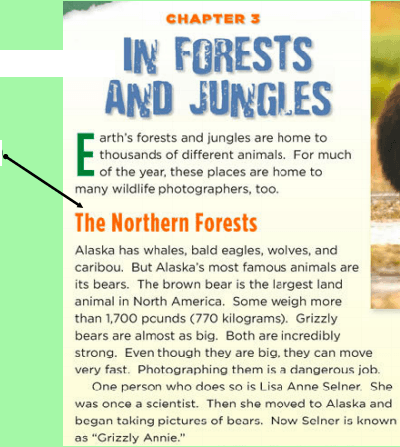
The character is trying out for which sport?
Hockey
Baseball
Basketball
Track and Field
What is the problem in this story?
The character is already on the basketball team.
The character is telling us about his love for basketball.
The character is trying out for the basketball team is very nervous.
How many kids were at the tryouts?
20
30
50
Why was the character going to have trouble sleeping at night?
They drank too much caffeine before tryouts.
They have nightmares about basketball.
They was nervous about making the basketball team.
The characters is trying out for which sport?
Hockey
Baseball
Track and Field
Basketball
Which position or job does the character want on the baseball team?
The pitcher
The kicker
The runner
How did the character do when batting?
He struck out.
He hit a homerun and won the game.
He hit the ball every time and made it to third base.
TRUE OR FALSE: We find out that the character made the baseball team at the end of the story!!!
True
False
Which statement below is ONLY about Basketball Tryouts?
Tryouts were a whole week
Teams wore shirts called pennies
The character was trying out for a sports team
What did the character do in BOTH stories?
The character cheated when they were trying out for the team.
The character didn't care if they made the team or not.
The character worked really hard and never gave up.
True or False: In both stories we DO NOT find out if the character made the team or not.
True
False
TRUE or FALSE: Both stories are about basketball tryouts.
True
False

