wayground logo

Free Printable Worksheets

Font size

S
M
L
XL
Worksheets

PERIODIC PROPERTIES IN THE PERIODIC TABLE

Total questions: 85

Worksheet time: 2hrs 33mins

Name
Class
Date
1.

what group of element does the s-block contain?

a)

group 1-2-3

b)

group 1-2

c)

group 3-12

d)

group 13-18

2.

Why are both hydrogen and cesium s-block elements, when hydrogen has one electron and cesium has 55?

a)

All blocks contain at least one element from each period.

b)

Blocks of elements on the periodic table are based only on an element's valence electrons.

c)

The s-block includes only the most reactive elements.

d)

They have identical electron configurations.

3.

Atoms of elements in group 1 have ____________.

a)

one electron in their outermost energy level

b)

two electrons in their outermost energy level

c)

seven electrons in their outermost energy level

d)

eight electrons in their outermost energy level

4.

Which of the blocks on the periodic table contains the most elements?

a)

s block

b)

p block

c)

d block

d)

f block

5.

From the table below, determine the atomic number of the noble gas at the end of period 5.

a)

18

b)

36

c)

54

d)

52

6.
The atoms along the staircase are called 
a)
metals
b)
nonmetals
c)
metalloids
d)
noble gases
7.

Shiny (luster) and good conductors of electricity:

a)

Nonmetal

b)

Lightning

c)

Metal

d)

Semi-metal

8.
How many valence electrons does an atom of sulfur (S) have?
a)
2
b)
3
c)
6
d)
16
9.

Which element has n=2 and s2 p6 configuration?

a)

He

b)

O

c)

Ne

d)

Ni

10.
How many valence electrons are found in atoms of group 15?
a)
4
b)
5
c)
2
d)
3
11.
a)
2
b)
8
c)
3
d)
13
12.
a)

2

b)

3

c)

5

d)

7

13.

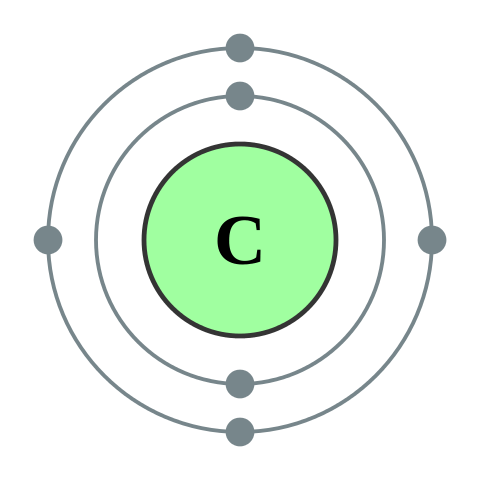
How many valence electrons does carbon have?

a)

4

b)

5

c)

6

d)

7

14.

This could be the dot diagram of

a)

Mg

b)

Cl

c)

C

d)

O

15.

Columns in the periodic table are called______, rows are called_________

a)

Periods, groups

b)

Groups, periods

c)

Periods, shells

d)

Shells, groups

16.

The period number tells us...

a)

How many electron shells an element has

b)

How many electrons are in the most outer shell

c)

The mass number

d)

The valency

17.

The group number tells us...

a)

How many electron shells an atom has

b)

How many electrons are in the most outer shell of an element

c)

The atomic mass

d)

Electonegativity

18.

The elements on the Periodic Table are arranged in order of increasing...

a)

mass number

b)

atomic number

c)

number of isotopes

d)

number of valence electrons

19.

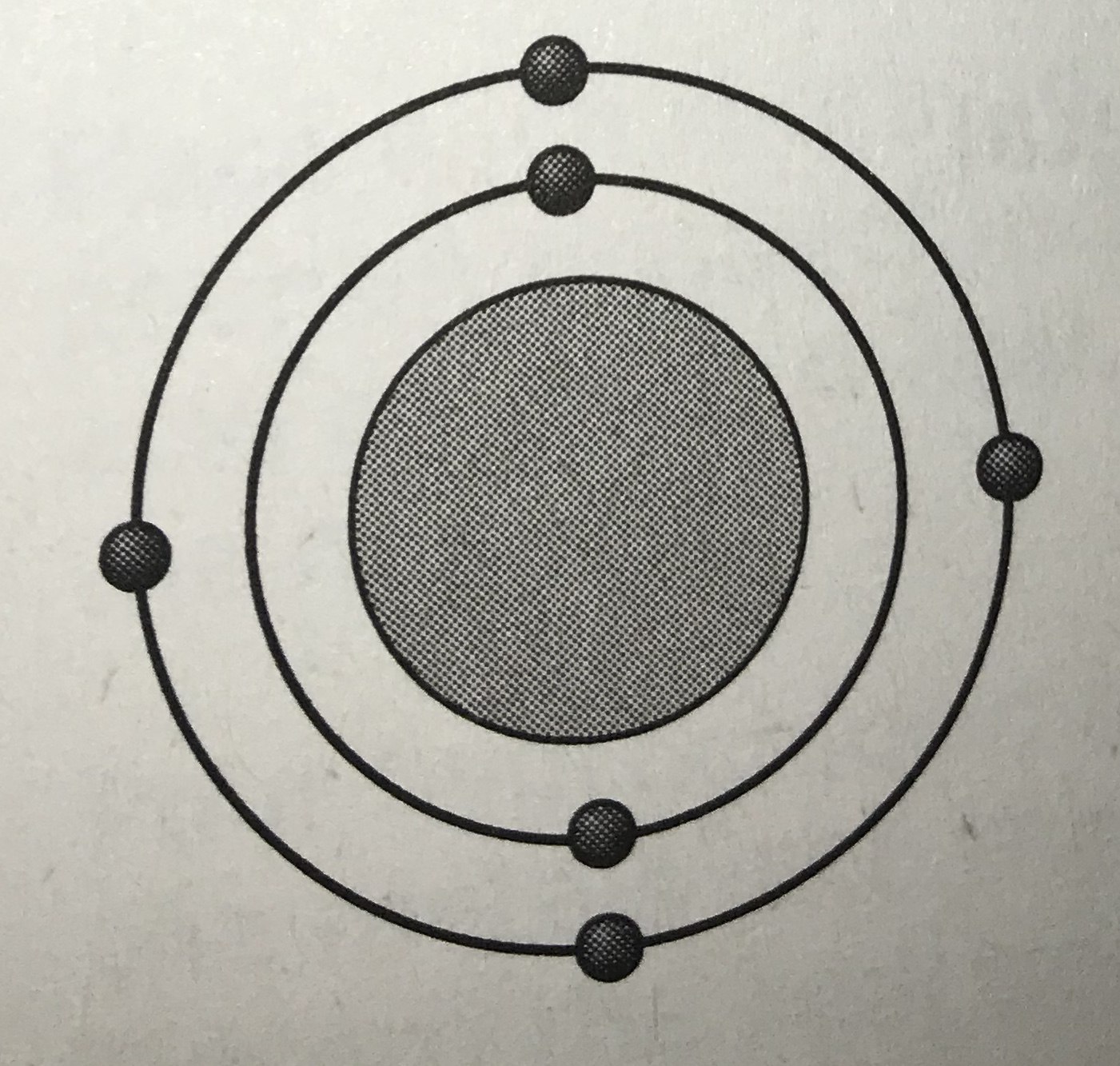
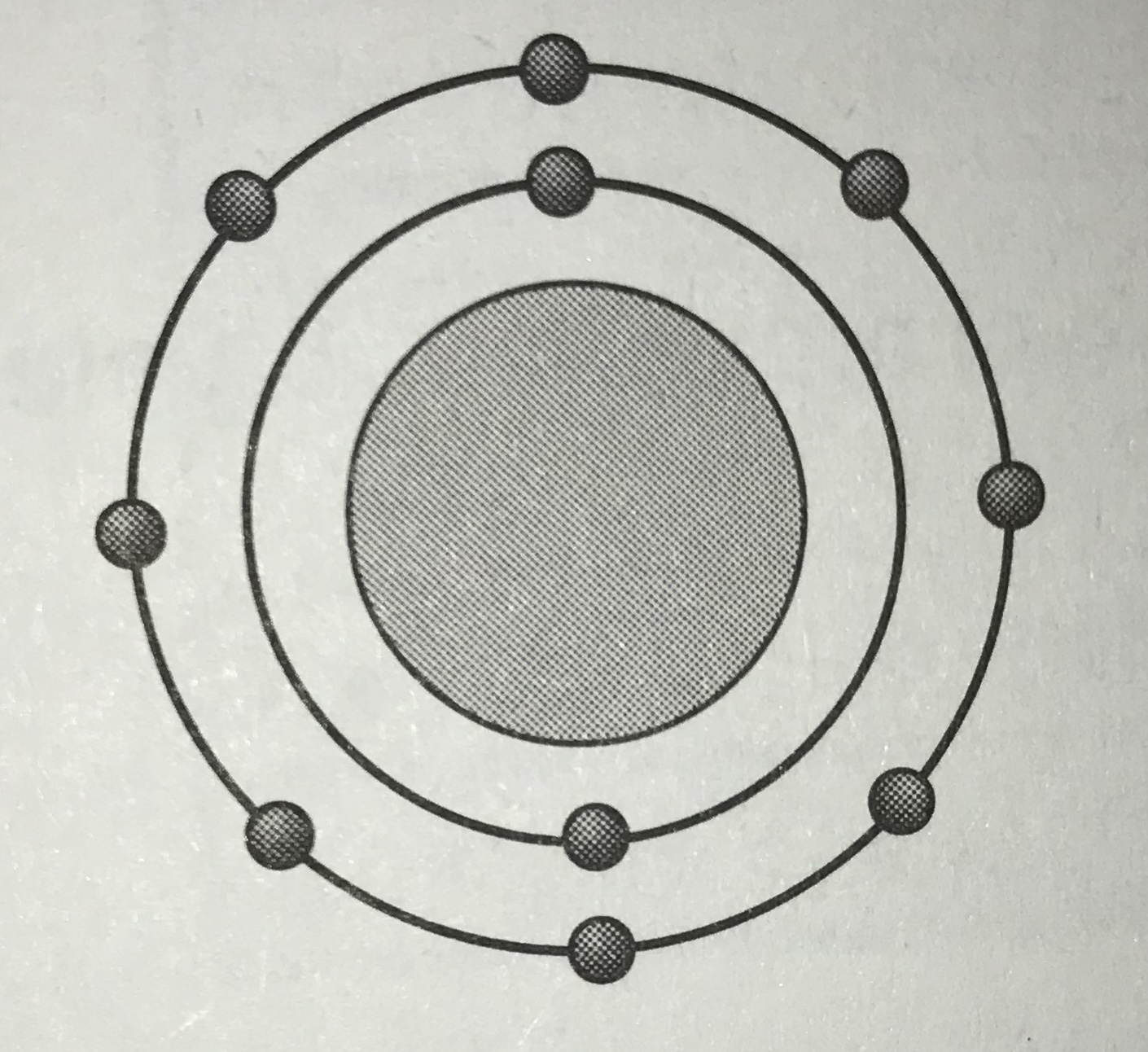
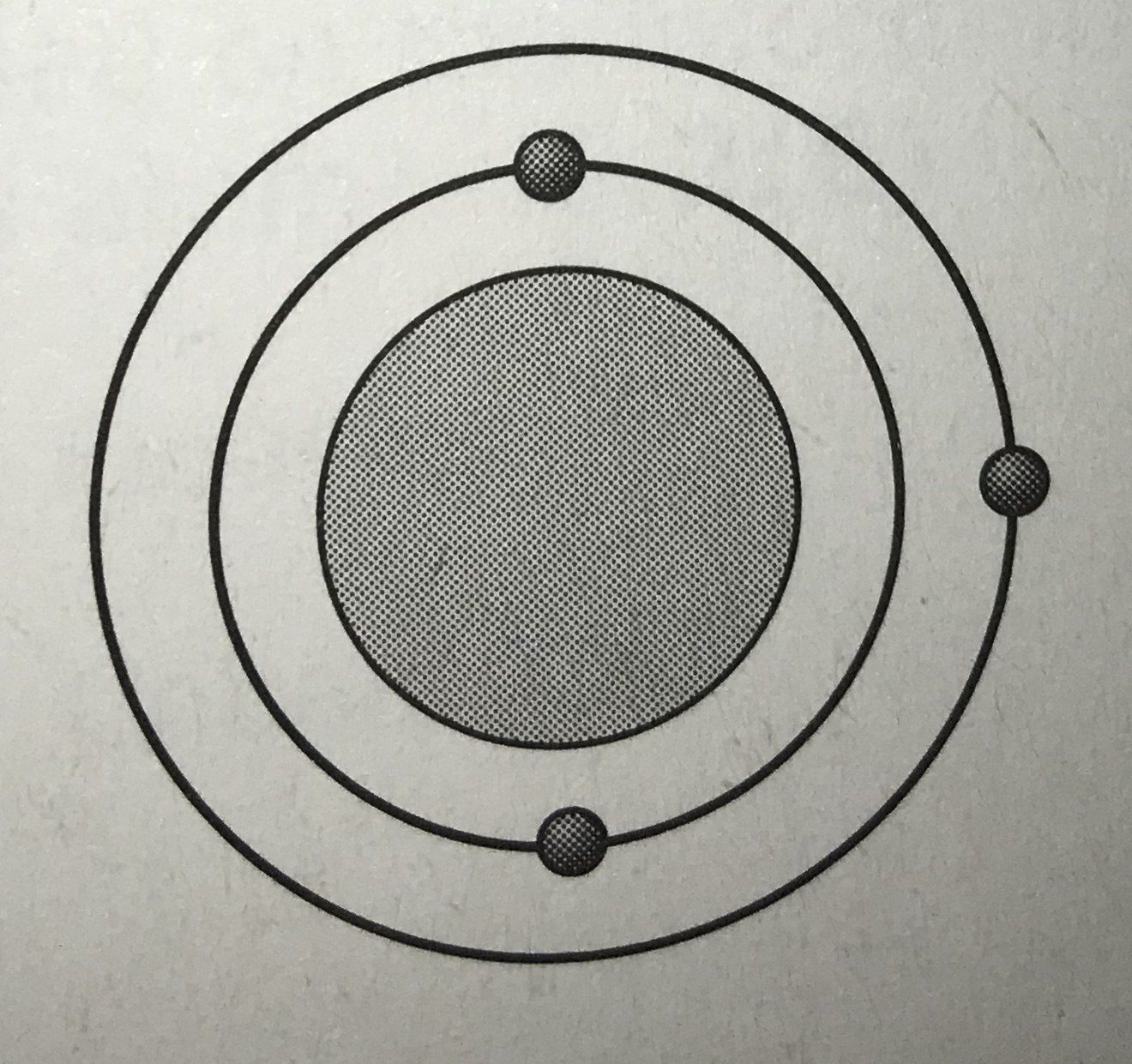
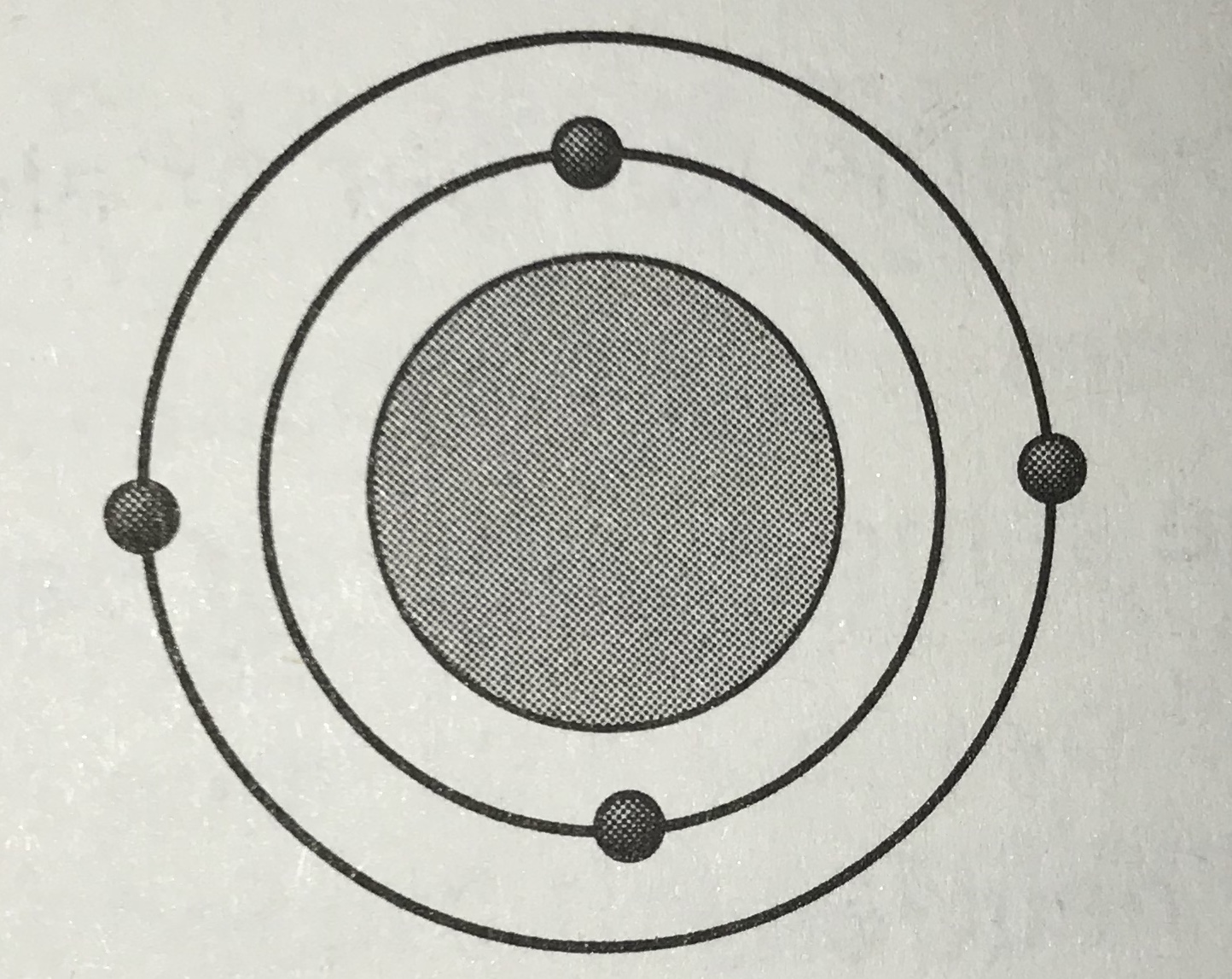
Which model represents the most reactive atom?
a)
b)
c)
d)
20.

What element, based on the subatomic particles in the atom, is shown?

a)

Beryllium

b)

Helium

c)

Lithium

d)

Oxygen

21.
Which is the correct formula for:
one carbon (C)
two oxygen (O)
a)
CO2
b)
CO
c)
C2O
d)
2CO
22.
Which group of the periodic table is composed of inert (not reactive)  gases?
a)
alkali metals
b)
alkaline earth metals
c)
halogens
d)
noble gases
23.
The atomic number tells you what?
a)
number of electrons
b)
number of protons
c)
number of neutrons
d)
both electrons and protons in an atom.
24.
What is the chemical symbol for the element Sodium
a)
Na
b)
So
c)
S
d)
Sd
25.
What is Fe2O3
(rust) made up of?
a)
1 flourine, 2 einsteinium,
3 oxygen
b)
2 fluorine, 3 oxygen
c)
2 iron, 3 oxygen
d)
2 iron, 3 osmium
26.
Where are the nonmetals located on the periodic table?
a)
top left corner
b)
bottom left corner
c)
top right corner
d)
bottom left corner
27.
How many electrons do atoms need to be stable?
a)
1
b)
2
c)
6
d)
8
28.
Which is an alkali metal?
a)
Magnesium
b)
Iron
c)
Sodium
d)
Europium
29.
Silicon is a semiconductor and has properties of both metals and nonmetals. What type of element is Silicon? 
a)
Metal
b)
Nonmetal
c)
Metalloid
d)
Pretty
30.

the mass of an atom, calculated by adding the number of protons and neutrons in the nucleus of the atom

a)

element name

b)

element symbol

c)

atomic number

d)

atomic mass

31.

a grouping of elements based on similar properties, arranged by columns in the periodic table; also known as a group

a)

family

b)

period

c)

row

d)

isotope

32.
Sodium (Na) is found in period 
a)
3
b)
2
c)
4
d)
1
33.
Sodium (Na) is found in group 
a)
1
b)
2
c)
3
d)
4
34.

What is water (H2O)?

a)

Atom

b)

Element

c)

Compound

d)

Mixture

35.

What is oxygen (O2)?

a)

Atom

b)

Element

c)

Compound

d)

Molecule

36.

What is air?

a)

Molecule

b)

Element

c)

Compound

d)

Mixture

37.

Where are the metals found on the periodic table?

a)

Left

b)

Right

c)

In the middle

d)

At the bottom

38.

Where are the non-metals found on the periodic table?

a)

Left

b)

Right

c)

In the middle

d)

At the bottom

39.

What is NOT a physical property of metals?

a)

Lustrous (shiny)

b)

Malleable (can be shaped)

c)

Sonorous (makes sound)

d)

Brittle (breaks easily)

40.

Iron is a...

a)

Metal

b)

Non-metal

c)

Metalloid

d)

Gas

41.

Sulphur is a...

a)

Metal

b)

Non-metal

c)

Metalloid

d)

Gas

42.

Non-metals, like Fluorine, CAN conduct electricity.

a)

True

b)

False

43.

Metalloids can also be called semi-metals.

a)

True

b)

False

44.

Which is true about metalloids:

a)

They are the same as metals.

b)

They have some physical properties of metals, and some physical properties of non-metals.

c)

They are man-made.

d)

All metalloids are non-metals that are shiny.

45.

What is this compound called?

a)

H2O

b)

O2

c)

CO2

d)

C2O

46.

What element has the chemical symbol "Mg"?

a)

Magnesium

b)

Potassium

c)

Sodium

d)

Carbon

47.

who discovered the first scientific and systematic periodic table

a)

Henry Mosley

b)

Dmitri Mendeleev

c)

John Dalton

d)

sir Isaac Newton

48.

Which one is correct about mendeleev's periodic law

a)

Properties of elements are periodic function of their atomic mass

b)

the physical and chemical properties of elements are periodic function of their atomic number.

c)

physical properties of elements are periodic function of their atomic weight.

d)

chemical properties of elements are periodic function of their atomic number.

49.

choose the correct statement

a)

the vertical column in the periodic table is called period

b)

the vertical column in the periodic table is called group

c)

the horizontal row in the periodic table is not called period

d)

none of the above

50.

how many groups are there in modern periodic table

a)

8

b)

9

c)

18

d)

17

51.

alkali metals are kept in ........

a)

IIA

b)

IIIA

c)

IA

d)

0

52.

Number of valence electrons in halogens is ..........

a)

1

b)

4

c)

3

d)

7

53.

D block elements are known as .............

a)

Actinides

b)

Transition elements

c)

Lanthanides

d)

Noble gases

54.

In which block, does the element Iron stand?

a)

d block

b)

p block

c)

s block

d)

f block

55.

how many electrons can d orbital accommodate? (keep)

a)

2

b)

6

c)

10

d)

14

56.

which group has the strong electronegative character

a)

alkali metal

b)

lanthanides

c)

inert gases

d)

halogens

57.

Electronic configuration of phosphorus is ........

a)

1s22s22p53s23p4

b)

1s22s22p53s23p3

c)

1s22s22p63s23p3

d)

1s22s22p63s23p4

58.

Which element has following electronic configuration. 1s22s22p63s23p5

a)

Sulphur

b)

Chlorine

c)

Argon

d)

Potassium

59.

choose the metalloid element

a)

Alumunium

b)

Germanium

c)

Silver

d)

Helium

60.

Sulphur is........

a)

Non metal

b)

Metal

c)

Metalloid

d)

Inert gases

61.

choose the wrong statement

a)

Na is more active than Li

b)

O is more active than S

c)

Mg is more active than Al

d)

Cl is more active than F

62.

What is the valency of Krypton

a)

0

b)

1

c)

2

d)

3

63.

Fluorine is more active than chlorine because ...........

a)

fluorine has valency 1 but chlorine has 2

b)

atomic number of fluorine is less than chlorine

c)

atomic size of fluorine is less than chlorine

d)

atomic size of fluorine is more than chlorine

64.

Which one is correct ?

a)

for electronegative elements, reactivity increases with decrease in atomic size in same group

b)

for electropositive elements, reactivity decreases with decrease in atomic size in same group

c)

for non metals, reactivity increases with decrease in atomic size

d)

all of the above

65.

what happens when we move from top to bottom in group

a)

valency decreases

b)

atomic radius increases

c)

atomic radius decreases

d)

valence electrons increases

66.

which element is this ?

a)

Neon

b)

Potassium

c)

Calcium

d)

Argon

67.
Which of the following will have a lower ionization energy than Scandium (Sc)?
a)
Helium (He)
b)
Titanium (Ti)
c)
Calcium (Ca)
d)
Magnesium (Mg)
68.
Which atom has the largest atomic radius?
a)
potassium
b)
rubidium 
c)
francium
d)
cesium
69.
As you move down the periodic table atoms get bigger.  This is because ____________.
a)
The atoms have more mass.
b)
The atoms have more protons.
c)
The atoms have more energy levels
d)
The atoms have more nuetrons
70.
As you move across the periodic table atoms tend to get smaller because, ______________.
a)
the atoms have more mass.
b)
the atoms have less mass
c)
the atoms have more protons.
d)
the atoms have less electrons.
71.
Atoms that have a high electronegativity, _______________.
a)
give up their electrons more easily.
b)
hold on to their electrons more tightly.
c)
have more electron shells.
72.
Electronegativity is...
a)
how good an atom is at attracting electrons
b)
the ability of an atom to lose electrons
c)
the energy required to remove an electron from a specific atom
d)
how easy it is to make friends. 
73.
Ionization energy is...
a)
the energy required to add an electron to a specific atom
b)
how much energy it takes to remove an electron from an atom
c)
the energy required to shield the outer electrons from the nucleus
d)
a measure of the ability of an atom to attract electrons
74.
The atom with the largest atomic radius in Group 18 is - 
a)
Ar
b)
He
c)
Kr
d)
Rn
75.
The element with the largest electronegativity in the halogens is - 
a)
At
b)
F
c)
Cl
d)
Br
76.
The element with the lowest electronegativity in Period 3 is - 
a)
Na
b)
Cl
c)
Ar
d)
Mg
77.
Which periodic group has the smallest atomic radius?
a)
Alkali metals
b)
Halogens
c)
Noble Gases
d)
Transition metals
78.
Atomic radius generally increases as we move __________.  
a)
down a group and from right to left across a period 
b)
up a group and from left to right across a period 
c)
down a group and from left to right across a period 
d)
up a group and from right to left across a period 
79.
Electronegativity __________ from left to right within a period and __________ from top to bottom within a group.
a)
decreases, increases 
b)
increases, increases
c)
increases, decreases 
d)
stays the same, increases
80.
Which of the following pairs of elements have similar properties
a)
Barium and Calcium
b)
Sodium and Magnesium
c)
Nickel and Copper
d)
Lithium and Helium 
81.
Which of the following is true for Calcium
a)
Metal and Low electronegativity value 
b)
Metal and has 2 valence electrons
c)
Metal, Low electronegativity, has 2 valence electrons
d)
Metal and Semi conductor 
82.
Which of the following electron configurations represents the most chemically stable atom?
a)
[Ne] 3s1
b)
[Ne] 3s2 3p3
c)
[Ne] 3s2 3p6
d)
[Ar] 4s2 3d6
83.
The minimum energy required to remove an electron from the ground state of an atom
a)
electron configuration
b)
energy levels
c)
ionization energy
d)
ionic bond
84.
The tendency of an atom to attract electrons and acquire a negative charge
a)
electronegativity
b)
charge
c)
bonding ability
d)
electron configuration
85.
A group of elements that includes the most active of the elements is the -
a)
halogens.
b)
noble gases.
c)
nitrogen group.
d)
alkaline earth metals.