
NEW
Font size
 Worksheets
Constitutional Framework
Total questions: 26
Worksheet time: 13mins
What is the definition of a limited government?
A government with unlimited powers.
A government whose powers are limited and given to them by the people.
A government that controls all aspects of life.
A government that is controlled by a single person.

In a democracy, who holds the powers of the government?
Monarchs
Military leaders
Elected representatives
Religious leaders
What is the concept of "Separation of Powers"?
Division of power among different governmental branches.
Concentration of power in a single branch of government.
Sharing of power between the government and private sector.
Elimination of power from all governmental branches.
Which of the following is NOT one of the branches involved in the Separation of Powers?
Judiciary
Legislature
Executive
Military
What is the primary purpose of the Separation of Powers?
To ensure that no single branch of government becomes too powerful.
To combine the powers of all branches into one.
To eliminate the need for a government.
To increase the power of the executive branch.
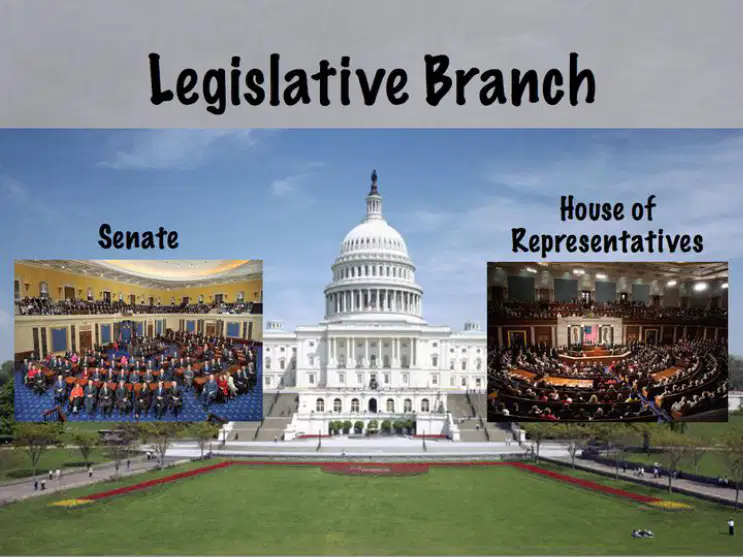
Which branch of government has the power to make the laws?
Executive Branch
Judicial Branch
Legislative Branch
Administrative Branch
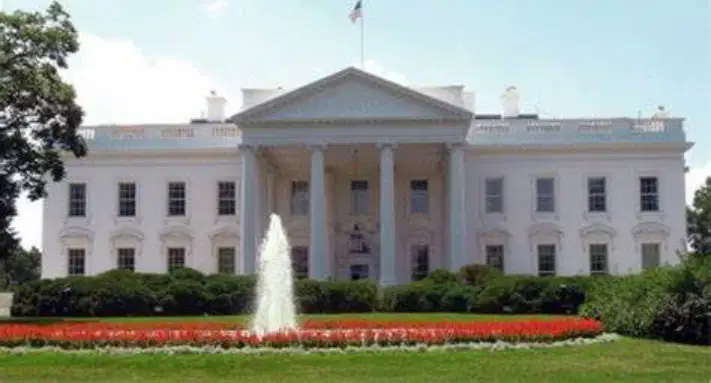
Which branch of government has the power to enforce the laws and policies?
Legislative Branch
Judicial Branch
Executive Branch
Federal Branch
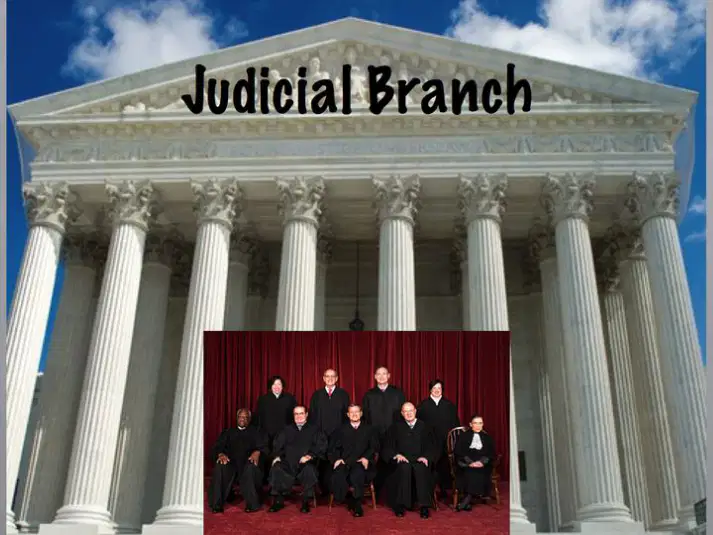
Which branch of government has the power to interpret the laws and administer justice?
Executive Branch
Legislative Branch
Judicial Branch
Administrative Branch
What is the main purpose of the system of checks and balances?
To ensure that each branch of government has equal power
To allow each branch to stop the other branches from abusing their power
To create a hierarchy among the branches of government
To eliminate the need for a judicial system
What does judicial review allow the supreme court to do?
Examine the actions of other branches to determine if they are constitutional
Create new laws
Enforce laws
Amend the constitution
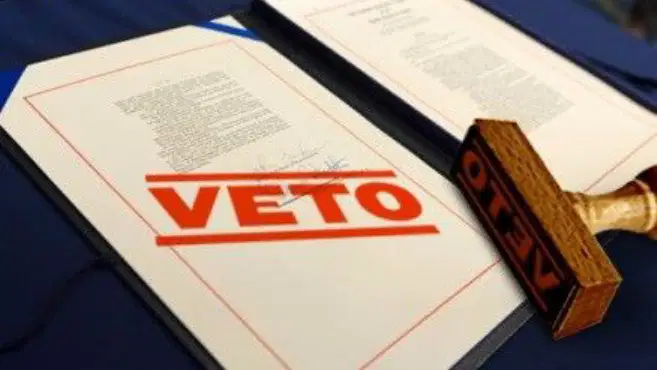
What does the term "veto" mean?
Approving a law
Refusing to approve a law
Proposing a new law
Amending a law
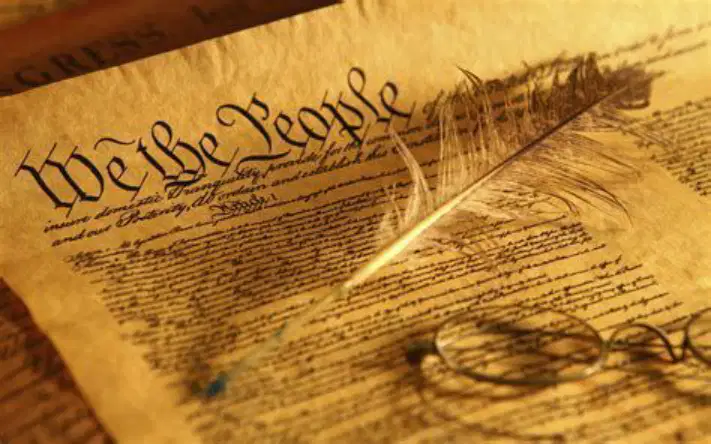
What does the term "unconstitutional" mean?
Supports the constitution
Goes against the constitution
Amends the constitution
Is neutral to the constitution
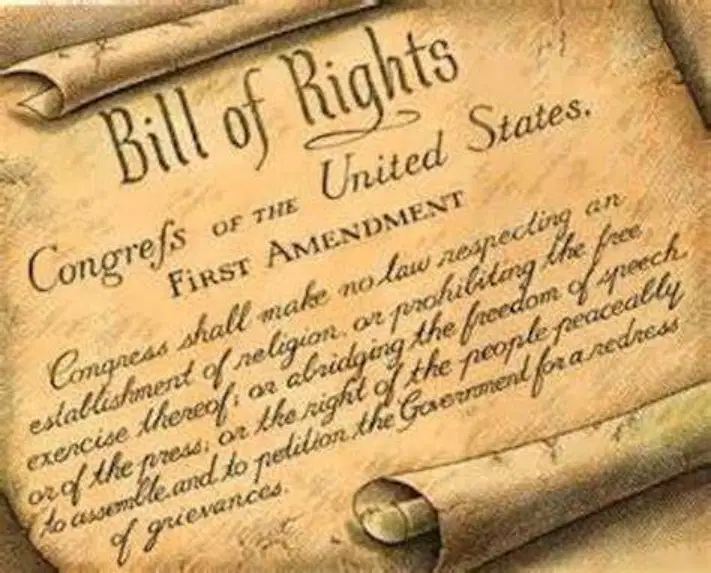
What are the first 10 amendments to the U.S. Constitution called?
The Declaration of Independence
The Articles of Confederation
The Bill of Rights
The Federalist Papers
What does the Bill of Rights protect?
Government powers
Individual rights
State laws
Economic policies
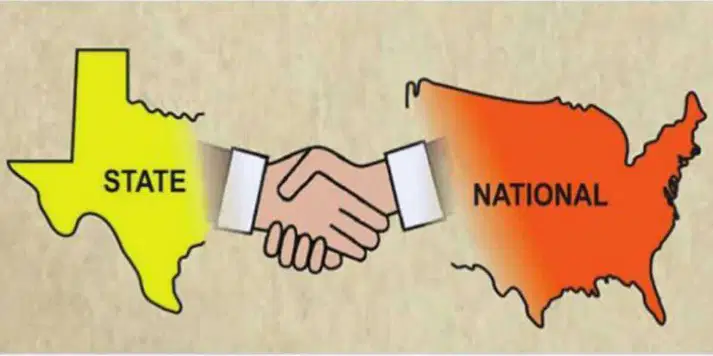
What is the definition of federalism?
A) A system where the national government holds all the power.
B) A system where the state governments hold all the power.
C) Dividing power between the states and federal government.
D) A system where local governments hold all the power.
What is the definition of amendments?
A) Laws created by the government
B) Changes or additions
C) Rules for society
D) Guidelines for behavior
Which amendment guarantees the freedom of religion, assembly, press, petition, and speech?
A) 2nd Amendment
B) 3rd Amendment
C) 1st Amendment
D) 4th Amendment
What right is protected by the 2nd Amendment?
A) The right to a fair trial
B) The right to bear arms
C) The right to free speech
D) The right to not quarter soldiers
Which amendment protects against unreasonable search and seizure?
A) 1st Amendment
B) 4th Amendment
C) 5th Amendment
D) 6th Amendment
What does the 5th Amendment ensure?
A) Right to a trial by jury
B) Freedom from unreasonable search and seizure
C) Due Process of Law and Rights of the accused
D) No cruel or unusual punishment
Which amendment guarantees the right to a fair, impartial, and speedy trial?
A) 6th Amendment
B) 7th Amendment
C) 8th Amendment
D) 9th Amendment
What right is protected by the 7th Amendment?
A) Right to bear arms
B) Right to a trial by jury
C) Right to free speech
D) Right to not quarter soldiers
Which amendment prohibits cruel or unusual punishment and excessive fines?
A) 6th Amendment
B) 7th Amendment
C) 8th Amendment
D) 9th Amendment
What is the main purpose of the separation of powers?
To ensure one branch of government has all the power
To prevent any one branch from becoming too powerful
To make laws irrelevant
To concentrate power within the legislative branch
What is the role of the Judicial branch?
To make laws
To enforce laws
To interpret laws
To fund laws
Which branch has the power to:
interpret laws
Legislative Branch
Executive Branch
Judicial Branch

