
 Worksheets
Gmetrix - Adobe Photoshop - Domain 1
Total questions: 35
Worksheet time: 31mins
Age and socioeconomic status of your audience are irrelevant to a project’s purpose
True
False
What image requirement might you consider if younger people are in your target audience?
RGB or CMYK
the image resolution
the device size
the location of their usage
The order in which feedback is presented on an aspect of a project
(a)
A cycle of the design plan; some examples include sketches, wireframes, and prototypes.
(a)
The order of steps taken to get from sketch to finished project.
(a)
Formal changes to a project scope.
(a)
The act of unauthorized change to a project scope
(a)
The definition of a project and its details.
(a)
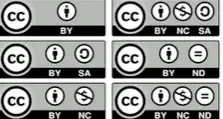
What does the NC Stand for ?
a license giving others
permission to share, use, or add to a created
work
Attribution, meaning permission where you need to credit the original author
for the work you’re using
Non-commercial, meaning you can use the work as long as you are not charging
people for it
NoDerivs, meaning no derivatives of the work
State of work where it becomes free for use 50 to 100 years after an
author’s death is what term?
Public Domain
Intellectual property
Work for hire
Fair use or fair dealing
Which type of release is used to allow one to use a photo of a landmark,
famous building, or privately owned building?
Model release
Location release
General release
The types of images are available to use with the same rules
applied when obtaining permission for third-party
content
(a)
Using someone or something’s likeness without permission can result in a lawsuit and a loss
of money.
True
False
Tiny dots of color that make up an image.
(a)
Image format that is known for supporting transparency and millions of colors.
(a)
An image format used for animations and transparency, and it supports only 256 colors
(a)
Graphics that use pixels to build an image.
(a)
Popular image format that supports millions of colors but affects an image’s quality when the
file size is reduced.
(a)
Changes the size of an image by changing the number of pixels in the image.
(a)
A color mode of cyan, magenta, yellow, and black
which is generally used for printing.
(a)
A color mode that renders black, white, and gray with a total of 256 shades of gray available.
(a)
A primary color mode that is a mix of three primary
colors used in combination to allow up to 16 million colors to
choose from.
(a)
Name all of the principles of design
Space around and in between the subjects of a photo or a graphic.
Negative space
Positive Space
Outer Space
Fonts are specifically designed text
True
False
Position of text within its bounding box.
(a)
The vertical spacing between lines of text
leading
tracking
kerning
texting
The spacing between all characters in a block of text.
leading
tracking
kerning
texting
The spacing between individual characters in a block of text.
leading
tracking
kerning
texting
is a font with feet that makes it more readable in print
(a)
fonts have no feet and tend to be easier to read on a screen
(a)
The idea of having vertical and horizontal thirds in a
design, with the object of emphasis placed on a third instead of
the middle of the design.
Lower thirds
Rule of thirds
Thirty thirds
An image’s proportion of width to height.
(a)
The distance between the nearest and furthest objects in focus for a camera.
(a)
The act of placing individual elements on an image or illustration in such a way as to
emphasize an object.
(a)

