
 Worksheets
Community and Regional Planning Vocabulary Quiz
Total questions: 10
Worksheet time: 10mins
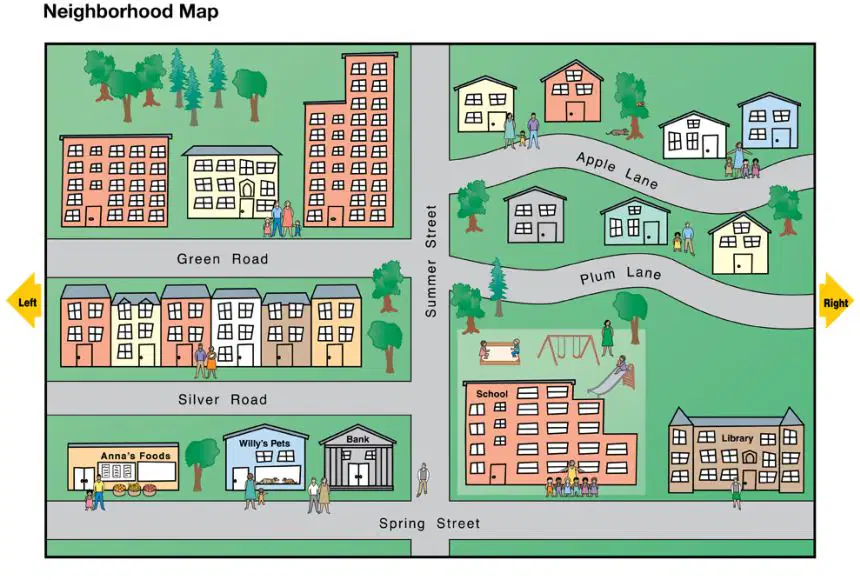
Define the term 'neighborhood' in the context of civil engineering.
A single building within a city
A specific type of road construction
Group of buildings or structures within a specific area
A group of people living in the same area
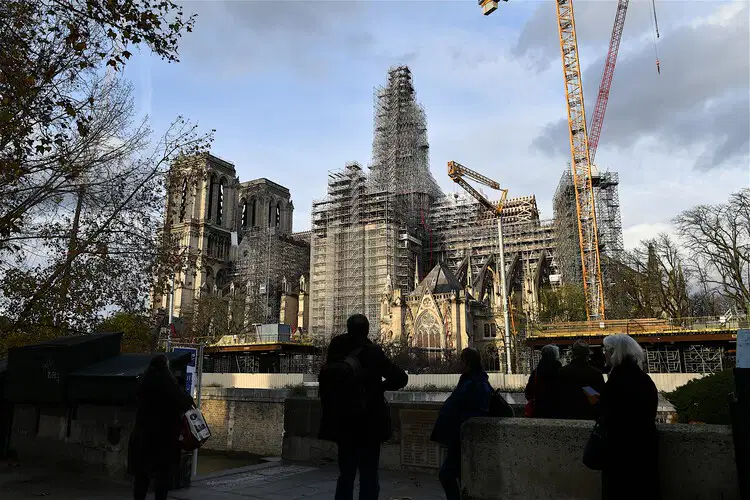
Explain what 'reconstruction' means in the field of civil engineering.
In civil engineering, reconstruction means relocating existing buildings to new locations.
Reconstruction in civil engineering refers to designing new structures from scratch.
Reconstruction in civil engineering involves repairing, restoring, or rebuilding infrastructure that has been damaged or deteriorated.
Reconstruction involves demolishing existing infrastructure without any modifications.

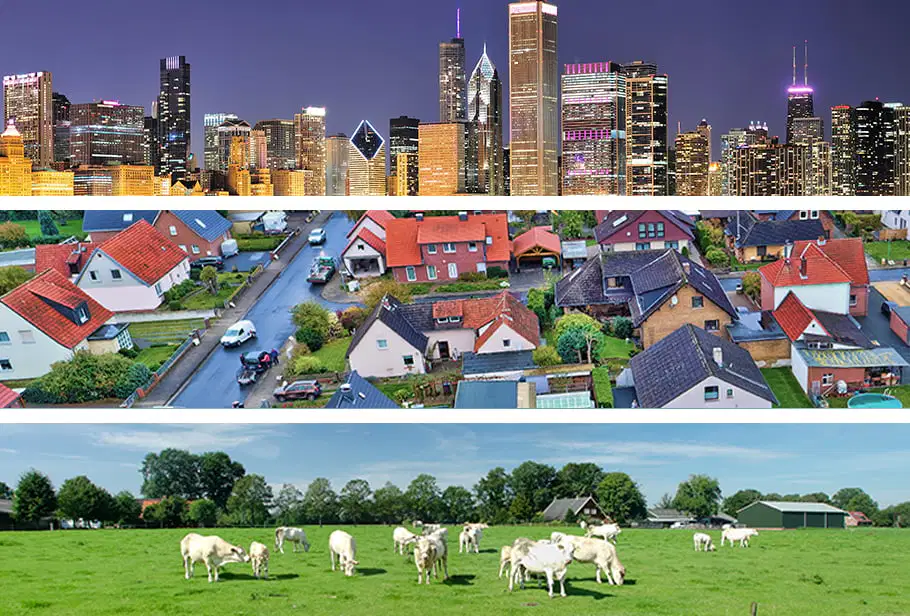
Interpret the concept of 'urban sprawl' and its impact on communities.
Urban sprawl is the uncontrolled expansion of urban areas into surrounding rural lands, leading to low-density development, increased car dependency, and environmental degradation. It impacts communities by causing traffic congestion, loss of green spaces, increased infrastructure costs, and social segregation.
Urban sprawl has no impact on community infrastructure
Urban sprawl promotes social cohesion
Urban sprawl leads to increased public transportation options

How does the term 'expand' relate to urban planning in civil engineering?
The term 'expand' in urban planning refers to reducing the population density of a city.
In civil engineering, 'expand' means to decrease the size of infrastructure projects.
Expanding in urban planning involves limiting the growth of a city.
The term 'expand' in urban planning relates to extending or enlarging the physical boundaries of a city or urban area.

Discuss the significance of 'region' in growth projections for civil engineering projects.
Growth projections are solely based on individual projects
The region significantly influences growth projections by affecting population density, economic conditions, infrastructure development, and environmental regulations.
Region has no impact on growth projections
Region only affects civil engineering aesthetics, not growth projections

Evaluate the effects of 'urban sprawl' on the environment and infrastructure.
Urban sprawl leads to increased biodiversity and ecosystem health
Urban sprawl has detrimental effects on the environment and infrastructure due to habitat loss, pollution, increased energy consumption, transportation strain, congestion, maintenance costs, and decreased efficiency.
Urban sprawl results in more efficient land use and resource management
Urban sprawl reduces greenhouse gas emissions and air pollution
In what ways do 'communities' play a role in urban planning for civil engineering projects?
Communities have no impact on urban planning decisions
Communities provide input, feedback, and insights into local needs, help identify key issues, suggest solutions, and participate in decision-making processes.
Communities are only involved in urban planning for aesthetic purposes
Communities always agree with the proposed civil engineering projects

Why are 'projections' important when planning for future growth in urban areas?
Projections help in understanding population growth, infrastructure needs, and resource allocation for informed decision-making in urban development.
Projections play a minor role in predicting future growth in urban areas.
Projections are only relevant for analyzing past data in urban areas.
Urban growth can be accurately forecasted without the use of projections.
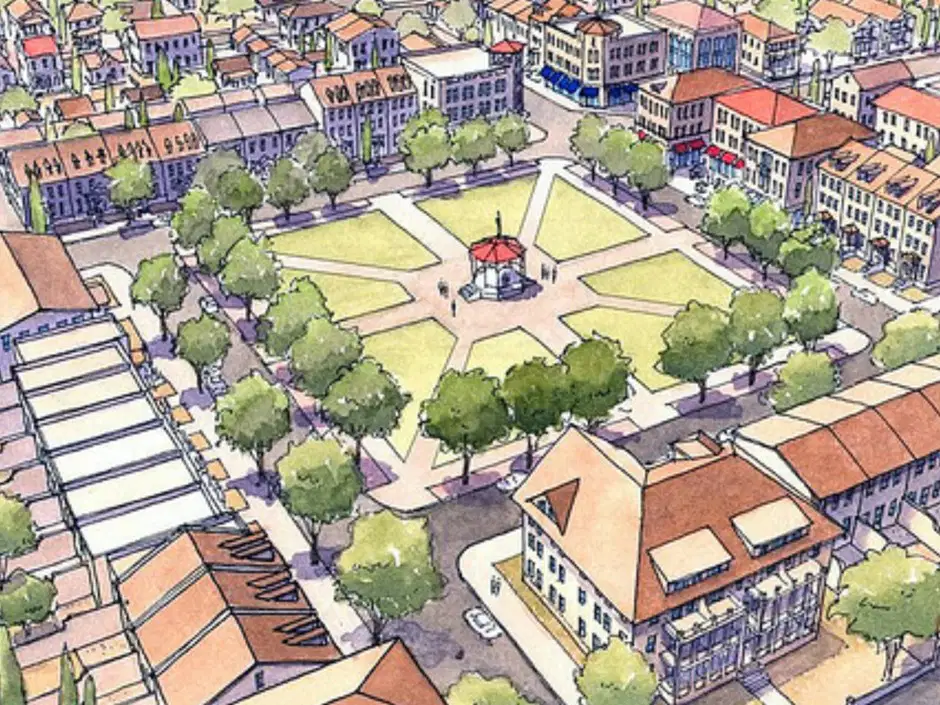
Define the term 'growth' in the context of civil engineering and urban development.
Rapid decline in building construction and expansion
Expansion and development of infrastructure, buildings, and population within a city or region over time.
Decrease in population and infrastructure within a city
Stagnation of urban development over time

How does 'urban planning' contribute to sustainable development in growing cities?
Urban planning worsens social equity in growing cities
Urban planning helps in managing resources, reducing environmental impact, promoting social equity, and enhancing quality of life in growing cities.
Urban planning leads to increased pollution in growing cities
Urban planning has no impact on resource management in growing cities

